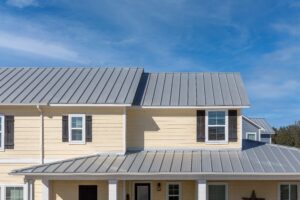

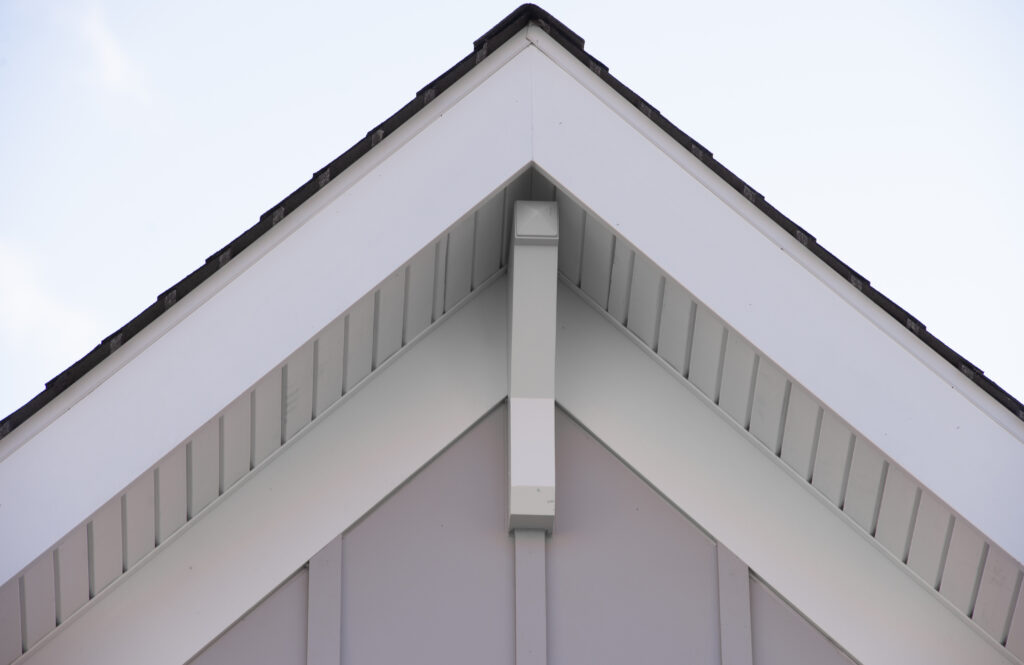
When you look at your home, the first things you notice are usually the big, visible features. Shingles, siding, and the overall roofline naturally draw attention. Yet right at the roof’s edge is a feature that often goes unnoticed: the fascia board. It may appear to be nothing more than a narrow strip of trim, but it has a critical job. Fascia boards keep water from reaching the interior, hold the gutter system securely in place, and give the roofline its clean, finished appearance.
Trouble begins when this part of the roof is ignored. What looks like a minor detail can lead to serious issues, including water damage, pest entry, and structural strain. Understanding how fascia boards function, learning to spot early signs of wear, and knowing when to call a professional can make all the difference in protecting your home and avoiding costly repairs.
What Is a Fascia Board?
A fascia board is more than just trim. It is the finishing piece that ties your roofline together and shields it from damage. Installed where the roof meets the exterior walls, it conceals the exposed ends of the rafters and provides the foundation for your gutter system. Although it looks like a simple strip of material, the fascia board plays an important role in protecting your home by keeping water, pests, and debris out of the structure.
Here are the key ways fascia boards protect your home and support the roofline.
Weather Protection
The fascia board seals off the gap where the roof meets the exterior walls. This barrier keeps rain, snow, wind-blown debris, and pests from getting inside and damaging the rafters or attic. Without fascia, the edge of your roof would be left exposed to water infiltration and rot.
Structural Support
Fascia boards act as the backbone for your gutter system. They provide a sturdy anchor point that holds gutters in place even under the weight of heavy rainfall or snow. They also help support the lower edge of your roof shingles, preventing them from curling or lifting in strong winds.
Curb Appeal
In addition to their protective and structural roles, fascia boards give the roofline a finished appearance. By covering the rough ends of rafters, they create a smooth, clean edge that enhances the look of your home. Well-maintained fascia boards boost curb appeal, while damaged or rotting boards can make a home appear neglected.
Fascia vs. Soffit: What’s the Difference?
At first glance, the edge of a roof can seem like one continuous system. In reality, it is made up of different parts that work together, and two of the most important are the fascia and the soffit. The fascia forms the vertical face where the roof meets the walls, while the soffit covers the underside of the overhang. Each has a distinct role, and telling them apart makes it easier to recognize problems and keep your roofline in good condition.
| Feature | Fascia | Soffit |
| Location | Outer edge of roof, covering rafter ends | Underside of roof overhang (eave) |
| Orientation | Vertical, faces outward | Horizontal, faces downward |
| Primary Function | Supports gutters and blocks weather | Provides attic ventilation and covers eaves |
Cost of Fascia Board Replacement
The cost of fascia replacement depends on several factors: the material you choose, local labor rates, the size and height of your home, and whether related components like soffits, gutters, or rafter tails also need attention. On average, homeowners spend $7 to $22 per linear foot for complete replacement, though complex projects with multi-story access can reach up to $40 per foot. Most homes have 100 to 200 linear feet of fascia, which means a typical project ranges from $1,050 to $3,300, with national averages around $2,500.
Fascia Board Materials
The type of material you choose for fascia boards directly affects their lifespan, maintenance requirements, and overall appearance. While wood remains a classic choice, newer options like PVC, aluminum, and fiber cement offer durability with less upkeep.
| Material | Lifespan (avg.) | Cost per LF | Maintenance | Pros | Cons |
| Wood | 10–30 years | $1–$3 | High | Traditional look, paintable, inexpensive | Prone to rot and pests |
| PVC/Vinyl | 20–40 years | $3–$9 | Low | Rot- and insect-proof, easy to clean | Can warp or fade |
| Aluminum | 25–30 years | $8–$20 | Very Low | Strong, won’t rot, long-lasting | Prone to denting, higher upfront cost |
| Composite | 30–50 years | $1–$8 | Low | Durable, eco-friendly, wood-like appearance | Costlier, not refinished |
| Fiber Cement | 50–100 years | $1–$5 | Very Low | Extremely durable, fire- and rot-resistant | Heavy, requires specialized installation |
Materials alone generally cost $1–$3 per LF for wood and up to $8–$20 for aluminum before installation.
Labor Costs
- $2–$7 per LF is typical for professional installation.
- Rates are higher for steep roofs, multi-story homes, or difficult access.
- Some contractors charge by the hour ($40–$80) for combined fascia and soffit work.
Additional Costs to Consider
- Soffit replacement: $4 – $22 per LF depending on material and width.
- Gutters: $6 – $17 per LF for new systems, more for seamless or premium metals.
- Painting or sealing: $2 – $7 per LF if not included in installation.
- Aluminum wrapping (capping): $3 – $4 per LF as an add-on to existing wood fascia.
- Rafter tail repairs: $200 – $400 per tail if rot has spread beyond the fascia.
- Permits and setup: $50 – $300 in some areas, plus added cost for scaffolding or lift equipment.
Cost Scenarios
- Small partial replacement (50 LF of wood fascia, repainting): about $350 – $1,100.
- Whole-house replacement (150 LF upgraded to PVC): about $1,200 – $2,700.
- Full eave rehab (150 LF fascia + soffits + gutters): about $2,200 – $7,600, depending on materials and roof height.
Actual costs depend on your location, project scope, and materials. The best way to know what you'll pay is to get quotes from local contractors.
Get Your Free Estimate →Signs of Fascia Damage
Fascia boards aren’t built to last forever, and when they start to wear out, the warning signs usually show up little by little. Paying attention to these early changes can help you address problems quickly and prevent damage from spreading to your roof, gutters, or even inside your home.
Peeling or Bubbling Paint
Paint is often the first line of defense for wood fascia boards. When the paint begins to peel or bubble, it’s usually a sign that moisture has penetrated the surface. What may look like a small cosmetic issue can quickly turn into rot if it’s ignored.
What to look for:
- Flaking paint along the roofline
- Water stains or discoloration near gutter edges
- Small cracks in the painted surface that spread over time
Rotting or Warping Wood
Moisture exposure is the most common culprit behind rotting or warping fascia boards. Once wood softens and loses its strength, it can no longer hold gutters securely or protect the edge of your roof. This type of damage tends to spread if not addressed promptly.
What to look for:
- Soft, spongy areas when pressed
- Boards that appear bowed, wavy, or misaligned
- Cracks or splintering along the edges
Gutter Problems
Gutters attach directly to fascia boards, so damage in one often shows up as issues in the other. If your gutters are sagging or pulling away from the roofline, the problem may not be the gutters themselves but the weakened fascia behind them.
What to look for:
- Gutters sagging or pulling away from the roofline
- Frequent overflow even after cleaning
- Loose or missing gutter fasteners
"We matched with a great contractor the same day. The whole process was easy and completely free."
Pest Damage
Fascia boards that are already weakened by moisture or age are a perfect target for pests. Insects and animals can create small entry points that quickly expand, giving them direct access to your attic. Once pests move in, the damage can worsen rapidly.
What to look for:
- Round drill holes from carpenter bees
- Squirrel or bird activity around the roofline
- Wasp nests tucked under overhangs
Interior Warning Signs
Sometimes fascia issues reveal themselves inside the home before they’re visible outside. Water that seeps past a compromised fascia board may leave evidence in your attic or upper walls. These signs are usually an indication of advanced damage that requires immediate attention.
What to look for:
- Water stains on ceilings or upper walls
- Musty odors in the attic or upstairs rooms
- Mold growth near roof edges
How to Address Fascia Damage
Finding signs of fascia damage is important, but what you do next matters even more. A quick repair may be all that is needed if the problem is small, but in other cases replacing the board is the safer and longer-lasting solution. Understanding the extent of the damage will help you choose the option that protects your home and saves you money in the long run.
Step 1: Assess the Severity
The first step is to determine how widespread the damage is. Small, isolated issues may only require a patch or repainting, while larger areas of rot or warping often mean full board replacement is necessary.
Step 2: Inspect Gutters and Soffits
Fascia boards usually don’t fail in isolation. If you notice damage, there’s a strong chance your gutters or soffits are showing wear too. Inspecting all of these areas together helps you avoid patchwork fixes and often saves money by addressing the whole problem at once.
Step 3: Decide on DIY vs. Professional Help
Some homeowners may feel confident tackling small fascia repairs, but full replacement is usually better handled by a professional. The job involves more than just swapping boards. It requires precise carpentry, safe lifting and fastening of long, heavy sections, and proper reinstallation of gutters to maintain correct drainage. Hiring an expert ensures the work is done safely and your roofline remains well-protected.
Step 4: Choose Materials Wisely
If you need to replace your fascia, it’s a good time to think about upgrading the material. While wood is common, alternatives like PVC, aluminum, and fiber cement offer far greater resistance to rot, pests, and weathering. They may cost more at installation, but their durability often means fewer repairs and longer protection for your home.
Step 5: Prevent Future Damage
Repairing damaged fascia is only half the job. To keep the problem from coming back, regular upkeep is essential. Simple steps like cleaning your gutters, repainting wood when needed, and keeping an eye out for pests can significantly extend the life of your fascia boards and protect your roofline for years to come.
Repair vs. Replacement
Not every instance of fascia damage means you need to pull down all the boards and start over. In many cases, small issues can be repaired, saving you both time and money. In other situations, however, the damage is too extensive, and replacement is the only way to properly protect your home. Understanding when to repair and when to replace helps you make the right choice and avoid unnecessary costs.
Why Hire a Licensed Professional
- Licensed & insured — protects you from liability
- Warranty coverage — manufacturers require pro installation
- Code compliance — avoids permit issues
- Faster completion — pros finish in days, not weeks
When Repair Is Enough
Repairs make sense when the damage is minor and limited to a small area. Common examples include:
- Cracks or splits in the wood that haven’t spread far. These can often be sealed with caulk or filled with wood filler to restore the board’s strength.
- Peeling or flaking paint, which is more cosmetic than structural. Sanding, priming, and repainting can give the board a new lease on life while protecting it from moisture.
- Small patches of rot confined to one spot. In these cases, you may be able to cut out the bad section and replace only that portion of the board instead of the entire length.
These repairs are typically straightforward and can extend the life of your fascia without the expense of full replacement.
When Replacement Is the Better Choice
There are times when patching up the damage will only hide the problem temporarily. Replacement becomes the safer, longer-lasting solution if you notice:
- Widespread rot that has softened large sections of the board.
- Structural compromise, where the board can no longer hold gutters securely.
- Pest damage, such as termites or carpenter ants, that has hollowed out portions of the wood.
- Repeated issues, where repairs keep failing and the same problems return.
In these situations, leaving the old board in place can allow hidden decay to spread to rafters or other parts of the roofline. A full replacement ensures the integrity of your roof’s edge and prevents recurring problems.
How to Decide
If you’re unsure, a professional inspection is often the best step. A contractor can determine the extent of the damage and recommend whether repair or replacement is the smarter investment. While repairs are cheaper in the short term, replacement may save you more over time by eliminating the root cause of the issue.
DIY vs. Professional Installation
Replacing fascia boards might look straightforward, but it is more complex than it seems. The boards are long, heavy, and often located in awkward spots along the roofline. Cutting them to fit properly, fastening them securely, and rehanging gutters at the correct slope all require precision. A mistake in any of these steps can lead to leaks, water damage, or even structural problems that end up costing more than hiring a professional in the first place.
DIY vs. Professional: At a Glance
DIY Repairs
- Best suited for small, cosmetic fixes such as repainting, sealing cracks, or replacing a short piece of board.
- Works only if you have solid carpentry skills, the right tools, and proper safety equipment for working at heights.
- Can be a cost-saving option for confident DIYers, but even small errors may compromise the board’s function.
Professional Installation
- Strongly recommended for full fascia replacement or large-scale repairs.
- Licensed contractors bring the experience needed to cut and install boards precisely, repair any hidden structural issues, and reattach gutters so they drain properly.
- Professionals can also recommend more durable material options, such as PVC or aluminum, that may reduce future maintenance.
- While the upfront cost is higher, the peace of mind and long-term protection often make it the smarter investment.
If the job is minor and you’re skilled with tools, a DIY repair can work. But for anything more involved, calling a professional ensures the work is done safely, correctly, and in a way that protects your home for years to come.
Tips for Managing Fascia Replacement Costs
Fascia replacement can feel like a small project, but costs add up quickly once labor, materials, and related repairs are factored in. Careful planning and smart decisions can help you control expenses without cutting corners on quality.
Get Multiple Estimates
Always request at least two or three written estimates from local contractors. Itemized bids make it easier to compare costs for materials, labor, removal, disposal, and any add-on services. Be cautious of unusually low quotes, which may leave out key steps like sealing, repainting, or rehanging gutters.
Spring and summer are the busiest seasons for home improvement projects — top-rated contractors book up fast. Lock in your estimate now before demand peaks.
Check Availability in Your Area →Ask What’s Included
Clarify the scope of work before signing a contract. Standard replacement should include removing old boards, disposing of debris, installing new fascia, and rehanging gutters. If you want painting, priming, or aluminum wrapping included, make sure that is written into the estimate. This avoids surprise add-on charges once the project starts.
Bundle Projects When Possible
If your soffits, gutters, or roof edges also need attention, consider having all of the work done at once. Bundling reduces labor overlap and setup costs, since the crew is already on site with scaffolding or ladders. While it increases the upfront bill, the combined project is often more affordable than tackling each repair separately.
Choose Durable Materials
While wood fascia is inexpensive, it also requires frequent upkeep and is prone to rot, pests, and warping. PVC, vinyl, and aluminum cost more initially but often pay for themselves over time with lower maintenance and longer lifespans. Upgrading to durable materials can reduce repainting and repair costs and give you peace of mind against weather damage.
Time the Project Wisely
Busy seasons for roofers and exterior contractors, usually late spring and summer, often come with higher prices and longer wait times. If possible, schedule fascia replacement during the off-season (fall or early spring) when contractors may offer better rates and more flexible scheduling.
Prepare the Work Area
Homeowners can sometimes save on labor by preparing the site. Clearing patio furniture, trimming nearby branches, or removing old gutters ahead of time (if you are comfortable and safe doing so) can shorten project time. Always check with your contractor first to avoid interfering with their process.
Ready to Move Forward?
Tell us about your project and get matched with up to 3 pre-screened contractors. Compare quotes, check reviews, and hire with confidence.
FAQs
How long do fascia boards last?
The lifespan depends on the material and how well you maintain it. Wood fascia usually lasts 10 to 30 years if it is painted or sealed regularly, but it can fail sooner if it is exposed to moisture or pests. More durable options like PVC, aluminum, or fiber cement often last several decades with minimal upkeep.
Can fascia boards be repaired instead of replaced?
Yes, in some cases. If only a small section of wood is cracked or rotted, a repair with wood filler or a short replacement piece can work. If the damage is widespread, such as sagging gutters, warped boards, or significant rot, it is usually better to replace the entire board. Patching over large problems often hides the issue instead of fixing it.
Do fascia boards need to be vented?
Fascia boards themselves are not vented, but they work closely with soffits, which often have built-in vents. The soffit provides attic ventilation, while the fascia seals and supports the roofline. Together, they keep air moving through your attic and moisture out of your roof structure.
Conclusion
Fascia boards may not be the most visible part of your home, but they play an important role in protecting your roofline, gutters, and even your interior walls from damage. Regular inspections can help you spot problems early, such as peeling paint, sagging gutters, or signs of rot.
If you notice anything unusual, do not wait until the damage spreads. A qualified roofing or siding professional can evaluate the condition of your fascia, identify underlying issues, and recommend the right repair or replacement solution. By staying proactive, you will protect your home’s structure, maintain its curb appeal, and avoid costly repairs down the road.

Anna has over six years of experience in the home services and journalism industries and serves as the Content Manager at MyHomePros.com, specializing in making complex home improvement topics like HVAC, roofing, and plumbing accessible to all. With a bachelor’s degree in journalism from Auburn University, she excels in crafting localized, comprehensive guides that cater to homeowners’ unique needs. Living on both coasts of the United States has equipped her with a distinctive perspective, fueling her passion for turning any house into a cherished home through informed, personalized decision-making.
Connect with top-rated local contractors who can help you with siding, roofing, HVAC, windows, and more. Get free quotes from verified professionals in your area today.