

When it comes to choosing siding for your home, the options can feel overwhelming. Among the most classic and widely used styles are clapboard and shiplap, both offering distinct looks and performance features. While each uses horizontal boards, the key difference lies in how the boards connect and the visual effect they create. Understanding the differences between clapboard and shiplap is essential for homeowners who want to make an informed decision that impacts their home’s appearance, durability, and long-term maintenance.
What Is Clapboard Siding?
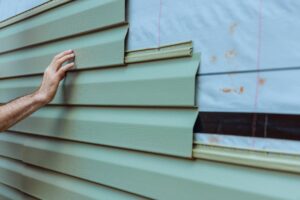
Clapboard siding traces its roots back to colonial America, where settlers needed an efficient way to protect wooden structures from harsh weather. The design they developed remains remarkably effective today. Each board is installed horizontally with the bottom edge thicker than the top, creating a beveled profile. The upper board overlaps the lower one by several inches, forming natural channels that direct rainwater downward and away from the wall.
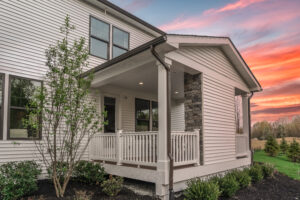
This overlapping technique creates more than just weather protection. As each board sits slightly forward of the one below, it casts a subtle shadow line that adds depth and dimension to your home’s exterior. Traditional clapboard was always wood, typically cedar or pine, and you’ll still find these materials on historic homes throughout New England and the Mid-Atlantic states.
Today, clapboard remains a favorite for traditional and historic homes. While wood is the classic choice, modern homes typically use fiber cement or vinyl clapboard for better durability and lower maintenance.
Key characteristics of clapboard siding:
- Overlapping horizontal boards create soft shadows and texture.
- Naturally sheds water to protect walls beneath.
- Available in wood, vinyl, or fiber cement.
- Typically nailed at the top edge for a tight fit.
- Ideal for traditional or historic homes such as Colonial, Cape Cod, and Craftsman styles.
Actual costs depend on your location, project scope, and materials. The best way to know what you'll pay is to get quotes from local contractors.
Get Your Free Estimate →What Is Shiplap Siding?
Shiplap siding has a distinct construction that sets it apart. Each board has a rabbet joint, or groove, cut into its edge so the boards interlock tightly when installed. This creates a clean, flush surface with straight lines running across the home’s exterior.
Originally used for barns and sheds because of its snug fit, shiplap has become a favorite for both modern and rustic homes. It can also be used indoors for decorative walls and ceilings.
Shiplap siding features:
- Interlocking rabbet joints for seamless installation.
- Can be installed horizontally or vertically.
- Often used for modern farmhouse or coastal designs.
- Available in wood, engineered wood, and fiber cement.
- Creates a smooth, consistent look with minimal gaps.
Clapboard vs Shiplap: Comparison
Before choosing between these two styles, it helps to see their main differences side by side. The following table summarizes how each siding type compares across key features.
| Feature | Clapboard | Shiplap |
| Appearance | Overlapping horizontal boards with visible shadow lines | Interlocking joints with smooth, uniform seams |
| Water Resistance | Excellent runoff design that directs water away | Tight fit that depends on sealants and flashing |
| Installation | Nailed at the top edge with overlapping pattern | Boards lock together for a flush, even finish |
| Cost Range | Moderate to high depending on material | Moderate with slightly faster installation |
| Best For | Traditional and historic homes | Modern, farmhouse, and coastal homes |
Both siding styles are attractive and durable, but their appearance and installation methods create very different visual effects.
"We matched with a great contractor the same day. The whole process was easy and completely free."
Durability and Weather Performance
Durability depends on how each siding type handles moisture, temperature changes, and exposure to the elements.
Clapboard performs best in rainy or coastal climates. Its overlapping design naturally channels water downward, helping prevent leaks and wood rot. This makes it a smart choice for areas that experience heavy rainfall or high humidity.
Shiplap, while snugly fitted, relies on precise sealing and flashing to stay watertight. In windy or wet conditions, improper installation can allow water to seep through the seams. It performs best in dry or mild regions where its smooth surface remains stable and low-maintenance.
Both siding types are sturdy when installed correctly, but clapboard has an edge in harsh or wet weather due to its layered design.
Maintenance and Longevity
Every siding material needs upkeep to maintain its look and performance. The level of maintenance depends on whether you choose wood, fiber cement, or vinyl.
Clapboard maintenance:
- Repaint or stain every 5 to 10 years for wood siding.
- Inspect overlapping boards for cracks or gaps.
- Caulk joints as needed to maintain water resistance.
- Wash periodically to remove dirt and mildew.
Shiplap maintenance:
- Check joints and sealant lines annually.
- Repaint or refinish wood surfaces every 5 to 7 years.
- Keep seams clean and dry to prevent trapped moisture.
- Re-seal if water begins to collect around joints.
Fiber cement and vinyl options for either style can last 30 to 50 years with minimal care, while natural wood siding typically requires more regular attention.
Aesthetic and Design Versatility
Homeowners often choose siding based on how it complements their home’s architecture. Both clapboard and shiplap have distinct appearances that suit different looks.
Why Hire a Licensed Professional
- Licensed & insured — protects you from liability
- Warranty coverage — manufacturers require pro installation
- Code compliance — avoids permit issues
- Faster completion — pros finish in days, not weeks
Clapboard for Classic Architecture
Clapboard’s overlapping boards create visible shadows that add depth and warmth. This traditional profile is perfect for homes with symmetrical facades and historic details such as crown moldings and shutters. It fits seamlessly with Colonial, Cape Cod, and Craftsman designs, offering a timeless charm that feels familiar and inviting.
DIY vs. Professional: At a Glance
Shiplap for Modern Appeal
Shiplap’s clean, even lines provide a more streamlined aesthetic. It pairs beautifully with modern farmhouse, coastal, and minimalist homes where simplicity and uniformity are key. Because the boards fit tightly, shiplap produces a flat, consistent surface that highlights geometry and color rather than texture.
Both options can be painted or stained in a wide range of tones, allowing you to match your home’s architectural character.
Cost Considerations and Installation Complexity
Budget and installation time are often deciding factors for homeowners choosing new siding. Costs can vary by region and material type, but this table offers a general comparison.
| Siding Type | Average Installed Cost (per sq. ft.) | Installation Details |
| Clapboard | $6–$12 | Requires careful overlapping and precise alignment |
| Shiplap | $5–$10 | Easier to align thanks to interlocking joints |
Clapboard installation takes slightly longer because each board must overlap at a consistent angle. Shiplap’s interlocking design simplifies alignment, which can reduce labor time.
If your home’s sheathing or framing is uneven, clapboard can hide imperfections better than shiplap, which requires a smooth surface for tight seams.
Spring and summer are the busiest seasons for home improvement projects — top-rated contractors book up fast. Lock in your estimate now before demand peaks.
Check Availability in Your Area →Environmental and Material Factors
The sustainability and performance of either siding type depend heavily on the material you select.
- Wood is the traditional choice for both styles and provides natural insulation and beauty. However, it requires consistent maintenance to prevent decay.
- Fiber cement offers a long-lasting, eco-friendly alternative that resists fire, moisture, and insects while replicating the appearance of wood.
- Vinyl remains the most affordable option and requires very little maintenance, though it is less sustainable and may fade under direct sunlight over time.
- Engineered wood blends real wood fibers with synthetic resins to create strong, moisture-resistant boards that retain a natural look without heavy upkeep.
Each of these materials can mimic either clapboard or shiplap profiles, allowing homeowners to achieve their desired look with the level of durability they need.
Ready to Move Forward?
Tell us about your project and get matched with up to 3 pre-screened contractors. Compare quotes, check reviews, and hire with confidence.
Choosing Between Clapboard and Shiplap
The initial cost of clapboard and shiplap is similar when comparing the same material. However, the lifetime cost can differ dramatically. While wood siding may have a lower upfront cost, the expenses associated with regular maintenance can add up over time. Low-maintenance materials like fiber cement and vinyl often represent a better long-term value, offsetting a potentially higher initial cost with lower upkeep expenses.
How to Choose the Right Siding for Your Home
When making your decision, consider the following questions:
- Budget: How much are you willing to spend upfront, and what are your long-term maintenance expectations?
- Style: Does your home’s architecture lend itself more to a classic, rustic clapboard or a clean, modern shiplap look?
- Maintenance: Are you comfortable with the regular upkeep required for natural wood, or do you prefer a low-maintenance material like vinyl or fiber cement?
- Climate: Does your region experience harsh weather? A durable, weather-resistant material should be a top priority.
Choose clapboard if you:
- Prefer a traditional look with subtle shadow lines.
- Live in a rainy or humid area.
- Want proven water runoff performance.
- Own a historic or classic-style home.
Choose shiplap if you:
- Want a sleek, uniform exterior.
- Live in a dry or moderate climate.
- Like modern, coastal, or farmhouse designs.
- Prefer quicker installation with clean lines.
Both can be excellent long-term investments when made from durable materials and installed by a professional siding contractor.
Conclusion
Deciding between clapboard and shiplap siding comes down to finding the right balance between appearance and practicality. Clapboard delivers a classic, textured look that suits traditional and historic homes, while shiplap offers a sleek, modern style that works well across many architectural designs. The best option depends on your priorities for design, budget, and maintenance.
Siding is a significant investment, and partnering with a qualified installer is the best way to ensure it performs as intended. A knowledgeable contractor can assess your home’s structure, suggest materials suited to your climate, and provide a detailed, accurate estimate. With professional installation, you’ll achieve the appearance you want while keeping your home strong, weather-resistant, and low-maintenance for years to come.
Ready to choose the right siding for your home? Get a free quote from local siding contractors today.
Connect with top-rated local contractors who can help you with siding, roofing, HVAC, windows, and more. Get free quotes from verified professionals in your area today.