

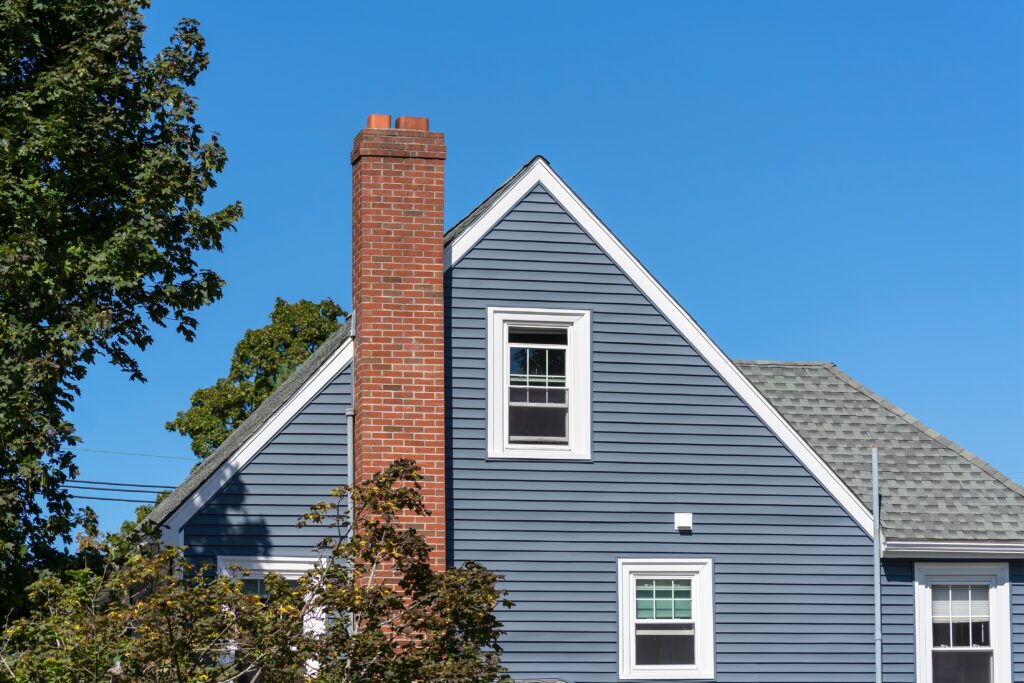
Choosing new siding is one of the most practical ways to update your home’s exterior. It affects how your home looks, how it performs in different weather conditions, and how well it retains value over time. The right siding can improve insulation, reduce maintenance needs, and create a consistent appearance that fits your home’s style.
Each decision, from layout and profile to material, influences the result. Horizontal siding offers a familiar, traditional appearance, while vertical panels can make a home seem taller and more contemporary. Decorative styles such as shingles or scallops introduce texture and subtle detail.
By understanding how each siding option performs and looks, you can choose one that aligns with your goals for durability, maintenance, and cost while complementing your home’s architecture and local climate.
Horizontal Siding: Traditional and Timeless
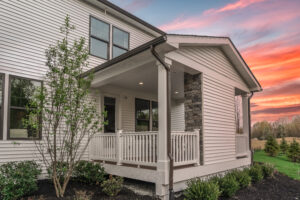
Horizontal siding is the most common and classic style found on American homes. With panels installed parallel to the ground, this layout gives a home a sense of stability and traditional charm. The most popular horizontal profiles overlap to shed water and create distinct shadow lines.
Common Profiles
- Clapboard or Lap Siding: This classic look features long, tapered boards that overlap one another.
- Dutch Lap: A variation of lap siding, Dutch lap panels have a decorative, beveled curve at the top.
- Shiplap: Shiplap boards fit snugly together with a rabbet joint, creating a uniform, tight surface with a crisp shadow line.
Horizontal Siding Pros and Cons
| Pros | Cons |
| Traditional Appeal: Provides a classic, familiar look that suits most architectural styles. | Higher Maintenance: Overlapping seams can collect dirt and moisture, requiring more thorough cleaning. |
| Affordability: Generally more budget-friendly due to simpler installation and higher availability. | Less Water Drainage: Less efficient at shedding water compared to vertical siding, especially during heavy, wind-driven rain. |
| Easy Installation: Most contractors have extensive experience installing horizontal siding, leading to lower labor costs. | Moisture Trapping: Can be susceptible to moisture seepage where panels meet, potentially leading to mold or rot if not installed correctly. |
Actual costs depend on your location, project scope, and materials. The best way to know what you'll pay is to get quotes from local contractors.
Get Your Free Estimate →Vertical Siding: Modern and Distinctive
Vertical siding is installed with the panels running straight up and down, offering a clean, contemporary aesthetic. This orientation draws the eye upward, making a home appear taller and more streamlined. It is a popular choice for modern, minimalist, and farmhouse-inspired designs.
"We matched with a great contractor the same day. The whole process was easy and completely free."
Common Profiles
- Board-and-Batten: This iconic style features wide vertical boards with thin strips, called battens, covering the seams.
- Vertical Panels: Large, smooth or grooved panels that create a uniform surface and a sleek look.
- Tongue and Groove: Boards interlock with a tongue and groove for a tight, flush fit.
Vertical Siding Pros and Cons
| Pros | Cons |
| Improved Water Shedding: Channels water straight down, reducing the risk of moisture getting trapped behind boards. | Higher Cost: Generally more expensive due to specialized labor and the need for extra materials like furring strips. |
| Lower Maintenance: Tends to stay cleaner as dirt and debris wash away easily with rainfall. | Complex Installation: Requires more prep work and skill to install properly, which can increase labor time and cost. |
| Unique Look: Creates a bold, distinctive exterior that sets a home apart from traditional styles. | Marketability: Its unconventional look may not appeal to all potential buyers. |
Diagonal and Shingle Siding
For homeowners looking to add unique visual interest, diagonal and shingle siding offer creative alternatives to standard horizontal and vertical layouts.
- Diagonal Siding: Installing siding panels on a diagonal angle creates a dynamic, textured look that adds visual movement to a facade. It is often used for gables, accent walls, or to highlight unique architectural details. While it offers great variety, diagonal siding is more complex and labor-intensive to install.
- Shingle Siding: Shingles, also known as shakes, create a dimensional, textured appearance reminiscent of seaside cottages or historic homes. They are available in natural wood or low-maintenance fiber cement and come in a variety of styles, from straight-edged to staggered. Shingles are commonly used for accentuating gables, dormers, or the upper stories of a house.
Why Hire a Licensed Professional
- Licensed & insured — protects you from liability
- Warranty coverage — manufacturers require pro installation
- Code compliance — avoids permit issues
- Faster completion — pros finish in days, not weeks
Mixing Siding Styles
To achieve a truly custom and visually balanced exterior, many homeowners combine different siding styles. This approach adds contrast, texture, and character, making your home stand out in the neighborhood.
- Combine Direction and Texture: A classic combination features horizontal lap siding on the main body of the house with vertical board-and-batten on gables or dormers. You can also use shakes or stone veneer for accents around the entryway or chimney.
- Define Architectural Features: Use a contrasting siding style to highlight specific architectural elements. For example, a modern home might use a section of sleek vertical metal panels to break up horizontal fiber cement siding, while a coastal cottage might pair white lap siding with cedar shakes.
- Create Focal Points: By mixing materials and styles, you can strategically draw attention to a home’s most appealing features. For instance, using a more expensive material like stone veneer on the lower front facade or around the entryway is a cost-effective way to get a high-end look.
Material Considerations Across Styles
The type of material you choose for your siding has a major impact on its performance, maintenance, and overall aesthetic. Most major siding materials can be used for either horizontal or vertical installation.
- Vinyl: An affordable, low-maintenance, and versatile option available in many colors and textures. It works well for both horizontal and vertical layouts.
- Fiber Cement: Extremely durable, fire-resistant, and low-maintenance. It can beautifully mimic the look of wood, brick, or stucco and performs well in both orientations.
- Engineered Wood: A durable, composite material that offers the classic look of wood with enhanced resistance to moisture and insects. It is also versatile for horizontal or vertical applications.
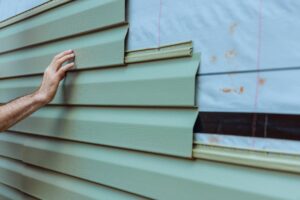
- Metal (Aluminum and Steel): A modern, industrial option known for durability and recyclability. Metal panels can be installed horizontally or vertically, though vertical installation often enhances water drainage.
DIY vs. Professional: At a Glance
Material Pros and Cons Comparison
| Material | Pros | Cons |
| Vinyl | Affordable, low maintenance, many color options. | Can crack in extreme weather, limited texture variation. |
| Fiber Cement | Durable, weather-resistant, mimics other materials well. | Heavier, more complex installation, higher cost than vinyl. |
| Engineered Wood | Natural wood aesthetic, durable, resists warping. | Less eco-friendly than natural wood, may require repainting. |
| Metal | Durable, fire-resistant, recyclable, low maintenance. | Prone to denting, can be noisy, may rust in humid climates. |
Cost and Installation Factors
The total cost of your siding project depends on the materials you select, the complexity of the installation, and local labor rates.
- Material and Style: As mentioned, vertical siding tends to be slightly more expensive per square foot than horizontal due to extra materials and labor. More decorative styles like diagonal or shingle accents will also increase costs due to the intricacy of the work.
- Labor Costs: Installation typically represents a significant portion of the total project budget. The average labor cost can range from $1.50 to $4 per square foot, with regional variations. Complex styles or multi-story homes with difficult access will increase labor time and costs.
- Key Installation Details: For a long-lasting and effective siding job, proper flashing and a weather-resistant barrier are non-negotiable. This extra layer of protection behind the siding is crucial for preventing moisture damage. While DIY installation can save money, a professional contractor ensures a correct and warrantied installation.
Spring and summer are the busiest seasons for home improvement projects — top-rated contractors book up fast. Lock in your estimate now before demand peaks.
Check Availability in Your Area →Choosing the Right Siding Style for Your Home
Selecting the perfect siding style involves considering your home’s architecture, local climate, and personal preferences. Each factor plays a crucial role in ensuring the final result is both stunning and durable. By carefully evaluating these aspects, you can choose a siding that not only enhances your home’s curb appeal but also provides reliable protection for years to come.
Matching Siding to Your Home’s Architectural Style
Your home’s unique architectural identity provides a solid starting point for selecting a complementary siding style. The right choice will enhance, rather than clash with, the existing character of your home.
For Traditional Homes (Colonial, Craftsman, Ranch)
For classic architectural styles, traditional horizontal lap siding remains a popular and timeless choice. Its clean, simple lines offer a sense of stability that perfectly complements these designs. Consider a wider lap profile on a Colonial home for a rich, established look, or a narrower profile on a ranch for a more subtle finish.
To add character and visual depth, incorporate accents like wood or fiber cement shingles on gables or dormers. For a Craftsman home, mixing horizontal lap siding with shingle accents helps emphasize the intricate, handcrafted details that define the style.
For Modern and Contemporary Homes
Modern architecture, with its focus on clean lines and geometric shapes, often benefits from vertical siding. Styles like board-and-batten or sleek metal panels can emphasize a home’s height and create a streamlined, contemporary aesthetic.
Using bold, balanced color palettes such as crisp whites, charcoal grays, or rich blues can further enhance this modern feel. For a truly custom look, consider mixing siding orientations, such as vertical panels on the main body of the house with a section of horizontal lap siding to add contrast.
Ready to Move Forward?
Tell us about your project and get matched with up to 3 pre-screened contractors. Compare quotes, check reviews, and hire with confidence.
Considering Your Local Climate
The climate in your region is a critical factor in determining which siding materials and styles will perform best. What works well in a dry, hot climate may not be ideal for a damp, humid one.
Rainy or Humid Climates
If your home is located in an area with heavy rainfall or high humidity, vertical siding can be a practical choice. Its up-and-down orientation allows water to run off more efficiently, preventing it from getting trapped behind panels and causing moisture damage.
Materials like fiber cement and vinyl are also excellent options, as they are specifically designed to resist moisture, rot, and mold growth.
Wildfire-Prone Regions
For homes in areas at high risk for wildfires, fire-resistant siding is a wise, and often required, investment.
Materials like fiber cement and stucco are non-combustible and offer excellent fire protection. Some brands of fiber cement are even specifically manufactured to meet Wildland-Urban Interface (WUI) standards for enhanced fire safety.
Areas with Extreme Temperatures
In climates with wide temperature swings, durable materials that can withstand repeated expansion and contraction are key. Fiber cement and engineered wood are resistant to warping and cracking that can result from extreme heat or cold.
For regions with intense sun exposure, choosing lighter-colored siding materials, such as vinyl, can help reflect heat and prevent color fading.
Aligning with Your Maintenance Preferences
Your desired level of maintenance should be a major consideration when choosing siding. From high-maintenance natural materials to virtually upkeep-free synthetic options, there is a wide spectrum of choices.
For Minimal Upkeep
If you prefer to spend less time and money on upkeep, low-maintenance options are your best bet. Vinyl siding is an affordable choice that requires little more than an occasional wash with soap and water.
Fiber cement is another durable, low-maintenance option that is highly resistant to rot, pests, and moisture. While it may require repainting every 10–15 years, it generally holds color longer than traditional wood siding.
Natural Materials
For homeowners who love the warmth and natural beauty of wood, be prepared for regular maintenance.
Wood siding, such as cedar or pine, offers classic charm but needs to be regularly stained, painted, and sealed to protect it from moisture and pests. If this sounds like too much work, engineered wood siding is a more durable, low-maintenance alternative that still provides the aesthetic of natural wood.
Conclusion
The style of your home’s siding plays a major role in its protection, appearance, and long-term value. Understanding the differences between horizontal, vertical, and specialty siding options helps you choose a design that aligns with both your vision and your home’s needs. Take time to compare how each style affects curb appeal, performance, and maintenance requirements while keeping your budget and local climate in mind.
Once you have a clear idea of your preferences, reach out to a trusted local siding contractor. They can guide you through material selections, show you visual renderings of design options, and provide accurate cost estimates for your project. With thoughtful planning and professional insight, you can choose a siding style that enhances your home’s character and provides lasting protection for years to come.
Thinking about updating your home’s exterior? Compare siding styles and get a free siding installation quote today.
Connect with top-rated local contractors who can help you with siding, roofing, HVAC, windows, and more. Get free quotes from verified professionals in your area today.