
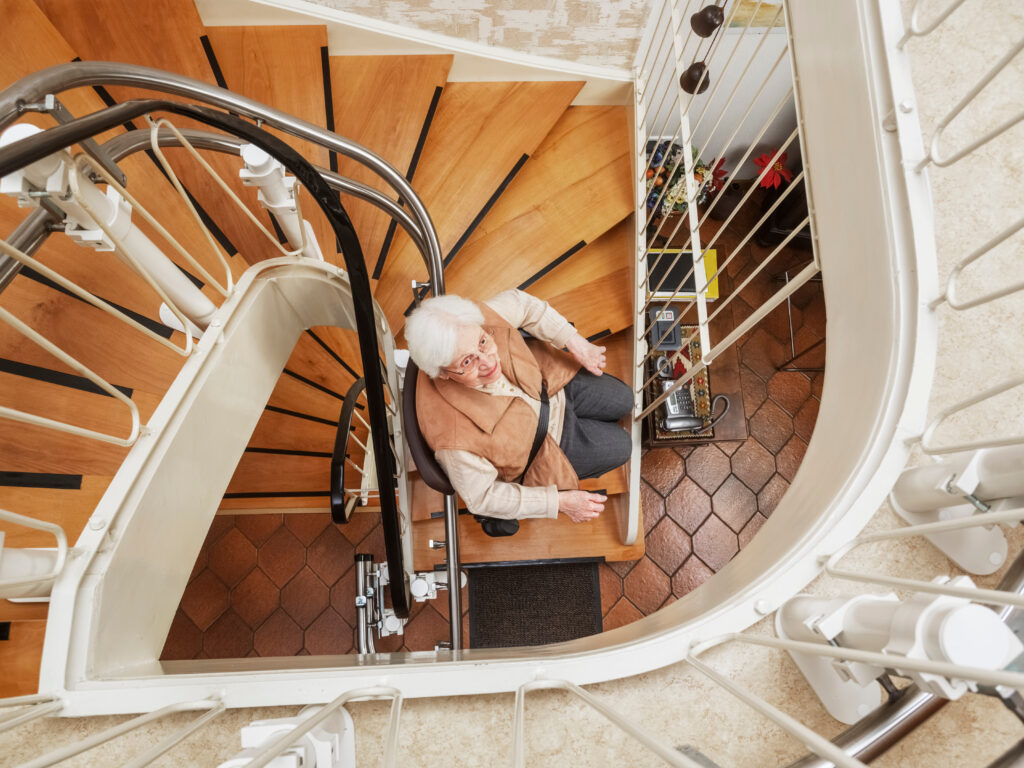
Stairlifts make everyday life a whole lot easier when stairs start feeling like an obstacle course. Once yours is installed, it’s pretty tempting to just hop on, ride up and down, and never give it another thought. Still, a little routine care keeps things safe, comfortable, and running like new.
You don’t need to be an engineer to take care of your stairlift. A few quick check-ins and simple cleaning habits can help you avoid breakdowns and those surprise repair bills. Let’s walk through the easy maintenance steps that keep your ride smooth every time you press “go.”
Know Your Stairlift System
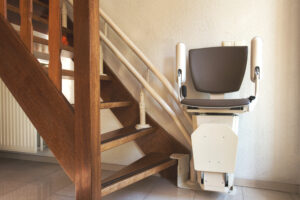
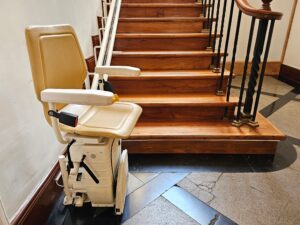
Before you jump into maintenance mode, it’s helpful to know what’s actually working behind the scenes to carry you up and down the stairs every day. Most stairlifts have a few key parts you’ll want to be familiar with. There’s the track that guides the lift smoothly along your staircase, the seat where all the comfort happens, the motor that does the heavy lifting, and the battery that keeps everything running even if the power goes out. Once you know which part does what, it’s a lot easier to spot when something seems off.
Your stairlift probably came with a manufacturer’s manual that outlines a recommended maintenance schedule. It might not be the most thrilling read on your nightstand, but it’s packed with helpful nuggets like how often to lubricate the track or when to call in a pro for a tune-up. A quick skim now can save you headaches later.
It’s also a smart move to check what’s included under your warranty. Some components might be covered for several years, while others may require regular professional service to keep that coverage valid. Knowing where your responsibility starts ensures you’re caring for your stairlift the right way and protecting your investment at the same time.
Daily and Weekly Maintenance Tips
Regular attention can keep your stairlift running smoothly. These quick check-ins only take a few minutes but go a long way toward preventing bigger problems.
Keep the Track Clear
Your stairlift needs a clean, open path to glide smoothly. Dust, pet hair, and the occasional runaway sock can build up faster than you think. Give the track a simple wipe-down and make sure nothing is blocking the way. Also, try not to let bags, boxes, or laundry pile up on the stairs. Even small objects can cause your lift to slow, jerk, or stop entirely.
Check for Strange Noises or Jerking
You know how your stairlift usually sounds and feels. If it suddenly starts making a weird buzzing, grinding, or clicking noise, that’s its way of signaling that something is off. Same goes for any rough or jerky movement. These small changes are often the earliest hints that a part needs attention. Catching them early can keep a minor issue from turning into an expensive repair.
Regular Visual Safety Checks
Just a quick once-over is enough. Make sure the seat swivels like it should, the armrests lock securely, the footrest folds properly, and the safety belt clicks in place without a struggle. If anything feels loose or off, pause the rides and figure out what needs attention. A tiny adjustment today helps ensure every ride stays safe.
These easy routines don’t take long, but they’ll help your stairlift stay in great shape for everyday use.
Monthly and Seasonal Care
Beyond quick weekly check-ins, a little monthly and seasonal maintenance keeps your stairlift operating smoothly all year long. These tasks help your system stay reliable, especially during times when it’s working harder, like cold winters or busy family seasons.
Battery Maintenance
Keeping the unit parked at its charging station when not in use ensures the battery stays healthy and ready for action. If the electricity does go out, don’t panic. Most stairlifts are built to handle several trips on battery power alone, so you won’t be stuck halfway up the stairs.
Batteries usually last a few years before they need replacing, depending on usage and charging habits. If you notice the lift moves slower than usual or doesn’t hold a charge well, that’s a sign the battery might be nearing retirement age.
Clean Without Damaging Components
A clean stairlift not only looks nicer but runs better too. Wipe down the seat, armrests, and controls with a soft cloth and mild cleaner. Skip anything too harsh or soapy because chemicals can damage electrical parts or make surfaces slippery.
One big rule: avoid spraying cleaners directly on buttons or electronics and definitely avoid greasing parts that shouldn’t be greased. Many stairlifts use toothed racks that can actually jam if lubricated improperly. When in doubt, stick to the cleaning instructions in your manual.
Lubrication Where Recommended
Certain moving parts might need a bit of approved lubricant now and then to keep things gliding smoothly. Check your manufacturer’s guidance for which areas need attention and what product to use.
If you hear squeaking, grinding, or feel friction when the chair moves along the track, that’s your cue that something needs attention. Addressing it early keeps wear and tear from turning into a bigger fix.
Troubleshooting Common Issues
Even the most well-cared-for stairlift can occasionally throw you a curveball. The good news is that many common hiccups are easy to diagnose and fix without grabbing a toolbox or calling in help.
Beeping is usually the stairlift’s way of asking for attention. It might not be fully docked on the charging station or the battery could be running low. Make sure it’s parked correctly at the top or bottom landing and give it a moment to recharge. Slow movement might point to the same issue or simply mean it’s time to replace an aging battery.
If the stairlift won’t power on at all, check the obvious first. Is the key inserted and turned on? Has the power switch been bumped off? Is there a tripped breaker nearby? Sometimes the simplest answer is the right one. Remote not working? Try fresh batteries or make sure nothing is blocking the receiver.
There’s a line between “quick fix” and “okay, time to call in the pros.” If you notice repeated error signals, grinding noises, alignment problems, or anything that feels unsafe, stop using the lift and reach out to a technician. They can get to the root of the issue and make sure your lift stays in top-notch shape. Troubleshooting what you can saves time and stress, but knowing when to call for backup is just as important.
Schedule Professional Inspections
Even if you’re a maintenance superstar at home, your stairlift still deserves a little professional pampering now and then. Most manufacturers recommend scheduling a full inspection once a year. It’s like a yearly checkup for your lift, making sure everything behind the scenes is working exactly the way it should.
A trained technician can spot things you’d never notice during a quick wipe-down or visual check. They’ll look closely at the motor, internal wiring, track alignment, battery health, and all the safety features to confirm it’s running at full strength. They also have specialized tools to test performance and catch early signs of wear you wouldn’t see until it becomes a bigger problem.
Service visit costs can vary, but a routine tune-up is usually pretty reasonable—especially compared to paying for a major repair later. It’s a small investment that can add years to your stairlift’s lifespan.
Professional maintenance often plays a role in keeping your warranty valid. Many warranties require scheduled service to stay active, so sticking to the recommended timeline helps protect both your equipment and your wallet.
Stairlift Safety Best Practices
Stairlifts are built with safety in mind, but a few simple habits help keep everything running securely day after day.
First off, keep kids and pets at a safe distance when the lift is in motion. Little ones are curious by nature, and dogs love to be underfoot. Making sure they stay out of the “stairlift zone” prevents accidental bumps or paws getting in the way.
Weight limits may not be the most thrilling detail in the manual, but they’re important. Exceeding that limit can strain the motor and wear down mechanical parts faster than you’d expect. If you ever need to transport a heavier item, like a piece of medical equipment or a big stack of boxes, it’s better to carry those separately or ask for help.
Finally, resist the urge to play repair technician when something gets glitchy. Anything involving wiring, sensors, or track alignment is best left to the professionals. A DIY fix can easily make the issue worse or compromise safety features you rely on every day.
When It’s Time to Upgrade
Even the most reliable stairlift won’t last forever. Over time, you might start noticing little hints that your system is getting tired. Maybe it moves slower than it used to, makes more noise, or needs repairs more often. If finding replacement parts turns into a treasure hunt or the lift doesn’t feel as safe as before, those are all signs it may be ready to retire.
Upgrading isn’t just about fixing problems. Newer stairlift models come with all kinds of perks that make daily life a bit easier. Today’s systems are designed to be quieter, smoother, and more comfortable, with better padding, smarter controls, and improved battery technology. Many even include advanced safety sensors, swivel seats that lock automatically, and faster charging that keeps everything ready to roll.
If your stairlift is becoming more frustrating than helpful, or you’re leaning on it more as mobility needs change, a new model can give you a big boost in confidence and convenience. Think of it as leveling up your independence with features built for the way you live now.
Conclusion
A stairlift is one of those upgrades that can truly change everyday life for the better, so keeping it running smoothly is definitely worth the tiny bit of effort. With regular cleaning, quick check-ins, and the occasional professional tune-up, you’ll enjoy a reliable, safe, and comfortable ride.
If your stairlift could use a little expert attention or you’re thinking it might be time for an upgrade, help is just a click away. Get free quotes from trusted stairlift technicians near you and keep every trip up and down the stairs as smooth as day one.

Anna has over six years of experience in the home services and journalism industries and serves as the Content Manager at MyHomePros.com, specializing in making complex home improvement topics like HVAC, roofing, and plumbing accessible to all. With a bachelor’s degree in journalism from Auburn University, she excels in crafting localized, comprehensive guides that cater to homeowners’ unique needs. Living on both coasts of the United States has equipped her with a distinctive perspective, fueling her passion for turning any house into a cherished home through informed, personalized decision-making.
Connect with top-rated local contractors who can help you with siding, roofing, HVAC, windows, and more. Get free quotes from verified professionals in your area today.