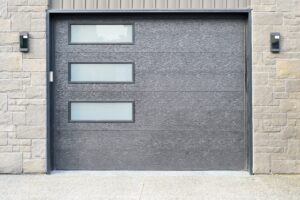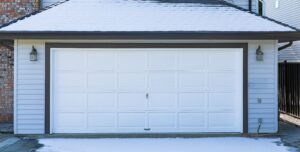


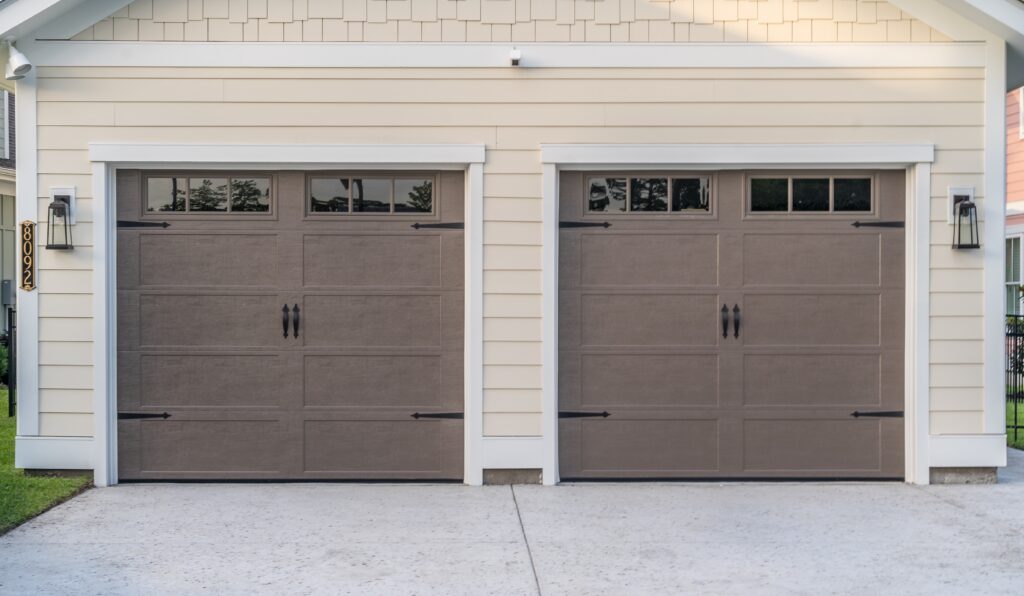
Insulated garage doors typically cost between $800 and $4,000 installed, depending on the insulation type, R-value, door material, and size. A standard 16×7-foot insulated garage door with moderate R-value runs $1,200 to $2,500 including professional installation, while high-performance models with R-18 or higher can reach $3,000 to $4,000. The exact price depends on the insulation material (polystyrene or polyurethane), the door construction (steel, aluminum, or composite), and whether you’re replacing an existing door or installing one for the first time.
This guide breaks down what you’ll actually pay for an insulated garage door in 2025, including materials, labor, and the hidden costs most homeowners don’t anticipate. You’ll learn how different insulation types affect both upfront costs and long-term energy savings, what R-values mean in practical terms, and whether the upgrade from a non-insulated door justifies the price difference.
Average Insulated Garage Door Cost Breakdown
The total cost of an insulated garage door installation includes several components beyond just the door itself. Understanding this breakdown helps you budget accurately and identify where you might save money without compromising quality.
| Door Size | Cost Range (Installed) | Typical Use |
|---|---|---|
| 8×7 ft (single car) | $800–$1,800 | Single-car garage |
| 9×7 ft (single car) | $900–$2,000 | Wider single-car garage |
| 16×7 ft (double car) | $1,200–$3,500 | Standard two-car garage |
| 18×7 ft (double car) | $1,500–$4,000 | Wider two-car garage |
Custom sizes, specialty finishes, or doors with windows add 20% to 50% to these base prices.
Material Costs
Material costs for the door itself range from $400 to $2,500, depending on construction quality and insulation type. Steel doors with polystyrene insulation start around $400 to $600, while steel doors with polyurethane foam insulation cost $700 to $1,500. Premium composite or wood-look doors with high R-values can reach $2,000 to $2,500 for the door alone.
Labor and Installation
Professional installation typically adds $200 to $500, though this can climb to $800 or more for complex installations requiring structural modifications, removal of old doors, or electrical work for new opener systems. Most professional installers can complete a straightforward replacement in 3 to 5 hours.
Additional Cost Components
Additional costs you should budget for include garage door opener installation or replacement ($150 to $500 if needed), disposal of your old door ($50 to $150), and any necessary repairs to the door frame or header ($100 to $400). Some projects also require building permits, which typically cost $50 to $150 depending on your location.
Insulated Garage Door Cost by R-Value
The R-value measures how well the door resists heat transfer, with higher numbers indicating better insulation. This rating directly affects both the purchase price and your energy costs over time.
Understanding R-Values: R-value ratings for garage doors typically range from R-6 to R-18.4. Each increase in R-value represents better insulation performance, but the energy savings benefit diminishes as you move up the scale. The jump from R-0 (non-insulated) to R-9 provides more noticeable energy savings than the jump from R-13 to R-18.
Entry-Level Insulation (R-6 to R-9)
Doors with R-values between R-6 and R-9 represent the entry level for insulated garage doors and cost $600 to $1,200 installed. These typically use polystyrene foam panels inserted between layers of steel. You’ll see energy savings compared to non-insulated doors, particularly if your garage shares a wall with living space or sits beneath a bedroom, but the insulation performance remains modest. These doors work well in moderate climates where extreme temperatures aren’t common.
Actual costs depend on your location, project scope, and materials. The best way to know what you'll pay is to get quotes from local contractors.
Get Your Free Estimate →Mid-Range Insulation (R-10 to R-13)
Mid-range options with R-values from R-10 to R-13 cost $1,200 to $2,200 installed and use either thicker polystyrene or entry-level polyurethane foam. This range offers the best balance of cost and performance for most homeowners. The improved insulation noticeably reduces temperature transfer, making attached garages more comfortable and lowering heating or cooling costs if you use your garage as a workspace. You’ll also notice better sound dampening compared to lower R-value doors.
High-Performance Insulation (R-16 to R-18.4)
High-performance doors rated R-16 to R-18.4 run $2,000 to $3,500 installed and feature polyurethane foam injected between steel or composite panels. These doors provide excellent thermal protection and work particularly well in cold climates or for temperature-controlled garage spaces. The superior construction also makes these doors quieter during operation and more resistant to denting. While the upfront cost is higher, homeowners in extreme climates often recover the difference through reduced energy bills within 5 to 8 years.
Premium Insulation (R-18+)
Premium models exceeding R-18 can cost $3,000 to $4,000 or more installed. These typically combine multiple insulation layers, thermal breaks in the door sections, and weatherstripping systems that create near-airtight seals. Unless you’ve converted your garage into living space or workshop space that requires climate control year-round, you’re unlikely to see enough energy savings to justify this investment level.
"We matched with a great contractor the same day. The whole process was easy and completely free."
Cost by Insulation Material Type
The insulation material itself significantly impacts both the door’s price and its performance characteristics. Understanding the differences helps you choose the right material for your situation rather than just picking the cheapest option.
Polystyrene Insulation
Polystyrene insulation consists of foam panels cut to fit between the door’s steel layers. Doors with polystyrene cost $600 to $1,400 installed for standard sizes. This material costs less than polyurethane, but the panels don’t fill every gap, leaving small air pockets that slightly reduce insulation efficiency. The R-values typically range from R-6 to R-10. Polystyrene works well if you live in a moderate climate and primarily want noise reduction rather than maximum thermal protection. The material is also lighter, which puts less strain on opener systems and may extend their lifespan.
Polyurethane Insulation
Polyurethane insulation involves injecting expanding foam between the door panels, which then hardens into a solid layer with no air gaps. This method costs $900 to $2,500 installed because the manufacturing process is more complex and the material itself costs more than polystyrene. The foam completely fills the cavity, creating better thermal protection and structural rigidity. Polyurethane doors achieve R-values from R-12 to R-18.4, making them the better choice for cold climates or when the garage shares walls with living spaces. The foam also bonds to both steel layers, making the door more resistant to denting and providing better sound dampening.
Major manufacturers like Clopay, Amarr, and CHI Overhead Doors offer both polystyrene and polyurethane options across their product lines, with polyurethane typically featured in their premium and performance-oriented models.
Hybrid Systems
Some manufacturers offer hybrid systems that combine both materials, using polyurethane in the door sections and polystyrene in the top panel. These cost $1,200 to $2,000 installed and provide a middle ground between the two approaches, though they’re less common and may offer limited style options.
Factors That Affect Insulated Garage Door Cost
Several variables beyond R-value and insulation type can significantly change what you’ll pay for your new door. Understanding these factors helps you make informed decisions about where to invest and where to economize.
Door Size and Dimensions
Door size is the most obvious cost factor. Single-car doors (8×7 or 9×7 feet) cost 30% to 40% less than standard double-car doors (16×7 feet). Unusual sizes requiring custom manufacturing add 25% to 50% to the base price. If you’re building new construction, sticking with standard sizes saves money without sacrificing functionality.
Door Material and Construction
Door material beyond the insulation affects both appearance and durability:
- Steel doors: $700–$2,000 installed. Most affordable option with good insulation performance when properly foam-filled.
- Aluminum doors: $1,200–$2,500 installed. Work well in coastal areas where steel might corrode, though aluminum dents more easily.
- Composite materials: $2,000–$3,500 installed. Mimic wood grain, combine good insulation with attractive appearance and minimal maintenance.
- Real wood doors: $2,500–$5,000+ installed. Premium appearance but require regular maintenance to prevent warping.
Windows and Glass Options
Windows add $200 to $800 depending on the number, size, and glass type. Single-pane windows cost less but compromise insulation performance. Double-pane or insulated glass windows maintain better thermal protection and reduce condensation, though they increase the total door cost by 15% to 25%. If you want natural light but don’t want to sacrifice insulation, consider placing windows only in the top panels.
Why Hire a Licensed Professional
- Licensed & insured — protects you from liability
- Warranty coverage — manufacturers require pro installation
- Code compliance — avoids permit issues
- Faster completion — pros finish in days, not weeks
Regional Labor Rates
Regional labor rates create substantial price variations across the country. Installation in major metro areas like New York, San Francisco, or Seattle typically costs 30% to 50% more than in smaller cities or rural areas. The national average for professional installation runs $250 to $400, but you might pay $400 to $600 in high-cost markets. The complexity of your specific installation also matters, particularly if installers need to modify the opening, install new tracks, or reconfigure the opener system.
Home Age and Structural Conditions
Your home’s age and construction can add unexpected costs. Older homes sometimes have non-standard openings requiring custom doors or frame modifications. Settling foundations may have shifted the door frame out of square, requiring correction before installation. Budget an extra $200 to $600 for these potential issues if you live in a home built before 1980.
Additional Costs to Consider
Several expenses beyond the door and basic installation frequently catch homeowners by surprise. Building these into your budget prevents unwelcome financial surprises mid-project.
Common additional costs include:
- Removal and disposal: $75–$200. Some installers include this in their quoted price, while others charge separately. Wooden door disposal costs run higher due to weight and specialized disposal requirements.
- Track and spring replacement: $150–$400 if your existing hardware is worn or incompatible with the new door. Installers often recommend replacing springs when installing a new door since spring failure is the most common garage door problem.
- Weatherstripping replacement: $50–$150. Most new doors include bottom weatherstripping, but side and top seals may need upgrading, especially on older door frames. High-quality weatherstripping typically lasts 3 to 5 years before requiring replacement.
- Garage door opener upgrade: $200–$500 for the unit plus installation. Newer insulated doors are often heavier than older non-insulated models. If your existing opener lacks sufficient horsepower (most insulated double-car doors need 1/2 HP or higher), you’ll need a new opener. Smart opener systems with Wi-Fi connectivity and smartphone control cost $300 to $600 installed.
- Frame repairs or modifications: $150–$800 depending on the extent of work needed. Common issues include rotted wood framing (particularly the header beam), settling that put the opening out of square, or damage from previous installations.
- Permit fees: $50–$150. Not all jurisdictions require permits for garage door replacement, but those that do usually want to verify the installation meets wind load requirements and safety standards. Your installer can often handle the permit process for an additional $50 to $100 fee.
DIY vs Professional Installation
Installing a garage door yourself can save $200 to $500 in labor costs, but this is one of the riskier home improvement projects for DIYers. Understanding what the job actually involves helps you make an honest assessment of whether you should attempt it.
SAFETY WARNING: Garage door springs store enough energy to cause serious injury or death if they snap during installation or adjustment. The International Door Association and professional installers strongly recommend against DIY spring installation.
DIY vs. Professional: At a Glance
DIY Installation Considerations
DIY installation requires mechanical aptitude, physical strength (garage doors weigh 150 to 400 pounds), and comfort working with potentially dangerous spring tension. Beyond the safety risks, incorrect installation can damage the door, create safety hazards, void warranties, and cost more to fix than professional installation would have cost initially.
When Professional Installation Makes Sense
Professional installation makes sense for most homeowners, particularly for insulated doors. The additional weight and precise balance requirements make these installations more challenging than non-insulated doors. Licensed installers carry liability insurance, usually guarantee their work for 1 to 3 years, and can typically complete the installation in 3 to 6 hours. They also ensure the door meets local building codes and manufacturer specifications, which protects your warranty coverage.
Cost Comparison
DIY approach:
- Door purchase: $800–$1,500
- Tools and hardware: $50–$150
- Your time: 8–12 hours for first-timers
- Total out-of-pocket: $850–$1,650
Professional installation:
- Door purchase: $800–$1,500
- Installation: $250–$500
- Total cost: $1,050–$2,000
The $200 to $350 difference often proves worthwhile for the warranty protection, proper installation, and avoiding injury risk.
Spring and summer are the busiest seasons for home improvement projects — top-rated contractors book up fast. Lock in your estimate now before demand peaks.
Check Availability in Your Area →Insulated vs Non-Insulated Garage Door Cost Comparison
Understanding the cost difference between insulated and non-insulated doors helps you determine whether the upgrade justifies the additional expense in your situation.
Price Comparison
| Feature | Non-Insulated | Insulated |
|---|---|---|
| Cost (installed) | $500–$1,500 | $800–$4,000 |
| Price difference | Baseline | +$300–$1,000 |
| Energy savings | None | $20–$200/year |
| Noise reduction | Minimal | Significant |
| Durability | Standard | Enhanced |
Non-Insulated Door Characteristics
Non-insulated garage doors cost $500 to $1,500 installed for standard sizes, typically 30% to 40% less than comparable insulated models. These doors use single-layer steel or aluminum construction without foam insulation, making them lighter and simpler to manufacture. For detached garages in moderate climates where temperature control doesn’t matter, the lower cost makes sense.
Insulated Door Advantages
Insulated doors add $300 to $1,000 to the purchase price compared to non-insulated equivalents of similar quality and features. However, this additional cost brings several advantages beyond temperature control:
- Quieter operation: Substantially less noise during operation, important if bedrooms sit above or adjacent to the garage
- Better durability: Foam insulation (particularly polyurethane) makes doors more resistant to denting
- Longer lifespan: Foam provides structural support that reduces stress on panels
- Enhanced rigidity: Better resistance to warping and bending
Ready to Move Forward?
Tell us about your project and get matched with up to 3 pre-screened contractors. Compare quotes, check reviews, and hire with confidence.
Energy Cost Analysis
For detached garages: Energy savings remain minimal unless you heat or cool the space. An insulated door might save $20 to $40 annually, requiring 8 to 15 years to recover the additional cost.
For attached garages: Sharing walls with living space, particularly those with rooms above the garage, insulation can reduce heating and cooling costs by $100 to $200 annually. In these situations, the upgrade pays for itself in 3 to 5 years while immediately improving comfort in adjacent rooms.
Climate
Mild climates (coastal California, Pacific Northwest): Energy savings advantage is modest.
Temperature extremes (northern states, Southwest): Insulated doors provide substantially better value. The insulation prevents your garage from becoming an extreme temperature zone that affects the rest of your home.
When to Choose Non-Insulated Doors
- Detached garages in moderate climates
- Garage is purely for storage
- Budget is tight and energy efficiency is not a priority
- Noise doesn’t affect living spaces
When to Choose Insulated Doors
- Garage is attached to the home or has rooms above it
- You live in an area with temperature extremes
- You use the garage as workshop or living space
- Noise reduction matters for your household
- You plan to stay in the home long enough to realize energy savings
Conclusion
Insulated garage door costs range from $800 to $4,000 installed, with most homeowners paying $1,200 to $2,500 for a quality double-car door with good insulation. The specific price depends on your chosen R-value, insulation material (polystyrene or polyurethane), door construction and finish, and local labor rates in your market.
For attached garages or homes in climates with temperature extremes, investing in higher R-value insulation typically provides returns through reduced energy costs and improved comfort within 3 to 7 years. The additional benefits of noise reduction, increased durability, and better door construction often justify the upgrade cost even when pure energy savings calculations show longer payback periods.
Focus your decision-making on the actual performance you need rather than simply buying the highest R-value available. Match the insulation level to your climate, consider how you use the garage space, and balance upfront costs against long-term benefits. Working with qualified, licensed installers ensures proper installation that maximizes the door’s performance and longevity while protecting your safety and investment.
Ready to find qualified garage door contractors for insulated door installation? MyHomePros connects you with screened, licensed professionals in your area who can help you select the right insulation level and door style for your climate, provide detailed quotes, and ensure proper installation for maximum energy efficiency.
Connect with top-rated local contractors who can help you with siding, roofing, HVAC, windows, and more. Get free quotes from verified professionals in your area today.