

If you’ve been researching exterior home upgrades, you may have heard the phrase “pop-on siding.” It sounds fast, clean, and convenient, which is exactly why it has gained traction with homeowners and contractors alike. But like “pop-on roofing,” pop-on siding is not a single product or branded system. It’s a category term that describes several siding approaches that can, in some cases, be installed over an existing exterior rather than requiring a full tear-off.
Understanding what pop-on siding really means is the difference between feeling confident in your decision and feeling misled. Done right, it can be a smart, efficient upgrade. Done poorly or misunderstood, it can create problems you do not see until years later.
What “Pop-On Siding” Actually Refers To
At its core, pop-on siding refers to siding systems that are designed or commonly installed with less demolition than a traditional full siding replacement. Depending on the home, climate, and local code, this may mean installing new siding directly over existing siding or installing it over an added insulation or drainage layer.
The key point is that “pop-on” describes the installation approach, not the material itself.
Most pop-on siding discussions include one or more of the following systems.
Actual costs depend on your location, project scope, and materials. The best way to know what you'll pay is to get quotes from local contractors.
Get Your Free Estimate →Vinyl Siding Installed Over Existing Siding
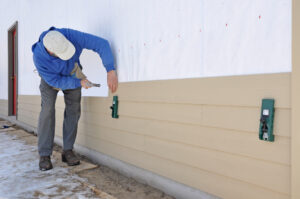
Vinyl siding is the material most often associated with pop-on installations. For some homes in some areas, vinyl siding can be installed over existing siding materials, provided the surface beneath is flat, structurally sound, and free of moisture damage.
This approach can reduce labor time and waste, which is why it is often positioned as a faster or more affordable option. That said, not all existing siding qualifies, and many building codes require inspection of the underlying structure before an overlay is allowed. The Vinyl Siding Institute explains overlay installation guidelines and limitations in its technical resources.
"We matched with a great contractor the same day. The whole process was easy and completely free."
Insulated Vinyl Siding Systems
Insulated vinyl siding is often grouped into pop-on conversations because it can be installed over existing siding while adding a rigid foam backing that improves energy performance.
These systems are thicker and heavier than standard vinyl, which can help smooth out imperfections in the underlying wall surface. They are also more climate-resilient in colder regions where insulation value matters more.
Manufacturer installation guides often specify when overlays are acceptable and when removal is required due to moisture or structural concerns. An overview of insulated vinyl performance is available via the U.S. Department of Energy’s Building America program:
Metal Siding Installed Over Existing Materials
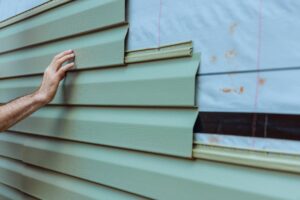
Metal siding, including aluminum and steel panels, is increasingly used in pop-on-style installations. Many systems are designed to install over existing siding with the addition of furring strips or a drainage plane.
Metal siding is especially popular in regions with wildfire risk, heavy snow, or high wind exposure. It tends to cost more than vinyl but offers durability advantages that appeal to long-term homeowners.
If you’re looking to learn more about metal siding possibilities specific to your region, the Metal Construction Association provides technical guidance on metal wall systems and retrofit applications.
Fiber Cement and Engineered Wood Siding
This is where the definition of pop-on siding becomes more nuanced.
Fiber cement and engineered wood siding are not typically true pop-on systems, because manufacturers usually require installation over a clean substrate. However, homeowners and contractors will sometimes loosely group them into a pop-on category because the finished appearance can resemble an overlay upgrade rather than a full exterior rebuild.
Most fiber cement manufacturers explicitly require removal of existing siding to ensure proper fastening and moisture control. James Hardie’s installation requirements are clear on this point. If you are set on fiber cement or engineered wood, understand the savings offered for other pop-on systems will probably not be associated.
Including these materials in pop-on discussions is not wrong, but it does require honesty about when tear-off is unavoidable.
Why Hire a Licensed Professional
- Licensed & insured — protects you from liability
- Warranty coverage — manufacturers require pro installation
- Code compliance — avoids permit issues
- Faster completion — pros finish in days, not weeks
The Role of Drainage Planes and Rain Screens
In many modern pop-on siding installations, the siding itself is only part of the system. Contractors may add a drainage layer, foam board, or rain screen between the existing wall and the new siding.
These layers are especially important in humid or wet climates, where moisture trapped behind siding can lead to rot or mold. Building science research consistently shows that drainage and drying capability are critical to long-term performance, regardless of siding material.
The Building Science Corporation has published extensive research on wall assemblies and moisture management. Whether you live in a humid area, experience a high variability in temperatures, or even live in a mild climate, it pays to understand the materials that contractors will use in your area to extend the life and performance of your siding.
DIY vs. Professional: At a Glance
Climate Matters More Than Material
Whether pop-on siding is a good idea depends heavily on the climate you live in.
In wet or humid regions, moisture management is the primary concern. Overlay installations must allow water to drain and walls to dry.
In cold climates, freeze-thaw cycles and insulation value matter more. Insulated siding or added foam layers may provide meaningful benefits.
In high-wind or wildfire-prone areas, material choice and fastening methods may override convenience entirely. Metal siding and fiber cement are often favored for their resilience, even if tear-off is required. Don’t be married to the idea of saving a few dollars with some form of pop-on variation if it risks the long-term performance of the layer that protects your home.
This climate-first lens is why pop-on siding is not a one-size-fits-all solution.
Spring and summer are the busiest seasons for home improvement projects — top-rated contractors book up fast. Lock in your estimate now before demand peaks.
Check Availability in Your Area →Insurance and Pop-On Siding
Unlike roofing, siding is less frequently covered by insurance, but there are exceptions.
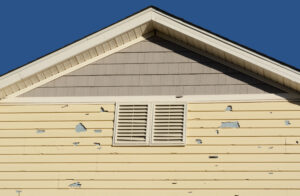
Storm damage from wind, hail, or falling debris may qualify as a covered loss depending on your policy. In those cases, insurers often require damaged materials to be removed before replacement, which can eliminate pop-on options entirely.
The Insurance Institute for Business & Home Safety provides guidance on exterior cladding performance and insurance considerations. Speak to your insurer about what your policy provides in special instances, but don’t be surprised to find out your siding costs will not be mitigated by your insurance.
Because coverage varies so widely, homeowners should never assume insurance will pay for siding work without verifying it directly.
Financing and Budget Considerations
When insurance does not apply, homeowners sometimes explore personal savings, contractor financing, or home equity options to fund siding projects. Pop-on installations may reduce labor costs, but they are not automatically inexpensive, especially when insulation layers or premium materials are involved.
The most important budgeting step is understanding what type of pop-on installation, or any installation, is actually being proposed, not just the label being used. Getting an idea of what you want to use for siding, and a comprehensive quote will best help you understand costs and whether you’ll need to explore alternatives to pay for your project.
Ready to Move Forward?
Tell us about your project and get matched with up to 3 pre-screened contractors. Compare quotes, check reviews, and hire with confidence.
The Importance of Clear Quotes
Because “pop-on siding” can mean different things to different contractors, homeowners should always seek multiple quotes from qualified local siding professionals, and ask for depth and clarity in those quotes.
Each quote should clearly explain:
- Whether existing siding will remain or be removed
- What layers are being added
- How moisture and ventilation will be handled
- How climate and local code affect the installation
- What your all-in costs are, and a clear breakdown of what makes them up
Comparing those details is often more valuable than comparing price alone.
A Category, Not a Shortcut
Pop-on siding is not a trick, a gimmick, or a guarantee. It is a category of installation approaches that can make sense under the right conditions and create problems under the wrong ones.
Understanding that distinction empowers homeowners to ask better questions, evaluate proposals more confidently, and choose solutions that fit both their home and their climate. If your provider does not offer a specific treatment they call “pop-on”, speak with them about any overlay options they might have, and ask if those options provide savings in comparison to alternatives.
Find reliable and top rated siding professionals in your area.
Connect with top-rated local contractors who can help you with siding, roofing, HVAC, windows, and more. Get free quotes from verified professionals in your area today.