

*Updated October 29th, 2025
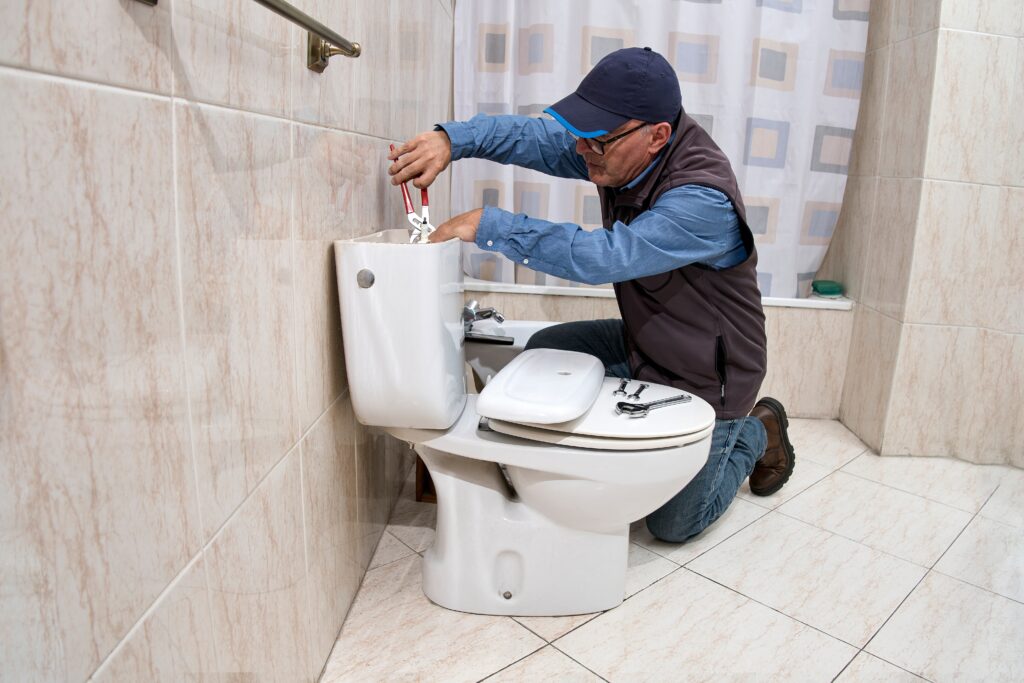
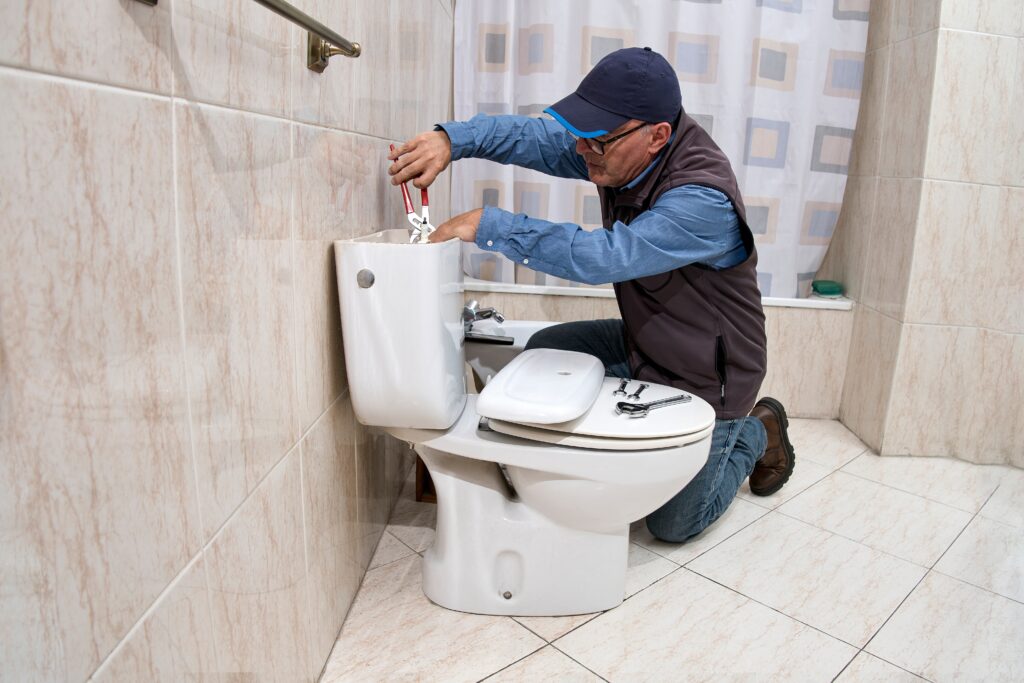
A running toilet might not seem like a big deal—until you realize it’s wasting gallons of water and driving up your utility bill. That constant trickling sound? It’s money literally going down the drain. The good news is that fix a running toilet tasks are usually quick, inexpensive toilet repair jobs you can handle yourself.
In this guide, we’ll walk you through the causes of a running toilet, the tools you’ll need, and step-by-step instructions to stop the flow and get your toilet back in working order. Let’s get started!
Common Causes of a Running Toilet
A toilet running isn’t just annoying—it’s a sign that something inside the tank isn’t working the way it should. Most common toilet problems here are easy to fix the toilet with basic parts.
1) Faulty Flapper
The toilet flapper is a rubber valve at the bottom of the tank that lifts when you flush, allowing water from the tank to rush into the toilet bowl. Over time, flappers can crack or warp, causing water to leak underneath the flapper into the bowl. If the sound stops when you hold the flapper down, replace the flapper with a new flapper.
2) Fill Valve Issues
The toilet fill valve controls water flow after each flush. If the fill valve may be worn or set too high, the tank fills endlessly and overflows into the overflow tube. You might hear running water or hissing. You’ll either adjust it or replace the fill valve with a new fill valve.
Actual costs depend on your location, project scope, and materials. The best way to know what you'll pay is to get quotes from local contractors.
Get Your Free Estimate →Need professional help with your project?
Get quotes from top-rated pros.
Find Local Pros3) Float Height Misalignment
The float (ball or float cup) controls the water level. If float height is too high, water goes into the top of the overflow tube and the toilet keeps running; too low and you’ll get a weak flush. Adjusting the float arm or the screw on the fill valve inside the tank typically fixes it.
"We matched with a great contractor the same day. The whole process was easy and completely free."
4) Chain or Lever Problems
If the chain from the tank lever to the flapper is too tight, the flapper is closed incompletely; too loose, and it can get caught. Adjust the chain to make sure the flapper closes fully after each flush toilet.
5) Overflow Tube Height/Condition
The overflow tube prevents spills, but if it’s cracked or set too high, tank water will continually enter the bowl causing the toilet to be constantly running. Trim or replace as needed.
Quick test: Add food coloring to the tank and wait 10–15 minutes without flushing. If color appears in the bowl, you’ve got a leaky flapper.
Tools and Materials You’ll Need
-
Adjustable wrench (for the water supply line and locknut)
-
Replacement flapper
-
Screwdriver (for float/valve adjustments)
-
Food coloring (to detect a leak)
-
Plumber’s tape (Teflon) for threaded toilet parts
-
Optional: new flush handle kit if the lever sticks
Step-by-Step Guide to Fixing a Running Toilet
Follow these steps to repair a running toilet and stop running water.
Step 1: Identify the Problem
-
Open the tank and inspect the flapper, fill valve, and float.
-
Perform the coloring test to see if water moves from water in the tank to the bowl (tank into the bowl).
-
Listen for hissing (water running) near the fill tube or flush valve.
Why Hire a Licensed Professional
- Licensed & insured — protects you from liability
- Warranty coverage — manufacturers require pro installation
- Code compliance — avoids permit issues
- Faster completion — pros finish in days, not weeks
Step 2: Replace or Adjust the Flapper
-
Turn off the water at the shut-off valve to stop water to the toilet.
-
Flush the toilet to drain the tank and drain the tank fully.
-
Detach the chain and remove the old toilet flapper from the flush valve.
-
Insert the new flapper, reattach the chain with slight slack.
-
Turn water back on; flush and check that the flapper closes and the tank is full without leaks.
Step 3: Adjust the Float
-
Ball float: gently bend the arm down to lower the water level in the tank.
-
Float cup: use the screw/clip on the fill valve to set the right height so water stops about 1″ below the top of the overflow.
DIY vs. Professional: At a Glance
Step 4: Fix or Replace the Fill Valve
If adjustment doesn’t help:
-
Shut off the water and flush the toilet.
-
Disconnect the water supply/water supply line beneath the tank.
-
Remove the old fill valve assembly; insert the new fill valve and secure the locknut.
-
Reconnect the line, restore water, and check the fill line and shutoff point as the float reaches its set level.
Step 5: Check Chain & Lever
Ensure the chain lets the handle to the flapper open but not hold the flapper open. Adjust the tank lever if it sticks.
Spring and summer are the busiest seasons for home improvement projects — top-rated contractors book up fast. Lock in your estimate now before demand peaks.
Check Availability in Your Area →Step 6: Inspect Overflow Tube
Confirm the tube’s height and condition. If too tall, trim; if cracked, replace to prevent continuous refill.
Final Test: Restore water, perform several flushes, and see if the water stops at the correct level. If the toilet to run persists, move to troubleshooting or call a professional plumber.
Preventative Maintenance Tips
-
Periodically check the water level and adjust the float so it fills the tank with water to the correct height.
-
Clean the flapper and inside the tank (avoid harsh chemicals that degrade rubber).
-
Replace aging toilet parts proactively—if you hear the toilet hissing or notice slow seepage, we recommend replacing worn components.
Ready to Move Forward?
Tell us about your project and get matched with up to 3 pre-screened contractors. Compare quotes, check reviews, and hire with confidence.
When to Call a Plumber
If you’ve tried the above and the toilet keeps running, it’s time to call a plumber:
-
Repeated failures of the fill valve/overflow tube
-
Cracks in the tank/bowl or persistent leaking toilet
-
Multiple fixtures misbehaving (possible main line issue)
-
A faulty shut-off that won’t shut off the water
A professional plumber can diagnose deeper toilet repair issues quickly.
Conclusion
A running toilet wastes water and money—but most fixes are simple. To recap how to fix a running toilet:
-
Diagnose: flapper, fill valve, float, chain, overflow tube
-
Repair: replace the flapper, adjust float height, or replace the fill valve
-
Maintain: keep water level correct, clean components, and spot potential problems early
Follow these steps and your toilet works like new after every flush. If DIY doesn’t solve it, don’t hesitate to plumb the help of a pro.
Additional Bathroom Resources
Connect with top-rated local contractors who can help you with siding, roofing, HVAC, windows, and more. Get free quotes from verified professionals in your area today.