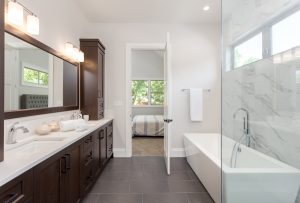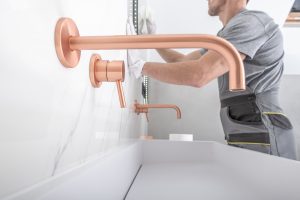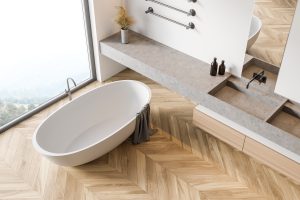


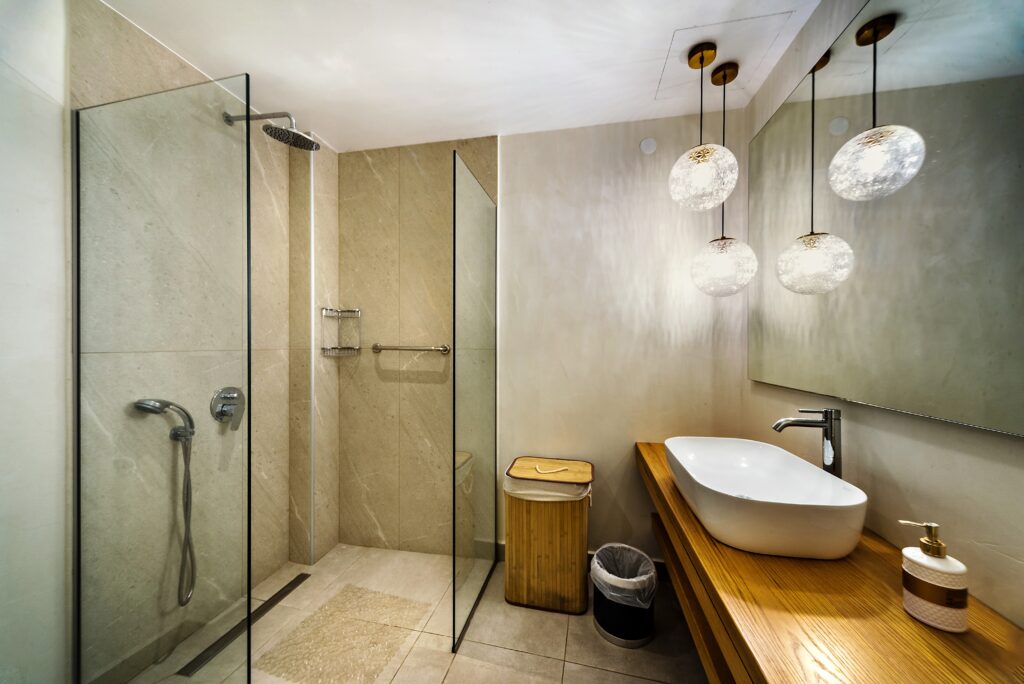
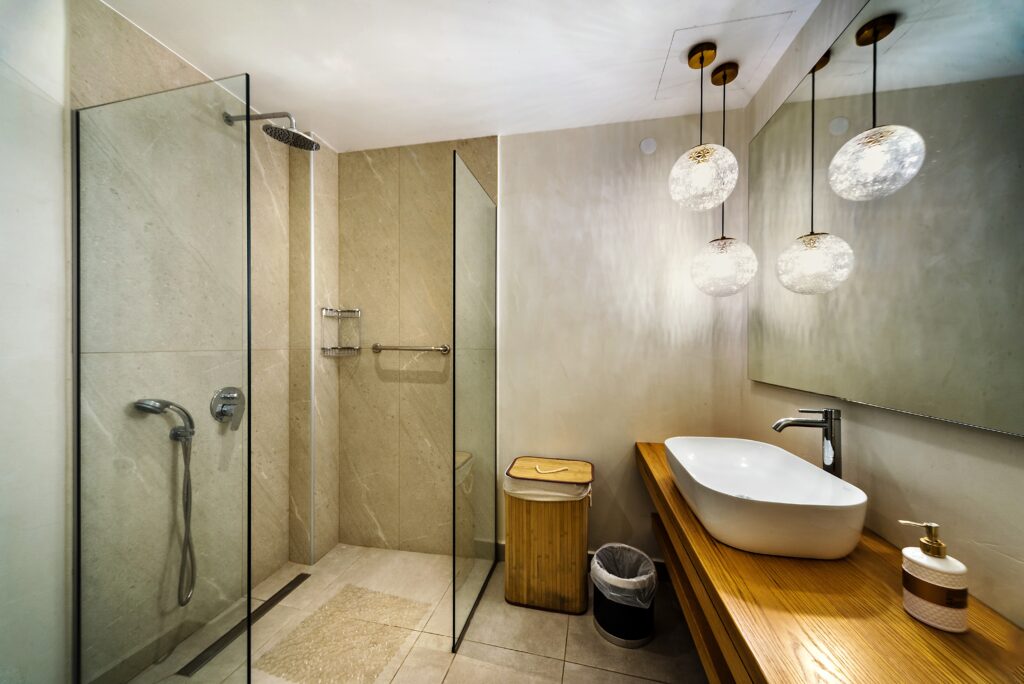
Thinking about giving your bathroom a fresh, modern update? A walk-in shower might be just what you need. These sleek, open-concept showers have become a go-to choice for homeowners looking to enhance both style and functionality.
Not only do they create a spa-like feel, but they’re also incredibly practical—offering easy access, simple maintenance, and a more spacious look.
Beyond the aesthetics, a walk-in shower can be a smart investment. Many buyers see them as a must-have feature, meaning your home’s value could get a boost if you ever decide to sell.
Whether you’re remodeling for convenience, accessibility, or just to elevate your space, a walk-in shower is a game-changer. Let’s dive into everything you need to know before making the switch!
Table of Contents
Benefits of a Walk-In Shower
If you’re considering a bathroom upgrade, a walk-in shower is one of the best ways to add both style and functionality to your space. Unlike traditional tub-shower combos, walk-in showers offer a sleek, open feel while making daily routines more convenient.
Here’s why so many homeowners are making the switch:
1. Sleek & Modern Design
A walk-in shower instantly elevates the look of your bathroom. With its clean lines and open layout, it creates a spa-like atmosphere that makes your space feel more luxurious. Whether you go for a frameless glass enclosure or a fully open design, a walk-in shower adds a contemporary touch that works with any style—from minimalist to rustic chic.
2. Accessibility & Safety
One of the biggest perks of a walk-in shower is how easy it is to use. There’s no high tub wall to step over, making it a safer option for kids, seniors, and anyone with mobility concerns. You can also add features like grab bars, built-in seating, or a handheld showerhead to make showering even more comfortable. It’s a smart choice if you’re thinking about aging in place or just want a more accessible setup.
Actual costs depend on your location, project scope, and materials. The best way to know what you'll pay is to get quotes from local contractors.
Get Your Free Estimate →3. Easy Maintenance
Let’s be honest—cleaning a traditional tub or enclosed shower can be a hassle. A walk-in shower, on the other hand, has fewer nooks and crannies for grime to build up. With fewer grout lines and often larger tiles, wiping down surfaces is quick and easy. Plus, if you choose materials like glass panels or smooth stone walls, you’ll spend less time scrubbing and more time enjoying your beautiful bathroom.
4. Space Optimization
Walk-in showers are a fantastic way to maximize your space. Their open design makes even the smallest bathrooms feel bigger and brighter. Since they don’t require bulky doors or a tub, you can get creative with layouts, making the most of every square inch. Whether you have a compact guest bath or a master ensuite, a walk-in shower helps create a more open and airy feel.
5. Increased Home Value
Installing a walk-in shower can be a great investment. Homebuyers love the modern, low-maintenance appeal, and in some cases, having a walk-in shower instead of a dated tub can make your home more attractive on the market. While personal preference plays a role, many buyers are drawn to homes with updated bathrooms—so this upgrade could give you an edge if you ever decide to sell.
"We matched with a great contractor the same day. The whole process was easy and completely free."
Is a Walk-In Shower Right for You?
Whether you’re remodeling for aesthetics, convenience, or future-proofing your home, a walk-in shower is a stylish and practical upgrade. It’s easy to use, simple to maintain, and makes any bathroom look more high-end.
Design Considerations for a Walk-In Shower
A walk-in shower isn’t just about function—it’s also about creating a space that fits your style, needs, and daily routine. From layout to materials, there are plenty of design choices to consider when planning your dream shower. Let’s break down the key elements that will help you create a shower that’s both beautiful and practical.
1. Layout & Space Requirements
Before diving into design details, it’s important to figure out how much space you have to work with. Walk-in showers can be as compact or as spacious as you need, but the key is ensuring proper placement. If you have a smaller bathroom, a corner walk-in shower can maximize space without feeling cramped. In a larger bathroom, a spacious, open-concept shower can create a stunning focal point.
You’ll also want to think about how water will flow—proper drainage is essential to avoid puddles forming outside the shower area. Many homeowners opt for a sloped floor or a linear drain to keep water contained while maintaining a sleek look.
2. Glass vs. Open Design
One of the biggest design decisions is whether to enclose your walk-in shower with glass or go for a doorless, open-concept design.
- Frameless Glass Enclosures: These provide a modern, airy look while helping to contain water. They work well in bathrooms of all sizes and can make the space feel larger by allowing light to flow through.
- Doorless Walk-In Showers: If you love a more open, minimalist feel, a completely open shower might be the way to go. These designs eliminate the need for a door, making access even easier. However, they do require careful planning to prevent water from splashing into other areas of the bathroom.
Both options have their perks, so the choice ultimately comes down to your preference and bathroom layout.
3. Tile & Flooring Options
The right materials can make all the difference in both the look and functionality of your walk-in shower. Since the shower is constantly exposed to moisture, choosing waterproof, slip-resistant materials is key.
- Wall Tiles: Large-format tiles or seamless stone slabs can create a sleek, modern look while minimizing grout lines.
- Flooring: Textured tiles, pebble stone floors, or slip-resistant ceramic tiles add safety without compromising on style. A non-slip surface is especially important in a shower to prevent accidents.
- Accent Designs: Mosaic tiles, contrasting borders, or natural stone accents can make your shower feel unique and luxurious.
4. Showerheads & Fixtures
Your choice of showerhead can elevate your daily routine. Here are some popular options to consider:
- Rainfall Showerheads: These provide a spa-like experience with a gentle, even water flow from above.
- Handheld Sprayers: Perfect for versatility, especially for washing kids, pets, or cleaning the shower itself.
- Body Jets & Multi-Spray Systems: If you’re looking for a high-end experience, body jets create a full-body massage effect.
- Smart Shower Technology: Control water temperature, pressure, and even music with digital shower controls that bring convenience to the next level.
Mixing and matching fixtures can create a custom experience that suits your lifestyle.
5. Storage Solutions
A well-designed walk-in shower should also have enough storage to keep your essentials organized and within reach.
- Built-in Niches: These recessed shelves blend seamlessly into the wall and are perfect for holding shampoo, soap, and other toiletries.
- Shower Benches: A built-in bench adds comfort and accessibility, whether you need a spot to sit or simply a place to rest your foot while shaving.
- Floating Shelves: If you prefer a more open look, sleek floating shelves can provide extra storage without taking up too much space.
A well-designed walk-in shower combines functionality, comfort, and style. Whether you want a sleek glass enclosure, an open spa-like retreat, or a fully customized fixture setup, the key is planning a layout that works for your space.
By considering factors like drainage, materials, and storage, you can create a shower that’s not only stunning but also makes your daily routine more enjoyable.
Why Hire a Licensed Professional
- Licensed & insured — protects you from liability
- Warranty coverage — manufacturers require pro installation
- Code compliance — avoids permit issues
- Faster completion — pros finish in days, not weeks
Cost Breakdown of a Walk-In Shower Remodel
If you’re thinking about upgrading to a walk-in shower, one of the first questions that probably comes to mind is, “How much will this cost?” The answer depends on several factors, including the size of your shower, the materials you choose, and whether you go for a simple conversion or a high-end, custom design.
Let’s break down the numbers so you know what to expect when budgeting for your new shower.
Basic Walk-In Shower Costs
If you’re going for a straightforward tub-to-shower conversion, you can expect to spend $1,500 to $5,000 on average. This includes:
- Basic Materials: Standard tile, acrylic or fiberglass shower panels, and a simple glass door or curtain setup.
- Labor Costs: If you hire a professional, installation costs alone can range from $1,000 to $3,000, depending on the complexity of the job.
- Plumbing Adjustments: Minor plumbing work, such as swapping out a tub drain for a shower drain, will add to the overall cost.
This budget-friendly option gives you a functional and stylish walk-in shower without all the extra bells and whistles.
Luxury & Custom Features
If you’re dreaming of a spa-like retreat with premium finishes and high-end features, be prepared to spend anywhere from $5,000 to $15,000+ (or even higher for fully custom builds).
Here’s what drives up the price:
- High-End Materials: Natural stone, marble, or high-quality porcelain tiles can significantly increase costs.
- Frameless Glass Enclosures: Sleek, modern glass panels can cost between $800 and $3,000, depending on thickness and size.
- Custom Showerheads & Fixtures: Rainfall showerheads, body jets, and smart shower systems with temperature control can range from $200 to $2,000+.
- Built-In Seating & Niches: Custom benches and recessed storage add convenience but require extra labor and materials.
- Steam Showers: If you want the ultimate luxury experience, a steam shower setup can add $2,000 to $5,000 to your budget.
While a luxury walk-in shower is a bigger investment, it can completely transform your bathroom into a high-end oasis and add serious value to your home.
DIY vs. Professional: At a Glance
Factors That Influence Cost
Several factors can impact the total cost of your walk-in shower remodel. Here’s what to consider when budgeting:
- Labor Costs – Hiring professionals for plumbing, tiling, and installation will add to your expenses but ensures high-quality, long-lasting results.
- Materials – The type of tile, shower doors, and fixtures you choose can make a huge difference in price. Acrylic or fiberglass is more affordable, while natural stone or custom tile work will cost more.
- Plumbing Updates – If you’re relocating pipes, upgrading old plumbing, or installing a new drainage system, expect to pay extra.
- Customizations – Want a curbless entry, a built-in bench, or specialty lighting? The more custom features you add, the higher the price tag.
- Permits & Code Compliance – Depending on your location, you may need a permit for major plumbing or electrical work, which can add $100 to $500+ to the overall cost.
Your walk-in shower remodel can be as affordable or as luxurious as you want—it all comes down to your budget and priorities. If you’re looking for a simple and functional upgrade, a basic conversion under $5,000 is a great option.
But if you want a spa-like experience with premium finishes and high-tech features, be prepared to invest $10,000 or more for a custom build.
Walk-In Shower vs. Traditional Tub-Shower Combo
If you’re remodeling your bathroom, one of the biggest decisions you’ll face is whether to install a walk-in shower or stick with a traditional tub-shower combo. Both options have their perks, but the right choice depends on your lifestyle, space, and budget.
Let’s break down the pros and cons of each so you can make the best decision for your home.
Walk-In Shower
Pros:
- Contemporary Look: A walk-in shower gives your bathroom a modern, spa-like feel.
- Easier Access: No tub wall to step over, making it great for seniors, people with mobility issues, or anyone who wants a more accessible design.
- Space-Saving: Ideal for small bathrooms since it creates an open, airy feel without taking up as much room as a tub.
- Low Maintenance: With fewer crevices and grout lines than a tub, walk-in showers are easier to clean.
- Increases Home Value: Many buyers prefer updated, walk-in showers over old-school tub-shower combos.
Cons:
- No Bathtub Option: If you enjoy soaking in the tub, you might miss having one.
- Resale Considerations: Families with small kids may prefer a bathtub, so removing the only tub in your home could impact resale value.
- Potential for Water Splashing: If the design isn’t well-planned (especially for open, doorless showers), you might have to deal with more water on the floor.
Spring and summer are the busiest seasons for home improvement projects — top-rated contractors book up fast. Lock in your estimate now before demand peaks.
Check Availability in Your Area →Traditional Tub-Shower Combo
Pros:
- Best of Both Worlds: You get the flexibility of both a shower and a bathtub in one.
- Great for Families: If you have young kids, a bathtub is much more convenient for bath time.
- More Affordable: Installing a tub-shower combo is usually cheaper than a custom walk-in shower.
- Resale Appeal: Homes with at least one bathtub tend to attract more buyers, especially families.
Cons:
- Takes Up More Space: A tub requires more square footage than a walk-in shower.
- Harder to Clean: Scrubbing around a tub can be a hassle, especially with all the grout and corners.
- Less Accessible: Stepping over the tub wall can be a challenge for older adults or those with mobility concerns.
Maintenance Tips for a Long-Lasting Walk-In Shower
A walk-in shower is a sleek and stylish addition to any bathroom, but to keep it looking great and functioning properly, regular maintenance is key. The good news? It’s easier than you think! With just a few simple habits and the right cleaning products, you can keep your shower spotless and free of issues like mold, soap scum, and clogged drains. Here’s how:
1. Preventing Water Spots & Mold
Nobody likes scrubbing away stubborn water spots or dealing with mold buildup. The trick is to stay ahead of the problem with daily and weekly cleaning habits.
Daily Quick-Clean Routine:
- Use a squeegee on the glass after every shower to prevent water spots and soap scum buildup.
- Wipe down tiles and surfaces with a microfiber cloth to remove excess moisture.
- Turn on the bathroom fan or leave the shower door open to improve ventilation and reduce humidity.
Weekly Deep Clean:
- Spray a vinegar-water solution (1:1 ratio) on glass and tiles to break down hard water stains and soap residue.
- Use a baking soda paste for scrubbing stubborn spots—just mix with water, apply, and rinse.
- Check for mold in corners and grout lines—if you spot any, a mix of hydrogen peroxide and water can help eliminate it.
Ready to Move Forward?
Tell us about your project and get matched with up to 3 pre-screened contractors. Compare quotes, check reviews, and hire with confidence.
2. Best Cleaning Products for Walk-In Showers
Choosing the right cleaning products is important, especially if your shower features different materials like glass, tile, or stone. Some cleaners can be too harsh and cause damage over time.
- For Glass: White vinegar and water work wonders for cutting through water spots. For a streak-free shine, wipe with a newspaper or microfiber cloth after cleaning.
- For Tile & Grout: A mix of baking soda and hydrogen peroxide helps keep grout clean without the harshness of bleach.
- For Natural Stone (like marble or granite): Avoid acidic cleaners like vinegar. Instead, use a pH-neutral stone cleaner to protect the finish.
- For Fixtures & Hardware: A little dish soap and warm water on a soft cloth will keep chrome, brass, or stainless steel fixtures looking polished.
3. Maintaining Fixtures & Drains
Your walk-in shower’s fixtures and drains need occasional attention to keep them running smoothly. Here’s how to avoid common problems like clogged drains or mineral buildup on showerheads.
- Prevent Drain Clogs: Hair and soap scum are the biggest culprits. Use a drain cover or hair catcher, and once a month, pour boiling water down the drain to break up buildup.
- Unclog a Slow Drain Naturally: Skip the harsh chemicals! A simple mix of baking soda and vinegar (followed by hot water) can help clear minor clogs.
- Keep Showerheads Running Strong: If you notice weak water pressure, mineral deposits could be the issue. Soak the showerhead in vinegar overnight to dissolve buildup.
- Check Seals & Caulking: Every few months, inspect your shower’s caulking to ensure it’s intact. If you see cracks or peeling, reapply caulk to prevent water damage behind the walls.
A little bit of regular maintenance goes a long way in keeping your walk-in shower looking brand new. With just a few daily habits—like wiping down surfaces and using a drain cover—you can prevent major issues before they start. And when it’s time for deeper cleaning, using the right products will help protect your shower materials and keep everything sparkling.
Final Thoughts
A walk-in shower is a fantastic investment that brings style, convenience, and accessibility to your bathroom. Whether you’re looking to modernize your space, improve functionality, or plan for the future, it’s a smart upgrade that can make daily routines easier and more enjoyable.
No matter your budget or space, a walk-in shower can transform your bathroom into a sleek, low-maintenance, and relaxing space.
Additional Bathroom Remodel Resources
Connect with top-rated local contractors who can help you with siding, roofing, HVAC, windows, and more. Get free quotes from verified professionals in your area today.