

*Updated November 13th, 2025
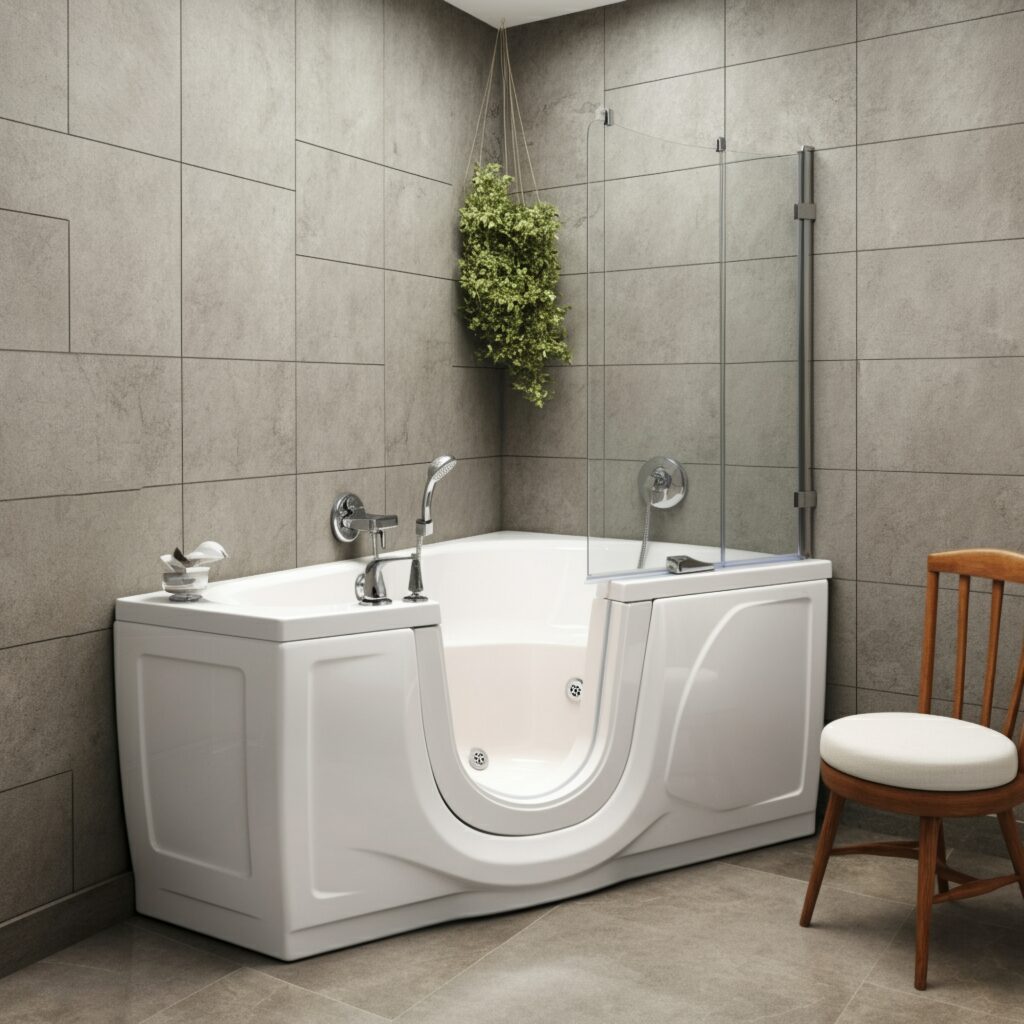
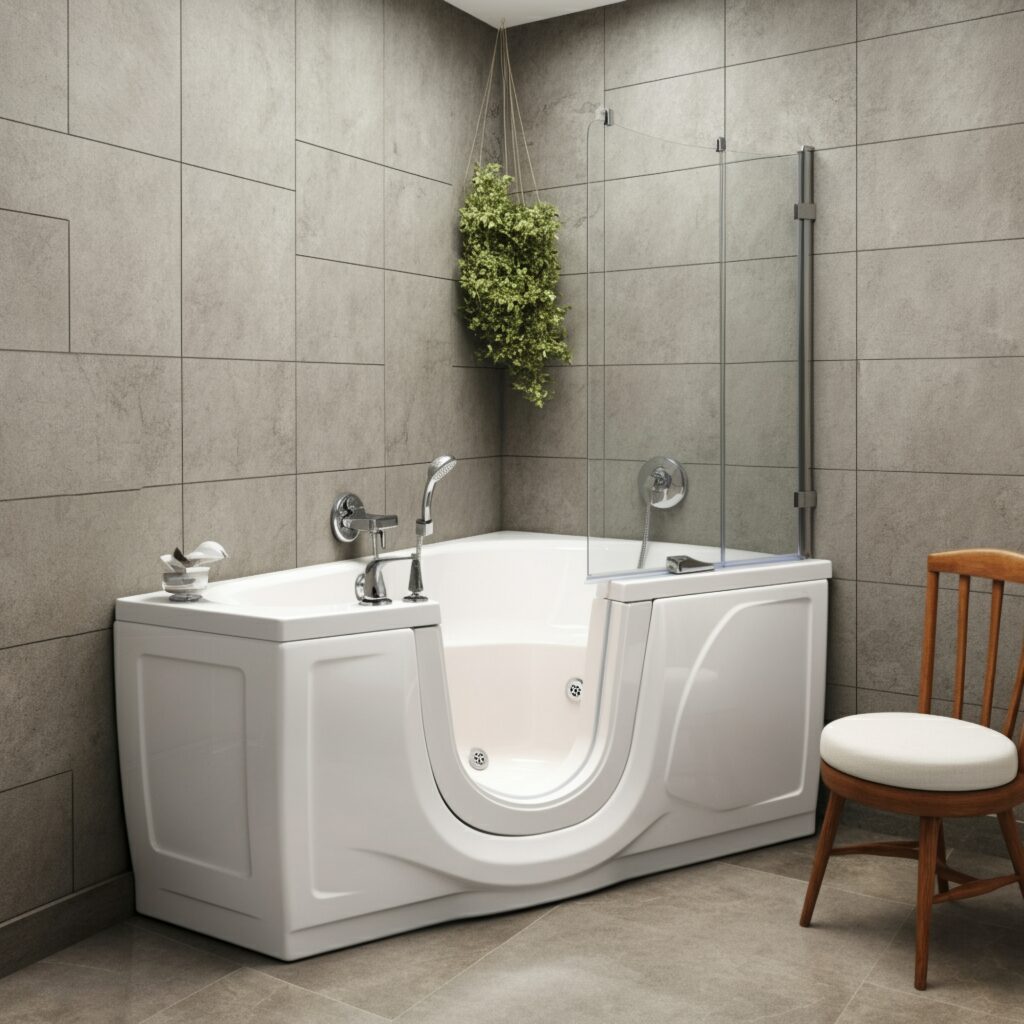
Walk-in tubs are a game-changer for homeowners who want a safe, accessible, and comfortable bathing experience. With their easy-entry doors, low threshold, built-in seating, and soothing jet systems, a walk-in tub makes bath time more relaxing, especially for older adults, older people, and individuals with mobility issues or mobility challenges.
These walk-in tubs are designed to create a safer and more comfortable way to bathe compared to a traditional tub or regular bathtubs, and many walk-in tubs offer extra safety features like grab bars, shower chairs, and non-slip floors to create a safer, more accessible bathing solution at home so you can age in place rather than relying on assisted living services.
But like any home feature, even the best walk-in tubs aren’t maintenance-free. Over time, you might run into common issues like leaky seals, slow drainage, or malfunctioning jets. When you consider the overall pros and cons of walk-in bathing, some of the main cons of walk-in tubs relate to upkeep, how long they take to fill and drain, and the cost of a walk-in tub.
Many of the most common problems have simple fixes that don’t always require a plumbing professional or installer.
In this guide, we’ll cover the most common walk-in tub problems and how to fix them, plus a few maintenance tips to keep your walk-in bathtub working smoothly so you can continue using a walk-in tub with peace of mind.
Common Walk-In Tub Problems & Solutions
While a walk-in tub is built for safety and comfort, it’s still a mechanical system with wiring and plumbing that can wear over time. Walk-in tubs are built differently than a standard tub or traditional bathtub, so some common issues are unique to this type of bathtub.
Many walk-in tubs for seniors and individuals with limited mobility include advanced features like heated seats, hydro-massage jet systems, and quick fill and drain technology. These upgrades are part of the benefits of a walk-in tub, but they also add parts that can need attention down the road.
Need professional help with your project?
Get quotes from top-rated pros.
Find Local Pros
Many of these problems have quick and easy fixes that don’t require a costly service call. Below, we’ll go over some of the most common walk-in tub issues, what causes them, and how you can fix them to keep your new walk-in or standard walk-in model in top shape.
1. Door Seal Leaks
Problem: Water leaks around the door, creating puddles on the bathroom floor outside the tub.
Causes: Worn-out or improperly sealed gaskets that no longer create a watertight seal. Walk-in tubs don’t function well when the door seal is damaged, because you must sit inside the tub while it fills.
Fix: Regularly clean the gasket to remove buildup, check for misalignment, and replace the seal if it’s cracked or deteriorating. Many walk-in tubs come with manufacturer guidance on how often to check seals.
Actual costs depend on your location, project scope, and materials. The best way to know what you'll pay is to get quotes from local contractors.
Get Your Free Estimate →2. Difficulty Opening or Closing the Door
Problem: The tub door sticks, jams, or doesn’t close properly, making it harder to use the tub safely.
Causes: Dirt and soap scum buildup, misaligned hinges, or worn-out components.
Fix: Clean the hinges and door edges regularly, lubricate moving parts, and adjust or tighten hinges if the door is misaligned. If this tub might be an older model, ask your installer or manufacturer for replacement hardware.
3. Slow Draining or Clogged Drain
Problem: Water takes too long to drain, leaving you sitting in a pool of water while you wait minutes to drain. Because you can’t open the tub door until the water level drops below the threshold, walk-in tubs need reliable drainage to be comfortable to use.
Causes: Hair, soap residue, or debris clogging the drain, drain line, or drainage pipe, a faulty drain mechanism, or a faucet and overflow setup that doesn’t balance gallons of water entering and leaving the bathtub.
Fix: Clear out blockages with a drain snake or a mild drain cleaner, and make sure the tub’s built-in drainage system is working properly. In some walk-in tubs are built with dual drains to spend less time waiting for the bathtub to fill or fill or drain, but if your walk-in tub only has a single drain, extra drainage maintenance goes a long way.
4. Malfunctioning Jets or Air Bubbles
Problem: Weak jets, no bubbles, or inconsistent water pressure from hydro-massage jet features.
Causes: Mineral buildup in the lines, clogged air tubes, or a failing motor.
Fix: Run a vinegar and water solution through the system to help clean the lines and offer therapeutic features as designed. Many walk-in tubs feature built-in hydrotherapy and air jet systems—if cleaning doesn’t help, the motor or pump may need professional service.
"We matched with a great contractor the same day. The whole process was easy and completely free."
5. Water Temperature Issues
Problem: Water is too hot, too cold, or fluctuates unexpectedly while you bathe.
Causes: A faulty thermostat, wiring and plumbing issues, or a problem with your home’s water heater.
Fix: Adjust your water heater settings, inspect the mixing valve, and call a plumber if the issue persists. Premium brands like a Kohler walk-in bath sometimes offer more advanced controls, but walk-in tubs don’t always regulate temperature on their own—your home’s system still matters.
6. Electrical Malfunctions
Problem: The walk-in tub won’t turn on, or certain features (jets, heated seats, lights, etc.) stop working.
Causes: A tripped circuit breaker, faulty wiring, or a malfunctioning control panel.
Fix: Reset the breaker, check power connections, and replace any faulty electrical components as needed. Because of the wiring and plumbing combination, electrical issues are one of the key cons of walk-in tubs to watch closely for safety.
7. Mold & Mildew Growth
Problem: Black spots, musty odors, or visible mildew buildup in or around the walk-in tub.
Causes: Poor ventilation, standing water, or infrequent cleaning.
Fix: Regularly deep clean the tub with mildew-resistant products, wipe down wet areas after use, and improve bathroom airflow with a fan or dehumidifier. This is especially important in in-home setups where older adults and individuals with mobility concerns may spend less time drying surfaces after they use the tub.
Taking care of these common issues early on can prevent bigger headaches down the road. With routine maintenance and quick fixes, your walk-in tub will continue to provide a better experience and walk-in tubs provide ongoing safety and comfort for years.
Walk-In Tub Preventative Maintenance Tips
Taking a little time to maintain your walk-in tub is key to preventing problems like leaks, clogs, and electrical malfunctions. A well-maintained walk-in bathtub not only works better but also lasts longer and helps you age in place without needing assisted living or facility-based assisted living services.
Why Hire a Licensed Professional
- Licensed & insured — protects you from liability
- Warranty coverage — manufacturers require pro installation
- Code compliance — avoids permit issues
- Faster completion — pros finish in days, not weeks
1. Regularly Clean Seals, Drains, and Jets
Over time, dirt, soap scum, and mineral deposits can build up in the door seals, drain, and jet systems, leading to leaks, slow drainage, and weak water pressure.
- Door Seals: Wipe down the rubber gasket after each bath to prevent grime buildup. Check for cracks or signs of wear and replace the seal if necessary.
- Drains: Clear out hair, soap residue, and debris regularly to prevent a drain clog. Keeping the drain clear helps you spend less time sitting in the tub while it fills or empties.
- Jets: Run a cleaning solution through the jets every few weeks to remove mineral buildup and bacteria. This helps maintain the benefits of a walk-in tub that offer therapeutic features like massage and hydrotherapy.
2. Check and Replace Worn-Out Components
Walk-in tubs are designed with moving parts like door hinges, latches, and drain plugs that can wear out over time. Regularly inspect these components to ensure everything is functioning properly.
- If your door latch feels loose, tighten it to prevent leaks.
- If the gasket looks cracked or brittle, swap it out before it causes water seepage.
- If the drain mechanism seems sluggish, clean or replace it to avoid sitting in water for extra minutes to drain.
These small steps can keep the bathing experience closer to that of a regular tub, even though the walk-in tub holds more gallons of water.
DIY vs. Professional: At a Glance
3. Ensure Proper Ventilation to Prevent Mold & Mildew
A walk-in tub creates a warm, moist environment, perfect for mold and mildew to thrive if you’re not careful.
- Use a bathroom fan or dehumidifier to keep humidity levels in check.
- After each bath, wipe down the tub and leave the door open so moisture doesn’t stay trapped inside the tub.
- Deep clean with a mild disinfectant once a week to keep your walk-in tub fresh and clean.
4. Perform Periodic Inspections of Electrical & Plumbing Connections
Your walk-in tub may have electrical features like heated seats, jets, or LED lights. It also relies on proper plumb work for water flow.
- Check power connections and outlets to ensure the tub is receiving power properly.
- Inspect water supply lines and drainage for any leaks or unusual pressure changes.
- If you notice tripping breakers, flickering lights, or issues with fill and drain timing, it may be time for a professional inspection.
By following these simple preventative maintenance tips, you can keep your walk-in tub working efficiently and enjoy more of the benefits of a walk-in tub with fewer surprises.
When to Call a Professional
Sometimes, no matter how handy you are, a walk-in tub issue goes beyond a quick DIY fix. While regular maintenance and small repairs can help, there are situations where bringing in a professional is the best choice.
Spring and summer are the busiest seasons for home improvement projects — top-rated contractors book up fast. Lock in your estimate now before demand peaks.
Check Availability in Your Area →1. When DIY Fixes Aren’t Enough
Some minor problems can be handled on your own. But if you’ve tried troubleshooting and the issue keeps coming back or gets worse, it’s time to get a professional opinion.
- If water is still leaking even after replacing the door gasket, the tub might not be sealing properly due to a structural problem.
- If you’ve cleared the drain but it’s still slow, there may be a deeper blockage in the drain line or main plumbing.
- If your jet system isn’t working after cleaning, the pump or motor might need professional servicing.
When a problem persists despite your best efforts, calling a pro can save you time, money, and frustration.
2. Safety Concerns with Electrical or Plumbing Issues
Walk-in tubs are built with both electrical and plumbing components, and attempting to repair them yourself can be risky.
- If your walk-in tub won’t turn on, and resetting the breaker doesn’t fix it, there could be faulty wiring or a control panel issue.
- If your water temperature fluctuates wildly, the issue might be with your home’s plumbing or water heater rather than the walk-in tub itself.
- If you notice a burning smell, sparks, or water near electrical outlets, shut off power and call a professional immediately.
Because walk-in tubs cost more than a simple regular tub, protecting that investment is part of understanding the real-world pros and cons of owning one.
Ready to Move Forward?
Tell us about your project and get matched with up to 3 pre-screened contractors. Compare quotes, check reviews, and hire with confidence.
3. The Benefits of Professional Servicing
A professional doesn’t just fix the immediate problem. They can inspect your entire walk-in bathtub system to catch potential issues before they turn into costly repairs.
- They can check wiring and plumbing, seals, drainage, and mechanical components.
- Routine servicing can help you spend less time worrying about breakdowns and more time enjoying the walk-in tub.
- For some american tubs brands and premium models, professional maintenance may be required to keep warranties valid.
Final Thoughts
A walk-in tub is a great investment in safety and comfort, especially for seniors, older adults, and individuals with mobility or limited mobility. Compared to a regular tub or traditional bathtub, a walk-in tub with mobility aids and grab bars can create a safer, more accessible bathing solution in an in-home setting and may delay the need for assisted living.
Still, it’s important to understand the pros and cons. The benefits of a walk-in tub include easier access, walk-in tubs provide support and offer therapeutic features like hydrotherapy, and they can bring long-term peace of mind. On the other hand, the cons of walk-in tubs often include drawbacks include high upfront costs, more complex installation of a walk-in system, and the need to wait while the bathtub to fill and minutes to drain before you can open the tub door.
By keeping up with simple maintenance tasks, you can extend the life of your walk-in tub and avoid major repairs. And if something seems beyond a quick fix, don’t hesitate to call in a professional. When you find a tub that fits your needs and care for it well, a walk-in tub can be a long-lasting, safer and more comfortable upgrade that supports your ability to age in place at home.
Additional Bathroom Remodel Resources
- Choosing the Right Tile for Your Shower
- Do I Need a Permit to Remodel a Bathroom?
- 14 Bathroom Remodel Ideas
Connect with top-rated local contractors who can help you with siding, roofing, HVAC, windows, and more. Get free quotes from verified professionals in your area today.