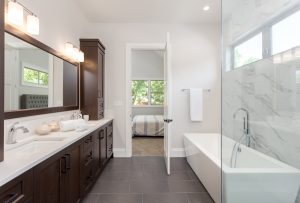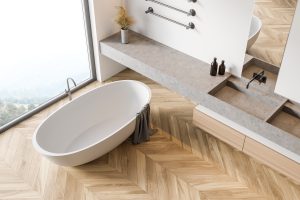

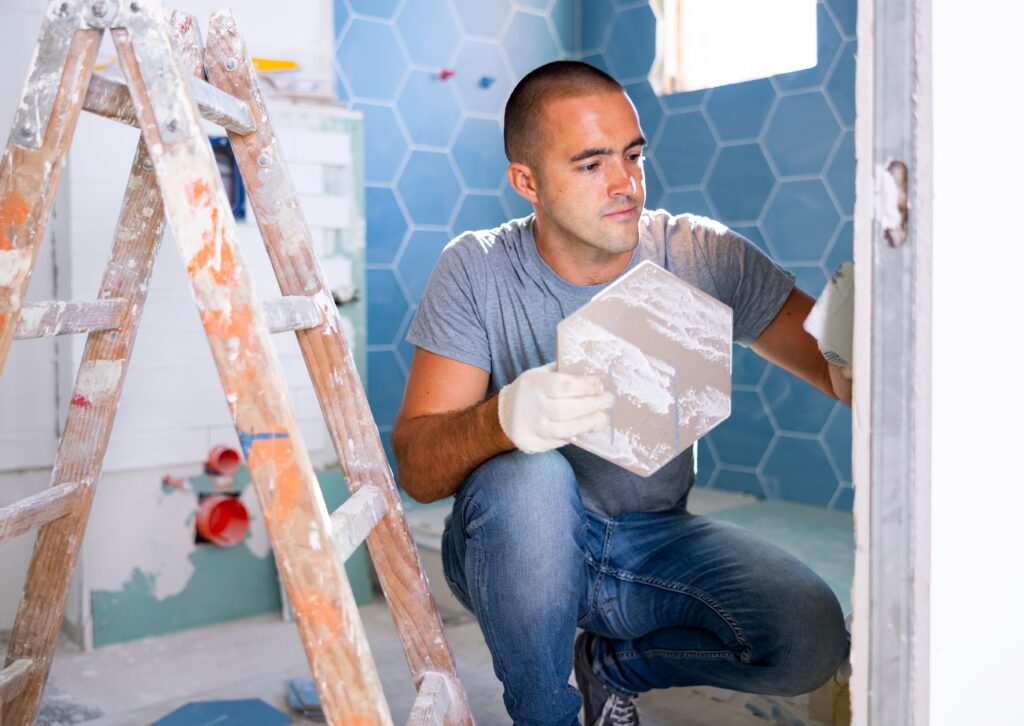
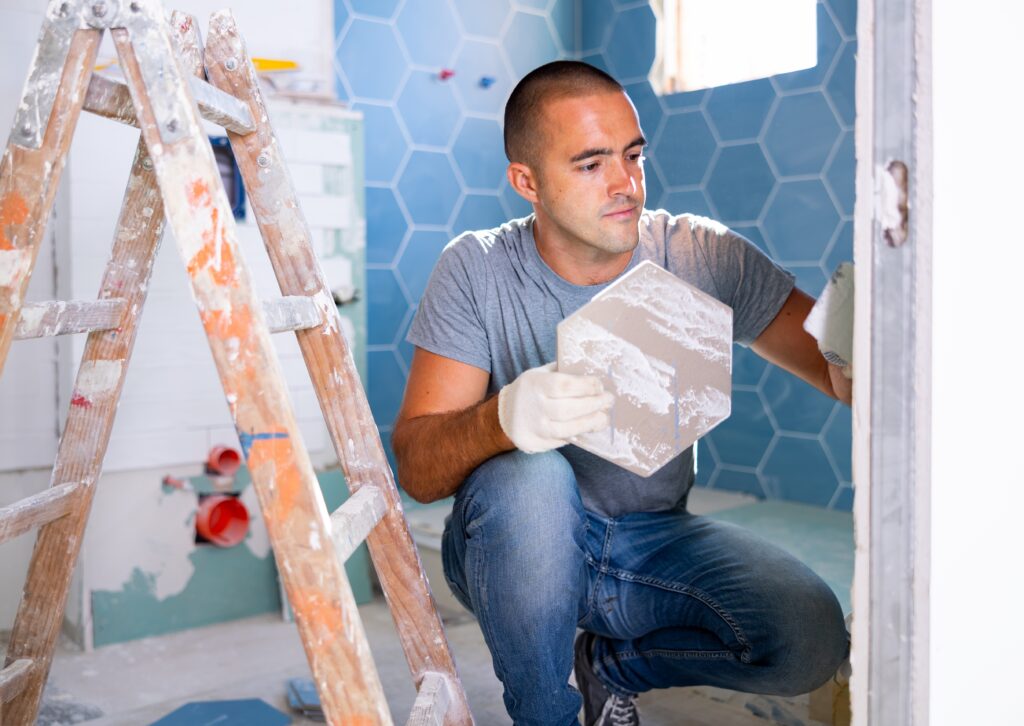
When you’re getting ready to sell your home, the bathroom can feel like one of the biggest question marks. Buyers spend a lot of time there during showings, and they tend to notice everything from outdated fixtures to worn tile and poor lighting. A clean, updated bathroom often signals that the home has been well cared for, which can instantly boost buyer confidence.
But that doesn’t automatically mean a full remodel is the right move. The real question is whether the time, cost, and effort of updating your bathroom will actually pay off when you sell.
In some markets, a few smart updates can help your home sell faster or for more money. In others, it may make more sense to skip the renovation and price accordingly.
This guide breaks down how to weigh return on investment against your timeline, budget, and local market conditions so you can make the right call.
How Much Value Does a Bathroom Remodel Add?
One of the first things homeowners want to know is whether a bathroom remodel actually pays off when it’s time to sell. The short answer: it can. However, how much value you get back depends heavily on the scope of the project and how smart you are with your budget.
On a national level, bathroom remodels tend to deliver a solid return, but they’re not a guaranteed dollar-for-dollar payoff. In most markets, homeowners can expect to recoup a meaningful portion of their investment, especially when the updates are practical and visually appealing. Buyers are willing to pay more for bathrooms that feel clean, modern, and move-in ready, even if they’re not luxury-level renovations.
Where the real difference shows up is between minor and major remodels. Minor updates usually offer the best return. These projects cost less upfront, move quickly, and dramatically improve first impressions. Major remodels, on the other hand, come with higher price tags and longer timelines. Full gut renovations, layout changes, and high-end finishes often don’t add enough value to justify the cost unless you’re in a high-end market where buyers expect those upgrades.
From an appraisal standpoint, updated bathrooms help support your asking price, but they rarely boost it as much as homeowners hope. Appraisers look at recent comparable sales first, not renovation receipts. That said, a remodeled bathroom can help your home compete more favorably with similar listings and avoid downward price adjustments for outdated or worn spaces. For buyers, it’s even simpler: an updated bathroom feels like one less project to tackle after moving in, and that can make your home easier to sell and more appealing overall.
When a Bathroom Remodel Is Worth It Before Selling
There are situations where updating your bathroom before listing makes a lot of sense and can even help you come out ahead. It usually comes down to how your bathroom compares to what buyers expect in your market and how quickly you want to sell.
Your Bathroom Is Dated or Non-Functional
If your bathroom looks like it hasn’t been touched in 20 or 30 years, buyers will notice immediately. Old fixtures, worn or cracked tile, outdated colors, and dim lighting can make the entire home feel older than it actually is. Even if everything technically works, dated finishes often send the message that more repairs could be hiding elsewhere.
Functionality matters just as much as appearance. Awkward layouts, lack of storage, or a bathroom that feels cramped or poorly lit can be instant turnoffs. Buyers tend to mentally subtract the cost and hassle of fixing those issues from what they’re willing to offer. In these cases, a modest remodel or targeted refresh can remove common objections and make your home feel move-in ready instead of “another project.”
Comparable Homes Have Updated Bathrooms
Buyers don’t shop in a vacuum. They’re constantly comparing your home to others in the same price range, neighborhood, and school district. If similar homes on the market have updated bathrooms and yours doesn’t, your listing will stand out for the wrong reasons.
Even if your home has strong features elsewhere, an outdated bathroom can push buyers toward competing listings that feel more modern. Without updates, you may be forced to price lower to stay competitive or risk sitting on the market longer. In neighborhoods where updated bathrooms are the norm, making at least basic improvements can help protect your value and keep your pricing in line with recent sales.
You’re Targeting Top Dollar or a Faster Sale
If your goal is to sell quickly or attract strong offers, bathroom updates can work in your favor. Bathrooms play a bigger role in first impressions than many homeowners realize. A clean, modern bathroom creates a sense of comfort and care that buyers respond to almost instantly.
In competitive or seller-friendly markets, even small upgrades can help your home stand out and spark multiple offers. In slower or more balanced markets, updated bathrooms can be the difference between a home that lingers and one that moves. Either way, removing obvious “to-do” items makes it easier for buyers to justify your asking price.
When a Bathroom Remodel Is Not Worth It
While bathroom updates can be a smart move in many situations, there are also times when remodeling before selling just doesn’t make financial sense. Knowing when to skip the renovation can save you money, stress, and unnecessary delays.
The Remodel Cost Exceeds Likely ROI
One of the biggest mistakes sellers make is over-improving. If most homes nearby have basic, builder-grade bathrooms, putting in a high-end spa-style remodel won’t suddenly raise your home’s value enough to cover the cost. Buyers typically expect your home to be similar to comparable properties, not dramatically nicer.
Luxury upgrades are especially risky when selling. Custom tile work, designer fixtures, heated floors, and upscale finishes may be enjoyable while you live there, but they rarely pay back at resale. Buyers might appreciate them, but they usually won’t pay a premium that matches what you spent. In these cases, you’re better off doing small updates or skipping the remodel altogether.
The Home Will Likely Sell to Investors
If your home is priced to attract investors or fix-and-flip buyers, a bathroom remodel is usually unnecessary. These buyers aren’t looking for finished spaces. They plan to renovate anyway, often with their own contractors, materials, and design choices.
For investor-heavy sales, cosmetic fixes are usually enough. Simple improvements like cleaning, painting, fixing leaks, and making sure everything functions properly can help your home show better without cutting into your profit. Spending money on a remodel that will be torn out later rarely makes sense and can actually work against you.
You’re Selling As-Is or Under Time Pressure
Bathroom remodels take time, and timelines can be unpredictable. Permits, inspections, contractor availability, and material delays can quickly push a project past your ideal listing date. If you need to sell quickly, a remodel can slow things down more than it helps.
There’s also the risk of ending up with an incomplete project. Half-finished tile, delayed fixtures, or rushed work can make your home harder to sell than if you’d left the bathroom alone. In these situations, selling as-is or focusing on minor touch-ups is often the safer move, allowing you to list sooner and avoid last-minute surprises.
Minor Bathroom Remodels: What Pays Off?
Not all bathroom upgrades are created equal, especially when you’re selling. In most cases, smaller, targeted updates deliver a much better return than full-scale remodels. The goal isn’t to build your dream bathroom. It’s to make the space feel clean, modern, and move-in ready to the widest range of buyers.
Minor Bathroom Updates With the Best ROI
Minor updates are where sellers usually see the biggest payoff. These projects cost less, take less time, and still make a noticeable difference during showings.
Fresh paint is one of the easiest wins. Neutral colors instantly brighten the space and make it feel cleaner and more current. It also helps cover up years of wear and tear without a major investment.
Updated fixtures and hardware such as faucets, showerheads, towel bars, and cabinet pulls can dramatically change the look of a bathroom. Swapping out dated finishes for modern ones is relatively inexpensive and gives the impression that the entire room has been updated.
A new vanity or mirror can also go a long way. Vanities are often the visual anchor of the bathroom, and replacing an old or worn one can modernize the space quickly. Even just upgrading the mirror to something larger or more contemporary can improve light and make the room feel bigger.
Instead of tearing everything out, re-grouting or refinishing can refresh surfaces for a fraction of the cost. Re-grouting tile, refinishing a tub, or reglazing a shower can eliminate stains, discoloration, and cracks without the price tag of full replacement.
Cost Breakdown: What Homeowners Typically Spend
Before deciding whether to remodel, it helps to understand what bathroom updates actually cost. Prices can vary by location and contractor, but most homeowners fall into one of two buckets: a light refresh or a full remodel.
A minor bathroom refresh is typically the more budget-friendly option. This usually includes things like paint, new fixtures, updated hardware, a vanity swap, or refinishing existing surfaces. On average, homeowners spend a few thousand dollars for these types of updates, making them easier to justify when you’re preparing to sell. Because these projects are quicker and less invasive, they also reduce the risk of delays or unexpected costs.
A full bathroom remodel is a much bigger investment. Gutting the space, replacing tile, updating plumbing, and installing new fixtures can easily climb into the tens of thousands, especially in larger bathrooms or higher-cost markets. While these remodels can transform a space, they’re harder to recoup when selling unless your home is in a high-end market where buyers expect top-tier finishes.
When it comes to labor vs. materials, labor usually makes up a significant portion of the total cost. Skilled trades like plumbing, electrical, and tile work add up quickly, and labor costs can vary widely by region. Materials matter too, but choosing expensive finishes doesn’t always translate to higher resale value. In many cases, opting for mid-range materials and focusing on clean installation gives you the best balance between cost and return.
Bathroom Updates Buyers Care About Most
Buyers tend to focus on how a bathroom feels more than on specific brand names or luxury details. What they want most is a space that looks clean, functional, and easy to live with.
A clean, modern look is at the top of the list. Buyers are drawn to bathrooms that feel fresh and well maintained, with no visible damage, stains, or outdated design choices. Even simple updates can make a bathroom feel newer without a full remodel.
Storage and lighting are also big selling points. Buyers notice vanities with usable storage, medicine cabinets, and shelving that help keep the space organized. Good lighting makes the bathroom feel larger and more inviting, and it’s something buyers immediately appreciate during showings.
Neutral finishes tend to appeal to the widest audience. Soft whites, light grays, and warm neutrals allow buyers to imagine their own style in the space. Bold colors or trendy patterns can be polarizing and may turn some buyers off, even if the bathroom is technically updated.
When it comes to walk-in showers versus tubs, buyer preferences depend on the home and the market. Walk-in showers are popular for primary bathrooms and can make a space feel more modern and accessible. However, tubs remain popular in homes with multiple bedrooms or family-friendly layouts. Removing the only bathtub in a home can limit your buyer pool, so it’s usually best to balance modern appeal with practical expectations.
How to Decide If a Bathroom Remodel Makes Sense for Your Home
Deciding whether to remodel your bathroom before selling isn’t always a clear yes or no. It’s really about stepping back and looking at your situation from a buyer’s point of view.
Start by asking yourself a few key questions. Does your bathroom stand out in a bad way compared to similar homes nearby? Are buyers likely to see it as move-in ready, or as another project they’ll need to budget for? Are you trying to maximize your sale price, or are you more focused on selling quickly and moving on?
Your budget versus expected sale price matters a lot. If a remodel would eat up a big chunk of your potential profit, it may not be worth it. On the other hand, if a modest investment could help your home compete better or avoid price reductions, it might make sense. The goal is to spend just enough to remove objections, not to chase a perfect bathroom that buyers won’t fully pay for.
Local market conditions also play a big role. In a hot seller’s market, buyers may overlook dated bathrooms because inventory is tight. In a slower or more balanced market, updated bathrooms can make a noticeable difference in how quickly your home sells and how strong the offers are. Looking at recent sales in your neighborhood can give you a realistic picture of what buyers expect.
Finally, think about your timeline to list. Bathroom projects often take longer than planned, and delays can push your listing back weeks or even months. If you’re on a tight schedule, minor updates or skipping the remodel altogether may be the smarter move.
Expert Tips to Maximize ROI If You Do Remodel
If you decide to move forward with a bathroom update, a few smart choices can help you get the most value out of your investment.
First, stick to neutral, timeless finishes. Simple colors, classic tile styles, and understated fixtures appeal to more buyers and age better than bold or trendy designs. You want buyers to see the bathroom as fresh—not something they’ll need to change right away.
Next, focus on visible upgrades. Buyers notice what they can see right away: lighting, mirrors, vanities, faucets, and overall cleanliness. These elements shape first impressions and often matter more than behind-the-scenes improvements that don’t show up during a walkthrough.
It’s also wise to avoid custom or trendy design choices. Unique tile patterns, statement colors, or highly personalized features can limit your buyer pool. What feels stylish to you might feel risky or dated to someone else, especially when trends change quickly.
Lastly, work with licensed professionals whenever possible. Proper installation, permits, and code-compliant work protect you from issues during inspections and negotiations. Clean, professional work helps prevent last-minute surprises that can derail a sale or cost you money at closing.
When done thoughtfully, a bathroom remodel can be a strategic tool rather than a gamble. The key is keeping your focus on what buyers value most and spending accordingly.
Final Thoughts
Deciding whether to remodel your bathroom before selling really comes down to balance. In some cases, a few smart updates can help your home show better, sell faster, or support a stronger asking price. In other situations, a full remodel can cost more than it returns, slow down your timeline, or appeal to buyers who plan to renovate anyway.
The best approach is to think like a buyer and be honest about your goals. Focus on fixing what stands out, avoid over-improving, and let your local market and timeline guide your decisions. Sometimes a light refresh is all it takes, and sometimes skipping the remodel altogether is the smarter financial move. Either way, going in with a clear plan helps you avoid unnecessary stress and puts you in the best position for a successful sale.

Anna has over six years of experience in the home services and journalism industries and serves as the Content Manager at MyHomePros.com, specializing in making complex home improvement topics like HVAC, roofing, and plumbing accessible to all. With a bachelor’s degree in journalism from Auburn University, she excels in crafting localized, comprehensive guides that cater to homeowners’ unique needs. Living on both coasts of the United States has equipped her with a distinctive perspective, fueling her passion for turning any house into a cherished home through informed, personalized decision-making.
Connect with top-rated local contractors who can help you with siding, roofing, HVAC, windows, and more. Get free quotes from verified professionals in your area today.