



*Updated October 3rd, 2025
Taking on home repair can be a satisfying endeavor, providing a sense of accomplishment and potentially helping you save money in the process. However, there are certain types of repair that should be left to the pros. Whether due to safety concerns, complexity, or the risk of exacerbating the issue, attempting these fixes yourself can lead to costly repairs and even personal injury. This home improvement guide covers the top house repairs that are best to leave it to the pros, plus how to find the right repair service when you decide to hire a professional.
Electrical Repairs: Call an Expert, Not the DIY Route
Working with electricity is inherently dangerous. Tasks such as wiring, panel upgrades, or junction box work require a licensed professional. Even “simple” DIY repairs like swapping outlets can trigger code issues or shock hazards without the proper knowledge or specialized tools. A licensed electrician provides professional expertise and peace of mind that the work is done by a licensed professional and up to code. When in doubt, call the pros and always call a professional for anything beyond replacing bulbs or fixing a leaky faucet–level tasks.
Plumbing Repairs: When to Call a Handyman vs Hire a Pro Plumber
Drips and clogs tempt many homeowners to try a quick fix, but larger plumbing repairs can spiral fast. Water heater swaps, main line work, and sewer issues require professional skills and may even need a permit. Minor DIY tasks like replacing a P-trap or reseating a toilet can be fine if you have the knowledge or tools, but for significant plumbing issues, call a handyman for small tasks and a licensed plumber for anything that could cause damage to your home. When you weigh the pros and cons, remember that one bad joint can lead to hidden leaks and mold.
Structural Repairs: Best to Leave to a Pro
Anything that affects load paths—sistering joists, cutting trusses, or altering bearing walls—falls under major structural repairs. These repairs are best left to a general contractor or structural engineer. They’ll obtain the proper permit, coordinate a safe remodel or renovation, and ensure the job is done correctly. If you suspect structural issues, bring in an expert immediately.
Actual costs depend on your location, project scope, and materials. The best way to know what you'll pay is to get quotes from local contractors.
Get Your Free Estimate →Roof Repairs: Time to Call the Pros
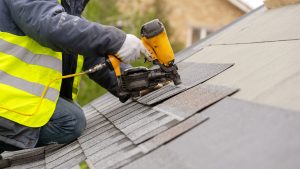
From flashing to sheathing, roof systems are complex and dangerous to work on. Misplaced fasteners or bad underlayment can invite leaks. For patches or full roof repairs, hire a professional roofer. They have harnesses, nail patterns, and manufacturer specs dialed in—professional intervention that prevents small issues from becoming costly repairs.
HVAC: Repairs That Require Specialized Knowledge
Your HVAC equipment and HVAC system combine gas, electricity, and combustion air. Most repairs require specialized tools and training. DIY filter swaps and thermostat programming are fine; refrigerant charging, control board swaps, and combustion analysis require professional expertise. When airflow, efficiency, or safety is at stake, hire a pro.
"We matched with a great contractor the same day. The whole process was easy and completely free."
Gas Appliance Repairs: Always Call a Professional
Leaks and improper venting can cause fires or carbon monoxide issues. If a gas line or valve is involved, call in an expert. This is one category where DIY vs pro isn’t a debate—professional help is non-negotiable.
Window and Door Replacements: Precision Over DIY
Improper shimming, flashing, or sealing creates drafts and water intrusion. If you’re not experienced, consider hiring a handyman for small drywall repairs and trim, and hire a professional installer for full-frame replacements so you don’t end up with damage to your home.
Asbestos & Mold: Professional Home Services Only
Asbestos abatement and mold remediation require containment, PPE, and disposal protocols. These home services demand professional home specialists who follow strict standards to protect your family.
Major Renovations and Remodels: Know When to Hire a Professional
Kitchen and bath projects blend electrical work, plumbing, framing, and finishes. Permitting, inspections, and sequencing make these poor candidates for a first-time DIY project. A general contractor coordinates subs and professional services so the home renovation stays on schedule and passes inspection.
How to Decide: DIY vs Pro—A Simple Framework
-
Safety & Code: If it risks shock, fire, flooding, or structural failure, call an expert.
-
Permits & Inspections: If a permit is required, plan to hire a professional.
-
Specialized Tools/Skills: If it requires professional expertise or specialized tools, avoid the DIY approach.
-
Cost of Failure: If mistakes trigger costly repairs, leave it to the pros.
-
Scope & Time: If you lack needed tools or time, call a handyman or the right contractor.
Why Hire a Licensed Professional
- Licensed & insured — protects you from liability
- Warranty coverage — manufacturers require pro installation
- Code compliance — avoids permit issues
- Faster completion — pros finish in days, not weeks
Finding the Best Repair Service for Your Project
Research and Recommendations
Ask friends and neighbors about handyman service or trade specialists they trust around your home. Use reputable home services marketplaces and read reviews to compare quality work.
DIY vs. Professional: At a Glance
Check Credentials and Experience
For electrical repairs, roof repairs, plumbing repairs, HVAC, and structural repairs, verify license, insurance, and certifications. Hiring a licensed professional protects you if something goes wrong.
Request Multiple Quotes
Compare scopes, timelines, and warranties from at least two or three providers. The lowest price isn’t always the best value—evaluate professional expertise and reputation.
Spring and summer are the busiest seasons for home improvement projects — top-rated contractors book up fast. Lock in your estimate now before demand peaks.
Check Availability in Your Area →Ask Questions
Clarify what types of repairs will be performed, what’s DIY-friendly vs requires professional work, and who pulls the permit. A solid repair service is transparent about process and pricing.
Check References
Call recent clients to confirm punctuality, cleanliness, and whether the provider helped ensure the job is done right the first time.
Review Contracts Carefully
Spell out materials, milestones, payments, and warranty terms before work begins. Clear expectations reduce surprises.
Ready to Move Forward?
Tell us about your project and get matched with up to 3 pre-screened contractors. Compare quotes, check reviews, and hire with confidence.
Trust Your Instincts
If communication is vague or pushy, it’s time to call someone else.
Quick Guide: Knowing When to Call
-
Small, Low-Risk Tasks: Caulk, paint touchups, minor drywall patches, basic fixture swaps—good DIY project candidates.
-
Medium Tasks: Faucet replacements and simple trim—okay if you have the knowledge or tools; otherwise call a handyman.
-
High-Risk/High-Skill: Panel work, gas, major roof or structural repairs, advanced wiring, and complex remodel tasks—call the pros.
Bottom Line for Homeowners
DIY projects can be rewarding, but owning a home means recognizing when repairs need to be done by experts. For certain repairs, professional intervention is the safest and most cost-effective path. Whether you call a handyman, call a professional, or engage a trade specialist, hiring a handyman or licensed trade can ensure the job is done correctly and protect your investment around your home.
If you’re unsure where your project lands on the DIY vs hire a pro spectrum, start with a quick consultation. A reputable repair service will help you decide whether to tackle a DIY approach or bring in an expert.