
Your garage door might not be the first thing you think about when upgrading your home. However, it’s one of the largest and most visible features on your exterior, and can instantly boost curb appeal, improve security, and even help lower energy bills. On the flip side, the wrong garage door can stick out for all the wrong reasons or create headaches down the road.
In this guide, we’ll break down the most popular types of garage doors, explain how each one works, and highlight the pros, cons, and best use cases for different homes. By the end, you’ll have a clear idea of what to look for and how to choose a garage door that fits your style, budget, and lifestyle.
Why Garage Door Type Matters
Choosing a garage door isn’t just about picking something that opens and closes. The type of garage door you choose affects how your home looks, how comfortable it feels, how much maintenance you’ll deal with, and even how much your home is worth. Since garage doors take up a huge portion of your home’s front exterior, the right style and material can make a noticeable difference.
Here’s what really matters when deciding on a garage door type:
Home Style Compatibility
Your garage door should match the overall style of your house, not fight against it. A sleek glass garage door might look amazing on a modern home, but it can feel totally out of place on a traditional colonial. On the flip side, carriage-style doors work great on farmhouse and craftsman homes but may feel too busy on a minimalist exterior.
When the garage door complements your home’s architecture, everything looks more polished and intentional. It’s one of the easiest ways to upgrade curb appeal without doing a full exterior remodel.
Climate and Insulation Considerations
Where you live plays a big role in which garage door type makes the most sense. If you’re in a cold climate, an insulated garage door can help keep temperatures more stable inside your garage and even reduce drafts that creep into your home. In hot or sunny areas, insulation and reflective materials can help keep the garage cooler and protect stored items from extreme heat.
If your garage is attached to your house, insulation becomes even more important. A poorly insulated door can make nearby rooms harder to heat or cool, which shows up on your energy bills.
Maintenance and Durability Factors
Not all garage doors age the same way. Some materials are basically “set it and forget it,” while others need regular care to stay looking good.
For example, steel and composite doors are known for being low maintenance and durable. Wood doors, while beautiful, usually require more upkeep like staining, sealing, or repainting. Aluminum and glass doors may need extra cleaning to keep fingerprints and dirt from showing.
Thinking about how much time and effort you want to spend on maintenance can help narrow down your options fast.
Resale Value Impact
Believe it or not, replacing or upgrading your garage door is one of the highest return-on-investment home improvements you can make. Since it’s such a visible feature, buyers notice it right away. A modern, well-matched garage door can make your home feel newer, better maintained, and more attractive from the street.
If you’re planning to sell in the future, choosing a popular, neutral style with good insulation and durability can help boost your home’s appeal and potentially increase its resale value.
1. Sectional Garage Doors
What They Are
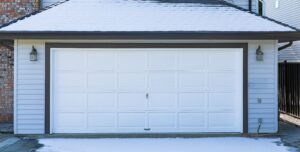
Sectional garage doors are the most common type you’ll see on homes today. They’re made up of multiple horizontal panels that are hinged together, allowing the door to bend as it opens and closes.
How They Operate
When you open a sectional door, the panels slide up on tracks and rest flat along the ceiling inside your garage. This design makes them extremely space-efficient and compatible with most garage layouts.
Pros and Cons
Pros:
- Works with automatic openers
- Good insulation options available
- Fits most garage sizes
- Wide variety of styles and materials
Cons:
- More moving parts can mean more maintenance over time
- Track systems take up ceiling space
Best for Which Homes
Sectional doors are ideal for most suburban homes, attached garages, and homeowners who want convenience, insulation, and modern functionality.
- Roll-Up Garage Doors
Common Residential vs Commercial Use
Roll-up garage doors are commonly used in commercial buildings, storage facilities, and warehouses. They’re also becoming more popular for residential use, especially in tight spaces.
Space-Saving Benefits
Instead of sliding along ceiling tracks, roll-up doors coil into a compact drum above the opening. This frees up ceiling space for storage, lighting, or garage gyms.
Cost Considerations
Residential roll-up doors tend to cost more than standard sectional doors due to heavier-duty materials and specialized hardware. However, their durability and compact design can be worth it in certain situations.
- Tilt-Up Garage Doors
Single-Panel Design Explanation
Tilt-up garage doors are made from one solid panel. When opened, the entire door tilts outward and then slides up into the garage ceiling.
Clearance Requirements
Because the door swings outward before opening fully, you’ll need extra driveway clearance. This can be an issue for short driveways or homes close to sidewalks.
Advantages and Disadvantages
Advantages:
- Simple design
- Lower upfront cost
- Fewer moving parts
Disadvantages:
- Less insulation options
- Takes up exterior space
- Not ideal for automatic openers
- Side-Hinged Garage Doors
Traditional Swing-Out Style
Side-hinged garage doors open outward like regular double doors. This style is popular in older homes and cottages.
Ideal Use Cases
They’re great for homeowners who frequently walk in and out of the garage without needing to fully open the door. They’re also useful when ceiling space is limited.
Installation Considerations
You’ll need enough space in front of the garage for the doors to swing open. Proper framing is also important to support the hinges and door weight.
- Slide-to-the-Side Garage Doors
Track System Overview
Slide-to-the-side garage doors move horizontally along a track and stack against one interior wall. Instead of going up, they move sideways.
Unique Benefits
This design works well for garages with limited ceiling height or unusual rooflines. It also allows partial opening, which is handy for ventilation or quick access.
Space Requirements
You’ll need clear wall space inside the garage for the door panels to stack properly.
- Carriage House Garage Doors
Design Aesthetics
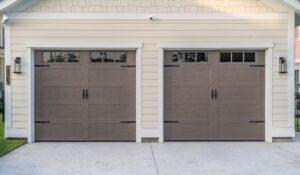
Carriage house garage doors are designed to look like old-fashioned barn or stable doors. They add instant charm and character to a home.
Modern Functionality vs Classic Look
Even though they look traditional, most modern carriage-style doors operate like sectional doors. You get the old-world appearance with modern convenience.
Material Options
Carriage doors are available in wood, steel, composite, and fiberglass, allowing homeowners to choose between authenticity and low maintenance.
- Glass Garage Doors
Contemporary Design Trend
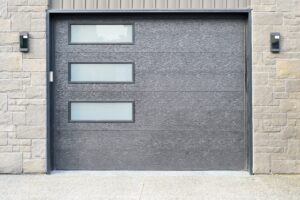
Glass garage doors are popular in modern and contemporary homes. They create a sleek, high-end look that stands out.
Light Transmission Benefits
One major perk is natural light. These doors allow sunlight to flood into the garage, making the space feel brighter and more usable.
Privacy and Insulation Tradeoffs
While stylish, glass doors offer less privacy and insulation unless you choose frosted or insulated glass panels. They also tend to be more expensive.
Garage Door Types by Material
Steel Garage Doors
Durability and Cost Advantages
Steel garage doors are the most popular option because they’re strong, affordable, and low maintenance. They’re resistant to warping and cracking and come in insulated and non-insulated versions.
Wood Garage Doors
Premium Appearance
Wood garage doors offer unmatched natural beauty and curb appeal. They’re perfect for custom homes and traditional designs.
Maintenance Requirements
Wood requires regular sealing or painting to protect against moisture, insects, and sun damage. This adds long-term maintenance costs.
Aluminum Garage Doors
Lightweight Benefits
Aluminum doors are lightweight, which puts less strain on garage door openers and hardware.
Corrosion Resistance
They’re a great option for coastal areas because aluminum doesn’t rust like steel. However, they can dent more easily.
Fiberglass Garage Doors
Weather Performance
Fiberglass holds up well in humid or salty environments and resists corrosion.
Dent Resistance
It’s more dent-resistant than aluminum, but extreme cold can cause brittleness over time.
Composite Garage Doors
Wood-Look Alternatives
Composite garage doors mimic the look of real wood without the heavy maintenance requirements.
Low Maintenance Advantages
They resist moisture, rot, and insects while offering strong durability and design flexibility.
Garage Door Types by Operation System
Manual Garage Doors
Manual doors open by hand and are typically cheaper upfront. They work well for detached garages or homeowners who want simple, low-tech solutions.
Automatic Garage Doors
Automatic garage doors use motorized openers for push-button convenience. They’re the standard choice for most modern homes.
Smart Garage Door Systems
Smart garage systems connect to your phone, allowing remote access, alerts, scheduling, and security monitoring. They’re becoming increasingly popular for safety and convenience.
Cost Comparison by Garage Door Type
Budget-Friendly Options
- Tilt-up doors
- Basic steel sectional doors
- Manual operation systems
Mid-Range Styles
- Insulated steel sectional doors
- Composite doors
- Carriage-style steel doors
Premium Garage Door Designs
- Real wood doors
- Glass garage doors
- Custom carriage house designs
Best Garage Door Types for Different Homes
Single-Car Garages
Sectional or tilt-up doors work well and offer cost-effective solutions.
Two-Car Garages
Wide sectional doors or double-door setups provide smooth operation and balanced aesthetics.
Detached Garages
Manual or simpler door styles can help reduce costs without sacrificing function.
Modern Homes
Glass, aluminum, and flush-panel steel doors complement clean architectural lines.
Traditional Homes
Carriage-style, wood-look composite, and paneled steel doors match classic home designs.
Energy Efficiency and Insulation Considerations
R-Value Explained
R-value measures how well a garage door insulates. Higher numbers mean better insulation and temperature control.
Climate-Specific Recommendations
Cold climates benefit from high R-value insulated doors, while hot climates benefit from reflective materials and thermal barriers.
Impact on Utility Bills
Insulated garage doors help stabilize indoor temperatures, especially for attached garages, which can reduce heating and cooling costs.
Common Garage Door Buying Mistakes
Choosing Style Over Insulation
Looks are important, but insulation often matters more for comfort and energy savings.
Ignoring Maintenance Needs
Some doors require regular upkeep. Not factoring this in can lead to unexpected costs later.
Underestimating Installation Costs
Hardware, track systems, insulation upgrades, and professional installation can significantly impact the final price.
Frequently Asked Questions
What Is the Most Popular Type of Garage Door?
Sectional garage doors are by far the most popular choice for homeowners. They’re affordable, easy to operate, work with automatic openers, and come in tons of styles and materials. Because they open vertically and sit flat along the ceiling, they also save space and fit most garage layouts. For many homeowners, sectional doors check all the right boxes: convenience, durability, and design flexibility.
Which Garage Door Type Lasts the Longest?
Steel and composite garage doors tend to have the longest lifespans. High-quality steel doors can last 20 to 30 years with basic maintenance, while composite doors often last even longer thanks to their resistance to moisture, rot, and insects. Wood doors can also last a long time, but only if they’re properly maintained with regular sealing and painting. The key factor isn’t just the material. It’s how well the door is installed and cared for over time.
Are Insulated Garage Doors Worth It?
In most cases, yes. Especially if your garage is attached to your home. Insulated garage doors help regulate temperatures, reduce drafts, and cut down on outside noise. They also make your garage more comfortable if you use it as a workshop, gym, or storage space. While insulated doors cost more upfront, many homeowners see long-term savings through improved energy efficiency and reduced wear on heating and cooling systems.
What Garage Door Type Adds the Most Home Value?
Garage doors that combine curb appeal, insulation, and durability tend to offer the biggest return on investment. Insulated steel doors and carriage-style designs are especially popular with buyers. According to remodeling industry reports, garage door replacements consistently rank as one of the top home improvement projects for ROI. A stylish, well-matched garage door can instantly make your home look newer and more appealing from the street.
Final Thoughts: Choosing the Right Garage Door Type
The best garage door isn’t always the most expensive one. It’s the one that fits your home, lifestyle, and budget. Some homeowners prioritize design and curb appeal, while others care more about insulation, durability, or low maintenance. Finding the right balance between price, appearance, and performance is what leads to the best long-term satisfaction.
A garage door isn’t something you replace every few years. It’s a long-term upgrade that affects your home’s comfort, security, energy efficiency, and resale value. Choosing a quality door and having it professionally installed can save you money on repairs, improve daily convenience, and boost your home’s overall value.
Not sure which garage door type is right for your home? A local garage door professional can help you compare styles, materials, insulation options, and pricing based on your specific needs.
Get connected with a trusted garage door installer today to receive expert recommendations and free quotes. Whether you’re upgrading for curb appeal, energy efficiency, or long-term durability, professional guidance can help you make the right choice the first time.

Anna has over six years of experience in the home services and journalism industries and serves as the Content Manager at MyHomePros.com, specializing in making complex home improvement topics like HVAC, roofing, and plumbing accessible to all. With a bachelor’s degree in journalism from Auburn University, she excels in crafting localized, comprehensive guides that cater to homeowners’ unique needs. Living on both coasts of the United States has equipped her with a distinctive perspective, fueling her passion for turning any house into a cherished home through informed, personalized decision-making.
Connect with top-rated local contractors who can help you with siding, roofing, HVAC, windows, and more. Get free quotes from verified professionals in your area today.