
Basement Remodel Cost Guide
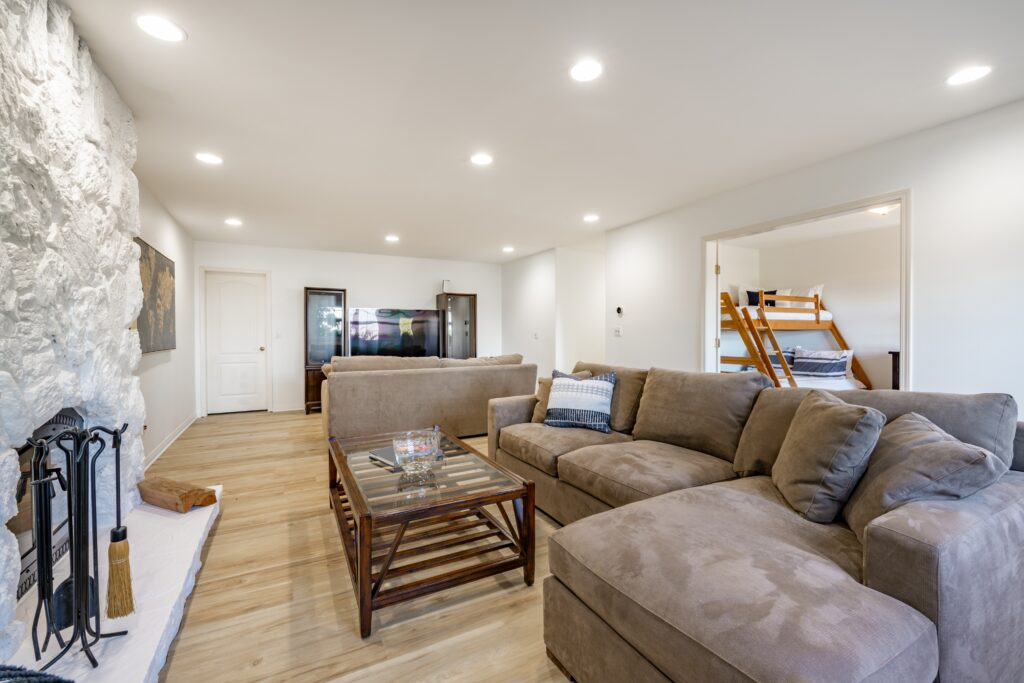
Basement remodels are one of the most popular home improvement projects. Whether you’re dreaming of a cozy guest suite, a playroom for the kids, or a home theater, finishing your basement is a smart way to add livable square footage without building an addition.
Plus, it’s an upgrade that can boost your home’s value. But before you start picking out flooring and paint colors, it’s important to understand what kind of investment you’re looking at.
In this guide, we’ll break down the average basement remodel cost, what factors into pricing, and how to budget wisely so you can bring your vision to life.
Table of Contents
- Average Basement Remodel Cost in 2025
- Key Factors That Affect Basement Remodel Costs
- Cost Breakdown by Basement Remodel Type
- Common Basement Remodel Add-Ons and Their Costs
- DIY vs. Hiring a Contractor: Cost Comparison
- How to Budget for Your Basement Remodel
- How to Find a Qualified Basement Remodeling Contractor
- FAQs
Average Basement Remodel Cost in 2025
So, how much does it actually cost to remodel a basement in 2025? Like most home improvement projects, the answer depends on a few key factors—but here’s a general idea to get you started.
On average, homeowners can expect to spend anywhere from $25,000 to $75,000 for a full basement remodel. That’s a pretty big range, but it reflects the wide variety of basement sizes, finishes, and upgrades people choose.
If you’re looking at it on a per-square-foot basis, remodeling typically costs between $40 and $100 per square foot. That means a 1,000-square-foot basement could run you anywhere from $40,000 for a simple renovation to over $100,000 for something high-end with all the bells and whistles.
Here’s a quick breakdown of what different budget levels might look like:
- Basic Remodel ($25,000–$40,000): Think fresh paint, new flooring, basic lighting, and maybe adding a wall or two for separation. This is a good option if your basement is already partially finished and you just want to clean it up and make it livable.
- Mid-Range Remodel ($40,000–$60,000): This might include adding a bathroom, upgrading electrical and HVAC, installing drywall, and making the space feel more like the rest of your home.
- High-End Remodel ($60,000–$100,000+): Here’s where you get into luxury territory—think custom built-ins, a wet bar or kitchenette, a home theater, or even an in-law suite. These projects often involve structural work, premium finishes, and custom design.
Key Factors That Affect Basement Remodel Costs
The total cost of your remodel depends on a variety of factors—some you can control, and others you just have to work with. Here’s a look at what can drive your basement remodel price up or down:
Size and Layout of the Basement
No surprise here—the bigger your basement, the more it’s going to cost to remodel. More square footage means more materials, more labor, and more time. And if your basement has a tricky layout or low ceilings, it may take extra planning and expense to make the space functional.
Existing Condition (Finished vs. Unfinished)
An unfinished basement usually costs more to renovate because you’ll need to add all the essentials from scratch—walls, insulation, floors, ceilings, lighting, and more. On the other hand, if your basement is already semi-finished, you might be able to save by building on what’s already there.
Permits and Code Requirements
Depending on where you live and what you’re adding (like a bathroom or bedroom), you may need permits—and those come with fees. Plus, your contractor will need to make sure everything meets local building codes, which might mean extra work like adding egress windows or upgrading electrical systems.
Labor and Material Costs in Your Region
Where you live plays a big role in how much you’ll spend. Labor and material costs can vary a lot from one region to another. If you’re in a high-cost area or your local contractor rates are steep, be prepared to pay more. On the flip side, areas with lower costs of living may offer more affordable remodel options.
Plumbing, Electrical, and HVAC Upgrades
If your dream basement includes a bathroom, kitchenette, or new lighting, you’ll need plumbing and electrical work. HVAC upgrades can also drive up costs, especially if your current system isn’t set up to heat or cool the basement properly. The more systems you’re adding or moving, the higher your bill will climb.
Moisture-Proofing or Waterproofing
Before you build anything, it’s crucial to make sure your basement is dry. If you’ve ever noticed musty smells, damp walls, or signs of water intrusion, you’ll need to address that first. Waterproofing solutions like sump pumps, drainage systems, or sealing can add several thousand dollars to your project—but skipping this step could mean major problems down the road.
Cost Breakdown by Basement Remodel Type
When it comes to remodeling your basement, there’s a wide range of options depending on your budget and goals. Whether you’re just looking to clean up the space or create a full-blown entertainment zone, here’s a breakdown of what different remodel types typically include—and what they might cost.
Basic Remodel: $25,000–$40,000
If you’re working with a modest budget or just want to make your basement livable, a basic remodel might be all you need. This type of project usually includes things like:
- Painting walls and ceilings
- Installing new flooring (think vinyl plank or carpet)
- Upgrading lighting
- Maybe adding a closet or partition wall
It’s a great option if your basement is already finished or semi-finished and just needs a refresh. Think of it as a cosmetic makeover—no major construction, but a huge improvement in comfort and appearance.
Standard Remodel: $40,000–$60,000
A standard remodel takes things a step further by turning your basement into a fully functional living space. You might use it as a family room, home office, or guest suite. These projects often include:
- Building out new rooms or dividing the space
- Installing drywall, insulation, and ceilings
- Basic plumbing work (like roughing in a bathroom or adding a laundry area)
- Upgraded finishes like recessed lighting, laminate or engineered wood flooring
- Adding storage or built-in shelving
This level of remodel adds real value to your home and gives you tons of usable square footage. It’s ideal if you want the basement to feel like an extension of the upstairs—not just an afterthought.
Luxury Remodel: $60,000–$100,000+
If you’re dreaming big, a luxury basement remodel can transform the space into a high-end retreat. These projects often include:
- Custom-built features (wet bar, home theater, wine cellar)
- A full bathroom or even a second kitchen
- Premium finishes (tile floors, designer lighting, stone countertops)
- Soundproofing, advanced HVAC, or smart home upgrades
- High-end cabinetry and custom trim work
This kind of remodel doesn’t just add space—it adds a wow factor. It’s perfect for homeowners who entertain often, have multi-generational living needs, or just want a top-notch space to enjoy.
Common Basement Remodel Add-Ons and Their Costs
Once you’ve got the basics of your basement remodel mapped out, it’s time to think about the extras—those add-ons that can take your space from “just finished” to fully functional and personalized.
Bathroom Installation ($10,000–$25,000+)
Adding a bathroom to your basement is one of the most valuable upgrades you can make—especially if you’re turning the space into a guest suite or entertaining area. Costs vary depending on whether you’re starting from scratch or already have rough-ins in place.
You’ll need plumbing, proper ventilation, waterproof finishes, and of course, all the fixtures. It’s a big-ticket item, but a basement bathroom can make the space way more usable.
Egress Windows ($3,000–$6,000 per window)
If you’re planning to add a bedroom in the basement, most building codes require an egress window for safety—and honestly, it’s a smart move anyway. These windows not only provide a legal emergency exit but also bring in natural light, which makes your basement feel less like a basement. Installing one can involve cutting through your foundation and adding a window well, so it’s not a small job.
Insulation and Soundproofing ($1,500–$5,000)
Nobody wants a chilly basement in the winter or echoey walls during movie night. Good insulation helps regulate temperature, cut down on energy bills, and make the space more comfortable. If your remodel includes a home theater or music space, consider soundproofing as well—it’s not just about keeping noise out, but keeping it in too (your upstairs neighbors will thank you).
Built-In Storage ($1,000–$5,000+)
Basements are storage goldmines, and built-ins can help you make the most of the space. Whether it’s custom shelving, under-the-stairs drawers, or a full wall unit, built-in storage keeps things organized without taking up extra floor space.
Wet Bar or Kitchenette ($5,000–$20,000+)
If you love to entertain, adding a wet bar or kitchenette can be a game changer. A basic setup might include a sink, mini fridge, and cabinets, while more elaborate designs can feature a microwave, dishwasher, and even an oven. Plumbing and electrical will factor into the cost, but it’s a popular add-on.
Home Gym or Office ($2,000–$15,000)
With more people working from home or prioritizing health and fitness, basement gyms and offices are popular remodeling trends. A simple home office might just need a desk, flooring, and good lighting, while a gym could require rubber flooring, mirrors, and equipment. Either way, these spaces can be tailored to your routine and make your basement a true extension of your lifestyle.
DIY vs. Hiring a Contractor: Cost Comparison
A lot of homeowners are tempted to go the DIY route to save money—and in some cases, it really can pay off. But before you bust out the power tools, it’s worth weighing the pros and cons of DIY vs. hiring a professional contractor.
DIY: The Budget-Friendly (But Risky) Option
The biggest perk of DIY is the potential cost savings. By handling the work yourself—especially the cosmetic stuff like painting, flooring, or installing trim—you can avoid labor charges, which often make up a huge chunk of the total remodel budget.
However, DIY can be time-consuming, stressful, and sometimes risky if you’re not experienced. Messing up drywall, overloading circuits, or improperly sealing against moisture can lead to costly repairs down the line. Plus, if you’re not familiar with local building codes, you might unknowingly do work that won’t pass inspection.
Hiring a Contractor
Bringing in a contractor may cost more upfront, but it usually comes with peace of mind and professional results. A good contractor will handle permits, source reliable subcontractors (like plumbers and electricians), and ensure everything is up to code. They can also help manage timelines and troubleshoot unexpected issues.
Typical Cost Difference
Depending on the scope of the remodel, DIY could save you 30–50% on labor costs. For example, a contractor-led basement remodel might run $50,000, while doing a chunk of the work yourself could bring that down to $30,000–$35,000. That said, any savings can quickly disappear if you make costly mistakes or have to redo work.
When to Hire a Pro
Here’s a good rule of thumb: If it involves plumbing, electrical, structural changes, or permits—call a pro. These are areas where experience (and a license) really matter. You can still DIY parts of the project—like painting, demo, or even installing flooring—while leaving the complex stuff to the experts.
How to Budget for Your Basement Remodel
A basement remodel is exciting—but if you’re not careful, the costs can add up fast. With a little planning and a smart approach to budgeting, you can create a space you love without blowing your savings. Here’s how to keep your finances on track from start to finish.
Set Your Priorities
Start by figuring out what you really want out of your basement. Is it a cozy family room? A guest suite? A game room for the kids? Knowing your end goal helps you focus your budget on the stuff that matters most.
Make a list of must-haves vs. nice-to-haves. For example, a bathroom might be essential, but custom built-ins or a wet bar could be saved for later. By setting priorities upfront, you’re less likely to get sidetracked by shiny upgrades you didn’t plan for.
Get Multiple Estimates
Before you commit to a contractor (or even to doing it yourself), get at least 2–3 estimates. Prices can vary a lot depending on who you talk to, and having a few quotes helps you understand what’s reasonable for your area and project scope.
Use Smart Cost-Saving Strategies
A basement remodel doesn’t have to be all or nothing. If you’re on a tight budget, consider doing the project in phases—finish the main space now and add the bathroom or wet bar later.
Also, be strategic about materials. There are plenty of budget-friendly options that still look great—like luxury vinyl plank instead of hardwood, or ready-to-assemble cabinets instead of custom ones.
Explore Financing Options
If your remodel is a bit out of reach financially, financing can help bridge the gap—just make sure you borrow responsibly and understand the terms. A few common options include:
- HELOC (Home Equity Line of Credit): Good for larger projects; you borrow against your home’s equity and pay as you go.
- Home Improvement Loan: A personal loan tailored for renovations—typically has fixed terms and doesn’t require home equity.
- Cash-Out Refinance: You refinance your mortgage for more than you owe and use the difference for your remodel.
- Credit Cards: Only a good idea if you’re tackling a small project and can pay it off quickly to avoid interest.
How to Find a Qualified Basement Remodeling Contractor
Hiring the right contractor can make or break your basement remodel. A good contractor will bring your vision to life, keep things on schedule, and help you avoid costly mistakes. But with so many options out there, how do you know who to trust? Here’s how to find the right pro for the job.
What to Look For
First things first—make sure any contractor you’re considering is licensed and insured. That’s your basic protection if something goes wrong. Licensing shows they’re legit and meet your state’s requirements, while insurance covers you in case of accidents or damage.
Next, look for experience with basement remodels specifically. You don’t want someone who’s only done kitchens or decks trying to figure out how to handle your basement’s moisture issues, low ceilings, or egress window installation.
Also, check if they handle permits and inspections—that’s a sign they know the process and won’t leave you with a project that doesn’t meet code.
Questions to Ask During Consultations
Once you’ve narrowed it down to a few potential contractors, it’s time to talk. Don’t be afraid to ask questions—it’s your home and your money, after all. Here are a few to get the ball rolling:
- How long have you been remodeling basements?
- Do you have a portfolio or photos of past work?
- Are you licensed and insured in this state?
- Will you handle permits and inspections?
- What’s your projected timeline for a job like this?
- Do you use subcontractors, and if so, who handles scheduling and oversight?
- How do you handle unexpected issues or changes during the project?
- Can I get a detailed written estimate?
Their answers—and how they communicate—will give you a good sense of their professionalism and whether they’re the right fit.
Check Reviews and Ask for Referrals
Online reviews are a goldmine. Look for patterns—if multiple people mention missed deadlines or communication problems, that’s a red flag. If reviews consistently praise their work ethic and attention to detail, you’re probably in good hands.
Also, don’t skip the referrals. Ask the contractor for a few recent homeowner contacts and actually follow up. Ask about their experience, whether the project stayed on budget, and if they’d hire the contractor again.
FAQs
How long does a basement remodel take?
It depends on the size and complexity of the project, but most basement remodels take anywhere from 4 to 12 weeks. A basic refresh with new paint and flooring could be done in a month or less, while a full remodel—especially one with a bathroom or kitchen—can take a couple of months. Keep in mind that permit approvals, unexpected repairs, or custom orders (like cabinetry) can add time, so it’s always smart to build in a little buffer.
Can I remodel a basement that has moisture issues?
Yes—but you’ll want to deal with the moisture problems first. Ignoring them will only lead to headaches later, like mold, musty smells, or damage to your brand-new finishes. A contractor can help assess whether you need waterproofing, a sump pump, better drainage, or just a good sealant. It might add to your upfront cost, but fixing moisture issues early is way cheaper than tearing everything out to fix a damp disaster later on.
Will a basement remodel increase home value?
In many cases, yes! A finished basement adds livable square footage, which can be a huge selling point. Homeowners often see a return on investment (ROI) of around 70–75% depending on the quality of the remodel and local market conditions. Even if you’re not planning to sell anytime soon, the added functionality—a guest room, home office, gym, or rental space—can make your day-to-day life a whole lot better.
Conclusion
Remodeling your basement is a big project, but it can also be one of the most rewarding upgrades you make to your home. From expanding your living space to increasing your home’s value, there’s a lot to love about a well-done basement makeover.
Just remember—costs can vary widely depending on the size of your basement, the scope of the project, and the features you want to include. Setting clear priorities, getting multiple estimates, and understanding where to save can help keep your remodel on budget.
And if you’re ever unsure? Bring in a pro. A qualified contractor can guide you through the process, help you avoid costly mistakes, and make sure your new basement is safe, stylish, and built to last. With the right planning, your basement remodel can go from a “someday” idea to your favorite space in the house.

Anna has over six years of experience in the home services and journalism industries and serves as the Content Manager at MyHomePros.com, specializing in making complex home improvement topics like HVAC, roofing, and plumbing accessible to all. With a bachelor’s degree in journalism from Auburn University, she excels in crafting localized, comprehensive guides that cater to homeowners’ unique needs. Living on both coasts of the United States has equipped her with a distinctive perspective, fueling her passion for turning any house into a cherished home through informed, personalized decision-making.
Connect with top-rated local contractors who can help you with siding, roofing, HVAC, windows, and more. Get free quotes from verified professionals in your area today.