
DIY Pest Control Guide
Pests are one of those home issues that seem to pop up out of nowhere. One day everything’s fine, and the next you’ve got ants in the kitchen, spiders in the corners, or something scratching around in the garage at night. For a lot of homeowners, the first question is simple: Do I really need to call a pest control company for this, or can I handle it myself?
That’s where DIY pest control comes in. Many common household pests can be managed with the right products, a little patience, and some basic prevention. When infestations are small and caught early, DIY solutions can be surprisingly effective.
Another big reason homeowners go the DIY route is cost. Professional pest control plans can add up quickly, especially if you’re paying for ongoing service. DIY pest control typically costs a fraction of that and gives you more control over what’s being used in and around your home. For many people, it’s a practical way to keep pests in check without committing to a long-term service contract.
What Is DIY Pest Control?
DIY pest control is handling minor pest problems yourself using store-bought treatments, natural remedies, and preventive steps instead of hiring a professional exterminator. It usually focuses on stopping pests early, keeping them from coming back, and managing the kinds of infestations that are more annoying than dangerous.
For most homeowners, DIY pest control works well for common, low-risk pests, including:
- Ants and sugar ants
- Spiders
- Flies and gnats
- Stink bugs and other seasonal invaders
- Roaches caught early
- The occasional mouse (not a full infestation)
These pests tend to respond well to baits, traps, sprays, and basic home maintenance like sealing gaps and removing food sources.
That said, DIY pest control isn’t always the right answer. It’s best suited for small or early infestations and routine prevention. If pests keep coming back no matter what you do, if you’re dealing with structural damage (like termites), or if there are health concerns involved, it’s usually time to call in a professional. The goal of DIY pest control isn’t to replace experts. It’s to handle manageable problems safely and cost-effectively before they turn into something bigger.
Common Household Pests You Can Control Yourself
Most homeowners end up dealing with the same handful of pests at some point, and the good news is that many of them are very manageable with DIY pest control, especially if you catch them early. These pests are usually more annoying than dangerous and respond well to basic treatments and prevention.
Ants are probably the most common culprit. Sugar ants and pavement ants are especially DIY-friendly because they’re usually after food and water. Using bait stations, wiping down trails, and sealing entry points can often solve the problem without much effort.
Roaches sound intimidating, but small, early infestations can often be handled on your own. Baits and traps tend to work better than sprays, since they target the nest instead of just the roaches you see. The key is acting quickly. Once a roach problem grows, DIY becomes much harder.
Spiders are mostly a nuisance. They tend to hang out where other bugs are present, so reducing their food supply does most of the work for you. Regular cleaning, sealing cracks, and light perimeter sprays usually keep spider activity under control.
Flies and gnats are often tied to something specific, like garbage, fruit, drains, or moisture. Fixing the source usually solves the issue faster than spraying alone.
Rodents, like the occasional mouse, can also be handled DIY if it’s truly a one-off problem. Traps and sealing entry points are usually enough. If you’re hearing noises regularly or spotting droppings often, though, that’s a sign the issue may be bigger than DIY.
Seasonal invaders like stink bugs, earwigs, and boxelder bugs show up at certain times of the year looking for warmth or shelter. They don’t usually nest indoors, which makes them easier to control with exterior treatments, sealing gaps, and vacuuming up the ones that sneak inside.
In general, if the pest problem is limited, predictable, and not causing damage, DIY pest control is often all you need.
DIY Pest Control Methods Explained
When it comes to DIY pest control, the biggest mistake homeowners make is jumping straight to sprays. The most effective pest control plan starts with prevention, then layers in treatments only where they’re actually needed. Here’s how to approach it.
Preventive Pest Control (Your Best Defense)
Prevention really is easier and cheaper than treatment. Most pests are just looking for three things: food, water, and shelter. If your home doesn’t offer much of that, they’ll usually move on.
Start by sealing cracks and gaps around doors, windows, siding, and utility lines. Even tiny openings can be an open invitation for ants, spiders, and mice. Weatherstripping and caulk go a long way here.
Next, fix leaks and eliminate standing water. Dripping pipes, damp basements, and clogged gutters attract pests fast. Moisture is a huge trigger for insects like roaches and gnats.
Inside the house, store food in sealed containers and wipe down counters regularly. Pests don’t need much, just a few crumbs can keep them coming back. Along the same lines, keep trash sealed and take it out regularly, especially food waste.
Outside, don’t forget the yard. Trim bushes, shrubs, and vegetation away from your home, and avoid piling mulch or leaves directly against the foundation. The less cover pests have near your house, the less likely they are to move inside.
At the end of the day, a clean, sealed home is simply less attractive to pests, and that’s half the battle.
Natural and Non-Toxic Pest Control Options
If you’re trying to limit chemicals, there are plenty of natural options that can help with light pest activity.
Diatomaceous earth is a popular choice for ants, roaches, and other crawling insects. It works by damaging their outer shells, but it’s safe for people and pets when used correctly. Sprinkle it lightly in cracks, along baseboards, or near entry points.
Essential oils like peppermint, tea tree, and eucalyptus act as natural repellents. You can mix them with water and spray entry points, window sills, and problem areas. These won’t kill pests, but they can help keep them away.
Vinegar solutions are great for ants and flies. Vinegar disrupts scent trails and helps discourage repeat visits, especially in kitchens and trash areas.
For roaches, some homeowners swear by a baking soda and sugar mix. The sugar attracts them, and the baking soda does the work. It’s not instant, but it can help in early-stage problems.
Just keep expectations realistic. Natural solutions work best as part of an overall prevention plan, not as a one-time fix for a serious infestation.
Over-the-Counter Pest Control Products
When prevention and natural methods aren’t enough, store-bought pest control products can be very effective when used correctly.
- Sprays are useful for quick knockdown when you see pests, but they’re usually short-term solutions.
- Baits are often the best option for ants and roaches because they target the source, not just the ones you see.
- Traps work well for rodents and certain insects and help you monitor activity levels.
- Outdoor perimeter granules and sprays create a protective barrier around your home and help stop pests before they get inside.
The biggest rule here: always follow the label instructions. Using more products won’t make it work faster. Targeted, measured use is far more effective than overdoing it.
When combined with good prevention habits, these DIY methods can keep most everyday pest problems well under control.
A Simple Step-by-Step DIY Pest Control Plan
DIY pest control doesn’t have to be complicated. In fact, the best results usually come from following a simple, repeatable process instead of randomly spraying and hoping for the best. Here’s an easy way to approach it.
Start by inspecting your home. Take a few minutes to look around inside and outside for signs of activity. This might include droppings, nests, chewed materials, grease marks, or small holes along baseboards, walls, and foundations. Pay extra attention to kitchens, bathrooms, basements, garages, and entry points like doors and windows. You don’t need to find everything, just enough to understand where the problem is starting.
Next, identify the pest. This step is more important than it sounds. Ants, roaches, spiders, and mice all respond to different treatments. Using the wrong product can waste time or even make the problem worse. If you’re not sure what you’re dealing with, a quick online search or comparison photo usually clears things up.
Once you know what the pest is, choose the right solution. Some situations call for bait, others for traps, and some just need better prevention. For example, ants and roaches usually respond best to baits, while spiders are better controlled through sealing and perimeter treatments. Sprays can help with immediate relief, but they’re rarely a long-term fix on their own.
Then, apply treatments safely. Decide whether the issue is mainly indoors, outdoors, or both. Follow label instructions closely, keep kids and pets away from treated areas, and don’t mix products.
Finally, monitor and repeat if needed. Most DIY pest treatments take time, and it’s normal to need follow-up applications. Check activity levels over the next few days or weeks and adjust as needed. If pests keep coming back despite consistent treatment, it may be time to reassess or call a professional.
Consistency matters more than strength. Regular inspections, preventive steps, and light treatments almost always work better than a single heavy-handed approach.
DIY Pest Control Safety Tips
DIY pest control can be effective, but safety should always come first, especially when you’re using sprays, baits, or powders inside your home. A few basic precautions can make a big difference.
First, keep all pest control products out of reach of kids and pets. Even products labeled “pet-safe” or “natural” can cause problems if ingested or handled incorrectly. Store everything in a locked cabinet or high shelf, and never leave products out after use.
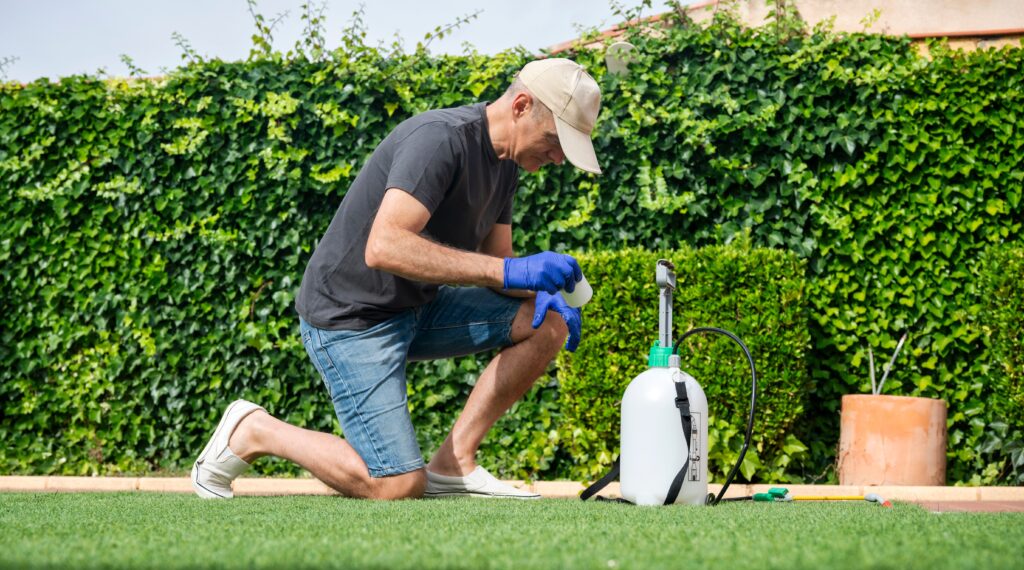
When applying any chemical treatment, wear gloves and avoid direct skin contact. This helps protect your hands and prevents you from accidentally transferring chemicals to food surfaces, doorknobs, or your face.
Never mix pest control products. Combining sprays or solutions can create dangerous fumes or reduce effectiveness. If one product doesn’t work, stop and switch strategies rather than layering treatments.
After spraying indoors, ventilate the area. Open windows, turn on fans, and give the space time to air out before kids or pets return. Fresh air helps reduce lingering odors and exposure.
Always store products according to the label instructions, including temperature recommendations and expiration dates.
And finally, trust your instincts. If something feels unsafe, stop and reassess. DIY pest control should feel manageable, not risky. When in doubt, it’s okay to pause, do more research, or call a professional.
DIY Pest Control by Area of the Home
One of the easiest ways to make DIY pest control more effective is to focus on the areas pests actually care about most. Different parts of your home attract different pests, so tailoring your approach can save you time and frustration.
Kitchen
The kitchen is pest central because it’s full of food and water. Start by paying attention to food storage, crumbs, and sinks. Wipe down counters regularly, sweep or vacuum floors, and keep pantry items in sealed containers. Don’t forget places like under appliances and inside cabinets. Those are favorite hiding spots for ants and roaches. If pests keep showing up near the sink, check for leaks or standing water and clean drains to remove food buildup.
Bathrooms
Bathrooms attract pests because of moisture. Drains, leaky faucets, and damp areas are common problem spots. Pouring a drain cleaner or natural solution down sinks and tubs can help with gnats and flies. Fixing small leaks and using exhaust fans to reduce humidity makes the space much less inviting to bugs.
Basements & Crawl Spaces
Basements and crawl spaces are often dark, cool, and damp, basically a dream setup for pests. Focus on sealing gaps and managing humidity. Use caulk or foam to close cracks in walls and foundations, and consider a dehumidifier if the area stays damp. Keep stored items off the floor and avoid cardboard boxes, which pests love.
Garages
Garages are common entry points for pests, especially rodents and spiders. Keep the space tidy, store items in sealed bins, and avoid leaving pet food or bird seed out in the open. Check weatherstripping around the garage door and seal any gaps where mice could squeeze through.
Yard
Your yard is the front line of pest control. Treat foundations, seal entry points, and eliminate standing water around the home. Keep mulch and vegetation a few inches away from the foundation, clean out gutters, and avoid leaving water in planters or birdbaths for too long. A simple perimeter treatment can help stop pests before they ever make it inside.
In the end, outdoor prevention goes a long way toward reducing indoor problems. When pests don’t feel welcome outside, they’re much less likely to try their luck inside your home.
How Much Does DIY Pest Control Cost?
One of the biggest reasons homeowners choose DIY pest control is the cost savings. For most people, DIY supplies add up to about $50 to $150 per year. That usually covers routine treatments and the occasional seasonal pest issue.
Compare that to professional pest control services, which often run $300 to $800 or more per year, especially if you’re on a recurring service plan. DIY can save you hundreds annually, which is a big win for smaller, manageable pest problems.
That said, DIY pest control isn’t completely hands-off. You’re trading money for time and attention. You’ll need to inspect your home occasionally, reapply treatments, and stay consistent. For many homeowners, that trade-off is worth it.
Common DIY Pest Control Mistakes to Avoid
DIY pest control works best when it’s done thoughtfully. A few common mistakes can make even good products feel ineffective.
One of the biggest issues is treating the symptoms instead of the source. Killing the bugs you see without fixing entry points, moisture problems, or food sources usually leads to repeat infestations.
Another common mistake is using the wrong product for the pest. Not all ants respond to the same bait, and sprays aren’t ideal for every situation. Identifying the pest first makes a huge difference.
Many homeowners also skip preventive steps, like sealing gaps or cleaning problem areas, and then wonder why treatments don’t last. Prevention is what keeps pests from coming back.
It’s also important to manage expectations. DIY pest control rarely works instantly. Most treatments take time, and some pests require follow-up applications.
Finally, avoid overusing chemicals. More product doesn’t equal better results. It can be unsafe and may actually push pests deeper into walls or other hiding places.
In short, DIY pest control works best when it’s targeted, consistent, and patient.
When DIY Pest Control Isn’t Enough
As helpful as DIY pest control can be, there are times when it’s simply not the right solution. It’s a good idea to call a professional if you notice pests returning quickly after treatment, which often means there’s a larger problem you can’t see.
Other red flags include signs of nesting or breeding, structural damage, or health risks like bites, droppings, or contamination. These situations usually require specialized equipment and expertise.
Certain pests should almost always be handled by professionals. For example, termites and rodents can cause serious damage and are rarely solved with DIY methods alone.
DIY pest control is a great tool for homeowners, but knowing when to stop and call for help is just as important as knowing how to start.
DIY Pest Control FAQs
Is DIY pest control effective long-term?
Yes, especially when it’s paired with prevention and regular upkeep. DIY pest control works best as an ongoing routine, not a one-time fix. Sealing entry points, reducing moisture, and keeping things clean go a long way toward making sure pests don’t keep coming back.
Are natural pest control methods safe?
Generally, yes. Natural options like essential oils, diatomaceous earth, and vinegar are usually safer around kids and pets when used correctly. Just keep in mind that they’re often less powerful than chemical treatments, so they work best for light pest activity or as part of a broader prevention plan.
How often should I treat my home?
Most DIY pest control treatments are applied monthly or seasonally, depending on the pest and the product. Some baits last longer, while sprays and perimeter treatments may need regular reapplication, especially after heavy rain or seasonal changes.
Can DIY pest control make things worse?
It can, if pests are misidentified or products are misused. Using the wrong treatment might scatter pests, push them deeper into walls, or simply fail to solve the problem. Taking a little time to identify the pest and choose the right approach helps avoid these issues.
Final Thoughts: Is DIY Pest Control Right for Your Home?
DIY pest control is a smart, budget-friendly option for many homeowners, especially when it comes to routine maintenance and small, manageable infestations. When done consistently and correctly, it can keep common pests under control without the cost of ongoing professional services.
The key is knowing your limits, staying patient, and focusing on prevention. For larger or recurring problems, combining DIY prevention with occasional professional help often gives you the best results and peace of mind.

Anna has over six years of experience in the home services and journalism industries and serves as the Content Manager at MyHomePros.com, specializing in making complex home improvement topics like HVAC, roofing, and plumbing accessible to all. With a bachelor’s degree in journalism from Auburn University, she excels in crafting localized, comprehensive guides that cater to homeowners’ unique needs. Living on both coasts of the United States has equipped her with a distinctive perspective, fueling her passion for turning any house into a cherished home through informed, personalized decision-making.
Connect with top-rated local contractors who can help you with siding, roofing, HVAC, windows, and more. Get free quotes from verified professionals in your area today.