
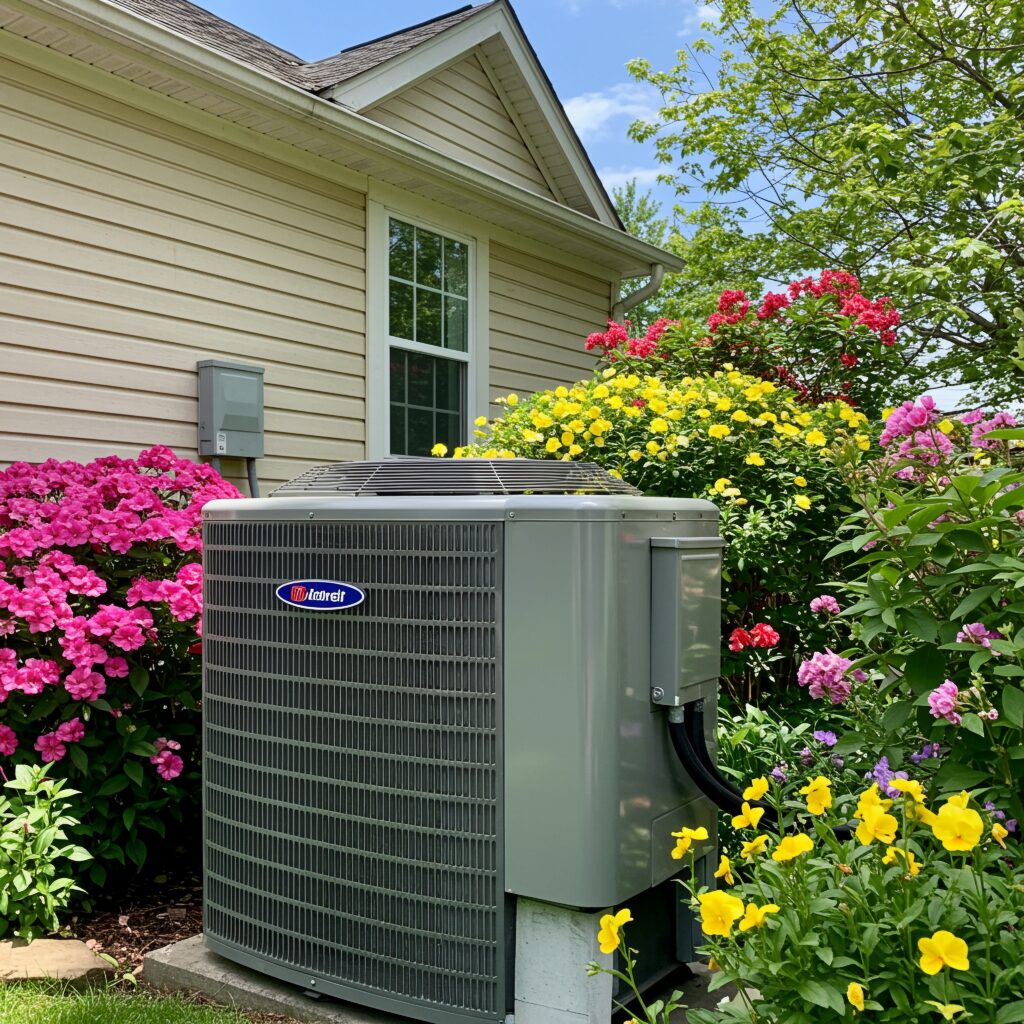
If your air conditioner starts acting up, the big question comes quickly: Should you repair it or replace it?
It’s not always an easy call. A quick fix might seem cheaper upfront, but it’s not always the smartest long-term move, especially if your system is older or struggling to keep up. The right decision comes down to a mix of cost, age, performance, and how long you plan to stay in your home.
Here’s how to think through it like a homeowner who wants both comfort and value.
How Your Air Conditioner Works (And Why It Breaks Down)
Your AC system is essentially a heat transfer machine. It pulls warm air from inside your home, removes the heat, and cycles cooled air back through your ducts. This process depends on several key components all working together.
Over time, those parts naturally wear down. In hot, humid climates, your system works even harder, which can speed up that wear and tear. Issues like refrigerant leaks, electrical failures, or clogged coils tend to build gradually, which is why small performance problems often show up before a full breakdown happens.
Signs Your AC System Needs Repair
Not every issue means your system is on its last leg. In many cases, a targeted repair can restore performance and buy you several more years.
If your AC is still cooling but not quite like it used to, that’s often a sign of a manageable problem. You might notice airflow isn’t as strong, certain rooms feel warmer than others, or your system starts making unusual noises. Sometimes it’s something as simple as a failing capacitor or a dirty coil, both relatively inexpensive fixes.
When your system is under 10 years old and hasn’t had a history of issues, repairing it is usually the most practical choice. A one-time repair that costs a few hundred dollars can be a smart investment if it keeps your system running efficiently for several more seasons.
Signs It’s Time to Replace Your AC Unit
There’s a point where repairs stop making sense, and many homeowners wait too long to recognize it.
If your AC is over 10 to 15 years old and breaking down more frequently, those repair bills can start to stack up quickly. You might fix one issue, only for another to pop up a few months later. At that stage, it’s less about fixing a problem and more about managing a system that’s nearing the end of its life.
Another major factor is efficiency. Older systems are significantly less efficient than newer models. That often shows up as steadily rising energy bills, even if your usage hasn’t changed.
If your home never quite feels comfortable, struggles with humidity, or has inconsistent temperatures, those are all signs your system may no longer be capable of keeping up.
AC Repair vs Replacement Cost Breakdown (2026 Guide)
Cost is usually the biggest factor in this decision, and it helps to look at both the short-term and long-term picture.
Most AC repairs fall somewhere between a few hundred and a few thousand dollars, depending on the issue. Smaller fixes like replacing a capacitor or thermostat are relatively inexpensive, while larger repairs like a compressor can get costly fast.
A full AC replacement is a bigger investment, typically ranging from $5,000 to $12,000 or more depending on the system size and efficiency level. High-efficiency units cost more upfront but can reduce your monthly energy expenses.
One of the most helpful guidelines homeowners use is the “50% rule.” If a repair is going to cost half as much as a new system, replacement is usually the better long-term choice. Another quick formula is multiplying the repair cost by the age of your system. If that number is high, it’s often a sign replacement makes more financial sense.
Energy Efficiency: Why Replacement Can Pay Off
One of the biggest advantages of replacing your AC is improved efficiency. Newer systems are built to meet higher standards, meaning they use less energy to cool your home.
In a place like North Carolina, where your AC runs for much of the year, that efficiency can translate into noticeable monthly savings. Over time, those lower energy bills can help offset the initial cost of a new system.
There are also potential incentives to consider. Depending on the year and available programs, homeowners may qualify for tax credits or rebates when installing high-efficiency HVAC systems, making replacement more affordable than it initially appears.
Comfort, Air Quality, and Modern Features
Beyond cost, replacement often comes with a noticeable upgrade in how your home feels day to day.
New systems do a better job of maintaining consistent temperatures, which means fewer hot or cold spots throughout your home. They also manage humidity more effectively, helping your home feel cooler without overworking the system.
You’ll also gain access to newer technology, like smart thermostat compatibility, quieter operation, and improved air filtration. These aren’t just nice-to-have features. They can make a real difference in comfort and indoor air quality.
Pros and Cons of Repair vs Replacement
Repairing your AC is appealing because it’s faster and less expensive upfront. If the issue is minor and your system is relatively new, it can be a practical way to extend its lifespan without a major investment.
However, repairs can become a temporary solution if problems keep recurring. You may find yourself spending more over time while still dealing with an inefficient system.
Replacement, on the other hand, requires a larger upfront cost but offers long-term benefits. You’ll likely see lower energy bills, fewer repairs, and better overall performance. The tradeoff is the initial investment and the time required for installation.
Key Questions to Ask Before Deciding
If you’re on the fence, it helps to step back and look at the bigger picture. Think about how old your system is, how often it needs repairs, and whether your energy bills have been creeping up.
Also consider your long-term plans. If you plan to stay in your home for several years, investing in a new system may make more sense. If you’re planning to move soon, a repair might be enough to get by.
Ultimately, the decision isn’t just about fixing a problem. It’s about choosing the option that gives you the best value over time.
Repair or Replace? A Simple Way to Decide
In general, newer systems with minor issues are worth repairing, while older systems with frequent problems are better replaced. If your AC is still relatively young and reliable, a repair can keep things running smoothly. But if it’s aging, inefficient, and costing you more each year, replacement is usually the smarter move.
How to Choose the Right HVAC Contractor
No matter which route you take, the contractor you choose plays a big role in the outcome.
A good HVAC professional will evaluate your system honestly and walk you through both options, not just push you toward the more expensive one. Look for someone who is licensed, insured, and experienced in your local area. Getting a couple of quotes can also help you feel confident you’re making the right call.
Final Verdict: Repair vs Replace
There’s no one-size-fits-all answer, but there is a clear way to think about it.
If your AC is newer, the issue is minor, and the repair cost is reasonable, fixing it is often the right choice. But if your system is older, inefficient, and becoming unreliable, replacement is usually the better investment.
The key is to look beyond the immediate cost and consider how your decision will impact your comfort, energy bills, and peace of mind over the next several years.
FAQs About AC Repair vs Replacement
Is it worth fixing a 10-year-old AC unit?
It can be, especially if the repair is minor. But if the repair is expensive or your system has had multiple issues, replacement may be the better long-term option.
How many times should you repair an AC before replacing it?
If you’re calling for repairs every year, that’s a strong sign your system is nearing the end of its life.
Can replacing my AC lower my energy bill?
Yes. Newer systems are significantly more efficient and can reduce your monthly cooling costs.
How long does a new AC unit last?
Most systems last between 12 and 20 years with proper maintenance.
Should I replace my furnace and AC at the same time?
If both systems are older, replacing them together can improve efficiency and save on installation costs.
Get Expert Help Before You Decide
If you’re still unsure, the best next step is to have a professional take a look. A qualified HVAC technician can evaluate your system, explain your options, and help you make a decision that fits your home and budget.

Anna has over six years of experience in the home services and journalism industries and serves as the Content Manager at MyHomePros.com, specializing in making complex home improvement topics like HVAC, roofing, and plumbing accessible to all. With a bachelor’s degree in journalism from Auburn University, she excels in crafting localized, comprehensive guides that cater to homeowners’ unique needs. Living on both coasts of the United States has equipped her with a distinctive perspective, fueling her passion for turning any house into a cherished home through informed, personalized decision-making.
Connect with top-rated local contractors who can help you with siding, roofing, HVAC, windows, and more. Get free quotes from verified professionals in your area today.