
What Are the Key Components of HVAC Systems?
HVAC systems are great when they work, keeping your home comfortable. But when they break down, they can feel like life’s biggest mystery unless you know the HVAC components, how they work, and when to seek professional help.
It’s crucial for homeowners to understand how an HVAC system works, what repairs or maintenance tasks they can do themselves, and when to consult a professional. We’ve compiled a guide for the components of HVAC systems and what they do. In addition, we’ll provide actionable maintenance tips to help keep your system in good condition.
Table of Contents
What is an HVAC System?
Your HVAC system is your heating, air conditioning, and ventilation system. It’s responsible for keeping your home cool in the summer and warm in the winter. It also helps control humidity levels and improves your home’s air quality.
The purpose of an HVAC system is to maintain a comfortable home temperature regardless of the weather. It includes an air conditioner, furnace, ductwork, and sometimes a humidifier. Regular maintenance and prompt repairs are essential to ensure your home’s comfort and extend the system’s lifespan.
Key Components of HVAC Systems
The key components of an HVAC system work together to achieve the ideal temperature in your home, including the following.
- Thermostat
The thermostat controls your HVAC system. Depending on the temperature you set it at determines whether the furnace or air conditioner must run. Thermostats are located where they are easy to access but aren’t affected by direct sunlight or other external factors that could affect their function.
- Air Handler
The air handler holds the components that cool your home. It’s located inside your home and holds the blower, blower motor, evaporator coil, and air filter. The air handler circulates the cooled air throughout your home.
- Evaporator Coil
The evaporator coil is responsible for taking the heat from your house and cooling it with the refrigerant that passes through it. When hot air comes into contact with the cold coil, it evaporates the refrigerant and condenses the moisture in the air. This helps keep the air less humid and circulates the cold air back into the house.
- Condenser Coil
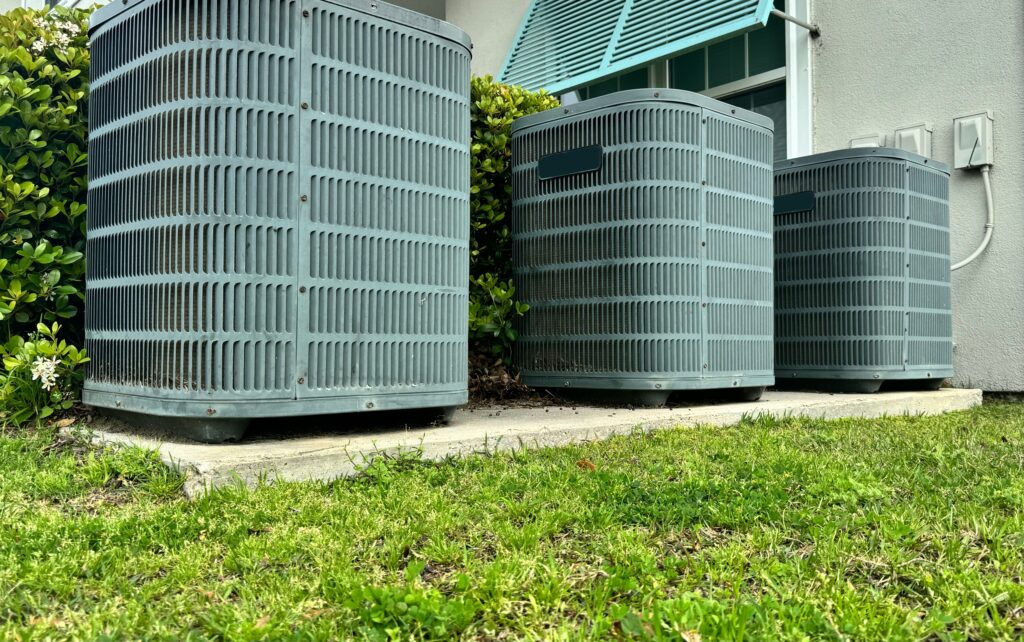
The condenser coil is in the AC unit outside your house. It works with the evaporator coil to keep the house cool. The condenser removes hot air from the house and releases it outdoors. If the condenser coil doesn’t work, you cannot have cool air in your home.
- Heat Exchanger
The heat exchanger is responsible for warming your home in the winter. It absorbs heat from combustion gases and transfers it to the air in the exchanger. This air moves from the exchanger into the ductwork, providing heat to your home.
- Ductwork
The air ducts are how the cooled or heated air reaches your home. They ensure the heated and cooled air reaches each room and creates the desired temperature.
- Refrigerant Lines
Refrigerant lines are copper pipes that transfer the refrigerant from the condenser and evaporator coil. They are integral to cooling your home.
- Combustion Chambers
The combustion chamber is responsible for creating heat in your house. It burns natural gas (in most cases) to produce heat, which goes to the heat exchanger and into your home.
- Blower Motor
The blower motor provides the force that sends cool or warm air throughout your home. It powers the fan that pushes the air into your home, sending it through the ductwork.
How to Care for Your HVAC System
Knowing how to care for the HVAC components is the key to a properly functioning system that keeps your home at the desired temperature.
Here are the best ways to care for your system.
Regular Maintenance
Regular inspections and tune-ups are not just recommended, they are crucial to the functioning of your HVAC system. It’s a good practice to have the AC checked in the spring and the furnace checked in the fall.
A professional inspection can detect any immediate issues or potential problems that could disrupt your system’s operation. By addressing these issues early on, you can prevent costly repairs and ensure your system continues to keep your home comfortable.
During the inspection, professionals can also clean the HVAC system to ensure it runs smoothly. If they suspect any problems during the inspection, it may cost less to repair them before they worsen and cause problems with other parts of your system.

Request Service
Get started by filling out a request form or by giving us a call.
 888-524-2244
Filter Replacement
Regular filter replacement is the key to keeping your HVAC system running efficiently. If your air filters are clogged, the air cannot flow freely, which can cause your home to become uncomfortable. Depending on the type, air filters often require changing every 30 – 90 days. Read your manufacturer’s instructions and change the filter accordingly.
Cleaning Components
Keeping your system free from dust and debris is crucial, especially for your outdoor AC unit. Check the condenser and evaporator coils for accumulated dirt and debris, and cut any grass, bushes, or other debris that interfere with your AC unit.
Ductwork Maintenance
The National Air Duct Cleaners Association says you should have your air ducts cleaned every 3 – 5 years. However, if you have a lot of dust or pet dander or if anyone in your family has allergies or chronic health issues, you may want them cleaned more often.
It’s also important to have regular inspections done to check for leaks or damage, as they could reduce the airflow and make your HVAC system work harder.
Additional Tips for Homeowners
In addition to properly maintaining your HVAC system, consider the following:
- Choose the right size: Work with an HVAC professional to determine your home’s appropriate HVAC system. Don’t purchase a bigger one, thinking it will keep your home more comfortable, as it could cause problems, such as mold growth or uneven temperatures. Finding the right sized system ensures your home’s comfort and doesn’t have to work too hard or not enough.
- Add a humidifier: A humidifier ensures your home doesn’t get too dry during the winter months when you use the heat. Adding moisture into the air can keep your family healthy by reducing the spread of germs, preventing your walls and floors from cracking, and ensuring your personal comfort.
- Add a dehumidifier: A dehumidifier ensures the air isn’t too moist, which could cause mold growth in your home. It can also remove musty odors from your house, reduce dust, and even save you money on your utility bills by allowing your HVAC system to run more efficiently.
Conclusion
Understanding the HVAC components can help you determine what might be wrong with your system and what can be done. Some issues can be handled yourself, such as cleaning the air filter or cutting back debris. However, most problems require the attention of an HVAC professional who can pinpoint the problem, fix it, and help you understand how to prevent the problems in the future.
Request Service
Get started by filling out a request form or by giving us a call.
FAQs
What are the four major components of the AC system?
The four major components of the AC system are the evaporator, expansion valve, condenser, and compressor.
What is the most common cause of HVAC system breakdowns?
The most common reason HVAC systems break down is lack of maintenance. This could be due to dust and debris buildup, negligence, or worn-out parts that keep getting forced to work when the system is used.
Which components of an HVAC system typically need the most attention?
The fan motor, evaporator coil, and compressor need the most attention in an HVAC system. They work the hardest and often need to be maintained, repaired, or replaced.
Check Out Additional HVAC Resources
- Things to Consider Before Replacing Your HVAC Unit
- 7 Signs to Call an HVAC Technicians
- HVAC System Maintenance Checklist
- Guide to Furnace Flame Sensors
- Main Types of HVAC Systems
Sources

Anna has over six years of experience in the home services and journalism industries and serves as the Content Manager at MyHomePros.com, specializing in making complex home improvement topics like HVAC, roofing, and plumbing accessible to all. With a bachelor’s degree in journalism from Auburn University, she excels in crafting localized, comprehensive guides that cater to homeowners’ unique needs. Living on both coasts of the United States has equipped her with a distinctive perspective, fueling her passion for turning any house into a cherished home through informed, personalized decision-making.