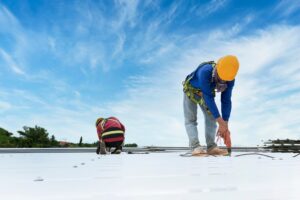


Replacing a roof is a significant decision for any homeowner, often involving considerable expense and disruption. However, the necessity of a tough, resilient roof in cities like Salt Lake City, Utah cannot be overstated.
The local climate, characterized by cold, snowy winters and hot, dry summers, can severely diminish the lifespan of typical roofing materials. Knowledge about the best practices and local weather impacts can help alleviate some of the stress associated with this big decision.
In Salt Lake City, UT, the geology and topography demand roofing solutions that can withstand both the rigors of heavy snowfall and the expansive views that might expose roofs to intense sunlight. As you read on, you’ll gain insights into what materials work best in these conditions, what costs you might expect, and how to know when it’s time for a roofing replacement.
Table of Contents
Top Roofing Replacement Companies in Salt Lake City, UT
Actual costs depend on your location, project scope, and materials. The best way to know what you'll pay is to get quotes from local contractors.
Get Your Free Estimate →Average Roofing Replacement Costs in Salt Lake City, UT
The type of roof you select affects the total cost of roofing replacement in Salt Lake City, UT. The total cost of a roofing replacement in Salt Lake City averages $7,087. Most roofing companies charge by ‘roofing squares,’ which usually means every 100 square feet of material, but clarify their measurements and pricing before choosing a roofing company.
While the numbers can vary drastically between companies, here’s an average cost by material (not including labor):
- Asphalt: $450 per square
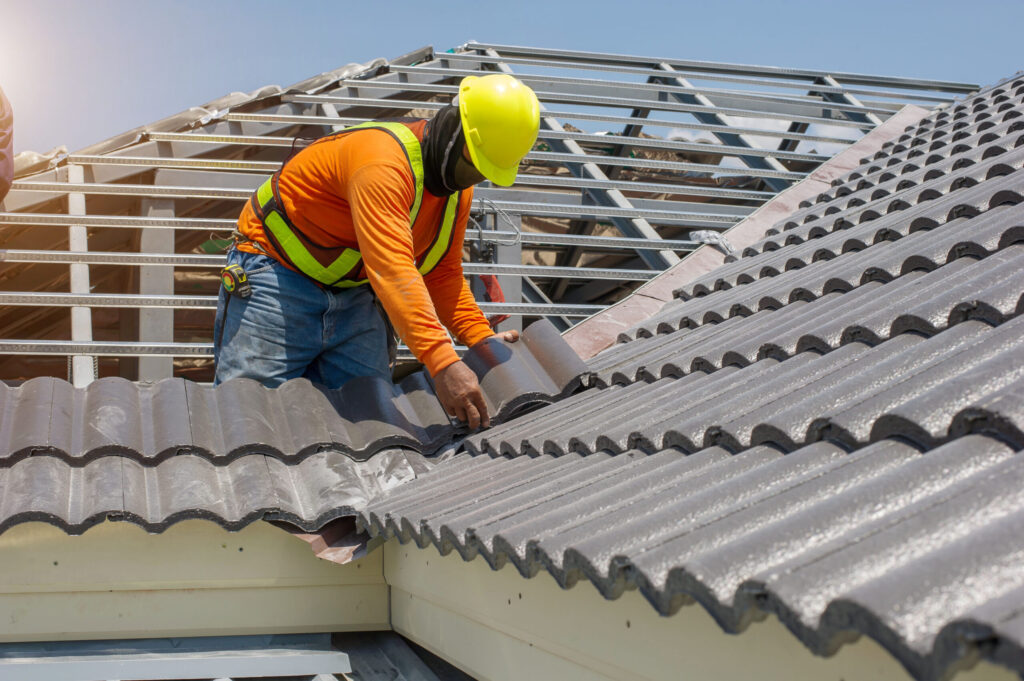
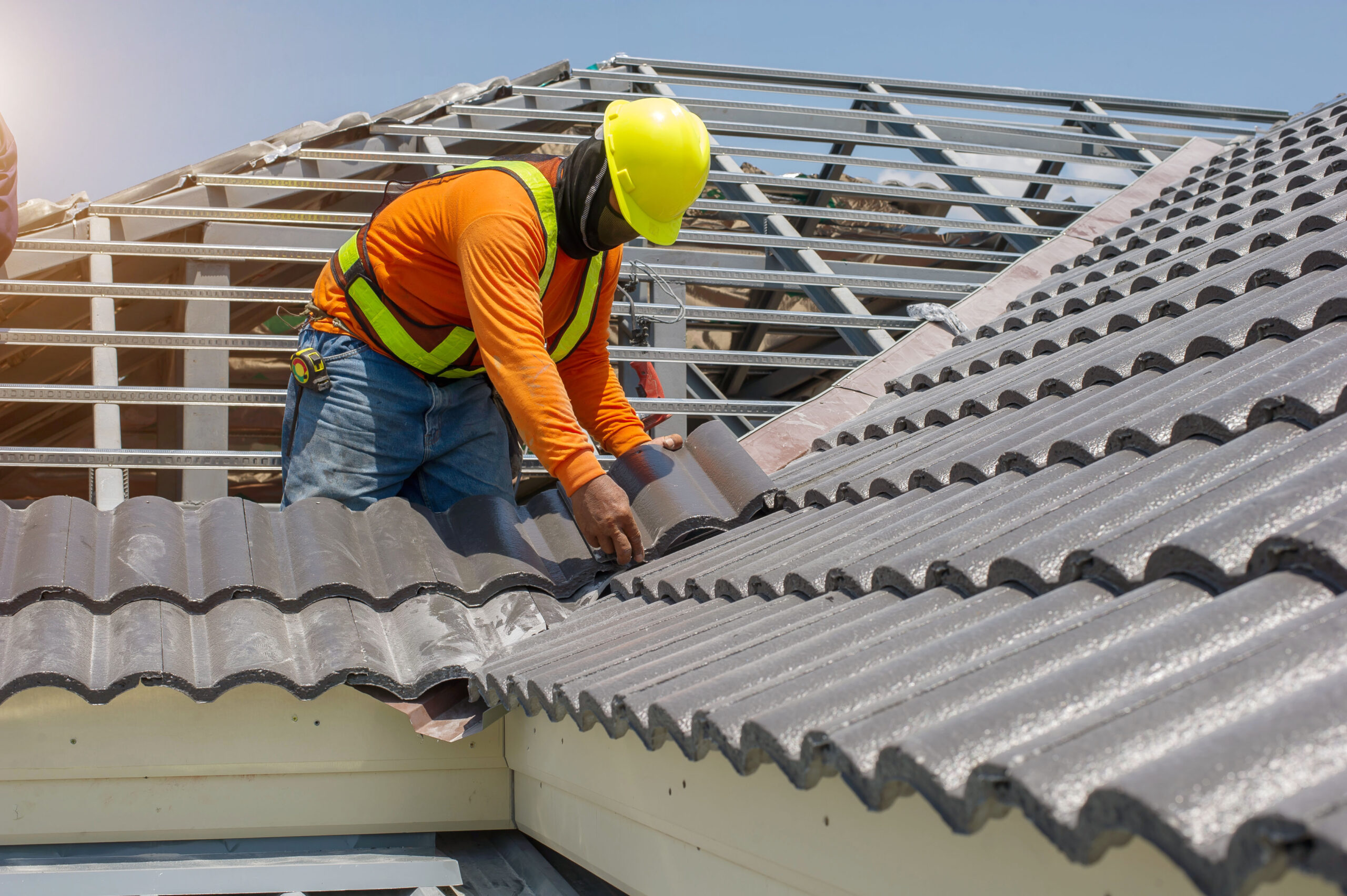
- Concrete: $800 per square
- Steel: $1,400 per square
- Slate: $2,000 per square
- Flat roof material: $1,400 – $2,000 per square
"We matched with a great contractor the same day. The whole process was easy and completely free."
What can affect the cost?
Besides the materials, there are other factors that affect roofing installation costs, including:
- Size of the roof (total square footage)
- The roof’s pitch and slope
- Any complexities the roof poses
- Whether you need roof removal
- Cost and labor involved in obtaining permits
- Labor rates
Understand Salt Lake City’s Unique Roofing Needs
Salt Lake City is known for its significant seasonal extremes, from heavy snowfalls in the winter to scorching, dry summers. This climate can be tough on roofs, forcing homeowners to consider more durable materials and perhaps more frequent replacements.
The rapid temperature fluctuations alone can cause materials to expand and contract, leading to faster degradation and potential failures.
Some of the best roofing materials to consider to handle the Salt Lake City weather include:
- Asphalt: Asphalt is the best option if you’re looking for roofing shingles on a budget. They last an average of 15 – 20 years; however, in Salt Lake City, they sometimes age faster depending on the weather conditions.
- F-Wave: Not many homeowners know about F-Wave shingles, but they are a great option for the Salt Lake City weather. They have incredible hail protection, are fire-resistant, and can withstand most weather conditions. They are low maintenance and can mimic more expensive roofing materials.
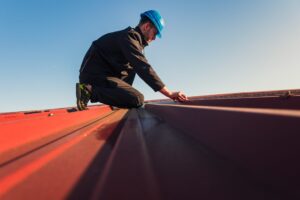
- Metal: No roofing material can surpass the durability of metal roofs. Although they are a pricier option, they can withstand heavy snow, hail, wind, and even temperature changes and last up to 50 years.
- Slate: This roofing material isn’t as common in Utah but is becoming more popular because it can mimic almost any style. Slate roofing can last as long as 150 years.
Signs Your Roof Needs Replacement
If you aren’t sure if you need roofing replacement or repairs, consider these signs that signify it’s time for a completely new roof:
- Shingles missing or damaged: A missing shingle or two may be able to be repaired, but too many missing shingles put your roof and home at risk of more damage. A professional can tell you if shingle roofing replacement is necessary or if the damage is minor enough to be repaired.
- Higher energy bills: The roof’s job is to keep your home’s temperature comfortable by not letting cool (in summer) and warm (in winter) air leave. You may notice higher energy bills if your roof leaks or becomes inefficient. A roofing professional can determine whether the roof needs minor repairs or a full replacement.
- Water damage: You may notice small water drips or large water stains on ceilings and walls. This is a sign the roof has holes or weak spots that, if not addressed, can cause mold and rot throughout the home’s structure.
- Sagging: You may not notice it from the street, but if you’re in the attic or have a professional roof inspection and soft spots are found, it could become an emergency, as a sagging roof and its underlayment could collapse.
If you notice any of these signs or your roof is nearing the end of its useful life, it’s important to call professional roofers to inspect and potentially replace it.
Why Hire a Licensed Professional
- Licensed & insured — protects you from liability
- Warranty coverage — manufacturers require pro installation
- Code compliance — avoids permit issues
- Faster completion — pros finish in days, not weeks
Conclusion
Knowing when roofing replacement is necessary is key. Ignoring that you need a new roof puts your home at risk of water damage, mold, energy inefficiency, and a loss of value. A safe and reliable roof is necessary for protecting your home and family.
Get started by filling out a request form or by giving us a call.
 888-524-2244