
If you’ve been researching roof replacements lately, you’ve probably come across the phrase “pop-on” or “pop-in” roof. It sounds simple, fast, and convenient, and typically is, which is exactly why homeowners are gravitating toward it. But it’s also fair to wonder what it actually means, what you’re paying for, and whether it’s too good to be true.
The short answer is this: a “pop-on roof” isn’t a single, standardized roofing product. It’s a consumer-friendly way of describing several roofing approaches that are designed to go over an existing roof or sub-roof or be installed with minimal tear-off, depending on local codes, roof condition, and the materials involved. Understanding that distinction up front is key to understanding cost, value, and whether a pop-on approach makes sense for your home in 2026.
What “Pop-On Roof” Really Means
In practice, “pop-on” is a category, not a product name. Contractors may use it to describe:
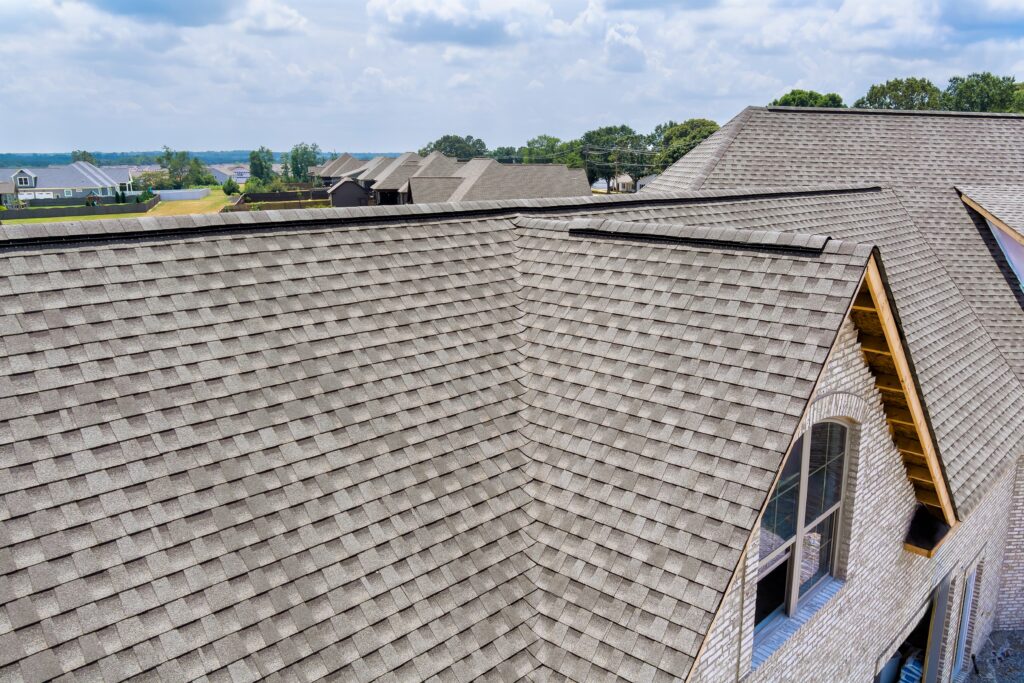
- A second layer of asphalt shingles installed over an existing shingle roof
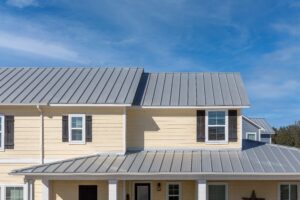
- Lightweight metal roofing systems designed to install over/along existing materials
- Roof coatings or spray-applied systems applied over a structurally sound roof
- Certain modular or synthetic roofing systems that minimize tear-off
The common thread is reduced demolition. Fewer dumpsters, less labor, faster installation, and more often than not, lower upfront cost. That does not mean “cheap,” nor does it mean the solutions are of poor quality, and most of all, it does not mean the same solution fits every home. The material chosen, local labor costs, climate conditions, and code requirements all play a role in what a pop-on roof costs and whether it is even allowed. Talk to the providers you consult to see what options they offer in this category.
Pop-On Roof Cost Ranges in 2026
Because pop-on roofs can mean different things, costs vary widely. In 2026, most pricing is best understood per square foot, with whole-home costs used only as illustrative examples.
Second-Layer Asphalt Shingles
This is the most common interpretation of “pop-on” roofing.
Estimated cost:
- Roughly $4 to $7 per square foot installed
Because tear-off is limited or eliminated, labor costs are lower than a full replacement. That said, many jurisdictions and HOAs limit homes to two total layers of shingles, and some prohibit overlays altogether due to fire or structural concerns.
Climate matters here. In hot or high-moisture regions, overlays may trap heat or moisture, which can shorten roof life. In colder regions, snow load and ice dam risks can influence whether a second layer is advisable.
Lightweight Metal Roofing Over Existing Roof
Metal roofing systems designed for overlay installation have grown significantly in popularity.
Estimated cost:
- Roughly $7 to $12 per square foot installed
Metal pop-on systems tend to cost more upfront but last longer and often perform better in extreme weather. They are common in regions with heavy snow, wildfire risk, or frequent hail, though local labor rates and metal pricing can swing costs significantly.
A mid-sized home might land in the middle of that range, but regional steel prices and installer availability can push costs higher or lower.
Roof Coatings and Spray-Applied Systems
These systems are often used on flat or low-slope roofs, though some are adapted for residential use.
Estimated cost:
- Roughly $3 to $6 per square foot
Coatings can extend the life of an existing roof but are not always considered a permanent replacement. They are highly dependent on roof condition and climate, performing best in dry, warm regions with minimal freeze-thaw cycles.
Synthetic or Modular Overlay Systems
Some newer roofing products are designed to install over existing structures with minimal removal.
Estimated cost:
- Roughly $6 to $10 per square foot
Availability and installer familiarity vary widely by region, which can influence pricing more than material costs alone. It is smart to speak with several local installers, as products vary widely by provider.
Why Costs Vary So Much by Region
Roofing prices are not just about materials. They are shaped by:
- Climate risk, including hail, wind, snow, heat, and wildfire exposure
- Local building codes, which may restrict overlays
- Labor availability, especially after storms or natural disasters
- Material transport costs, particularly for metal and specialty products
For example, hail-prone regions often see higher roofing prices due to demand spikes, while coastal areas may face stricter wind-resistance requirements that affect allowable materials. Roofers local to your area will be very familiar with what types work best in your climate, and what building codes do and do not allow for. When you speak with more than one company, make sure you are hearing similar answers from them about what is appropriate, and if you are not, research with your local government about what is correct.
Insurance and Pop-On Roofs
Insurance is often the first place homeowners should look when considering any roof work. Storm damage claims can offset a large portion of replacement costs, though coverage varies widely, and depends on your policy. Speak with your insurance provider to understand your coverage and options.
It is important to understand that some insurers may limit coverage or future claims on overlay roofs, particularly second-layer asphalt installations. Others may offer premium discounts for impact-resistant or metal roofing systems. These distinctions make it critical to review insurance implications before choosing a pop-on (or any roofing) approach.
How to Pay For the Rest
When insurance does not cover the full cost, homeowners sometimes explore savings, contractor financing, or home-equity-based options to bridge the gap. These choices depend heavily on individual circumstances and should be evaluated carefully. For many homeowners, the key is understanding the full scope of the project before deciding how to pay for it.
Is a Pop-On Roof Worth It in 2026?
If it is a workable solution in your area, the answer is often yes. Pop-on roofs can make sense when:
- The existing roof is structurally sound
- Local codes allow overlay installation
- Speed and reduced disruption matter
- Budget constraints make full tear-off impractical
They may be less appropriate when underlying damage is present or when long-term durability is at risk with a pop-on option.
The Most Important Step
Because “pop-on” can mean several different solutions, the most important step is getting multiple quotes from qualified local roofing professionals. Each contractor may interpret “pop-on” differently based on your home, climate, and local regulations. Some may not even carry a pop-on option. Comparing those perspectives is often the difference between a smart investment and an expensive misunderstanding.

Anna has over six years of experience in the home services and journalism industries and serves as the Content Manager at MyHomePros.com, specializing in making complex home improvement topics like HVAC, roofing, and plumbing accessible to all. With a bachelor’s degree in journalism from Auburn University, she excels in crafting localized, comprehensive guides that cater to homeowners’ unique needs. Living on both coasts of the United States has equipped her with a distinctive perspective, fueling her passion for turning any house into a cherished home through informed, personalized decision-making.
Connect with top-rated local contractors who can help you with siding, roofing, HVAC, windows, and more. Get free quotes from verified professionals in your area today.