
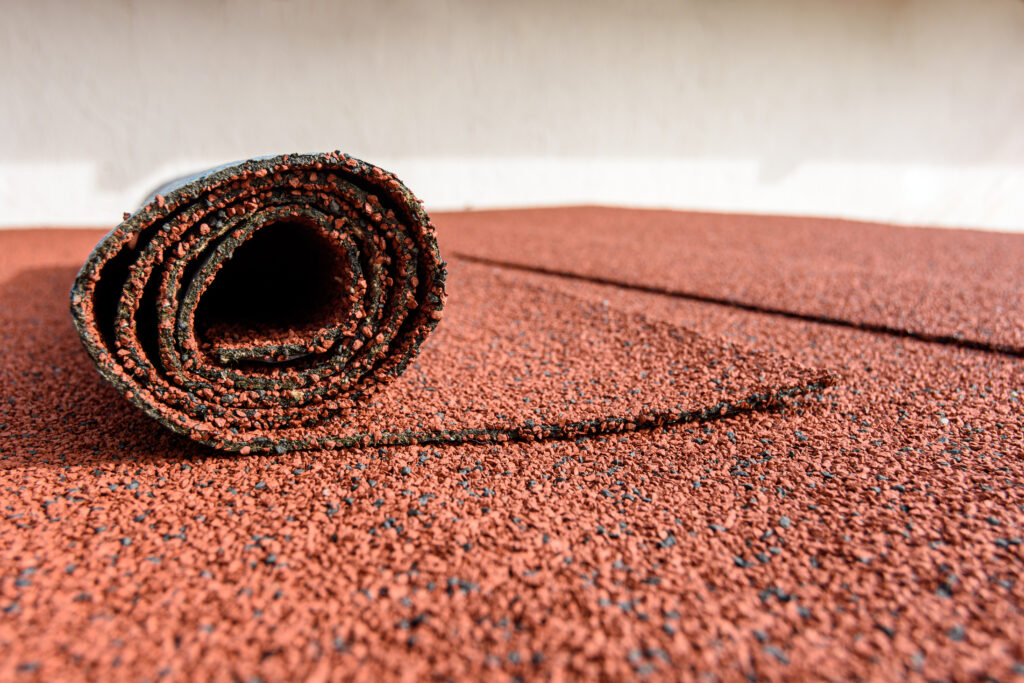
Roll roofing is one of the easiest and most affordable ways to cover a roof, especially for sheds, garages, and other low-slope structures. But while it’s DIY-friendly, the installation still needs to be done right to prevent leaks and early wear.
In this guide, we’ll walk through everything you need to know about installing roll roofing, including tools, step-by-step instructions, common mistakes, and when it’s worth calling in a pro.
What Is Roll Roofing?
Roll roofing is an asphalt-based roofing material that comes in long rolls instead of individual shingles. It’s designed for low-slope roofs and is typically used on outbuildings or budget-conscious projects.
Pros:
- Affordable compared to shingles or metal
- Quick and simple to install
- Lightweight and easy to handle
Cons:
- Shorter lifespan (usually 5–10 years)
- Less durable in extreme weather
- Limited aesthetic appeal
When Is Roll Roofing the Right Choice?
Roll roofing works best in specific situations:
- Low-slope roofs (not ideal for steep pitches)
- Sheds, garages, and workshops
- Budget-friendly projects
- Temporary or secondary roofing solutions
If you’re roofing your primary home or want long-term durability, other materials may be a better investment.
Tools and Materials You’ll Need
Before you get started, gather everything you need:
- Roll roofing (asphalt or modified bitumen)
- Roofing cement or adhesive
- Roofing nails (or cap nails)
- Utility knife or roofing blade
- Tape measure and chalk line
- Broom or blower
- Ladder and safety gear (gloves, non-slip shoes)
How to Prepare Your Roof
Prep work is critical. Skipping this step will likely lead to leaks later.
- Inspect the roof deck: Replace any rotted or damaged wood
- Clean the surface: Remove dirt, debris, and old materials
- Ensure it’s dry: Never install on a wet surface
- Install underlayment (if needed): Adds extra protection
- Plan your layout: Measure and mark straight lines with a chalk line
Step-by-Step Guide to Installing Roll Roofing
1. Measure and Cut the Material
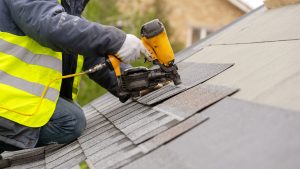
Cut your roll roofing into manageable sections before climbing onto the roof. This makes installation faster and more precise.
2. Apply Roofing Cement
Spread roofing cement along the edges and where seams will overlap. Use a consistent layer to avoid bubbling.
3. Lay the First Course
Start at the bottom edge (the eaves) and work upward. Align the material carefully so it sits straight across the roof.
4. Secure with Nails
Nail the roofing in place using evenly spaced fasteners (usually every 6–10 inches along edges). Keep nails straight and flush.
5. Overlap Additional Courses
Each new row should overlap the previous one by about 2–4 inches. This overlap is what keeps water from seeping underneath.
6. Seal Seams and Edges
Apply roofing cement along seams, edges, and around any roof penetrations (like vents). This step is key for preventing leaks.
Common Installation Mistakes to Avoid
Even though roll roofing is relatively simple to install, small mistakes can quickly turn into costly issues. Installing on a dirty or wet surface can prevent the material from adhering properly, leading to lifting and leaks over time.
Improper seam overlap is another common issue. Without enough overlap, water can seep underneath the roofing. Nail placement also matters more than many homeowners realize. Too few nails can cause the material to shift, while too many can damage it.
Skipping underlayment reduces your roof’s protection against moisture, and attempting to install roll roofing on a steep slope can result in poor performance and faster deterioration. Paying attention to these details during installation can significantly improve durability.
How Long Does Roll Roofing Last?
Roll roofing typically lasts between 5 and 10 years, but its lifespan depends heavily on factors like weather exposure, installation quality, and ongoing maintenance. Roofs exposed to intense sun, heavy rain, or snow may wear down faster, especially if they weren’t installed correctly.
Regularly inspecting your roof for damage, sealing small cracks early, and keeping debris like leaves and branches off the surface can help extend its lifespan and delay replacement.
Roll Roofing Cost Breakdown
One of the biggest reasons homeowners choose roll roofing is its affordability. The materials themselves are among the cheapest roofing options available, making it ideal for budget-conscious projects.
If you choose to install it yourself, you can save significantly on labor costs. Even when hiring a professional, installation is typically more affordable than other roofing systems due to the simpler process.
However, it’s important to keep the shorter lifespan in mind. While upfront costs are low, you may need to replace roll roofing sooner than more durable materials, which can impact long-term value.
DIY vs. Hiring a Roofing Contractor
Roll roofing is often considered a DIY-friendly project, especially for small, straightforward structures like sheds or garages. If you’re comfortable working on a roof and the surface is simple and low-slope, handling the installation yourself can be a cost-effective option.
However, for larger projects it’s often worth hiring a professional. A roofing contractor can identify structural issues, ensure proper sealing and flashing, and help extend the life of your roof. Poor installation can lead to leaks, mold, and costly repairs, so bringing in an expert can ultimately save time, money, and stress.
When to Repair vs. Replace Roll Roofing
Knowing when to repair versus replace your roll roofing can help you avoid unnecessary expenses. Minor issues like small cracks or isolated leaks can usually be repaired with sealant or patching materials, especially if the rest of the roof is still in good condition.
If your roof is nearing the end of its lifespan or showing widespread damage, it’s often more cost-effective to replace it entirely. Addressing problems early can help you get the most out of your roofing investment.
Final Thoughts: Is Roll Roofing Worth It?
Roll roofing is a solid option for homeowners who need a quick, affordable roofing solution, especially for smaller or secondary structures.
But like any roofing system, it’s only as good as the installation. Taking the time to do it right or hiring a professional makes all the difference.
Get Connected with a Trusted Roofing Expert
Not sure if roll roofing is the right choice, or want to make sure it’s installed correctly the first time?
A local roofing expert can help you:
- Choose the best material for your home
- Ensure proper installation and sealing
- Provide a free, no-obligation quote
Get matched with a trusted roofing expert near you today and start your project with confidence.

Anna has over six years of experience in the home services and journalism industries and serves as the Content Manager at MyHomePros.com, specializing in making complex home improvement topics like HVAC, roofing, and plumbing accessible to all. With a bachelor’s degree in journalism from Auburn University, she excels in crafting localized, comprehensive guides that cater to homeowners’ unique needs. Living on both coasts of the United States has equipped her with a distinctive perspective, fueling her passion for turning any house into a cherished home through informed, personalized decision-making.
Connect with top-rated local contractors who can help you with siding, roofing, HVAC, windows, and more. Get free quotes from verified professionals in your area today.