


*Updated November 17th, 2025
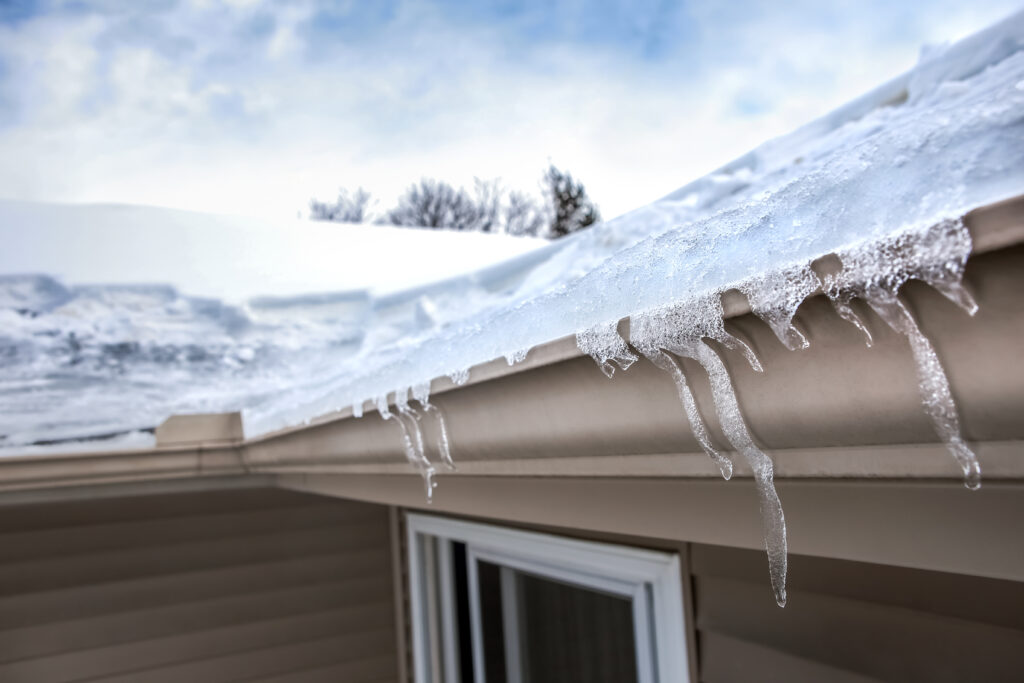
Have you ever noticed icicles hanging from the edge of your roof? While they may seem harmless, they’re often a sign of a bigger problem. These icy blockages can lead to water damage, costly repairs, and roof leaks. In this article, we’ll explore what causes ice dams and, more importantly, how to prevent them before they wreak havoc on your roof.
What are Ice Dams?
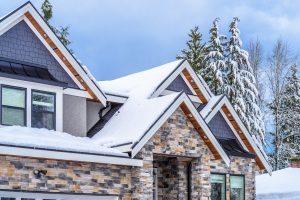
Ice dams are thick ridges of ice that form along the edge of a roof. They occur when snow on the roof melts on the upper portion due to heat escaping from the attic, then refreezes at the colder eaves. Over time, the accumulation of ice creates a barrier that prevents melting snow from draining off the roof. Instead, the trapped, melted water backs up behind the ice and seeps under roof shingles, into walls, and even ceilings, causing leaks, water stains, mold growth, and damage to insulation and the inside of the house. This ice dam formation is a common issue during the winter months.
Causes of Ice Dams
Understanding the causes of ice dams is key to preventing ice and protecting your home.
Inadequate Insulation
Insufficient attic insulation is one of the biggest problems with ice dams. When the attic isn’t properly insulated, warm air escapes into the attic, heating the underside of the roof and causing snow to melt unevenly. This melted snow then refreezes at the eaves and forms ice dams.
Spray foam, fiberglass batts, and cellulose are commonly used insulation types. Spray foam works particularly well because it seals leaks and keeps heat where it belongs. The U.S. Department of Energy recommends attic insulation with an R-value between R-30 and R-60. Upgrading insulation reduces heat loss and helps prevent ice dams from forming.
Actual costs depend on your location, project scope, and materials. The best way to know what you'll pay is to get quotes from local contractors.
Get Your Free Estimate →Need professional help with your project?
Get quotes from top-rated pros.
Find Local ProsImproper Ventilation
Proper ventilation works alongside insulation to keep the entire roof the same temperature as the eaves. Without enough ventilation, heat becomes trapped in the attic, raising the roof temperature and causing snow and ice to melt quickly and refreeze at the edge.
Ridge vents, soffit vents, and gable vents help create a clear path for the airflow by allowing cold air to enter and warm air to exit. When soffit vents are blocked or the roof lacks drainage pathways, ice dams occur more easily.
Baffles at the eaves ensure insulation doesn’t block ventilation and allow a balanced supply of cold air to circulate.
Snow Accumulation
Excess roof snow insulates the warm roof below, encouraging ice dam formation. When repeated freeze-thaw cycles occur, ice builds at the eaves and water can back up behind the ice.
Roofs with shallow pitches, which hold more snow load that your roof has to carry, are especially prone to forming ice dams. Removing snow from the roof after storms is often enough to prevent worsening buildup.
Impact of Ice Dams on Energy Efficiency
Ice dams indicate that warm air is escaping into the attic. Heat rising into the attic melts snow on the roof, leading to higher energy bills and unnecessary strain on your heating system.
Sealing around electrical cables, vent pipes, and chimney and house framing reduces air leaks that might warm the underside of the roof. A home energy audit can identify these problem areas and recommend solutions such as additional insulation, roof vents, or upgraded attic ventilation.
Addressing the problem that created the ice dam improves both winter comfort and overall energy efficiency.
"We matched with a great contractor the same day. The whole process was easy and completely free."
Preventing Ice Dams
Prevention is far easier and cheaper than repairing ice dam damage. These steps help prevent ice dams from forming in the first place.
Improve Attic Insulation
Attic insulation helps keep warm air out of the attic and prevents ice dam formation. Be careful not to cover soffit vents during installation. Spray foam or additional attic insulation can help prevent ice and maintain consistent roof surface temperatures.
Enhance Roof Ventilation
Ridge vents, soffit vents, and attic fans help keep the entire roof cold during winter. This reduces the amount of snowmelt and the chance of an ice dam forming. Good roof ventilation is essential for long-term performance.
Seal Attic Leaks
Small gaps around lighting, attic hatches, ducts, recessed lights, and plumbing vents allow enough warm air into the attic to cause ice dams. Sealing these areas with caulk, foam, or weatherstripping is an effective way to prevent ice dams.
Snow Removal Methods
Removing snow from the roof is one of the best ways to prevent ice. Use a roof rake to pull snow down and off the roof gently. Avoid damaging shingles. If your roof is steep or the snow load heavy, hire a professional. Leaving snow on your roof too long is almost a guarantee an ice dam will form.
The Role of Gutters in Ice Dams
Gutters and downspouts can worsen ice dams when they trap water. Clogged gutters prevent melted snow from draining off the roof, causing water to refreeze along the roof edge.
Clean gutters before winter, ensure gutters slope properly, and consider heated gutters or heat cables to reduce ice and water buildup.
Ice Dam Prevention for Specific Roof Types
Different roof types face different challenges when it comes to ice dams.
Flat Roofs
Flat roofs hold snow and ice longer, making drainage critical. Ensure scuppers and drains stay clear. Proper insulation under the roof membrane and sealed roof sheathing help reduce heat transfer.
Metal Roofs
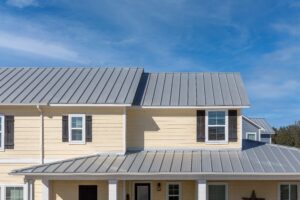
Metal roofs shed snow more easily but can still develop ice dams at gutters and roof edges. Snow guards and heated cables help prevent ice buildup.
Asphalt Shingles
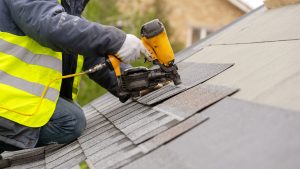
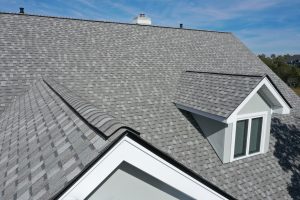
Asphalt shingle roofs are more vulnerable to ice dams because they hold snow longer. Gentle snow removal and strong attic insulation and ventilation can prevent water entering the attic or shingles lifting.
Why Hire a Licensed Professional
- Licensed & insured — protects you from liability
- Warranty coverage — manufacturers require pro installation
- Code compliance — avoids permit issues
- Faster completion — pros finish in days, not weeks
Signs of Ice Dams
Look for these signs to detect ice dams early:
- Icicles hanging from eaves
- Water stains on ceilings or walls
- Cold drafts or uneven temperatures
- Ice buildup at the edge of the roof
- Moisture near attic insulation
These symptoms often indicate water entering the attic or backing up behind the ice.
How to Fix Ice Dams
If you already have existing ice on your roof, there are temporary and permanent options.
Temporary Fixes
- Use a roof rake to remove snow.
- Install heat cables along the roof edge to melt channels through the ice.
- Avoid chipping ice—this can damage shingles until water enters the attic.
Permanent Fixes
- Hire professionals who operate safely and effectively using steamers.
- Upgrade insulation and ventilation.
- Replace shingles with sealed ice and water barrier membranes near the roof edge.
DIY vs. Professional: At a Glance
DIY vs. Professional Ice Dam Removal
DIY ice dam removal can be risky—icy ladders, steep slopes, and fragile shingles increase the risk of injury. Roof from below risks injury as well.
Professional ice dam removal is recommended for large or stubborn ice dams. They can address both the ice and the underlying cause.
Comparative Costs: Prevention vs Repair
Prevention Costs:
- Insulation upgrades: $1,000–$3,000
- Ventilation improvements: $300–$800
- Roof snow removal: $200–$500 per visit
Repair Costs:
- Roof repairs: $500–$2,000
- Water damage repairs: $1,000–$5,000
- Mold remediation: $500–$6,000
Preventing ice dams is almost always more cost-effective than repairing damage afterward.
Spring and summer are the busiest seasons for home improvement projects — top-rated contractors book up fast. Lock in your estimate now before demand peaks.
Check Availability in Your Area →Long-Term Maintenance Tips
- Inspect the roof before winter
- Clean gutters and downspouts
- Check attic insulation and ventilation
- Use a roof rake after snowstorms
- Get professional roof inspections annually
Keeping up with these steps will greatly reduce your risk of ice dams for good.
Ready to Move Forward?
Tell us about your project and get matched with up to 3 pre-screened contractors. Compare quotes, check reviews, and hire with confidence.
Conclusion
Ice dams can cause major roof and home damage. With the right prevention, you can prevent ice dams and protect your roof all winter long.
Sources
Additional Roofing Resources
- Tile Roofing: Advantages and Drawbacks
- 10 Secrets to Extending Your Roof’s life
- Getting Your Roof Ready for Winter
Connect with top-rated local contractors who can help you with siding, roofing, HVAC, windows, and more. Get free quotes from verified professionals in your area today.