


Metal roofs have become an increasingly popular roofing choice for homes and buildings over recent years. Known for their durability, longevity, and sleek aesthetic, metal roofs can be a smart investment for homeowners and building owners alike. However, to get the most out of a metal roof, it’s important to understand how pitch influences functionality – and determine the right minimum pitch for your particular climate and metal roofing type.
What is Roof Pitch?
Roof pitch refers to the degree of slope or incline of your roof. It is typically measured by the ratio of vertical rise to horizontal run, using inches or centimeters. For example, a 4/12 pitched roof rises 4 inches vertically for every 12 inches horizontally. The higher the second number, the steeper the pitch. Most roof pitches range from low-slope (1/12 to 3/12) to steep slope (6/12 or greater).
Roof pitch impacts more than just appearance and design – it also affects drainage, snow load capacity, and more. Generally, steeper roofs are better for water runoff and preventing standing water (which can cause rust and corrosion), while lower-pitched roofs may allow more heat to build up on sunny days.
Why Pitch Matters for Metal Roofs
For metal roofs in particular, having an adequate roof pitch is especially important. Because metal panels have a slick, non-porous surface, they rely more on slope and gravity to shed water. Flat or low-slope metal roofs can allow moisture, leaves, and debris to accumulate and stagnate. Pitch also impacts:
Actual costs depend on your location, project scope, and materials. The best way to know what you'll pay is to get quotes from local contractors.
Get Your Free Estimate →Drainage
Metal panels, due to their slick, non-porous surface, rely heavily on pitch and gravity to effectively shed water. Adequate drainage is crucial for preventing water-related issues on a metal roof. At lower roof pitches, the drainage paths are slower and narrower. This can result in water pooling on the roof’s surface, making it more susceptible to leaks and water damage. Additionally, smaller obstructions like leaves and debris can impede water flow, exacerbating the problem.
Snow Shedding
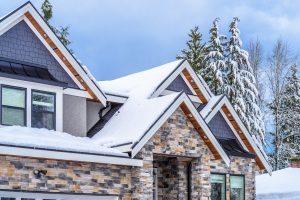
Snow accumulation on roofs can lead to structural strain and leaks when it melts. Metal roofs need to efficiently shed snow to prevent these issues. Steeper roof pitches facilitate the sliding and shedding of snow under its own weight before it accumulates. In contrast, flatter roofs require a more significant snow load before shedding occurs, potentially leading to excess weight and stress on the roof structure.
"We matched with a great contractor the same day. The whole process was easy and completely free."
Ventilation
Proper ventilation is essential for maintaining a comfortable indoor environment and preventing moisture-related problems like mold and mildew growth. Metal roofs with steeper pitches encourage better airflow along the panels. Improved airflow helps with ventilation and cooling, which is especially important in regions with hot and humid climates. Adequate ventilation can also prolong the lifespan of the roof and prevent heat-related issues.
Weathering
Metal roofs are exposed to various weather conditions, including intense sunlight and rain during storms. Protecting the roofing material is essential for its longevity. Increased roof pitch angles metal panels away from intense overhead sun exposure and wind-driven rain exposure during storms. This positioning helps preserve the protective coatings on the metal, preventing premature deterioration and extending the life of the roof.
Comparison with Other Roof Types
Metal roofing requires a steeper minimum pitch than some other roofing materials, such as asphalt shingles. Unlike asphalt shingles, which can function adequately with relatively low slopes like 2/12 or 3/12 in some areas, metal roofs need a more pronounced pitch to optimize their performance. This is because metal panels rely on pitch for water shedding, snow shedding, ventilation, and weathering protection. In summary, the pitch of a metal roof significantly influences its functionality and long-term durability. Proper pitch ensures efficient drainage, snow shedding, ventilation, and protection against weathering, all of which are essential for the performance and longevity of metal roofing. Compared to certain other roofing materials, metal roofs require a steeper minimum pitch to fulfill these crucial functions effectively.
Minimum Roof Pitch Guidelines by Metal Roofing Type
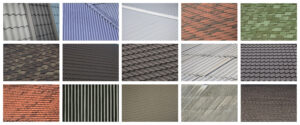
Not all metal roofs are the same when it comes to pitch requirements. Depending on the type of metal roofing material used, manufacturers provide minimum pitch requirements. Some of the most common metal roof types and their typical minimum pitches are:
Why Hire a Licensed Professional
- Licensed & insured — protects you from liability
- Warranty coverage — manufacturers require pro installation
- Code compliance — avoids permit issues
- Faster completion — pros finish in days, not weeks
Metal Shingles
Metal shingles mimic the overlapping design of asphalt or other shingle types. They are available in numerous colors and styles:
- Minimum Pitch: Typically 3/12 to 4/12 pitch or greater is recommended. Their interlocking shingle design provides multiple layers for water to run down.
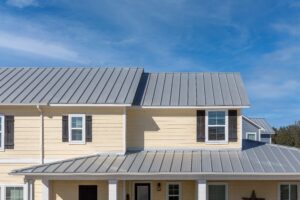
Standing Seam Metal Roofing
Standing seam metal panels use raised vertical seams to join consecutive panels. This creates water channels to help drainage:
- Minimum Pitch: 3/12 pitch is usually the minimum for standing seam metal roofs. However, some types require a 4/12 or greater pitch for warranty compliance.
DIY vs. Professional: At a Glance
Corrugated Metal Roofing
Corrugated metal panels contain alternating ridges and grooves that run vertically. The corrugation provides structural integrity and directional water flow:
- Minimum Pitch: Around 3/12 is often the minimum suggested. More angular pitches are better for drainage between the ridges.
Metal Tile Roofing
Metal tiles emulate the overlapping, interlocking design of clay, concrete, or slate tiles. Their overlapping and directional ridges encourage good water flow:
- Minimum Pitch: 6/12 to 8/12 pitch is typical for metal tile roofs to shed debris and moisture properly down their graded overlap.
As you can see, minimum pitch requirements may vary depending on the exact metal roofing product used. Be sure to consult manufacturer specifications to confirm appropriate pitch ranges.
Spring and summer are the busiest seasons for home improvement projects — top-rated contractors book up fast. Lock in your estimate now before demand peaks.
Check Availability in Your Area →Other Climate and Regional Pitch Factors
Beyond just the metal roofing type itself, the appropriate minimum pitch can also depend on:
- Snow and Rain Patterns: In heavy snow regions, steeper pitches facilitate snow slide-off before excessive buildup and weight. In rainy climates, ample slope helps limit moisture exposure that could lead to algae growth or rust over time.
- Sun and Heat Exposure: With intense sun and heat, increased roof pitch angles help minimize expansion, panel distortion, and baked-on debris.
- Ambient Temperature Swings: In colder continental or alpine regions with regular freeze-thaw cycles, steeply-pitched metal panels encourage proper drainage and minimize ice dam threats.
- Wind Zones: Slope requirements may increase in regions with hurricane hazards or heavy wind shear exposures to help wind uplift resistance.
Other factors like nearby shade trees, prevailing wind direction, altitude, and average humidity may also determine the ideal pitch range. Your installer can help recommend pitch targets tailored to your zip code’s climate.
Benefits of Exceeding Minimum Pitch
When it comes to metal roofing, exceeding the minimum recommended pitch is almost always beneficial. As a rule of thumb, each incremental increase in roof pitch continues improving rainwater drainage, snow shedding, debris slough-off, and more. Steel and aluminum are highly effective for water-shedding when angled properly.
Although some additional roofing material may be needed for steeper pitches, the long-term protective performance gains for your structure are significant. Always consult your specific metal roofing product manuals – some offer enhanced warranties for exceeding minimums by a certain margin.
Ready to Move Forward?
Tell us about your project and get matched with up to 3 pre-screened contractors. Compare quotes, check reviews, and hire with confidence.
Working with Pitch Limitations on Low-Slope Roofs
Sometimes with existing buildings, the roof framing structure only allows limited pitch adjustment without major reinforcement. In these low-slope scenarios where you’re constrained below metal roofing pitch guidelines, discuss options with your contractor such as:
- Tapered Panels: Metal panels are taper-cut to artificially create more slope – the upper portion of panels remains flat and anchored, while the lower portion follows the pitch added.
- Seam Caps: Closed waterproof seam caps help prevent side leakage on low-angled flat-seam metal roofs.
- Panel Bracing: Supplemental panel wind bracing may be recommended to resist uplift when the pitch cannot provide enough slope for proper tie-downs.
- Condensation Control: Maximizing airflow with ventilation can help minimize condensation risks inherent with any flat or low-pitched metal roofing assemblies.
Though flat installations are never optimal and may void warranties, these ancillary options help compensate. Always coordinate with your metal roofing manufacturer before proceeding if below their pitch guidelines.
Conclusion
Pitch is among the most important design considerations influencing metal roof performance and longevity. While minimum pitch requirements differ slightly across metal roofing materials, exceeding published recommendations goes a long way toward enhancing drainage, durability, and weather resistance.
Consult manufacturing specifications tailored to your specific roofing product type and fastener pattern, as well as any special climate design factors for your area. A reputable metal roofing contractor can assess your building structure and prevailing exposures to recommend an ideal pitch target, as well as options to compensate for roofing assemblies with pitch limitations. Investing in adequate slope provides excellent protection and dramatically extends the lifecycle of your metal roofing.
Additional Roofing Resources
- How Long Does a Roof Last? Key Factors and Maintenance Tips
- Does Moss Damage a Roof?
- Rain Gutter Alternatives for Your Home
- 6 Signs of Roof Damage
Connect with top-rated local contractors who can help you with siding, roofing, HVAC, windows, and more. Get free quotes from verified professionals in your area today.