

*Updated September 3rd, 2025
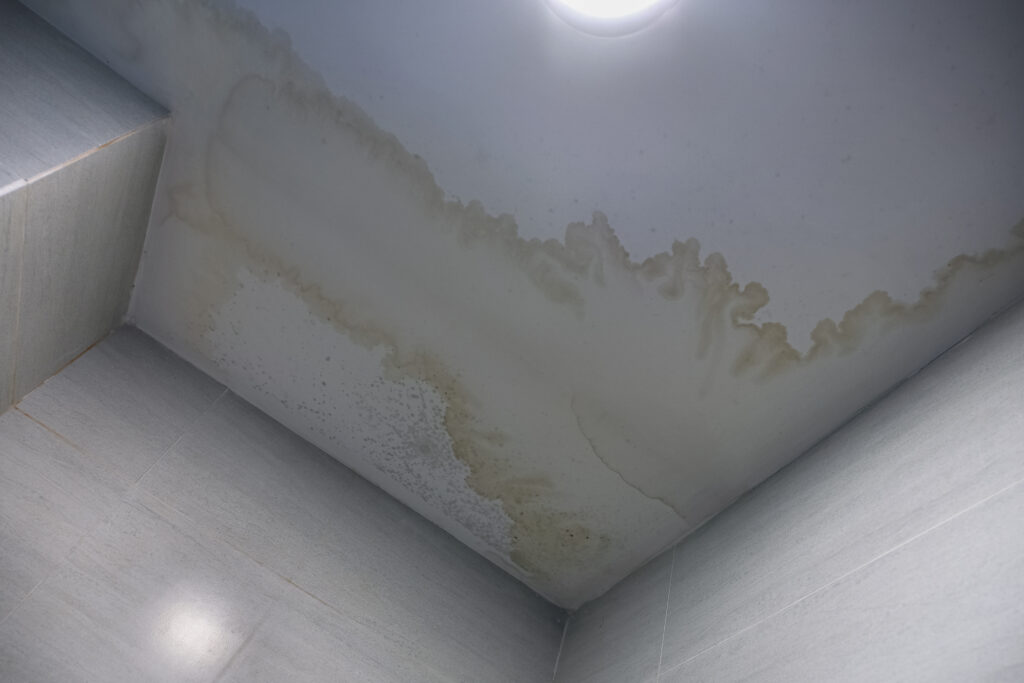
Brown spots on your ceiling can be an unsettling sight, often signaling a more significant issue lurking within your home. These stains on your ceiling can be more than just cosmetic problems—they may indicate underlying structural issues, potential health hazards, or both.
Ignoring them could lead to severe consequences, including costly repairs and health risks from mold growth.
In this comprehensive guide, we’ll explore the top causes of brown spots on ceiling areas, offering expert tips on identifying, fixing, and preventing these unsightly water stain marks in your home caused by a leak (often a roof leak or leaking pipe).
Common Causes of Brown Spots on Ceilings
Ceiling stains can arise from a variety of sources, and understanding these can help you address the problem before it escalates. Here are the most common causes of brown spots:
Water Leaks (Most Common Cause)
Water damage is the most frequent culprit behind a water stain on your ceiling. These marks are typically caused by a leak—from a leaking roof, a plumbing leak, or leaking appliances. As ceiling water seeps through the drywall, it carries dirt, rust, or minerals that dry and leave a brown stain.
How Water Leaks Occur
- Roof Leaks: Damaged or missing shingles, deteriorated flashing, poor ventilation, or clogged gutters are frequent reasons a roof leak can cause brown spots on the ceiling. Rainwater can travel through the roof where two planes meet or around a skylight, then seeps into the ceiling.
- Plumbing Leaks: A leaking pipe in a ceiling below a bathroom or kitchen can create water stains on the ceiling. Aging pipes, loose fittings, or high pressure in the water supply/ water pipes are common triggers.
- Appliance Leaks: AC systems (check the HVAC drip pan and condensate line), water heaters, and other appliances can cause water problems and leaking water that lead to ceiling spots.
Actual costs depend on your location, project scope, and materials. The best way to know what you'll pay is to get quotes from local contractors.
Get Your Free Estimate →Condensation Issues
Condensation is another common cause of stain on the ceiling, especially in a bathroom, kitchen, or laundry with poor venting. Warm, humid air meets a cool surface and ceiling water forms; it then evaporates and returns, causing water spots and stains appear over time.
Prevent water buildup by improving airflow: run exhaust fans, add dehumidifiers, and ensure attic insulation is adequate so warm air doesn’t migrate upward and allow water to condense.
Mold Growth and Mildew
Persistent moisture can lead to mold or mildew forming on your ceiling. If you notice a musty odor or textured, discolored areas, you may be seeing mold or mildew rather than a simple water stain. Address moisture first—then remediate mold.
"We matched with a great contractor the same day. The whole process was easy and completely free."
Attic/Insulation Problems
Poor attic insulation or blocked vents trap moisture and create signs of water like peeling paint and ceiling water stains. Regular checks for wet insulation or dark rings can help you prevent water intrusion that might later lead to water damage.
Age and Paint Breakdown
Sometimes an ugly brown mark results when older paint loses its protective, waterproof quality. In these cases, moisture from the air can discolor the surface and create a ceiling stain even without an active leak.
Identifying the Source of the Brown Spots on Your Ceiling
Before you fix ceiling issues, confirm the cause of the leak. Misdiagnosis can waste time and money.
Inspection Tips
- Roof Inspection: Check your roof for missing shingles, cracked flashing (around chimneys/vents/skylights), or clogged gutters that fail to move water away. If unsure, schedule a professional roof inspection—many local pros even offer a free roof inspection today-style promo.
- Plumbing Inspection: Near a bathroom or kitchen ceiling? Look for active drips, corrosion, or staining along lines. Turn off the water to test if the spots appear only when lines are pressurized.
- Attic Inspection: Look for damp insulation, staining on rafters, or light shining through the roof.
- Walls/Windows: If the ceiling or walls are affected, check caulk and exterior transitions where water might intrude.
Why Hire a Licensed Professional
- Licensed & insured — protects you from liability
- Warranty coverage — manufacturers require pro installation
- Code compliance — avoids permit issues
- Faster completion — pros finish in days, not weeks
Tools & Techniques
- Moisture Meter: Confirms if water is getting into drywall.
- Thermal Imaging: Finds hidden water intrusion and cause of the brown discoloration.
- Professional Help: If you notice brown spots but can’t trace them, it’s best to call a pro.
Addressing Brown Spots on Ceilings
Once you identify what’s causing the brown spots, act promptly to avoid escalation.
DIY vs. Professional: At a Glance
Immediate Steps
Cleaning and Drying
- Clean with mild detergent; avoid harsh chemicals that can damage drywall.
- Thoroughly dry with fans/dehumidifier to discourage mold growth.
Temporary Fixes
- Paint over the stain only after sealing with a stain-blocking primer; otherwise the brown spot will bleed through a fresh coat of paint.
- For tiny intrusions, a short-term waterproof sealant can buy time—then complete permanent repairs.
Permanent Solutions
Repair the Source
- Roof: Replace damaged shingles, re-flash penetrations, clear gutters. If you notice brown marks after rain water events, a leaking roof is likely caused by a leak—address fast.
- Plumbing: Repair/replace water pipes or fittings to stop leaking water.
- Ventilation/Insulation: Improve attic airflow and R-value to reduce condensation.
Mold Remediation
- For extensive contamination that could lead to mold-related health issues, consider professional water damage restoration and mold remediation. They’ll correct moisture sources and treat surfaces safely.
Spring and summer are the busiest seasons for home improvement projects — top-rated contractors book up fast. Lock in your estimate now before demand peaks.
Check Availability in Your Area →When to Get Help
- Brown spots appear over a large area, or you see structural signs of damage (sagging).
- The cause of the leak is hidden (inside walls/ceiling cavities).
- You’ve tried DIY, but stains appear again—there may be ongoing water intrusion.
Conclusion
Brown spots on your ceiling are more than an eyesore—they’re signs of water issues that can escalate into costly water damage. Whether the stains on my ceiling come from a leaking roof, leaking pipe, condensation, or aging paint, tackling the root cause now protects your home and health. If the problem is complex or persistent, bring in pros for a targeted fix and long-term prevention.
Ready to Move Forward?
Tell us about your project and get matched with up to 3 pre-screened contractors. Compare quotes, check reviews, and hire with confidence.
FAQs
Why am I getting brown spots on my ceiling?
They’re most often caused by a leak—a roof leak, plumbing leak, or condensation—that leaves a water stain/ brown stain as moisture dries.
Why does my ceiling have brown spots after rain?
A roof leak is likely. Check your roof for damaged shingles, bad flashing, or gutter issues that allow water in. Consider a professional roof inspection.
Can mold be brown on a ceiling?
Yes. Mold or mildew can appear brown, green, or black. Treat moisture first; then remediate safely to prevent mold growth.
How do I tell a water stain from mold?
A simple water stain is flat and discolored. Mold may look fuzzy/raised and smell musty. Tools like a moisture meter (or a pro) help confirm.
Can these stains be purely cosmetic?
Sometimes (aging paint), but brown spots on the ceiling are likely caused by a leak or moisture cycling. Investigate to rule out hidden water intrusion.r. They can use specialized tools, like thermal imaging cameras, to accurately diagnose the issue.
Sources
- Dry Force Corp: Causes of Water Stains on Your Ceiling and Ways to Respond
- Angi: Brown Spots on Ceiling
- Colony Roofers: Learning Center
Additional Roofing Resources
- What Is Hail Damage and How Does it Affect Roofing Materials?
- How Much Does Metal Roofing Cost?
- Is Your Roof Due for an Upgrade?
- Guide to Restoring a Storm-Hit Roof
Connect with top-rated local contractors who can help you with siding, roofing, HVAC, windows, and more. Get free quotes from verified professionals in your area today.