

If you’ve ever noticed water stains on the ceiling or found shingles scattered after a storm, you know how quickly roof problems can appear. And when they do, the cost of repairs can be just as unpleasant as the damage itself. That’s why learning how your roof works—and what each part is responsible for—is one of the best ways to protect your home.
Knowing how the pieces connect helps you catch problems early, speak clearly with contractors, and make smart decisions whether you’re fixing a small issue or planning a full replacement.
Table of Contents
How Your Roof Works as a System
A roof isn’t just a single layer. It’s a system of materials and components that work together to shield your home from wind, water, heat, and more. When one part fails, it can lead to bigger issues throughout the structure.
The structural framework provides the foundation and shape, while protective layers shield against weather. Ventilation systems regulate temperature and moisture, drainage components manage water flow, and specialized features like flashing protect vulnerable connection points. When all components function properly, they create a seamless barrier that can last decades with proper maintenance.
Pitched vs. Flat Roofs
Most homes have pitched roofs with sloped surfaces that help rain and snow drain off efficiently. These include features like ridges, valleys, and overhangs. Flat roofs, on the other hand, are more common in commercial buildings or modern homes and need special drainage solutions to prevent water buildup.
While this guide focuses on pitched roofs, many of the core principles apply to flat designs too. Understanding roof structure basics helps you communicate effectively with contractors and make informed maintenance decisions.
Exterior Roof Components
These are the parts you can see from the ground. They take the brunt of the weather and help your roof do its job while adding to your home’s curb appeal.
Actual costs depend on your location, project scope, and materials. The best way to know what you'll pay is to get quotes from local contractors.
Get Your Free Estimate →Shingles or Roofing Material
This is your roof’s first layer of defense. It shields your home from sunlight, rain, wind, and debris.
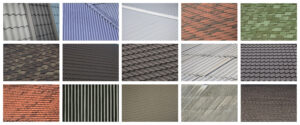
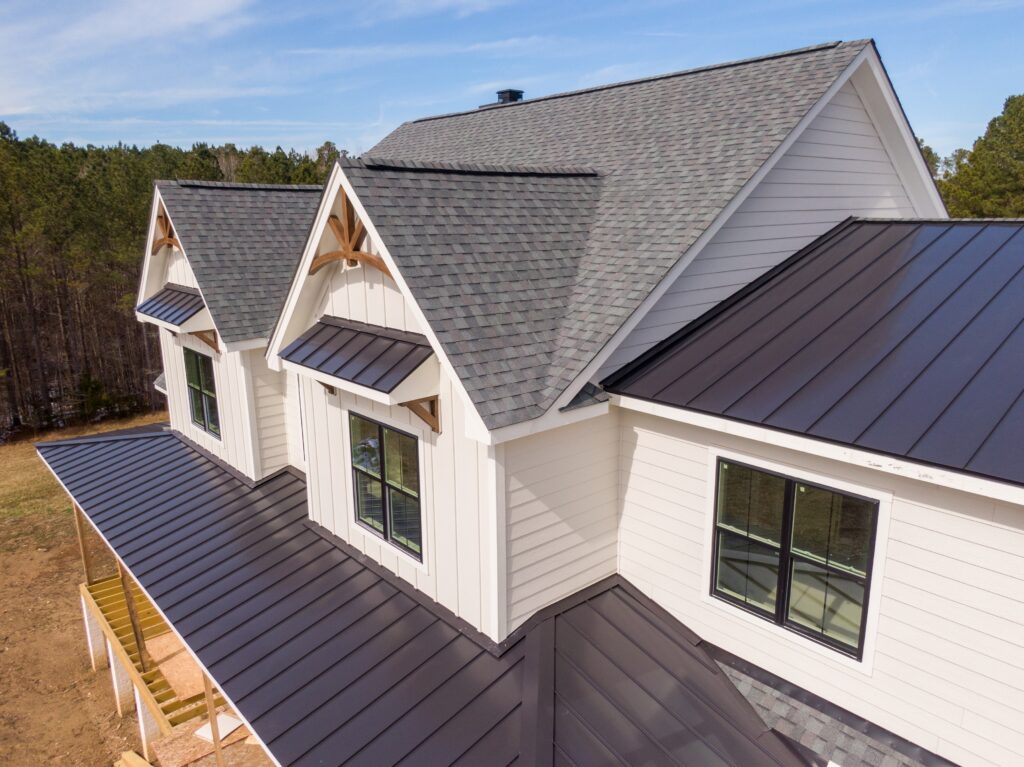
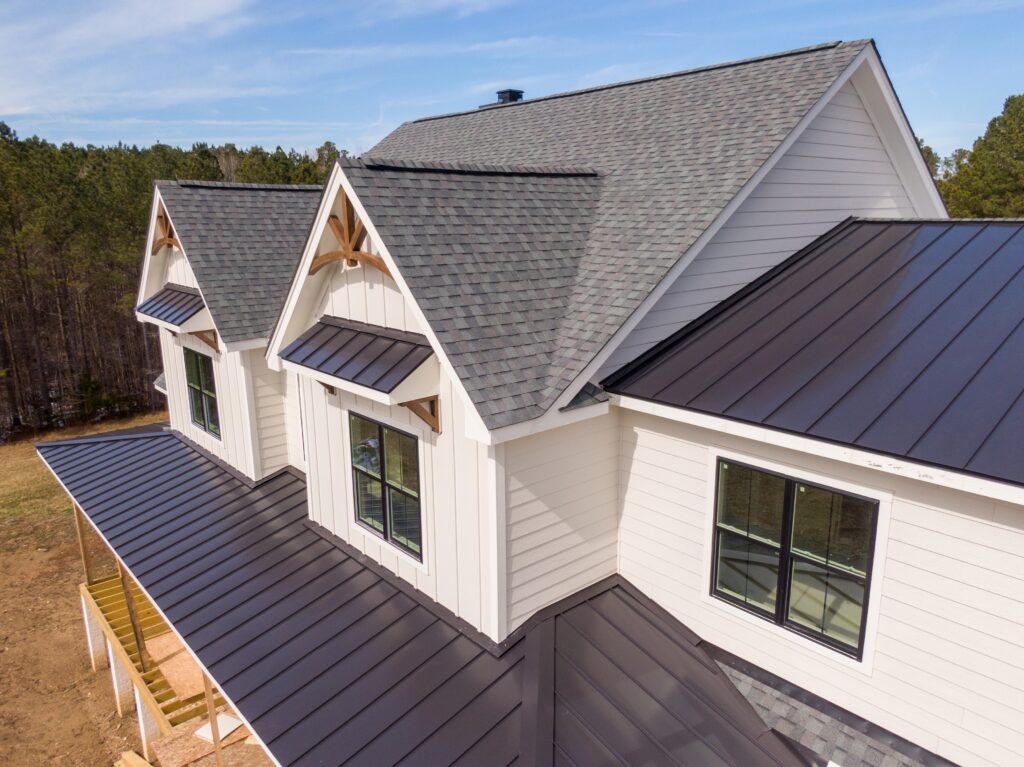
- Asphalt shingles: Affordable, easy to install, and last 15 to 30 years.
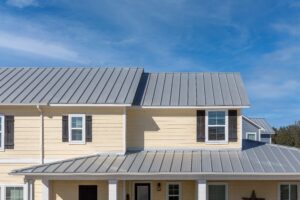
- Metal roofing: Long-lasting, energy efficient, and great in storm-prone areas.
- Tile roofing: Durable and stylish but heavy and expensive.
- Wood shakes: Natural look but require more maintenance.
The right material depends on your climate, budget, and style preferences.
Ridge and Ridge Cap
The ridge is the highest point on your roof where the sides meet. Ridge caps seal this joint to prevent leaks and often include ventilation features to help your attic breathe.
Flashing
Flashing is thin metal installed where two different parts of your roof meet. It keeps water out of spots like:
- Around chimneys
- Along valleys
- Around vents and skylights
- At roof edges
If flashing fails, water can sneak in and cause major damage.
Vents and Ventilation
Roof ventilation helps move hot, moist air out of your attic to keep your home cooler and prevent mold.
- Ridge vents: Run along the peak for even air flow.
- Soffit vents: Let fresh air into your attic from below.
- Gable vents and turbines: Used on homes without soffits.
Good ventilation extends your roof’s life and lowers energy bills.
"We matched with a great contractor the same day. The whole process was easy and completely free."
Gutters and Downspouts
These channel rainwater away from your roof and foundation.
- Gutters: Collect water along roof edges.
- Downspouts: Move water to the ground safely.
Without working gutters, water can pool around your home and lead to flooding, erosion, or basement leaks.
Structural Roof Components
These are the parts under the surface that hold everything up and keep your roof stable.
Roof Decking (Sheathing)
This flat layer—usually plywood or OSB—is attached to your roof’s frame. It supports shingles and other top layers. If it rots or warps, it can cause leaks or sagging.
Underlayment
This layer sits between the decking and shingles. It offers backup protection against moisture.
- Felt paper: Inexpensive and common.
- Synthetic underlayment: More durable and water-resistant.
- Ice and water shield: Used in valleys and cold climates to stop ice dams.
Trusses and Rafters
These are the wooden frames that support the entire roof structure.
- Rafters: Built on-site and allow for attic storage.
- Trusses: Prefabricated and cost-effective but less customizable.
Fascia
This is the vertical board that runs along the roof edge, just behind the gutters. It supports the gutters and helps block moisture and pests from entering your roof.
Why Hire a Licensed Professional
- Licensed & insured — protects you from liability
- Warranty coverage — manufacturers require pro installation
- Code compliance — avoids permit issues
- Faster completion — pros finish in days, not weeks
Soffit
Located under the roof overhang, soffits help ventilate the attic and give the underside of your roof a finished look.
- Solid soffits: Used in areas where ventilation isn’t needed.
- Vented soffits: Promote airflow and reduce moisture buildup.
Optional Features That Affect Roofing
Some homes include extra features that affect how the roof is built or maintained.
Skylights
Skylights bring in natural light but need special flashing to prevent leaks. They also require structural support to handle the cut-out in the roof.
DIY vs. Professional: At a Glance
Chimneys
Chimneys must be sealed carefully to prevent water damage. This includes proper flashing and sometimes a cricket—a small ridge that diverts water around the chimney.
Solar Panels
Solar installations add weight and may require changes to your roofing system. Each mount must be sealed to prevent leaks, and future roof work could mean removing and reinstalling panels.
Common Roofing Issues
Knowing the signs of trouble can help you act before small problems turn costly.
Flashing Leaks
Flashing is often the first part to fail. Look for signs like:
- Water stains near chimneys or vents
- Musty smells in the attic
- Visible rust or gaps in metal flashing
Spring and summer are the busiest seasons for home improvement projects — top-rated contractors book up fast. Lock in your estimate now before demand peaks.
Check Availability in Your Area →Shingle Damage
Missing, curling, or cracked shingles allow water to reach your underlayment and decking. This can lead to mold, rot, and interior leaks.
Ventilation Problems
If your attic isn’t ventilated properly, you may notice:
- Mold or mildew smells
- High energy bills
- Ice dams forming in winter
Gutter Trouble
Clogged or sagging gutters can cause water to back up under shingles or pool near your foundation. Clean them regularly and make sure downspouts are directing water at least 3 feet away from your home.
Ready to Move Forward?
Tell us about your project and get matched with up to 3 pre-screened contractors. Compare quotes, check reviews, and hire with confidence.
Repair or Replace? Knowing What to Do
Making the right decision between repair and replacement requires understanding each component’s condition, expected lifespan, and the cost-effectiveness of different approaches. Smart timing can save thousands while ensuring your home stays protected.
When Repairs Make Sense
- Isolated shingle damage
- Small flashing leaks
- Minor gutter issues
When Replacement Is Smarter
- Shingles are curling across large areas
- Your roof is nearing the end of its expected lifespan
- Flashing issues are widespread
- You’re seeing leaks in multiple spots
A roofing contractor can inspect your roof and give honest feedback about whether a repair is safe or a replacement is the better long-term option.
Final Thoughts
Understanding your roof isn’t just a skill for the handy. It’s a key part of protecting your home and making informed choices. From the shingles and gutters you can see to the structural supports hidden beneath, every part has a job to do. The more you know about how these pieces work together, the better you can maintain your roof and keep your home safe, dry, and looking its best for the long run.
No matter how well you understand your roof, regular inspections are still essential. A quick look from the ground can catch obvious issues, but a trained professional can spot hidden problems before they lead to costly damage. Scheduling routine checkups and asking for expert advice when something seems off can help you stay ahead of repairs and extend the life of your roof.
Connect with top-rated local contractors who can help you with siding, roofing, HVAC, windows, and more. Get free quotes from verified professionals in your area today.