

The siding on your home does more than define its look. It shields the structure from wind, rain, and moisture that can slowly wear it down over time. Among the many styles available, board and batten siding stands out for its tall vertical lines and its ability to blend traditional farmhouse warmth with modern simplicity. When installed the right way, it offers both lasting protection and distinctive curb appeal.
This guide breaks down how board and batten siding patterns, materials, and installation methods work together to prevent water damage. Whether you’re building new or upgrading an older exterior, understanding these principles will help you choose a siding system that looks great and protects your home for decades.
What Is Board and Batten Siding?
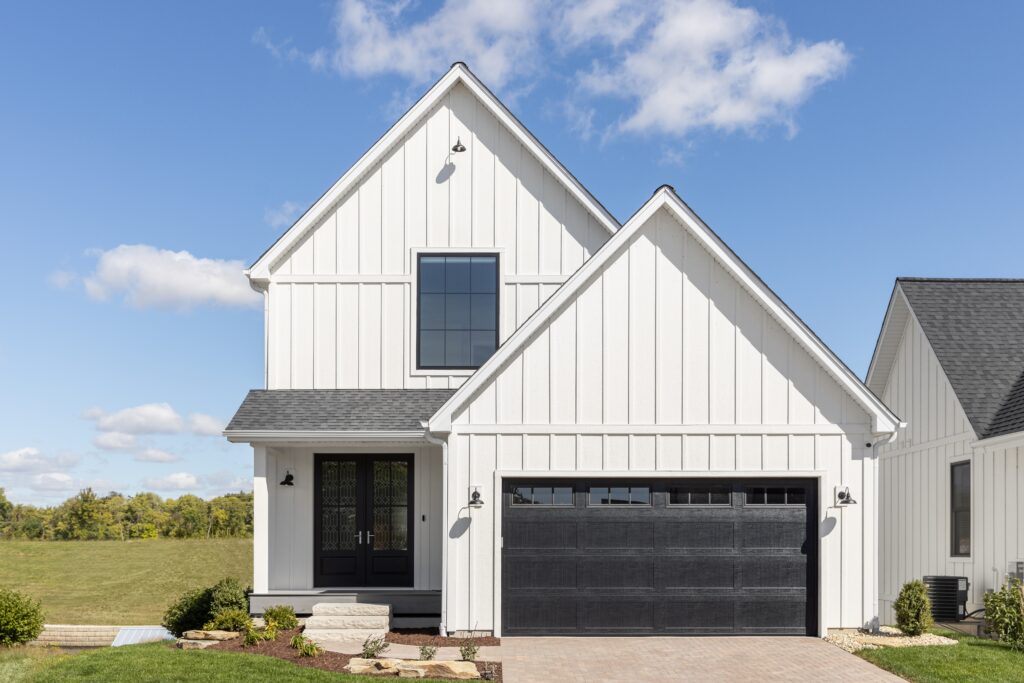
Board and batten siding is a type of vertical siding that uses wide boards placed side by side with narrow strips, called battens, covering the seams. The battens act as protective caps, sealing the joints and keeping water from sneaking behind the boards.
Originally found on barns and rural buildings, this vertical siding design has become a favorite among homeowners looking for a modern farmhouse or rustic look that also stands up to changing weather.
Common Materials for Board and Batten Siding:
- Wood (cedar, redwood, or pine): Natural warmth and traditional charm but requires routine painting or staining
- Fiber cement: Strong, water-resistant, and long-lasting with minimal maintenance
- Vinyl: Affordable and low maintenance, ideal for homeowners on a budget
- Engineered wood: Real wood appearance with better moisture resistance and stability
Why Water Protection Matters in Siding
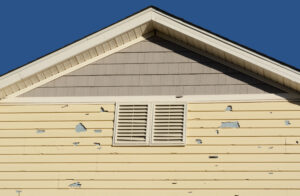
Siding is your home’s first defense against the elements, and water is the number one threat. Even a small gap or seam can allow moisture to enter, leading to mold, wood rot, and insulation damage.
Board and batten siding runs vertically, so it requires extra care to keep water from moving behind the boards. Horizontal siding naturally sheds water down its overlapping layers, but vertical layouts rely entirely on tight seams, flashing, and precise installation.
If Moisture Seeps In, the Risks Include:
- Rotting wall sheathing or framing
- Mold growth that impacts air quality
- Peeling paint and surface staining
- Damaged insulation and higher energy bills
Understanding how siding patterns and sealing methods work helps prevent these problems before they start.
Actual costs depend on your location, project scope, and materials. The best way to know what you'll pay is to get quotes from local contractors.
Get Your Free Estimate →Key Board and Batten Siding Patterns for Water Resistance
Different board and batten layouts influence how effectively water drains away from the wall. The following patterns vary in structure and appearance, but all can perform well when installed correctly.
Traditional overlapping is the most reliable for moisture control. The battens act as shields, directing rain down and away.
Reverse board and batten creates a layered look where the boards themselves shed water over recessed battens, ideal for windy or rainy climates.
Tight-seam installations provide a sleek, modern finish but require frequent inspection to ensure sealants stay intact.
| Pattern Type | Visual Structure | Installation Approach | Water Protection Rating |
| Traditional Overlapping | Wide boards first, battens cover seams | Boards installed side by side with battens nailed over gaps | Excellent when properly flashed and sealed |
| Reverse Board and Batten | Battens installed first, boards overlap edges | Boards overlap battens, creating outward water flow | Very good for shedding water |
| Tight-Seam Installation | Boards fitted closely together with narrow joints | Precision-cut boards with thin battens or sealed joints | Good if caulking and maintenance are consistent |
Installation Best Practices That Prevent Water Damage
Following proper weatherproofing techniques ensures that water stays out and the siding lasts for decades.
"We matched with a great contractor the same day. The whole process was easy and completely free."
1. Install a Weather-Resistant Barrier (WRB)
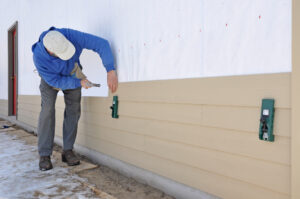
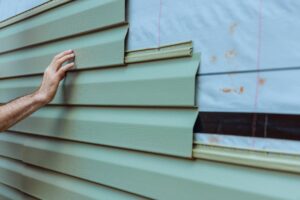
A continuous layer of housewrap or building paper behind the siding stops moisture that gets past the boards. Overlap seams by six inches and seal with compatible flashing tape.
2. Flash Windows, Doors, and Corners
Use metal or flexible flashing at all openings to direct water outward. Proper flashing works like shingles, overlapping in layers that guide water down and away.
3. Leave Expansion Gaps
Wood and engineered siding expand and contract. Leave one-eighth to one-quarter inch between boards for movement, with battens covering the gaps.
4. Seal Seams with Exterior-Grade Caulk
Apply flexible, paintable caulk where battens meet boards to block water entry and accommodate minor movement.
5. Nail Correctly and Carefully
Drive nails straight through battens into studs, not too deep. Overdriven nails can split wood or break seals.
Why Hire a Licensed Professional
- Licensed & insured — protects you from liability
- Warranty coverage — manufacturers require pro installation
- Code compliance — avoids permit issues
- Faster completion — pros finish in days, not weeks
6. Protect the Base
Add drip flashing or kickout flashing at the bottom edge of walls. This helps water drain away instead of soaking into lower boards.
Common Mistakes to Avoid
Even skilled installers can make errors that lead to leaks or deterioration down the line. Recognizing these common mistakes helps you prevent costly water damage.
- Gaps between boards and battens: Any space between components lets water slip behind siding. Battens must sit flush and be well sealed.
- Skipping house wrap or underlayment: This layer is crucial for catching stray moisture. Omitting it exposes wall sheathing to rot.
- Using untreated wood in wet areas: Choose cedar, redwood, or pressure-treated boards for moisture-prone regions.
- Blocking ventilation: A small air gap behind siding allows trapped moisture to dry. Without it, water lingers and causes decay.
- Leaving raw wood exposed: Always prime and paint cut edges before installation to keep out moisture.
DIY vs. Professional: At a Glance
Best Materials for Water-Resistant Board and Batten Siding
Material selection affects both the look and long-term durability of your siding. Some materials handle moisture better than others, making them ideal for humid or rainy climates.
Fiber cement is the most water-resistant choice overall. It resists rot, insects, and swelling while maintaining a crisp, painted finish for years.
Engineered wood offers a good balance of performance and visual appeal, especially in variable climates.
Vinyl remains popular for affordability and low upkeep, but it still requires proper flashing to prevent water from reaching the wall cavity.
| Material | Durability | Cost Range | Maintenance Level |
| Wood (Cedar/Redwood) | 20–30 years with upkeep | $$$ | High (repaint or restain every 3–5 years) |
| Fiber Cement | 50+ years | $$ | Low (inspect and repaint every 10–15 years) |
| Vinyl | 20–40 years | $ | Very low (wash annually) |
| Engineered Wood | 30–40 years | $$ | Moderate (repaint every 5–7 years) |
Maintenance Tips for Long-Term Water Protection
Even the best siding system needs regular maintenance to keep water out. A few simple habits can prevent costly damage.
Spring and summer are the busiest seasons for home improvement projects — top-rated contractors book up fast. Lock in your estimate now before demand peaks.
Check Availability in Your Area →Inspect Regularly
Walk around your home twice a year—after winter and before summer—to check for cracks, peeling paint, or loose battens.
Maintain Caulk and Paint
Reapply exterior caulk wherever it’s cracked or separated. Repaint wood siding every few years to protect against moisture.
Ready to Move Forward?
Tell us about your project and get matched with up to 3 pre-screened contractors. Compare quotes, check reviews, and hire with confidence.
Keep Water Moving
Clean gutters and downspouts so rainwater doesn’t spill down your siding. Trim back plants or shrubs that hold moisture against walls.
Quick Checklist for Upkeep
- Wash siding annually to remove dirt and mildew
- Touch up paint or stain when fading appears
- Replace damaged boards promptly
- Ensure drainage at the base of walls remains clear
Consistent care keeps your siding watertight and looking new for decades.
Conclusion
Board and batten siding adds distinctive character and lasting style to any home, but its performance depends on how well it’s installed and maintained. The right pattern, whether traditional or modern, directs water away from your walls and keeps your exterior protected. Choosing durable materials such as fiber cement or engineered wood further improves resistance to moisture and decay, while proper flashing, sealing, and regular upkeep ensure that protection lasts.
Water damage doesn’t happen all at once. It often starts with small openings or overlooked details that slowly allow moisture to seep in. By understanding how siding orientation, layout, and installation methods influence water resistance, you can make confident decisions that help your home stay dry and structurally sound for years.
Protect your home with water-resistant board and batten siding. Schedule a professional siding consultation today to compare materials, designs, and installation options that fit your home.
Connect with top-rated local contractors who can help you with siding, roofing, HVAC, windows, and more. Get free quotes from verified professionals in your area today.