
Most vinyl siding lasts anywhere from 20 to 40 years, and in some cases even longer with proper care. But lifespan depends on a lot more than just time. Weather, installation quality, and maintenance all play a big role in how well your siding performs.
Here’s what to expect and how to know when it’s time for a replacement.
How Long Does Vinyl Siding Typically Last?
On average, vinyl siding lasts 20 to 40 years, making it one of the more durable and low-maintenance exterior options for homeowners.
Higher-quality (and thicker) vinyl siding tends to last longer than budget materials. In milder climates with less extreme weather, it may even push past the 40-year mark. On the flip side, homes exposed to intense sun, heavy storms, or fluctuating temperatures may see a shorter lifespan.
Installation also matters more than most people realize. Poorly installed siding can warp, buckle, or fail much sooner than expected.
What Affects the Lifespan of Vinyl Siding?
Several factors can either extend or shorten the life of your siding.
Climate and weather exposure play a major role. Constant sun can cause fading and brittleness, while freezing temperatures can lead to cracking. High humidity and storms can also speed up wear and tear.
Installation quality is another big one. Vinyl siding needs room to expand and contract. If it’s nailed too tightly or installed incorrectly, it can warp over time.
Maintenance habits matter too. While vinyl siding is low-maintenance, it’s not no-maintenance. Dirt, mold, and mildew buildup can impact both appearance and longevity if left untreated.
Finally, material quality and thickness make a difference. Thicker, premium vinyl siding and insulated options tend to hold up better over time.
Signs Your Vinyl Siding Needs to Be Replaced
Even if your siding hasn’t hit the 20–40 year mark, there are clear signs it may be time for a replacement.
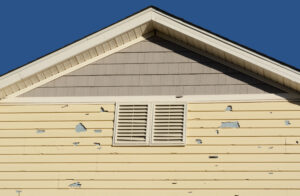
Cracks, warping, or buckling panels are some of the most obvious indicators. These issues can allow moisture to get behind the siding, which can lead to bigger problems like rot or mold.
Severe fading or discoloration is another clue. While some fading is normal, excessive or uneven color loss may signal that the material is breaking down.
You might also notice higher energy bills. If your siding is no longer insulating your home effectively, your HVAC system has to work harder.
Loose or missing panels are another red flag that your siding may be nearing the end of its lifespan.
Can Vinyl Siding Be Repaired Instead of Replaced?
In some cases, you don’t need a full replacement.
If the damage is minor such as a small crack or a few loose panels, repairs can be a cost-effective solution. Replacing individual sections can extend the life of your siding without a major investment.
However, if the damage is widespread or your siding is older, repairs may only be a temporary fix. In those cases, replacing all the siding is usually the smarter long-term decision.
When Should You Replace Vinyl Siding?
There’s no exact timeline, but most homeowners start seriously considering replacement once siding approaches the 20–30 year range, especially if issues are starting to show.
You may also need to replace siding sooner if it was poorly installed or has taken damage from severe weather.
If you’re planning to sell your home, updating worn or outdated siding can also boost curb appeal and potentially increase resale value.
How Much Does It Cost to Replace Vinyl Siding?
The cost to replace vinyl siding can vary widely depending on your home and the materials you choose.
Most homeowners spend anywhere from $5,000 to $15,000+, with costs typically calculated per square foot.
Factors that impact price include the size of your home, labor costs, removal of old siding, and whether you upgrade to insulated or premium materials.
While it’s an investment, new siding can offer a solid return by improving energy efficiency and overall home value.
Tips to Extend the Life of Vinyl Siding
Cleaning your siding once or twice a year helps prevent buildup that can cause long-term damage. Keeping gutters clear and ensuring proper drainage also protects against moisture issues.
It’s also smart to trim back trees and landscaping that may rub against the siding, and to fix small issues early before they turn into bigger problems.
Vinyl Siding vs. Other Siding Materials Lifespan
Vinyl siding holds up well compared to other materials, but it’s not the longest-lasting option available.
Fiber cement siding can last 40–50 years or more, while wood siding can last decades with proper maintenance, but requires much more upkeep. Aluminum siding falls somewhere in a similar range but can dent more easily.
Vinyl strikes a balance between durability, affordability, and low maintenance, which is why it remains one of the most popular choices.
Frequently Asked Questions About Vinyl Siding Lifespan
Many homeowners wonder how often siding really needs to be replaced. In most cases, it’s once every few decades, but it ultimately depends on condition, not just age.
Fading is also a common concern. Yes, vinyl siding can fade over time, especially in direct sunlight, but newer products are designed to resist UV damage better than older versions.
Pressure washing is generally safe when done correctly, but using too much pressure can damage the panels. And if you’re unsure whether damage is cosmetic or structural, it’s always worth having a professional take a look.
Final Thoughts: Is It Time to Replace Your Vinyl Siding?
Vinyl siding is built to last, but it won’t last forever.
If your siding is showing signs of wear, damage, or inefficiency, it may be time to start planning for a replacement. Catching issues early can help you avoid more costly repairs down the line.
When in doubt, a quick inspection from a professional can give you a clearer picture of what your home needs and whether it’s time to upgrade.

Anna has over six years of experience in the home services and journalism industries and serves as the Content Manager at MyHomePros.com, specializing in making complex home improvement topics like HVAC, roofing, and plumbing accessible to all. With a bachelor’s degree in journalism from Auburn University, she excels in crafting localized, comprehensive guides that cater to homeowners’ unique needs. Living on both coasts of the United States has equipped her with a distinctive perspective, fueling her passion for turning any house into a cherished home through informed, personalized decision-making.
Connect with top-rated local contractors who can help you with siding, roofing, HVAC, windows, and more. Get free quotes from verified professionals in your area today.