
Soffits and fascia are trim components that connect your roof to your siding while providing ventilation, weather protection, and structural support. These parts handle essential functions that protect your home from moisture damage and help maintain energy efficiency.
Understanding how soffits and fascia work helps you spot problems early and maintain your home’s protective envelope properly. However, many homeowners overlook these components until damage occurs that affects their siding or attic.
What Are Soffits and Fascia
Soffit and fascia create the finished connection between your roof and siding while serving important protective functions.
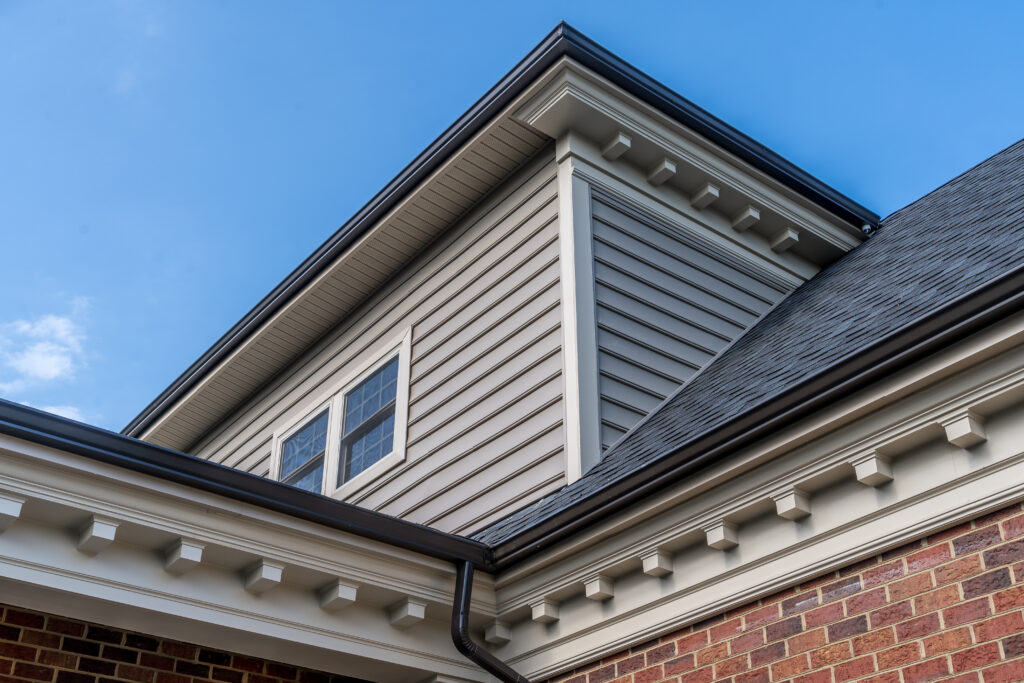
The soffit is the horizontal material visible when you look up at your roof’s overhang. Most soffits include vents that allow air to flow into your attic space. The fascia is the vertical board running along your roof’s edge where gutters attach. Together, they create a clean transition from your siding to your roofline.
These components work as an integrated system with your siding to create a continuous weather barrier around your home’s exterior envelope.
How Soffits Protect Your Home
Soffits serve multiple protective functions beyond their appearance, particularly in managing airflow and blocking entry points for pests and weather.
Attic Ventilation and Temperature Control
Vented soffits draw cool, dry air into your attic while ridge or roof vents allow hot, moist air to escape. This continuous airflow prevents several problems that can affect your entire home.
In summer, proper ventilation keeps attic temperatures lower, reducing cooling costs and preventing heat buildup that can damage roofing materials. During winter, ventilation maintains cooler attic temperatures that prevent ice dams from forming when snow melts and refreezes at roof edges.
Moisture Management Benefits:
- Prevents condensation that leads to mold and structural rot
- Reduces humidity that can affect insulation performance
- Maintains air quality by preventing stagnant, moist conditions
Physical Barrier Protection
Soffits seal the underside of roof overhangs, preventing pests like birds, squirrels, and insects from entering your attic space. They also block wind-driven rain from reaching the area behind your siding at the roofline junction.
This barrier function works with your siding system to eliminate entry points that could compromise your home’s weather resistance.
How Fascia Protects Your Home
Fascia boards provide structural support and weather protection at one of your roof’s most vulnerable areas.
The fascia supports your gutter system, which can become quite heavy when filled with water or debris. Strong fascia ensures gutters remain properly attached and function correctly to direct water away from your home.
Fascia also supports the bottom edge of your roofing material, providing a solid mounting surface for the final course of shingles or other roofing materials.
Weather Protection
Fascia creates a seal between your roof edge and exterior conditions, protecting the exposed ends of roof rafters from rain, snow, and ice. Without proper fascia protection, water can penetrate the roof structure and affect the top edge of your siding system.
The fascia also contributes to your home’s finished appearance by covering rough rafter ends and creating clean lines that enhance curb appeal.
How Soffits, Fascia, and Siding Work Together
Soffits, fascia, and siding function as a single protective system that must work together to maintain your home’s weather resistance and energy efficiency.
When properly installed, these components create an unbroken barrier that prevents water infiltration while allowing necessary ventilation. This system controls airflow to prevent drafts while managing moisture to prevent conditions that lead to rot and mold.
Proper integration becomes critical at junction points where different materials meet. Proper installation ensures water flows away from vulnerable areas rather than behind siding or into structural components.
Choosing the Right Soffits and Fascia Materials
Choose soffit and fascia materials based on your budget, climate conditions, and siding type. Matching materials to your siding often provides the best aesthetic and maintenance compatibility.
| Material | Advantages | Disadvantages | Best Applications |
| Vinyl | Low cost, minimal maintenance, color variety | Can become brittle in cold, may fade | Vinyl siding installations |
| Aluminum | Durable, moisture resistant, paintable | Susceptible to dents from impact | Wet climates, long-term durability |
| Wood | Traditional appearance, versatile | Requires regular maintenance, rot susceptible | Wood siding, traditional architecture |
| Fiber Cement | Extremely durable, fire and pest resistant | Higher cost, heavier installation | Premium installations, harsh climates |
Signs of Soffit and Fascia Damage
It’s a good idea to inspect your roofline a couple of times a year, especially after a major storm. Catching problems early can save you from much bigger headaches down the road. You should look for these clear warning signs:
- Peeling or Flaking Paint: This is often the first sign that the material is being exposed to moisture.
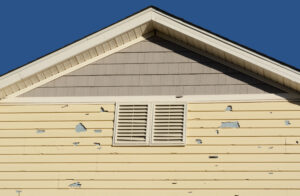
- Cracks, Rot, or Warping: Any sign of physical decay means the material is failing and can no longer protect your home.
- Sagging or Leaking Gutters: If your gutters are pulling away from the house, it’s a strong indicator the fascia board behind them is soft or rotten.
- Water Stains or Leaks: Check for discoloration on the soffits or walls, which points to a water intrusion problem.
- Pest Infestations: If you notice bees, wasps, or signs of rodents near the roofline, they may have found an entry point through a damaged soffit.
Ignoring these issues can have a direct impact on your siding. Water that drips behind a failing fascia can run down your walls, causing your siding to warp, stain, or rot from the top down.
Repair vs. Replacement
Minor issues like small paint problems or hairline cracks often respond well to targeted repairs when the underlying material remains structurally sound. Clean the affected area, make necessary repairs, and apply appropriate protective coatings.
Full replacement becomes necessary when damage is widespread or structural integrity is compromised. Extensive rot, large cracks, or sagging sections require complete material replacement to restore proper protection.
DIY vs. Professional Installation
Tackling a home project yourself can be rewarding, but working on soffits and fascia comes with unique challenges. It involves working on a ladder, often at significant heights, which carries safety risks.
You might be able to handle small repairs on your own, like painting or caulking. However, for a full replacement, hiring a professional is usually the better choice.
Professional installation ensures proper fit, weather sealing, and structural attachment while providing warranty protection for both materials and workmanship. Improper installation can compromise your entire exterior system’s performance.
Maintenance Tips for Long-Lasting Soffits and Fascia
A little bit of preventative maintenance can go a long way in extending the life of your soffits and fascia. By taking care of them, you also protect your siding and the rest of your home.
Here are a few simple things you can do:
- Clean Your Gutters: Do this at least twice a year. Clogged gutters overflow, pouring water directly onto your fascia and soffits, which is the number one cause of rot.
- Inspect Regularly: After big storms, walk around your house and look for any signs of damage like cracks or peeling paint.
- Keep Vents Clear: Make sure your soffit vents aren’t blocked by debris, paint, or insulation. Clear vents are essential for proper airflow.
- Wash and Repaint: For wood, make sure to repaint or reseal it every few years to protect it from moisture. For low-maintenance materials like vinyl or aluminum, a simple cleaning with a soft brush and mild detergent once a year will keep them in good shape.
Conclusion
Soffits and fascia work with your siding to create an integrated protective system that manages moisture, provides ventilation, and maintains structural integrity. Understanding their functions helps you maintain your home’s weather resistance and prevent costly damage.
Regular inspection and maintenance of these components protects your investment in siding and roofing while ensuring your home’s exterior remains protected, efficient, and well-maintained for years to come.

Anna has over six years of experience in the home services and journalism industries and serves as the Content Manager at MyHomePros.com, specializing in making complex home improvement topics like HVAC, roofing, and plumbing accessible to all. With a bachelor’s degree in journalism from Auburn University, she excels in crafting localized, comprehensive guides that cater to homeowners’ unique needs. Living on both coasts of the United States has equipped her with a distinctive perspective, fueling her passion for turning any house into a cherished home through informed, personalized decision-making.
Connect with top-rated local contractors who can help you with siding, roofing, HVAC, windows, and more. Get free quotes from verified professionals in your area today.