
Choosing between insulated vinyl siding and fiber cement for cold-climate homes comes down to balancing upfront costs, energy efficiency, and long-term durability. Insulated vinyl siding costs $8 to $12 per square foot installed and provides built-in insulation that reduces heating costs by 15% to 20%. Fiber cement siding costs $10 to $18 per square foot installed and offers superior durability in freeze-thaw cycles, lasting 50+ years compared to vinyl’s 20 to 40 years. Both materials perform well in harsh winters, but they excel in different areas.
This guide compares these two popular siding options specifically for cold-climate performance, helping you understand which makes sense for your budget, climate zone, and maintenance preferences.
Quick Comparison Table
| Feature | Insulated Vinyl Siding | Fiber Cement Siding |
| Cost (installed) | $8–$12/sq ft | $10–$18/sq ft |
| Lifespan | 20–40 years | 50+ years |
| Cold Climate Performance | Excellent insulation | Superior durability |
| Maintenance | Very low | Low to moderate |
| Energy Efficiency | Built-in R-2 to R-5 | Requires separate insulation |
| Winter Durability | Can crack below -20°F | Handles all temperatures |
| Best For | Energy savings, budget-conscious | Maximum longevity, harsh climates |
Insulated Vinyl Siding
Insulated vinyl consists of traditional vinyl panels with 1/2 inch to 1-1/4 inches of rigid foam insulation permanently attached. This provides R-values of R-2 to R-5 and increases impact resistance.
Key advantages:
- Built-in insulation reduces heating costs by 15% to 20%
- Never requires painting or staining
- Lower upfront cost
- Easier installation with more qualified contractors
- Cold-weather stabilizers in premium products (rated to -40°F)
Main limitations:
- Becomes brittle below -20°F and prone to cracking if impacted
- Shorter lifespan of 20 to 40 years
- Color fades gradually over time
- Less authentic appearance than wood-look products
Installation Costs:
- Materials: $3–$6 per sq ft
- Labor: $5–$6 per sq ft
- Installation time: 3 to 5 days
Typical cost for 2,000 sq ft home: $16,000–$24,000 installed
Fiber Cement Siding
Fiber cement is a composite material made from cement, sand, and cellulose fibers. Brands like James Hardie and Nichiha manufacture boards that mimic wood grain with superior durability.
Key advantages:
- Exceptional 50+ year lifespan with proper maintenance
- Superior freeze-thaw resistance
- Authentic wood-grain appearance
- Excellent impact resistance (handles 1.25-inch hail without damage)
- Performance doesn’t degrade in extreme cold
Main limitations:
- Higher initial cost
- Requires repainting every 10 to 15 years ($3,000–$6,000)
- Complex installation requiring specialized tools
- No inherent insulation value
- Heavier material (boards weigh 50 to 75 pounds each)
Installation Costs:
- Materials: $4–$10 per sq ft
- Labor: $6–$8 per sq ft
- Installation time: 5 to 8 days
- Add $4,000–$8,000 for separate rigid foam insulation if needed
Typical cost for 2,000 sq ft home: $20,000–$36,000 installed
According to Remodeling Magazine’s Cost vs. Value Report, siding replacement projects typically recoup 65% to 75% of costs at resale.
Durability and Lifespan in Cold Climates
How materials perform through decades of harsh winters determines their true value in cold climates.
Expected Lifespan
- Insulated vinyl: 20 to 40 years depending on quality, installation, and climate severity. Premium products with UV inhibitors and cold-weather stabilizers last toward the upper end. In regions with frequent extreme cold snaps (below -30°F), expect lifespans closer to 20 to 25 years.
- Fiber cement: 50+ years with proper maintenance. James Hardie offers a 30-year non-prorated warranty on their products, and properly maintained fiber cement commonly lasts 60 to 80 years. The material’s resistance to moisture and freeze-thaw cycles contributes to exceptional longevity.
Weather Resistance in Winter Conditions
- Freeze-thaw performance: Fiber cement excels here. The material’s low moisture absorption rate (less than 0.25% by weight) means minimal expansion during freezing. Vinyl, while not absorbing moisture itself, can crack when impacted in extreme cold.
- Ice dam resistance: Both materials resist damage from ice dams, but fiber cement’s superior impact resistance handles ice buildup better. Vinyl can crack if heavy ice sheets slide off roofs and strike the siding.
- Snow load tolerance: Properly installed examples of both materials handle snow accumulation without issue. The key is ensuring adequate ventilation behind the siding to prevent moisture accumulation.
Impact Resistance
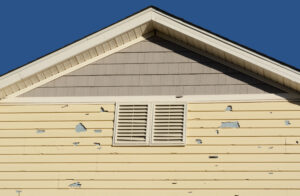
- Hail damage: Fiber cement withstands hail that would crack or puncture vinyl. Tests show fiber cement handles 1.25-inch hail without damage, while vinyl typically shows damage from 1-inch hail in cold conditions when the material is more brittle.
- Ice and debris: Falling ice from roof eaves commonly damages vinyl siding but rarely affects fiber cement. Wood-boring insects that might damage siding in other seasons pose no threat to either material.
Warranty Comparisons
- Insulated vinyl warranties: Typically lifetime limited warranties covering material defects but not installation issues or impact damage. Warranties are often non-transferable or reduced when homes sell. Wind resistance guarantees usually cap at 110 mph for premium products.
- Fiber cement warranties: 30-year non-prorated warranties common on premium products, with some manufacturers offering 50-year limited warranties. Pre-finished products include 15-year finish warranties. These warranties typically transfer to new homeowners with registration.
Maintenance Requirements in Winter
Ongoing maintenance affects both cost and convenience throughout the siding’s life.
Routine Maintenance
- Insulated vinyl: Requires minimal maintenance. Annual or bi-annual washing removes dirt, mildew, and salt residue from winter road treatments. Power washing works well but requires care to avoid forcing water behind panels. Budget 2 to 4 hours for DIY cleaning or $200 to $400 for professional service.
- Fiber cement: Requires periodic inspection of caulking and paint finish. Clean annually like vinyl. Check for cracks or separating caulk joints, particularly around windows and corners. Touch up paint chips promptly to prevent moisture infiltration. Annual maintenance takes 4 to 6 hours DIY.
Cleaning in Cold Climates
Both materials accumulate salt spray in areas where roads get treated. This requires attention in late winter or early spring. Salt can degrade vinyl’s color over time and accelerate paint deterioration on fiber cement. Thorough rinsing removes salt before it causes damage.
Repair Complexity
- Vinyl repairs: Individual damaged panels can be replaced for $300 to $800 including labor. The challenge involves matching color perfectly, as older vinyl may have faded. Some homeowners keep spare panels from original installation for repairs.
- Fiber cement repairs: Damaged boards require more extensive repair. Replacing a single board costs $400 to $1,000 including repainting to match. Chips and cracks can be filled and painted for $100 to $300 for minor damage. Most professionals recommend replacing damaged boards rather than patching for long-term durability.
Refinishing Needs
- Vinyl refinishing: Not applicable. Vinyl color is integral to the material. Fading occurs gradually but can’t be reversed. Painting vinyl is possible but rarely recommended since it requires specialty paint and doesn’t last more than 5 to 7 years.
- Fiber cement refinishing: Required every 10 to 15 years for standard finishes. Pre-finished products extend this to 15 to 20 years. Professional repainting costs $3,000 to $6,000 for a typical home. The work must be done when temperatures exceed 50°F, limiting the season in cold climates to late spring through early fall.
Which Should You Choose?
The right choice depends on your specific priorities, budget, and climate severity.
Choose Insulated Vinyl If:
- Budget is limited ($16,000–$24,000 range)
- You prioritize immediate energy savings with minimal maintenance
- Your climate has moderate winters (lows above -30°F)
- You’re comfortable with vinyl’s appearance
- You want easier DIY installation option
- Low ongoing maintenance is essential
Choose Fiber Cement If:
- You’re investing in a long-term home (20+ years)
- Winter temperatures regularly drop below -30°F
- Authentic wood appearance enhances your home’s architecture
- You’re comfortable with periodic repainting
- Impact resistance from ice and hail is critical
- Maximum durability outweighs higher upfront costs
Decision Framework Questions
- How long will you own the home? Less than 10 years favors vinyl; 20+ years favors fiber cement
- What’s your budget? Under $20,000 suggests vinyl; $25,000+ makes fiber cement viable
- How extreme are your winters? Occasional -20°F suits vinyl; sustained -30°F needs fiber cement
- Maintenance preference? Minimal maintenance points to vinyl; willing to repaint allows fiber cement
- Home style? Contemporary suits vinyl; traditional (Craftsman, Colonial) benefits from fiber cement
Long-Term Considerations
Think beyond the initial installation:
Energy costs trajectory: If you expect heating costs to rise significantly (carbon pricing, fuel shortages), the energy efficiency of insulated vinyl becomes more valuable over time.
Future sale plans: Fiber cement typically adds 2% to 4% to perceived home value compared to vinyl in cold-climate markets, particularly in higher-price ranges.
Climate change impacts: If your region is experiencing more extreme weather events (increased freeze-thaw cycles, heavier ice storms), fiber cement’s superior durability may become more important.
Other Siding Alternatives to Consider
While insulated vinyl and fiber cement represent popular choices for cold climates, other options deserve consideration.
Engineered Wood Siding
Products like LP SmartSide use treated wood strands engineered for moisture resistance. Cost runs $6 to $12 per square foot installed, falling between vinyl and fiber cement. The material handles cold well but requires painting like fiber cement. It offers authentic wood texture with better moisture resistance than natural wood. Best for homeowners who want wood appearance without fiber cement’s weight and installation complexity.
Metal Siding
Steel or aluminum siding costs $8 to $14 per square foot installed and performs excellently in cold climates. Won’t crack in extreme temperatures, handles impact well, and lasts 40+ years. The main drawbacks include potential for denting, expansion/contraction requiring proper installation, and industrial appearance that doesn’t suit all architectural styles. Works well for modern or contemporary homes in extremely cold regions.
Natural Wood Siding
Cedar, redwood, or pine siding costs $10 to $20 per square foot installed and provides authentic beauty. However, cold-climate performance is problematic. Wood absorbs moisture, leading to rot, warping, and paint failure from freeze-thaw cycles. Requires painting or staining every 3 to 7 years and extensive maintenance. Only recommended for homeowners committed to intensive upkeep in protected areas with minimal moisture exposure.
Combination Approaches
Some homeowners use fiber cement on the front facade for curb appeal and insulated vinyl on sides and rear for cost savings. This hybrid approach reduces total project costs by 15% to 25% while maintaining attractive front-facing appearance. The key is ensuring proper transitions between materials at corners.
Conclusion
Both insulated vinyl and fiber cement excel in cold climates but serve different priorities. Insulated vinyl provides the best value for homeowners prioritizing energy efficiency and low maintenance with a $16,000 to $24,000 budget. The built-in insulation immediately reduces heating costs while minimal maintenance appeals to set-it-and-forget-it homeowners.
Fiber cement delivers superior longevity and authentic appearance for those investing $20,000 to $36,000 upfront and willing to repaint periodically. In the harshest climates where temperatures regularly drop below -30°F, fiber cement’s resistance to impact damage and superior freeze-thaw performance justify the higher cost.
Your decision should align with your budget, how long you’ll stay in the home, your climate’s severity, and whether you prioritize energy savings or maximum durability. Both materials will protect your home and reduce heating costs when properly installed.
Ready to find qualified siding contractors for your cold climate home? MyHomePros connects you with screened, licensed professionals in your area who understand cold weather performance, can help you weigh the pros and cons of vinyl versus fiber cement for your specific situation, and provide honest recommendations based on your home’s needs and local conditions.

Anna has over six years of experience in the home services and journalism industries and serves as the Content Manager at MyHomePros.com, specializing in making complex home improvement topics like HVAC, roofing, and plumbing accessible to all. With a bachelor’s degree in journalism from Auburn University, she excels in crafting localized, comprehensive guides that cater to homeowners’ unique needs. Living on both coasts of the United States has equipped her with a distinctive perspective, fueling her passion for turning any house into a cherished home through informed, personalized decision-making.
Connect with top-rated local contractors who can help you with siding, roofing, HVAC, windows, and more. Get free quotes from verified professionals in your area today.