
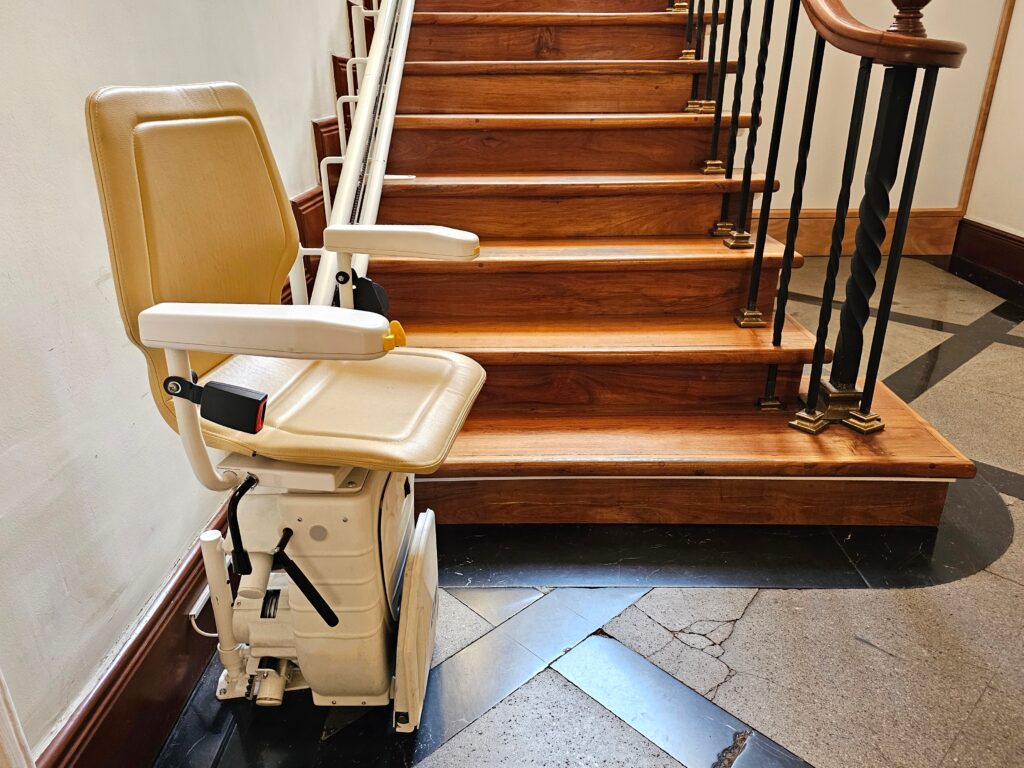
Buying a stairlift is a big step toward making your home safer and more comfortable, especially if stairs have started to feel like a challenge. These handy mobility solutions can make a world of difference in your day-to-day life, but not all stairlifts are created equal—and not every model will be the right fit for your needs.
That’s why asking the right questions before you buy is so important. A little preparation up front can help you avoid costly mistakes, keep you from dealing with frustrating issues later, and make sure you get a stairlift that fits your home, your budget, and your lifestyle.
What Are My Mobility Needs?
Before you even start looking at stairlift models and prices, it helps to get clear on your personal needs. Everyone’s situation is a little different, and the “right” stairlift for one person might not be the best choice for another. Thinking about how you’ll use it, what type of staircase you have, and any special requirements will guide you toward the perfect match.
Is the stairlift for short-term or long-term use?
If you’re recovering from surgery or an injury, you might only need a stairlift for a few months. In that case, renting could be a more affordable and practical option than buying brand-new. But if mobility is a long-term concern, investing in a high-quality stairlift that will last for years makes more sense. Knowing how long you’ll need it helps narrow down your options right away.
Do I need a straight or curved stairlift?
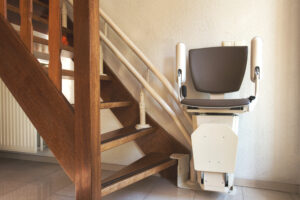
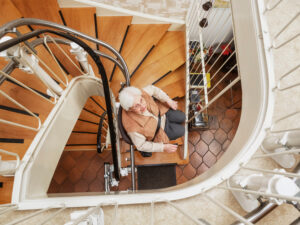
This is one of the biggest factors in your decision. If your staircase is a simple, straight run, you’re in luck—straight stairlifts are the most common and budget-friendly. But if your stairs curve, have landings, or switch back, you’ll need a custom curved stairlift designed to fit your unique layout. Curved models are more expensive, but they provide the smooth ride and safety you’ll want in a tricky stair setup.
Are there weight capacity requirements?
Not all stairlifts are built the same when it comes to carrying capacity. Standard models typically support up to 300 pounds, while heavy-duty versions can handle 400–600 pounds. It’s important to be realistic here—choosing a stairlift with the right weight capacity ensures safe, reliable performance and helps avoid unnecessary strain on the motor.
What Features Should I Look For?
Once you know the basics of what kind of stairlift you need, it’s time to think about the features that will make your daily ride safe, comfortable, and easy. Modern stairlifts come with plenty of options, and while you don’t need every bell and whistle, choosing the right features can make a big difference in how much you enjoy and rely on it.
Safety features (seat belts, sensors, swivel seats)
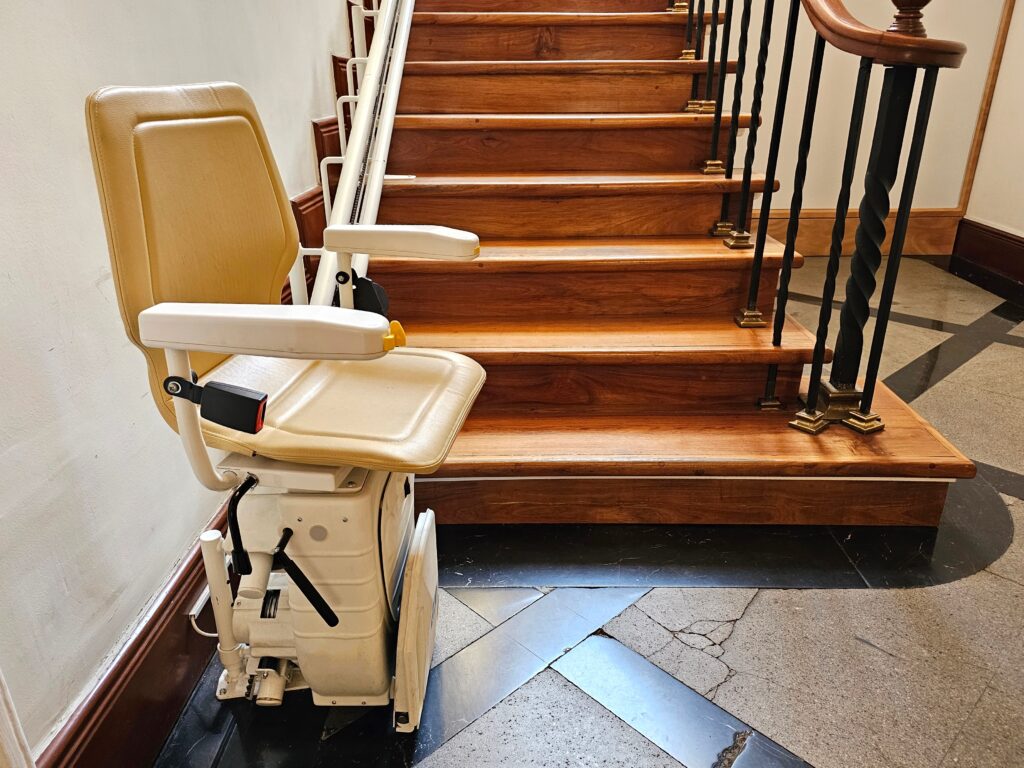
Safety should always come first. Look for stairlifts with built-in seat belts to keep you secure during the ride. Obstruction sensors are another must—they’ll stop the lift automatically if something (like a pet toy or laundry basket) is on the track. Swivel seats are a big help too, letting you safely get on and off the lift at the top of the stairs without twisting your body in an awkward way.
Comfort features (cushioning, armrests, footrests)
Since you’ll be using your stairlift regularly, comfort really matters. Padded cushioning makes the ride more pleasant, and armrests and footrests give you extra support. Some models even let you fold these parts up when not in use, which is great for keeping the stairs clear for other family members.
Ease of use (controls, remote, foldable design)
You shouldn’t need a manual every time you use your stairlift. Look for intuitive controls, like a simple joystick or push-button system. Many stairlifts also come with remotes, so you can “call” the lift to your floor if someone else used it last. And if space is tight, a foldable design helps keep the lift tucked neatly out of the way when it’s not in use.
How Much Does a Stairlift Cost?
One of the first things most people want to know is: what’s this going to cost me? Stairlifts are a big investment, but the price varies depending on the type, features, and installation. Thinking through your budget and long-term needs will help you make smart decisions. Here are some key stairlift cost considerations to keep in mind.
What’s the price range for straight vs. curved models?
Straight stairlifts are usually the most affordable option, since they fit a standard staircase without customization. You can expect prices to start around $2,500 to $5,000, depending on the brand and features. Curved stairlifts, on the other hand, are custom-built to match your staircase’s twists, turns, or landings. Because of that, the cost is higher—typically anywhere from $8,000 to $15,000 or more. The more complex your staircase, the more the price can climb.
Are financing or rental options available?
If the sticker price makes you nervous, many providers offer financing plans to spread out payments. Some companies also rent stairlifts, which is perfect if you only need one for a short period, such as after surgery. Renting often runs a few hundred dollars a month, plus installation fees. Asking about financing or rental options upfront can make a stairlift far more manageable for your budget.
What ongoing costs (maintenance, repairs, batteries) should I expect?
The initial purchase isn’t the only cost to think about. Stairlifts have ongoing expenses that keep them running smoothly. Batteries usually need to be replaced every two to three years, which can cost a few hundred dollars. Professional maintenance—like inspections, lubrication, and adjustments—may also be recommended once a year. If a part breaks down, repairs can range from a minor service fee to several hundred dollars, depending on the issue. Factoring in these long-term costs helps you avoid surprises down the road.
What Does Installation Involve?
Once you’ve picked the stairlift that fits your needs and budget, the next big question is what installation looks like. Stairlifts are designed to be as hassle-free as possible, and the process is usually quicker and less invasive than people expect. Still, it’s smart to know what to expect before installers show up at your door.
How long does installation take?
For a standard straight stairlift, installation can often be done in just a few hours—sometimes even less than half a day. Curved stairlifts take longer since they’re custom-built, but even then, you’re usually looking at a single day of work. The best part is you’ll be able to use it right away once it’s in place.
Will the stairlift damage my walls or stairs?
This is a common worry, but you can relax. Stairlifts don’t actually attach to your walls—they’re mounted to the stair treads themselves. That means no drilling into drywall or plaster. Installers typically use brackets that secure to the steps, so while there may be small screw holes if you ever remove the lift, there won’t be major damage to your stairs or walls.
Do I need any electrical upgrades or modifications?
Most stairlifts plug directly into a standard household outlet, which makes things super simple. You won’t usually need special wiring or big electrical changes. In some cases, if the nearest outlet is far away, you might need an electrician to add one closer to the lift—but that’s about it. Stairlifts are also battery-powered with charging points at the top or bottom of the rail, so the outlet is really just there to keep the battery charged.
What About Warranty and Service?
When you’re investing in a stairlift, the warranty and service options matter almost as much as the lift itself. After all, you want peace of mind knowing that if something goes wrong, you won’t be stuck with surprise costs or waiting weeks for repairs. Asking about warranty details upfront helps you avoid headaches down the road.
How long is the warranty coverage?
Most stairlifts come with at least a one- to two-year warranty, but some manufacturers offer extended coverage for five years or more. The length of the warranty can vary depending on whether you’re buying new, reconditioned, or renting. It’s always worth asking if you can upgrade to longer coverage, especially if you plan to use the stairlift for many years.
What does it include (parts, labor, callouts)?
Not all warranties are created equal. Some cover just the parts, leaving you to pay for labor costs, while others are more comprehensive and cover parts, labor, and service callouts. The best warranties are all-inclusive, meaning you won’t be out of pocket if a motor fails or a sensor acts up. Be sure to read the fine print—knowing what’s included saves a lot of frustration later.
Is there a local service provider available?
Even the best stairlift needs the occasional tune-up. Having a local service provider means faster response times when you need help. If the dealer or manufacturer has a strong presence in your area, you’ll likely get same-day or next-day service. If not, you could be waiting longer, which isn’t ideal if your mobility depends on the lift.
How Reliable Is the Stairlift Brand?
Not all stairlifts are created equal, and the brand behind the product can make a huge difference in your overall experience. A reliable stairlift isn’t just about how well it works on day one—it’s about how long it lasts, how easy it is to get service, and how well the company stands behind its product. Asking the right questions about the brand’s reputation can help you feel confident in your purchase.
Are there independent reviews or customer testimonials?
Before you sign anything, take a little time to do some digging. Check independent reviews online, look at customer testimonials on dealer sites, and see what people are saying on forums or social media. Reviews can give you a good sense of real-world reliability—things like how smoothly the stairlift runs over time, how responsive customer service is, and whether buyers are happy with their investment. Just remember to take overly glowing or overly negative reviews with a grain of salt and look for consistent themes.
How long has the manufacturer been in business?
Longevity matters. A stairlift company that’s been around for decades has had time to refine its products and build a track record. It also means they’re more likely to be around in the future if you need parts, service, or warranty support. A newer company might still offer a great product, but there’s a bit more risk if they don’t have a long history in the industry. Asking how long they’ve been in business is a simple way to gauge their stability.
Does the company offer ongoing support?
Buying a stairlift is just the beginning—you want a brand that’s going to support you for the long haul. This includes things like customer helplines, easy-to-order replacement parts, and a network of trained service providers. Some brands even offer remote troubleshooting or quick-response maintenance plans. A company that invests in after-sales support shows they care about your experience, not just the initial sale.
Are There Alternatives to Buying New?
A brand-new stairlift can feel like a big investment. Depending on your situation, you might not need to buy a new one at full price. There are a few alternatives that can save you money or make the commitment less intimidating.
Can I buy a refurbished stairlift?
Absolutely. Refurbished stairlifts are pre-owned units that have been inspected, repaired, and tested by professionals to make sure they’re safe and reliable. They’re usually a lot more affordable than brand new models, and many even come with a limited warranty for peace of mind.
However, refurbished lifts may not be available in every size or configuration, especially for custom curved staircases. Still, if you’ve got a straight staircase, it can be a fantastic budget-friendly option.
Is renting a stairlift a good option?
If you only need a stairlift for a short period—say, while recovering from surgery or during a family member’s temporary stay—renting can be a smart move. Rental stairlifts usually come with installation, service, and removal included in the monthly fee. While renting isn’t the cheapest option long-term, it can save you a lot if you only need the stairlift for a few months. Think of it as a “try before you buy” scenario too—it gives you a chance to see how a stairlift fits into your home and daily routine without committing to a purchase right away.
Should I consider a stairlift through insurance or Medicare?
This is where things can get a little tricky. Medicare generally doesn’t cover stairlifts since they’re considered “home modifications” rather than medical equipment. Some private insurance plans, however, may help with costs if your doctor deems it medically necessary. You can also look into state or local programs, veterans’ benefits, or nonprofit organizations that sometimes provide funding or grants. The bottom line? Don’t assume it’s all out-of-pocket—check your insurance policy, ask your doctor for documentation, and see if any assistance programs are available in your area.
Key Safety and Maintenance Questions
A stairlift is a major help around the house, but like any piece of equipment, it needs proper care to stay safe and reliable. Asking the right stairlift maintenance questions upfront will help you avoid surprises and keep your lift running smoothly for years to come.
How often should I schedule stairlift maintenance?
Most manufacturers recommend having your stairlift professionally serviced once a year. If you use your stairlift multiple times a day or have an older model, you might even want to schedule check-ups every six months for extra peace of mind.
What are common problems and how are they handled?
The most common stairlift hiccups are things like battery issues, error beeps, or the lift stopping halfway up the track. A lot of these are easy to fix on your own—charging the battery, resetting the safety switch, or clearing obstructions from the track. For bigger problems, like a worn motor or electrical fault, a technician will usually need to step in. Knowing how these issues are typically resolved helps you plan ahead and not panic when something goes wrong.
Who do I call in case of a breakdown?
Before you buy, find out who handles repairs. Is it the dealer, the manufacturer, or a local service provider? Ideally, you’ll want someone nearby who can respond quickly—waiting weeks for parts or service is the last thing you need. Many companies even offer emergency callouts, so you’re not stuck if your stairlift decides to stop working at the worst possible moment. Having that contact info handy means you can get back up and running with minimal stress.
Final Checklist of Questions to Ask Before Buying
Before you sign on the dotted line, it helps to run through a quick checklist. These are the top questions you’ll want to ask a dealer or installer to make sure you’re getting the right stairlift for your home, your budget, and your lifestyle:
- What type of stairlift works best for my staircase—straight or curved?
- What is the total cost, including installation and ongoing maintenance?
- Are financing, rental, or refurbished options available?
- What’s the weight capacity, and will it safely support my needs?
- What safety features are included (seat belt, sensors, swivel seat, etc.)?
- How long will installation take, and will it require any home modifications?
- What does the warranty cover, and for how long?
- Who handles service calls and routine maintenance in my area?
- Are there customer reviews or testimonials I can check?
- Does the company provide ongoing support after the sale?
Keeping this list handy makes it easier to compare your options and ask the right questions before you commit. A little preparation now can save you time, money, and stress down the road—leaving you with a stairlift that fits seamlessly into your daily life.
Conclusion
Buying a stairlift isn’t just about picking a model and getting it installed—it’s about making sure it’s the right fit for your home and your lifestyle. Asking the right questions up front helps you avoid costly mistakes, gives you peace of mind, and ensures you’ll end up with a stairlift that’s safe, reliable, and built to last.
Remember, this is an investment in comfort and independence. Take your time, do your homework, and don’t be afraid to get answers to every concern on your list. And if you’re not sure where to start, reach out to a professional stairlift provider—they can walk you through your options and help you find the perfect solution for your needs.

Anna has over six years of experience in the home services and journalism industries and serves as the Content Manager at MyHomePros.com, specializing in making complex home improvement topics like HVAC, roofing, and plumbing accessible to all. With a bachelor’s degree in journalism from Auburn University, she excels in crafting localized, comprehensive guides that cater to homeowners’ unique needs. Living on both coasts of the United States has equipped her with a distinctive perspective, fueling her passion for turning any house into a cherished home through informed, personalized decision-making.
Connect with top-rated local contractors who can help you with siding, roofing, HVAC, windows, and more. Get free quotes from verified professionals in your area today.