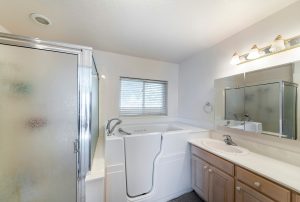

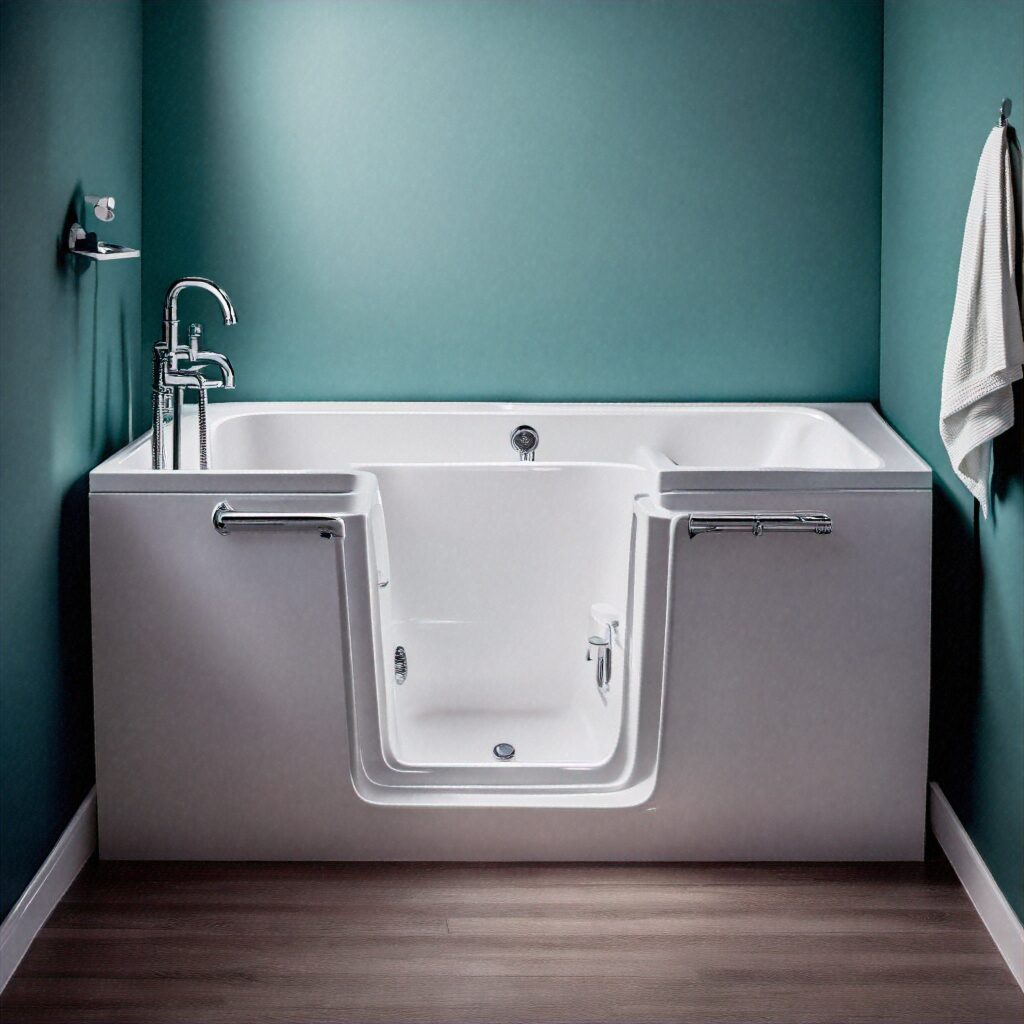
A walk-in tub is a modified bathtub with a waist-high door that allows entry without stepping over a high threshold. This safety feature can significantly reduce fall risk for people with mobility challenges.
Medicare generally doesn’t cover walk-in tubs because it classifies them as home modifications rather than medically necessary equipment. That said, you have several other funding options that could make this safety upgrade affordable.
Read on to understand Medicare’s coverage rules and discover the alternatives that could save you thousands on your walk-in tub investment.
Why Walk-In Tubs Matter for Your Safety
Walk-in tubs address a serious safety concern. According to the CDC, many falls among older adults happen in the bathroom, where wet surfaces combine with traditional tubs’ high step-over thresholds to create dangerous conditions.
Walk-in tubs eliminate this risk with safety features designed specifically for your needs:
- Low entry threshold – Usually under four inches high, removing the dangerous step-over.
- Built-in seating – Chair-height seats that eliminate lowering yourself to the tub floor.
- Anti-slip surfaces – Textured floors and seats for secure footing when wet.
- Strategically placed grab bars – Sturdy support for safe entry, exit, and movement.
Many latest walk-in tub models also include hydrotherapy jets that may provide relief from arthritis pain and improved circulation, essentially offering at-home physical therapy benefits.
Does Original Medicare Cover Walk-In Tubs?
Original Medicare (Parts A and B) rarely covers walk-in tubs. Medicare Part A handles hospital stays and skilled nursing care, making it irrelevant for home modifications. Medicare Part B covers outpatient services and Durable Medical Equipment (DME) – the category where walk-in tubs would need to qualify.
The DME Requirements That Work Against Coverage
For Medicare to cover any item as DME, it must meet four strict criteria:
- Durable and reusable
- Primarily medical
- Only useful with illness
- Appropriate for home use
Walk-in tubs fail these tests because they’re permanent plumbing fixtures that can’t be rented or reused. Medicare classifies them as “home modifications” rather than medical equipment. Additionally, anyone can benefit from walk-in tub safety features, not just people with medical conditions.
The Rare Exceptions Where Medicare Might Help
Medicare has occasionally approved walk-in tub claims when the modification addresses a specific medical condition making traditional bathing impossible. The key distinction is “impossible” versus “difficult” or “risky.”
The documentation you’d need includes:
- A written prescription from a Medicare-enrolled physician.
- A Letter of Medical Necessity explaining your diagnosis.
- Purchase from a Medicare-enrolled supplier.
The financial risk: You must pay everything upfront and hope for reimbursement. There’s no pre-approval process, claims are frequently denied, and if approved, Medicare covers only 80% of the tub cost (not installation) after you meet your annual Part B deductible.
Does Medicare Advantage Cover Walk-In Tubs?
Medicare Advantage (Part C) plans offer more flexibility. These private plans can include supplemental benefits beyond traditional Medicare, such as home safety allowances.
However, coverage varies dramatically. To check your plan, review your “Evidence of Coverage” document for terms like “home safety allowance” or contact your plan directly to understand requirements before purchasing anything.
Better Alternatives to Medicare Coverage
Since Medicare coverage is extremely limited, focus your energy on funding sources with better success rates.
Medicaid: Your Best Coverage Option
Medicaid programs consistently provide more help than Medicare. Unlike Medicare’s rigid national rules, Medicaid operates at the state level with greater flexibility.
Home and Community-Based Services (HCBS) Waivers offer your best opportunity. These programs fund home modifications that help people avoid nursing home placement. To qualify, you typically need to meet both functional and financial need criteria for your state.
Contact your state Medicaid office to learn about available waivers and application processes.
Veterans Benefits: Substantial Coverage for Eligible Veterans
Eligible veterans have access to several VA housing adaptation grants that can cover walk-in tubs:
- Home Improvements and Structural Alterations (HISA) – Up to $6,800 for service-connected disabilities.
- Specially Adapted Housing (SAH) – A larger grant for severe qualifying disabilities.
- Special Home Adaptation (SHA) – A grant for specific service-connected conditions.
The HISA program is most relevant for walk-in tubs. You’ll need a prescription from a VA physician and cost estimates for your application.
Private Insurance and Long-Term Care Policies
While uncommon, some private health or long-term care policies might offer limited coverage. Review your policy documents or contact your insurer to inquire about home modification benefits.
Smart Ways to Reduce Your Walk-In Tub Costs
Walk-in tub prices vary dramatically between manufacturers and installation companies, often by thousands of dollars for identical features. The key to substantial savings lies in understanding what drives these costs and approaching your purchase strategically.
Shop Around for the Best Deal
Get detailed quotes from at least three companies. Major brands like Kohler, American Standard, and Safe Step offer different pricing structures and promotions.
Take Advantage of Manufacturer Discounts
Companies frequently offer substantial savings:
- Cash discounts
- Financing deals (e.g., 0% interest)
- Specialty rebates
- Group discounts (senior, veteran, AARP)
Consider Features Carefully
The biggest cost driver is feature selection.
- Basic soaker tubs ($3,500-$10,000 total) provide essential safety at the most affordable price.
- Hydrotherapy models ($6,250-$16,000 total) add therapeutic water jets.
- Combination systems ($9,500-$28,000+ total) are the highest investment.
Financing Options When Assistance Isn’t Available
- Manufacturer Financing: Many companies partner with institutions like GreenSky and Synchrony.
- Home Equity Solutions: Consider home equity loans, HELOCs, or reverse mortgages.
- Other Alternatives: Look into personal loans or the USDA Section 504 program, which offers loans and grants for low-income seniors in rural areas.
Tax Benefits You Shouldn’t Overlook
The IRS allows walk-in tubs as deductible medical expenses if prescribed by a doctor. You must itemize deductions on Schedule A, and your total medical expenses must exceed 7.5% of your adjusted gross income.
Since it is a home improvement, you can only deduct the portion that doesn’t increase your home’s value. Keep detailed records and consult a tax professional.
FAQs
Will Medicare reimburse me after I buy a walk-in tub?
Reimbursement is extremely unlikely. You must prove absolute medical necessity under strict DME criteria and bear the full financial risk, as claim denial is probable.
Can I get Medicare Advantage to pre-approve coverage?
Some plans offer home modification benefits, but coverage varies. Contact your plan directly to inquire about benefits and prior authorization requirements before purchasing.
How do I prove medical necessity for any program?
You need a detailed Letter of Medical Necessity from your doctor that includes your diagnosis, explains how the tub treats your condition, and justifies why simpler alternatives won’t work.
Conclusion
Medicare rarely covers walk-in tubs, but that shouldn’t stop you from pursuing this important safety upgrade. Your best funding prospects include Medicaid HCBS waivers, VA housing grants, and certain Medicare Advantage supplemental benefits.
When you compare walk-in tub costs to potential medical expenses from a serious fall—the median nursing home cost exceeds $10,000 monthly—the safety upgrade often represents sound financial planning. Start by researching assistance programs, then get quotes from multiple manufacturers to make your walk-in tub an affordable reality.

Anna has over six years of experience in the home services and journalism industries and serves as the Content Manager at MyHomePros.com, specializing in making complex home improvement topics like HVAC, roofing, and plumbing accessible to all. With a bachelor’s degree in journalism from Auburn University, she excels in crafting localized, comprehensive guides that cater to homeowners’ unique needs. Living on both coasts of the United States has equipped her with a distinctive perspective, fueling her passion for turning any house into a cherished home through informed, personalized decision-making.
Connect with top-rated local contractors who can help you with siding, roofing, HVAC, windows, and more. Get free quotes from verified professionals in your area today.