


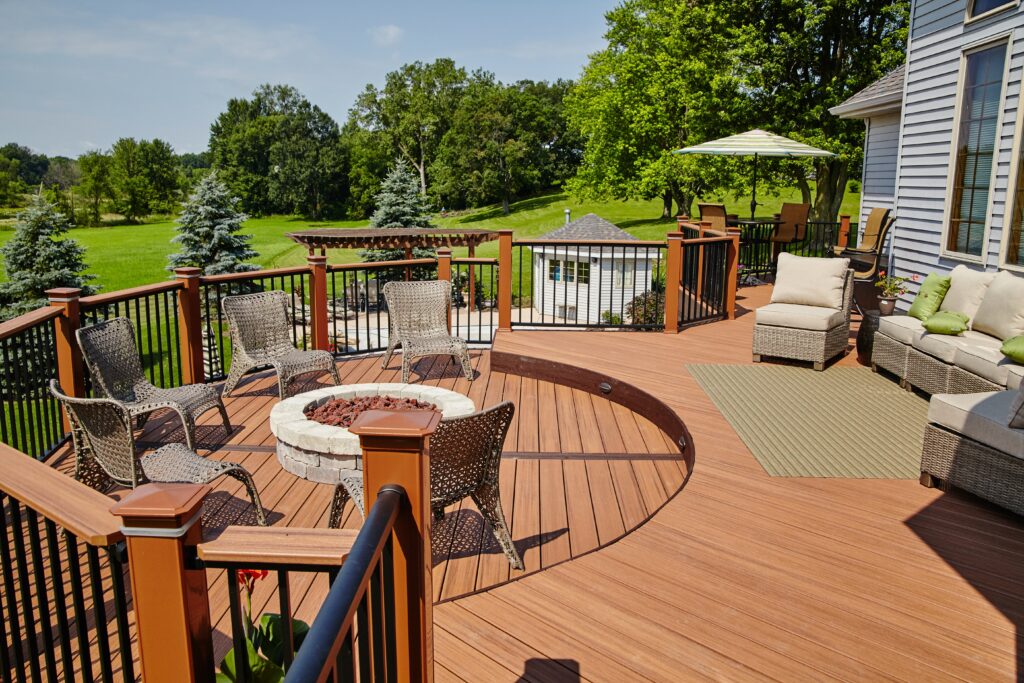
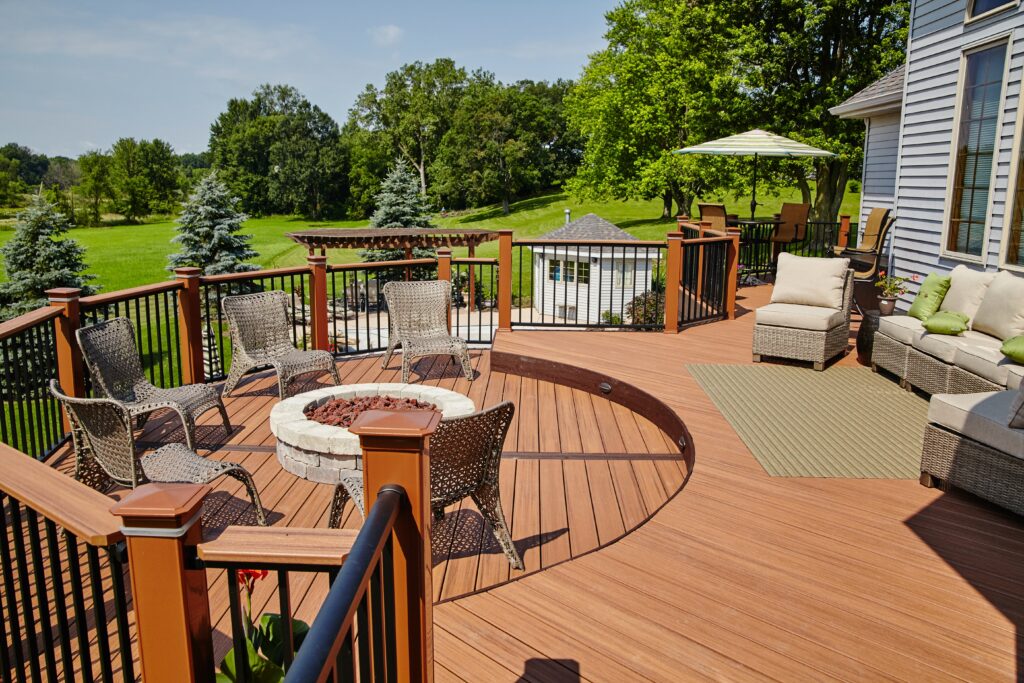
As summer approaches and outdoor living beckons, your backyard deck is likely to become the hub of barbecues, evening gatherings, and weekend lounging. But before you break out the patio furniture and fire up the grill, it’s wise to ensure your deck is safe, sound, and visually ready for the season.
Decks endure a lot—sun, rain, snow, foot traffic, and the gradual toll of time. That means wear and tear can compromise both their beauty and structural integrity. An annual spring inspection helps keep everyone safe and maintains your home’s value.
Whether you’re a seasoned DIYer or prefer calling in a pro, use this deck inspection checklist to get started.
Table of Contents
- 1. Start from the Ground: Foundation and Footings
- 2. Inspect the Frame and Support Structure
- 3. Check Decking Boards
- 4. Secure the Railing System
- 5. Stairs and Steps Matter Too
- 6. Inspect for Rust, Corrosion & Fastener Failures
- 7. Final Touches: Cleanliness, Sealing, and Finishes
- When to Call in a Professional
- Summer-Ready Starts with Safety
- Additional Home Improvement Resources
1. Start from the Ground: Foundation and Footings
Begin your inspection at the base. The footings—concrete pads that support your deck posts—should be solid, uncracked, and not shifted. Any signs of movement, erosion, or water pooling around footings could signal long-term issues.
Look for:
Actual costs depend on your location, project scope, and materials. The best way to know what you'll pay is to get quotes from local contractors.
Get Your Free Estimate →Need professional help with your project?
Get quotes from top-rated pros.
Find Local Pros- Cracks or crumbling in concrete footings
- Shifting or settling of the ground underneath
- Signs of wood-to-ground contact (which invites rot and pests)
- Rust or damage to post anchors and fasteners
Tip: If your deck is older and footings are partially buried or hard to access, consider having a professional evaluate them.
"We matched with a great contractor the same day. The whole process was easy and completely free."
2. Inspect the Frame and Support Structure
Next, move up to the framework—beams, joists, and posts. These are the structural heart of your deck and must remain dry, rot-free, and securely fastened.
Look for:
- Cracks, splits, or sagging wood
- Wood rot, mildew, or mold (especially near joints and where water might collect)
- Loose or corroded hardware (screws, bolts, hangers)
- Termite or insect damage
Use a screwdriver to gently prod wood areas that look questionable. If it sinks easily or flakes apart, you likely have rot and should replace the piece.
3. Check Decking Boards
Deck surface boards take the most abuse. A single warped, split, or rotted board can cause tripping or splintering hazards.
Look for:
- Loose, raised, or squeaky boards
- Splits, cracks, or rot in the decking
- Nail pops or fasteners sticking up
- Discoloration from mold, algae, or UV damage
Give the surface a bounce test—walk across it and note any soft spots or excessive flexing, which may indicate compromised joists below.
Appearance Tip: Power washing followed by sealing or staining not only restores beauty but helps prevent further weathering and decay.
4. Secure the Railing System
Railings are essential for both safety and aesthetics. Wobbly or loose railings are a major hazard, especially for kids and older guests.
Look for:
- Loose or unstable posts
- Cracks or rot in railing components
- Missing or rusted fasteners
- Gaps that are too wide (rails should be no more than 4 inches apart for child safety)
Give the railing a firm shake—it should resist movement. Don’t ignore even slight wobble—it can worsen over time.
Why Hire a Licensed Professional
- Licensed & insured — protects you from liability
- Warranty coverage — manufacturers require pro installation
- Code compliance — avoids permit issues
- Faster completion — pros finish in days, not weeks
5. Stairs and Steps Matter Too
Deck stairs experience high foot traffic and are prone to shifting or wear. Poorly maintained stairs are one of the top causes of deck-related injuries.
Look for:
- Loose or cracked treads and risers
- Wobbly railings or balusters
- Uneven spacing or height between steps
- Slippery surfaces (consider anti-slip treads or coatings)
Also ensure there’s sufficient lighting on or around stairs, especially if you host evening gatherings.
DIY vs. Professional: At a Glance
6. Inspect for Rust, Corrosion & Fastener Failures
Metal connectors, screws, bolts, joist hangers, and nails are often overlooked—but they’re critical to the structural soundness of your deck.
Look for:
- Rust or corrosion (especially on older decks)
- Missing or loose fasteners
- Rust streaks running down from connectors (a sign of hidden decay)
- Nails pulling away from wood
In humid or coastal environments, galvanized or stainless steel fasteners are a must. Replace any visibly rusted pieces.
Spring and summer are the busiest seasons for home improvement projects — top-rated contractors book up fast. Lock in your estimate now before demand peaks.
Check Availability in Your Area →7. Final Touches: Cleanliness, Sealing, and Finishes
Once structural and safety checks are complete, focus on appearance and protection. A clean, well-sealed deck looks better, lasts longer, and resists sun and water damage.
Tasks to consider:
- Sweep and clean thoroughly to remove debris
- Power wash for deep cleaning (check compatibility with your deck material)
- Re-stain or seal wood decks every 2–3 years
- Touch up paint or coatings as needed
Bonus Tip: Don’t forget under the deck—remove leaves and debris to prevent moisture buildup and deter pests.
When to Call in a Professional
While many homeowners can handle a basic deck inspection, there are situations where expert evaluation is best:
- Your deck is more than 10–15 years old
- You notice rot, instability, or sagging
- Your deck is attached to the home with flashing or ledger issues
- You’re unsure about load capacity for gatherings or hot tubs
- You plan to make upgrades or expansions
A licensed deck contractor or home inspector can spot structural risks you might miss—and recommend the safest repairs or enhancements.
Ready to Move Forward?
Tell us about your project and get matched with up to 3 pre-screened contractors. Compare quotes, check reviews, and hire with confidence.
Summer-Ready Starts with Safety
A deck should be a space of joy, not worry. Investing a bit of time into inspecting and maintaining your deck ensures it’s safe, sound, and ready for another season of laughter, relaxation, and sunset dinners.
So before you invite the neighbors over, grab this checklist and take a walk around your deck. Your future self—and your guests—will thank you.
Additional Home Improvement Resources
Connect with top-rated local contractors who can help you with siding, roofing, HVAC, windows, and more. Get free quotes from verified professionals in your area today.