


*Updated October 21st, 2025
The average electricity bill in the United States is $137.70 per month, and that’s just for electricity—gas, water, and other utilities add even more to monthly expenses. With energy costs on the rise, finding ways to save energy isn’t just about saving money; it’s about energy efficiency and cutting waste. Fortunately, there are plenty of simple, practical steps you can take to boost energy savings and make your home more comfortable.
From small behavior shifts to quick home improvement tweaks, these energy saving tips can help you save without sacrificing comfort. Here’s how to start saving today and improve energy at home.
1) Change Habits (No-Cost Energy Tips)
The first way to save energy at home is to change your habits. Have a quick family meeting and brainstorm ways to lower your energy bill together. Try these no-cost tips:
-
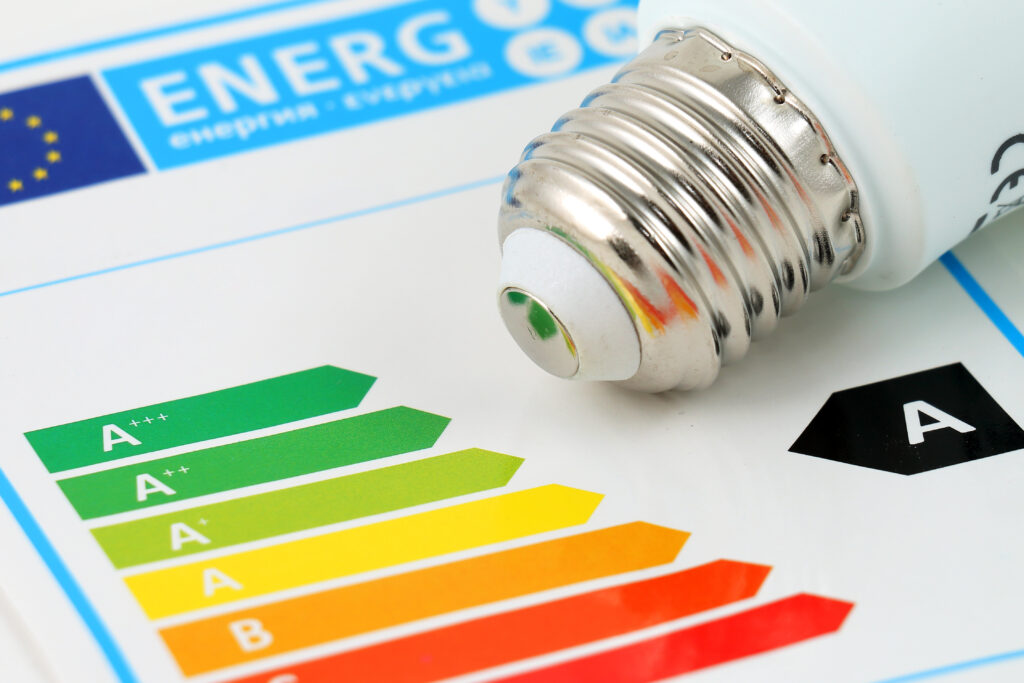
Turn lights off when you leave a room; switch to bulbs with energy-efficient LEDs that use up to 90 percent less energy than standard bulbs.
-
Unplug electronic devices not in use or use power strips/using a power strip to eliminate standby energy use.
-
Run the dishwasher and dryer during off-peak times and choose “air-dry.”
-
Wash your clothes in cold (use clothes in cold water) when possible to save water and energy.
-
Adjust heating and cooling when no one is home.
Consistent small changes around your home can make a difference and help you save money month after month.
Actual costs depend on your location, project scope, and materials. The best way to know what you'll pay is to get quotes from local contractors.
Get Your Free Estimate →2) Turn Ceiling Fans Off (Smart Heating and Cooling)
Ceiling fans don’t lower air temperature; they move warm air off your skin. If a room is empty, turn fans off to use less energy. When occupied, set fans to spin counter-clockwise in summer and clockwise (low) in colder months to gently recirculate warm air.
3) Move Lamps Away from the Thermostat
A nearby lamp can heat the wall and confuse the thermostat, making the air conditioner run longer. Keep heat-producing appliances (lamps, TVs) away from the thermostat and use LEDs to reduce stray heat.
"We matched with a great contractor the same day. The whole process was easy and completely free."
4) Install Power Strips (and Smart Ones)
Clustering chargers, game consoles, and media gear onto a single strip lets you kill phantom loads with one switch—start saving energy daily. Smart strips with a master-controlled sensor can shut peripherals automatically to help reduce the amount of energy wasted.
5) Vacuum Air Intake Vents
Vacuum return vents and ensure supply registers aren’t blocked by rugs or furniture. Better airflow helps heat your home and cool efficiently, lowering heating and cooling costs.
6) Keep Your Thermostat Higher in Summer / Lower in Winter
Minimize the gap between outdoor and indoor temperatures. Set your thermostat to the warmest comfortable setting in summer and cooler in winter. A smart thermostat/install a smart thermostat can learn your schedule—many guides note a smart thermostat can save and a thermostat can reduce your heating and cooling runtime automatically.
Why Hire a Licensed Professional
- Licensed & insured — protects you from liability
- Warranty coverage — manufacturers require pro installation
- Code compliance — avoids permit issues
- Faster completion — pros finish in days, not weeks
7) Consider a Programmable / Smart Thermostat
A smart thermostat can reduce runtime while you’re away or asleep. Program setbacks and pre-heat/cool before you return. This can lower your energy costs in the colder months and summer alike—great ways to save energy without thinking about it.
8) Seal Air Leaks with Caulk and Weather-Stripping
Drafty windows/doors leak cold air in winter and hot air in summer. Add weather stripping around doors and stripping around doors and windows, and caulk gaps on all sides of your home to reduce heat loss and make your home more comfortable. Close window coverings at night in winter to insulate.
DIY vs. Professional: At a Glance
9) Strategically Plant Shade & Use Window Strategies
Trees and awnings on west/south sides of your home cut solar gain. In winter, open shades by day for passive heat and close at night to retain it—simple ways to improve the comfort of your home.
10) Close Vents in Rarely Used Rooms (Use Caution)
Redirect airflow where you actually need it to help save; avoid closing too many vents, which can raise static pressure and stress equipment. Aim for balance to reduce your heating and cooling load.
Spring and summer are the busiest seasons for home improvement projects — top-rated contractors book up fast. Lock in your estimate now before demand peaks.
Check Availability in Your Area →11) Change HVAC Filters & Clean the Lint Trap
Replace filters every 1–3 months (more often with pets). A clean filter slashes blower strain and cut your energy use. For the laundry, clean the lint/clean the lint trap often; if your dryer has a moisture sensor, use it, or skip the dryer and air-dry when possible.
Ready to Move Forward?
Tell us about your project and get matched with up to 3 pre-screened contractors. Compare quotes, check reviews, and hire with confidence.
12) Turn the Water Heater Down
Many units are set to 140°F by default; 120°F is typically sufficient, improving safety and energy savings for water heating. Insulate hot-water lines where accessible to save even more energy.
Final Thoughts
You don’t need a renovation to save energy and money. Thoughtful habits, a tuned thermostat, sealed air leaks, and a few energy-saving upgrades can help you save energy around your home fast. Start with the no-cost tips, then layer in smart controls and Energy Star choices. Small steps add up to big savings for your home’s energy use—and a more comfortable, efficient home.
Additional Energy Saving Resources
- How to Insulate Your Windows for Energy Efficiency and Comfort
- 9 Reasons to Upgrade to Energy-Efficient Windows
- Energy Saving Tips for Home Appliances
Connect with top-rated local contractors who can help you with siding, roofing, HVAC, windows, and more. Get free quotes from verified professionals in your area today.