
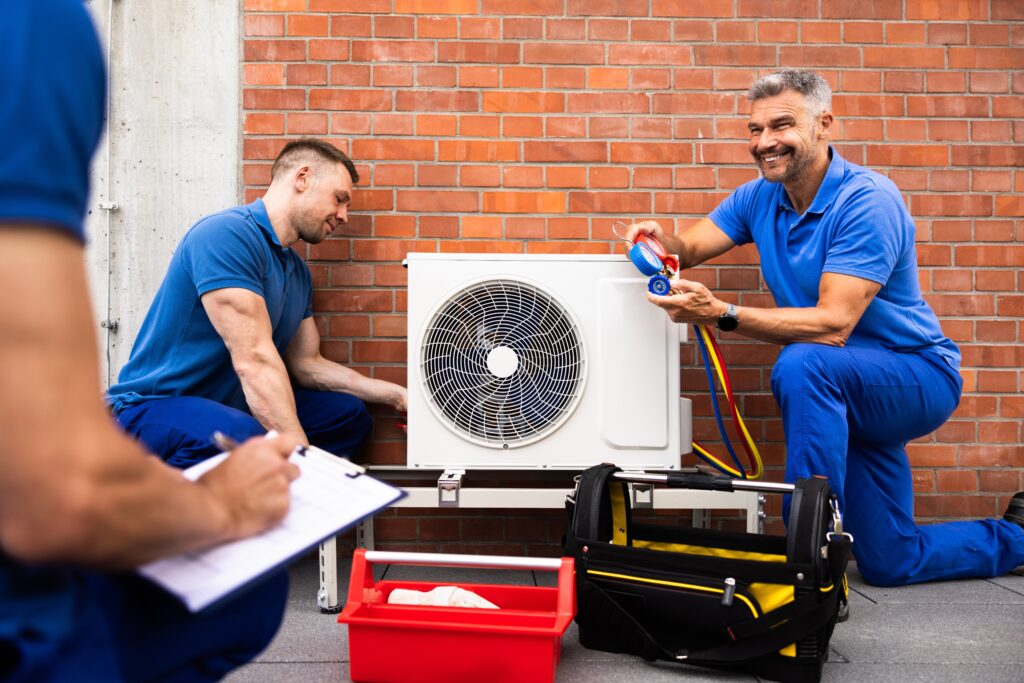
If you’re replacing your home’s heating and cooling system or installing one in a new build, choosing the right size is one of the most important steps. The size of your HVAC system affects how efficiently it runs, how comfortable your home feels, and how much you spend on energy over time. A unit that’s too small will constantly run to keep up, while one that’s too large will cycle on and off frequently, leading to uneven performance and higher utility bills.
This guide explains what proper HVAC sizing means, how professionals calculate it, and what you should know to choose a system that fits your home and your needs.
What Does HVAC Capacity Mean?
Before getting into the calculations, it’s helpful to understand the terms professionals use to measure HVAC capacity.
British Thermal Units (BTUs)
A BTU, or British Thermal Unit, is a standard measure of thermal energy. In the context of HVAC, a BTU rating indicates how much heat a system can add (for a furnace) or remove (for an air conditioner) in one hour.
- For a furnace, a higher BTU rating means more heating power.
- For an air conditioner, a higher BTU rating means more cooling power.
Tons
For cooling systems, capacity is also measured in “tons”. This term has historical roots from when ice was used for cooling, and it refers to the amount of heat needed to melt one ton of ice in 24 hours.
In modern terms, one ton of cooling capacity is equivalent to 12,000 BTUs per hour. A technician might refer to a system as a “3-ton unit,” which means it has a cooling capacity of 36,000 BTUs per hour (3 x 12,000).
How Professionals Calculate HVAC Size
The most accurate and comprehensive way to determine the correct HVAC size for your home is by performing a load calculation. Professionals use a method developed by the Air Conditioning Contractors of America (ACCA) called “Manual J”.
This calculation goes far beyond simple square footage to build a complete thermal profile of your home. A professional performing a Manual J load calculation will assess a wide range of factors:
- Your home’s square footage and volume: This includes not just the total floor space but also ceiling heights, since taller ceilings mean more air to condition.
- The climate in your area: Your local climate and weather patterns are a major factor in determining heating and cooling needs.
- Insulation levels: A well-insulated home requires less capacity than one with poor insulation.
- Windows and doors: The number, size, orientation, and energy efficiency of windows and exterior doors affect how much heat enters or escapes your home.
- Air leakage (infiltration): Drafts and leaks around windows and other openings can increase the workload on your HVAC system.
- Orientation of the home: The direction your home faces affects how much sunlight it receives throughout the day.
- Occupancy and appliances: The number of people living in your home and the heat generated by appliances like ovens and computers contribute to the overall heat load.
By analyzing all these factors, a professional can pinpoint the exact capacity your home needs to stay comfortable. This is a scientific process, not a guess.
Estimating System Size by Home Size (Rough Guide)
While a professional load calculation is the gold standard, you can use these rough guidelines to get a ballpark idea of the system size your home might need. This is a helpful starting point but should never be a substitute for a professional evaluation.
| Home Size (Sq. Ft.) | Approximate Cooling BTUs | Approximate Cooling Tonnage |
| 600–1,000 | 18,000–21,000 | 1.5–1.75 tons |
| 1,000–1,500 | 24,000–30,000 | 2–2.5 tons |
| 1,500–2,000 | 30,000–36,000 | 2.5–3 tons |
| 2,000–2,500 | 36,000–42,000 | 3–3.5 tons |
| 2,500–3,000 | 42,000–48,000 | 3.5–4 tons |
Disclaimer: These are general estimates for an average home and climate. Your actual needs will vary greatly depending on insulation, windows, climate, and other factors.
Climate and Insulation Impact on Sizing
Your home’s specific heating and cooling needs are fundamentally determined by two major factors: the climate you live in and the quality of your home’s construction. This is why a simple rule-of-thumb based on square footage is so often inaccurate.
Regional Climate Differences
The weather in your area directly impacts how hard your system needs to work throughout the year. For example, a home in a hot and humid climate like Florida has very different needs than a home in a cold climate like Minnesota.
In Florida, the primary demand is for powerful, long-running cooling and significant dehumidification during the long, hot summer. In Minnesota, the main concern is providing enough heat to stay comfortable during a long and frigid winter.
Professional load calculations use specific data for your climate zone, including peak temperatures and humidity levels, to determine the appropriate system capacity to handle the worst-case conditions.
The Role of Insulation and Air Sealing
Insulation acts as a thermal barrier, slowing the transfer of heat into and out of your home. High-quality insulation in your attic, walls, and floors significantly reduces your home’s thermal load.
A well-insulated home requires less capacity from its HVAC system to maintain a comfortable temperature. Conversely, a poorly insulated or leaky home allows heat to easily escape in the winter and penetrate in the summer, forcing your system to work much harder and potentially requiring a larger unit. This is why adding insulation or sealing air leaks before replacing your HVAC system can sometimes allow you to install a smaller, more efficient unit and still improve your comfort.
The Effect of Windows and Shading
Windows are one of the biggest factors for heat gain in the summer and heat loss in the winter.
Old, single-pane windows are especially inefficient, allowing a large amount of thermal transfer. Large, unshaded windows, especially those facing west or south, can let in significant solar heat during the hottest parts of the day.
A professional HVAC contractor will be able to assess the type, size, and orientation of your windows to accurately account for this heat gain. The presence of natural shading from trees or man-made features like awnings will also affect the calculation. Upgrading to more energy-efficient windows with low-emissivity (low-E) coatings can dramatically lower your home’s thermal load and reduce the required HVAC size.
Common HVAC Sizing Mistakes
Homeowners often make assumptions or follow outdated advice that leads to poor HVAC sizing decisions. Knowing these common mistakes can help you avoid them.
Oversizing and Short Cycling
The “bigger is better” mentality is a common trap when deciding on the HVAC capacity. An oversized system will cool or heat your home too quickly, reaching the thermostat’s set point before it can properly complete a full cycle. This causes:
- Poor humidity control: The system doesn’t run long enough to effectively remove moisture from the air, making your home feel clammy.
- Temperature swings: Frequent on-off cycling leads to less consistent temperatures.
- Wasted energy: Every time the system starts up, it uses a significant amount of energy.
- Premature wear: Constant stopping and starting puts a heavy strain on the compressor and other components.
Undersizing and Poor Temperature Control
An undersized unit will run constantly, struggling to keep up with the demands of your home on the hottest or coldest days. This leads to:
- Inadequate heating or cooling: Your HVAC system struggles to reach your desired comfort level.
- Higher energy bills: Running a system nonstop uses more energy than a properly sized one that cycles on and off.
- Excessive wear and tear: The constant operation leads to an earlier breakdown and a shorter lifespan.
Ignoring Ductwork or Airflow
Even with a perfectly sized unit, poor ductwork can completely undermine its performance. If your ducts are too small, leaky, or poorly configured, your system will struggle to move air effectively, leading to energy waste and hot or cold spots. A proper assessment includes inspecting and potentially upgrading your duct system to match the new equipment.
Skipping Load Calculations
When replacing an old unit, it’s a mistake to simply assume you need the same capacity as before. Your home’s insulation may have been updated, you may have new windows, or the efficiency standards of new equipment may have changed. A professional load calculation is necessary for every new installation to ensure the unit is matched to your home’s current needs.
Right-Sizing for Efficiency and Comfort
When you get the HVAC sizing right, the benefits are significant and long-lasting.
Improved Energy Use
A correctly sized HVAC system will operate in longer, more efficient cycles. It will run just long enough to condition the air and remove humidity without wasting energy on frequent startups. This means lower monthly utility bills and reduced environmental impact.
Better Air Quality and Humidity Control
Properly sized AC systems run long enough to effectively pull excess moisture from the air. This prevents the sticky, uncomfortable feeling of high humidity and reduces the risk of mold growth. Heating systems also operate more consistently, providing better air circulation and filtration.
Increased Longevity and Reliability
With less stress on the system from short cycling or overworking, your HVAC equipment will last longer. This reduces the frequency and cost of repairs, protecting your initial investment for years to come.
Higher-Efficiency Ratings
Proper sizing helps you maximize the benefits of modern, high-efficiency equipment. For cooling, this means leveraging the Seasonal Energy Efficiency Ratio (SEER) or the newer SEER2 ratings, which measure a unit’s cooling efficiency over a season. For heating, the Annual Fuel Utilization Efficiency (AFUE) rating indicates how efficiently a furnace converts fuel to heat. Choosing a unit with a high rating is only effective if the system is correctly sized for your home.
Pairing with Modern Controls
Modern HVAC systems can use zoning controls to heat or cool different areas of your home independently. This is especially useful for two-story homes or those with multiple occupants.
How to Work with a Professional HVAC Contractor
Finding a skilled professional is essential for getting the job done right. Here’s what to look for and what to ask during your consultation.
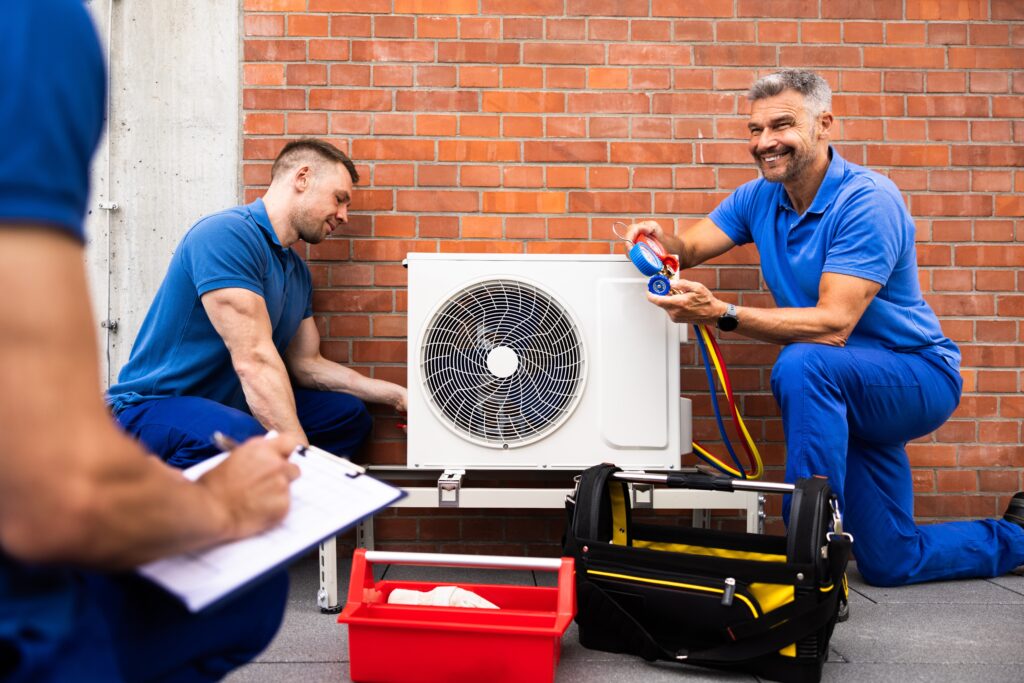
- Expect a thorough home evaluation: Any reputable contractor will not give you a quote over the phone. They should visit your home, inspect your current system, measure rooms, and ask detailed questions about your home’s construction and your comfort needs.
- Verify their process: Ask if they perform a Manual J load calculation, which is the industry standard for determining the correct size. Some contractors also use Manual S for equipment selection and Manual D for duct design.
- Look for credentials: Ask about licensing, insurance, and certifications. A NATE (North American Technician Excellence) certification indicates a high level of technician skill.
- Get a written, itemized estimate: Don’t accept a verbal quote. A detailed written estimate should include:
- The total cost, including labor and materials.
- The make, model, and capacity (BTUs or tonnage) of the new equipment.
- The efficiency ratings of the proposed system (SEER/SEER2 and AFUE).
- Warranty information for both the parts and labor.
- Ask for references: A good contractor should be able to provide references from satisfied customers.
- Compare bids: Get multiple quotes from different contractors. The lowest bid isn’t always the best, especially if it skips a proper load calculation or proposes lower-quality equipment.
Cost Considerations and System Options
The cost of a new HVAC system is a major investment, and sizing plays a role in both the initial and long-term costs.
- Initial upfront cost: A larger unit generally costs more, but opting for a smaller, right-sized system can save you money initially.
- Operating costs: A correctly sized, high-efficiency system will save you money on your utility bills every month for its entire lifespan.
- Lifespan: A properly sized and installed system will last longer, reducing the long-term cost of ownership.
Here is a look at some common residential system options:
| System Type | Description |
| Split System | The most common type of central HVAC, with an outdoor condenser unit and an indoor furnace and evaporator coil. Ideal for homes with existing ductwork. |
| Heat Pump | An all-in-one system that provides both heating and cooling. Extremely efficient in moderate climates but may need a backup heat source in colder regions. |
| Ductless Mini-Split | A system that heats and cools individual rooms or “zones”. It does not require ductwork and is a great option for additions, apartments, or homes with hot or cold spots. |
Conclusion
The size of your HVAC system plays a central role in how efficiently your home operates and how comfortable it feels year-round. An undersized or oversized unit can lead to higher energy costs, inconsistent performance, and premature wear on equipment. A system that’s properly sized, on the other hand, delivers consistent comfort, better air quality, and long-term efficiency.
To get it right, insist on a professional load calculation rather than relying on rough estimates or rule-of-thumb sizing. This ensures the system you install matches your home’s exact requirements. Schedule a professional HVAC assessment, and when reviewing quotes, look closely at each contractor’s evaluation process and recommendations, not just the price.
Ready to replace your system? Get a professional HVAC sizing consultation today.

Anna has over six years of experience in the home services and journalism industries and serves as the Content Manager at MyHomePros.com, specializing in making complex home improvement topics like HVAC, roofing, and plumbing accessible to all. With a bachelor’s degree in journalism from Auburn University, she excels in crafting localized, comprehensive guides that cater to homeowners’ unique needs. Living on both coasts of the United States has equipped her with a distinctive perspective, fueling her passion for turning any house into a cherished home through informed, personalized decision-making.
Connect with top-rated local contractors who can help you with siding, roofing, HVAC, windows, and more. Get free quotes from verified professionals in your area today.