

Older homes just have something special, right? The creaky floors, the crown molding, the funky little built-ins that make you wonder who lived there decades ago. That character is a big part of why you fell in love with your place in the first place. Still, there’s nothing wrong with wanting a few modern comforts like better insulation, smarter layouts, or updated electrical wiring.
You don’t have to choose between keeping your home’s history and making it more livable. With the right updates, you can boost energy efficiency, freshen up the look, and improve everyday comfort without erasing the charm that makes your home unique.
Let’s walk through some smart ways to blend old and new so your home feels beautifully updated while staying true to its roots.
Start with a Plan for Preserving Character
Before diving into a remodel, it helps to take a good look around and decide what makes your home unique. Maybe it’s the thick wood trim that frames every doorway. Maybe it’s those original hardwood floors that have seen generations walk across them. Or the quirky built-ins that solve storage in the most unexpected places. Jot down the features you absolutely want to protect. These are your non-negotiables, the things that give your home its charm.
Once you know what stays, you can be more intentional about what changes. Any new addition or upgrade should play nicely with the existing architecture. If you’re opening up walls for better flow, think about how to carry over original design details so the transition doesn’t feel like two houses stitched together. When picking new finishes or fixtures, look for styles that nod to the home’s era.
Budget is another place where priorities matter. Older homes usually have a few hidden surprises behind the walls, so planning ahead is key. Start with updates that improve comfort and give you the most value over time—think insulation, plumbing, and safety upgrades. Then put your renovation dollars toward the design touches that make daily living nicer. A smart plan lets you keep the charm you love while investing in a home that feels ready for the next chapter.
Refresh the Interior with Thoughtful Upgrades
A little creativity can go a long way in making an older home feel current without wiping away its personality. The goal is simple: elevate what’s already amazing while sneaking in a few updates that make everyday living smoother and more stylish.
Modern Lighting That Highlights Original Features
Lighting can completely change the vibe of a room, especially in older homes where things can feel a little dark and moody. Swapping outdated bulbs for LEDs instantly brightens the space and lowers your energy bill. Then bring in statement fixtures that play nicely with the era of the home.
Actual costs depend on your location, project scope, and materials. The best way to know what you'll pay is to get quotes from local contractors.
Get Your Free Estimate →Keep Original Floors and Millwork
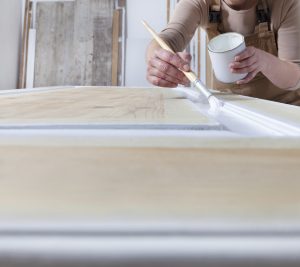
If your house has original hardwood floors or detailed trim, that’s renovation gold. Instead of ripping anything out, consider refinishing the wood to show off its natural richness. It warms up the entire house and preserves incredible craftsmanship you just can’t buy off the shelf today. The same goes for baseboards, door casings, and molding. A little sanding and fresh paint or stain can make old details look intentional and lived-in.
Update Kitchens and Baths Without Going Ultra-Trendy
Kitchens and bathrooms are where the biggest modernization happens, but it’s also where remodeling can veer into “trendy now, dated later” territory. Stick with timeless materials like stone countertops, tile backsplashes, and cabinetry that fits the home’s style. Work with your existing footprint as much as possible because older floor plans usually hide plumbing and structural surprises. Blend textures: polished + rustic, smooth + detailed.
"We matched with a great contractor the same day. The whole process was easy and completely free."
Open Up Spaces (Carefully)
Most older homes were built with more walls and defined rooms. If you’re craving better flow, you can remove a wall or widen a doorway to open things up. Just be strategic about it. Structural walls keep your home standing tall, and period-specific layout elements can be worth keeping. When you do open a space, add design continuity so the new layout doesn’t feel like two different styles fighting for attention. Done right, it’ll feel like your home always wanted to be this way.
Thoughtful upgrades like these help your home stay rooted in its history while feeling fresh and ready for everyday life.
Boost Comfort and Efficiency Behind the Scenes
Not every improvement in an older home needs to be something you can see. In fact, some of the most satisfying upgrades are the ones quietly working behind the walls to make life safer, cozier, and more affordable.
Upgrade Electrical and Plumbing Systems
Modern electrical systems keep your home safer and make sure you can run the things we all rely on today, like induction ranges, home offices full of gadgets, and more. Updating plumbing is just as important. New pipes improve water pressure, reduce the chance of leaks, and keep hot water flowing exactly when you want it. These improvements might not be flashy, but they’re the foundation of a home that’s ready for modern living.
Improve Energy Efficiency
Older homes weren’t designed with energy efficiency in mind, so improving comfort often means tackling the big-ticket systems. Adding insulation where it’s missing keeps temps more stable and heating and cooling bills lower. Replacing drafty old windows—or installing storm windows if you want to preserve original glass—can make a huge difference without changing the home’s look. Upgrading HVAC equipment not only saves money long-term but also lets you enjoy modern comforts like zoned heating and cooling. Every improvement here means less noise, fewer drafts, and a home that feels amazing year-round.
Smart Home Features That Don’t Stick Out
The beauty of older homes is character. The beauty of newer ones is convenience. You can absolutely have both. Smart tech has gotten much less bulky, which means you can hide it in plain sight. Tuck smart speakers into corners, install subtle security systems, or upgrade to Wi-Fi–enabled lighting and thermostats that blend seamlessly with your decor.
By investing in the behind-the-scenes upgrades now, you get a home that feels just as good as it looks.
Why Hire a Licensed Professional
- Licensed & insured — protects you from liability
- Warranty coverage — manufacturers require pro installation
- Code compliance — avoids permit issues
- Faster completion — pros finish in days, not weeks
Show Love to the Exterior While Maintaining Charm
The outside of your home sets the tone long before anyone steps through the door. With older homes, curb appeal is often already halfway there thanks to charming architectural details and timeless design. You just want to give everything a refreshed look that feels welcoming, not worn out.
Fresh Siding and Paint that Respect History
A new exterior doesn’t have to rewrite your home’s personality. Choosing paint colors or siding styles that align with the home’s original era keeps the look authentic. For example, historic Colonial homes look best in classic neutrals with contrasting shutters, while Craftsman homes shine with earthy tones that highlight their wood details. Before replacing any siding outright, see if repairs can save original materials. Sometimes a good power wash, patching, and fresh paint are all it takes to revive the exterior without losing character.
DIY vs. Professional: At a Glance
Restore Porches, Shutters, and Architectural Details
These smaller elements are often what people fall in love with first. A weathered front porch, sagging shutters, or dented trim might look tired now, but they have so much potential. Reinforcing railings, repainting woodwork, or repairing old corbels gives an instant facelift and shows off features you won’t find in new construction.
Landscape for Today’s Lifestyle
Curb appeal doesn’t stop at the walls. Thoughtful landscaping can blend old and new beautifully. Bring in low-maintenance plants that fit the style of the home. Add a cozy seating area or fire pit to make the yard more functional for everyday living. These touches make your outdoor spaces feel more usable while still letting the house itself shine as the star.
Spring and summer are the busiest seasons for home improvement projects — top-rated contractors book up fast. Lock in your estimate now before demand peaks.
Check Availability in Your Area →Blend Vintage Decor with Updated Style
Once the major renovations are handled, the real fun begins: decorating. Older homes practically beg for a mix of styles that celebrate their age while giving you a space that feels fresh and lived-in.
Mix Modern Furniture with Antiques
Pair a clean-lined sofa with a vintage coffee table or tuck a sleek bar cart beside an antique hutch. The mix creates a layered, collected feel that’s equal parts comfort and character. You get contemporary function without losing the sense of history that makes your home feel one-of-a-kind.
Use Neutral Palettes to Let Character Shine
Paint is your secret weapon when updating an older home. Softer, neutral colors give original trim, arches, and unique architecture the spotlight they deserve. Think warm whites, taupes, and classic greiges. These shades help blend old woodwork or bold textures into a cohesive look without erasing personality. The goal is to make those charming details feel intentional and beautifully framed.
Ready to Move Forward?
Tell us about your project and get matched with up to 3 pre-screened contractors. Compare quotes, check reviews, and hire with confidence.
Thoughtful Finishing Touches
Accessories complete the story. Artwork that reflects your personality, updated hardware that feels fresh, a few lush plants, and cozy textiles can pull everything together. The contrast between modern accents and original craftsmanship creates a home that feels curated. It signals that the history is still celebrated, just with a modern twist.
This is where your creativity gets to shine. A few thoughtful choices can take a beautifully renovated older home and make it truly unforgettable.
When to Bring in the Pros
There’s a lot you can DIY in an older home, but some projects are better left to the people who’ve seen every possible surprise hiding behind 100-year-old plaster. Calling in the pros isn’t admitting defeat. It’s making sure your home stays safe, sturdy, and true to its roots.
Contractors who specialize in older homes know how to work with aging structures, not fight against them. They can spot potential issues early, whether it’s outdated wiring, sagging joists, or that mysterious wall that definitely should not come down.
Structural changes are especially important to handle carefully. Removing a wall, resizing windows, or altering the roofline can dramatically improve how a home functions, but it also changes how the home carries its weight. A contractor or structural engineer can guide you so the house keeps standing strong for decades to come.
If your home is in a historic district, professional help becomes even more valuable. Permits, approvals, and preservation guidelines can get confusing fast. Working with someone who’s navigated these requirements before ensures you stay compliant and avoid delays.
Conclusion
Updating an older home doesn’t mean erasing the things that made you fall in love with it in the first place. With a bit of planning and the right design choices, you can enjoy modern comfort, better efficiency, and a fresh look while still celebrating all that original charm.
If you’re ready to bring that perfect balance of old and new to life, why not get some expert help? Start by getting free quotes from trusted local contractors who know how to work with older homes and bring your vision to reality.
Connect with top-rated local contractors who can help you with siding, roofing, HVAC, windows, and more. Get free quotes from verified professionals in your area today.