

If you’re thinking about replacing your windows, casement windows are one of those options that check a lot of boxes, but don’t always get as much attention as they should. They’re simple, functional, and surprisingly effective when it comes to airflow and energy efficiency.
In this guide to casement windows, we’ll walk through how they work, where they make the most sense, and what you can expect in terms of cost, maintenance, and performance.
What Is a Casement Window?
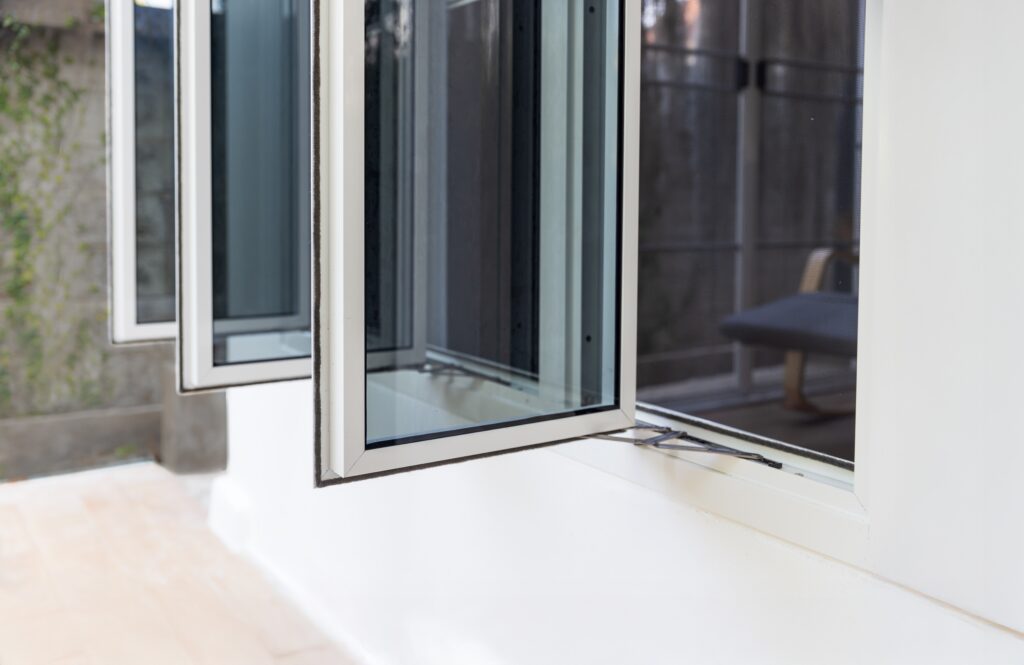
A casement window is hinged on one side and opens outward, almost like a door. Instead of sliding up or across, it uses a crank handle to swing open.
What makes this style stand out is the clean, unobstructed view. Since there’s no center rail, you get a full pane of glass, which lets in more light and gives your space a more open feel. Some versions, like French casement windows, open from the center with two panels, which can make the opening feel even wider.
How Casement Windows Work
Casement windows operate with a simple crank mechanism. Turn the handle, and the window opens outward. Turn it back, and it seals tightly against the frame.
That tight seal is a big deal. It helps prevent air leaks, which is one of the reasons casement windows are often considered more energy efficient than other operable styles. Most also have screens on the inside, which makes them easier to manage from inside your home.
Actual costs depend on your location, project scope, and materials. The best way to know what you'll pay is to get quotes from local contractors.
Get Your Free Estimate →Pros of Casement Windows
One of the biggest advantages of casement windows is ventilation. Because they open fully, they can actually catch and direct airflow into your home instead of just letting air pass by. On a breezy day, that can make a noticeable difference.
They’re also known for energy efficiency. When closed, the sash presses firmly into the frame, creating a tighter seal than many sliding or double-hung windows. That can help reduce drafts and keep heating and cooling costs in check.
Another benefit is the view. Without a center divider, you get a wide, uninterrupted look outside, which works especially well in living rooms or anywhere you want to maximize natural light.
And from a usability standpoint, they’re easy to operate. The crank handle makes them a good option for places where reaching or lifting a window would be awkward, such as over a kitchen sink or behind a counter.
Cons of Casement Windows
That outward-opening design can also be a drawback in certain situations. If your window faces a walkway, patio, or deck, the open sash can get in the way. It’s something you’ll want to think about before installing them in tight exterior spaces.
There’s also the hardware to consider. Casement windows rely on moving parts like cranks and hinges, and those can wear out over time. They’re not difficult to repair, but they do require occasional maintenance.
Cost is another factor. Casement windows are usually more expensive than basic window styles, especially once you factor in installation.
And while cleaning isn’t a dealbreaker, it can be less convenient depending on where the window is located. If it opens outward on a second story, you may need to clean the exterior from outside.
"We matched with a great contractor the same day. The whole process was easy and completely free."
Where Casement Windows Work Best
Casement windows really shine in areas where airflow and accessibility matter most. Kitchens are a perfect example, especially when the window sits over a sink. Instead of reaching and lifting, you can just turn a crank.
Bathrooms are another great fit since they benefit from improved ventilation. In living rooms or main areas, casement windows are often chosen for their clean look and ability to bring in more light.
They can also work in bedrooms, but you’ll want to make sure they meet egress requirements if they’re intended as an emergency exit.
Casement Windows vs. Other Window Styles
Compared to double-hung windows, casement windows generally offer better airflow and a tighter seal. However, double-hung windows tend to be more affordable and easier to clean, which is why they’re still so common.
When you compare casement windows to sliding windows, the main difference comes down to function. Sliding windows are more compact and don’t require exterior space to open, but they don’t ventilate as effectively.
Awning windows are similar in design but hinge at the top instead of the side. They’re better for keeping rain out while still allowing some airflow, but they don’t open as wide as casement windows.
Common Casement Window Materials
The material you choose will affect everything from cost to maintenance to long-term durability.
Vinyl is one of the most popular options because it’s affordable, low maintenance, and energy efficient. Wood offers a more traditional look and great insulation, but it does require more upkeep over time.
Fiberglass is known for its strength and durability, especially in areas with extreme weather. It tends to cost more upfront but holds up well long term.
Aluminum and composite frames are also options, often used in more modern designs. They’re strong and lightweight, though not always as insulating as other materials.
Glass and Energy Efficiency Features
The glass you choose plays a major role in how your windows perform. Double-pane windows are standard, but triple-pane options can offer even better insulation.
Low-E coatings help reflect heat, keeping your home cooler in the summer and warmer in the winter. Gas fills like argon improve insulation between panes.
If energy efficiency is a priority, it’s worth looking for ENERGY STAR® rated windows and comparing different glass packages.
Why Hire a Licensed Professional
- Licensed & insured — protects you from liability
- Warranty coverage — manufacturers require pro installation
- Code compliance — avoids permit issues
- Faster completion — pros finish in days, not weeks
How Much Do Casement Windows Cost?
Casement window cost can vary depending on size, materials, and installation complexity.
On average, you can expect to pay somewhere between $300 and $1,000 or more per window for materials alone. With installation, that number often falls between $600 and $1,500 or more per window.
The final cost depends on things like the frame material you choose, whether the window is a standard size or custom, and how complicated the installation is.
What Affects Installation Cost?
Installation can have a big impact on your overall budget. Replacing an existing window is usually more straightforward than installing one in a new opening.
Other factors include the condition of the surrounding frame, whether repairs are needed, and how accessible the window location is. Trim work and finishing details can also add to the final price.
DIY vs. Professional: At a Glance
Are Casement Windows Energy Efficient?
In most cases, yes. Casement windows are often considered one of the most energy-efficient operable window types.
The reason comes down to the seal. When closed, the window presses tightly into the frame, which reduces air leakage. Combined with the right glass package, this can make a noticeable difference in comfort and energy bills.
Of course, proper installation is key. Even the best window won’t perform well if it’s not installed correctly.
Are Casement Windows Secure?
Casement windows are generally very secure. Many models include multi-point locking systems that pull the sash tightly into the frame.
Because of how they lock, they can actually be more difficult to force open from the outside compared to some other window styles.
Spring and summer are the busiest seasons for home improvement projects — top-rated contractors book up fast. Lock in your estimate now before demand peaks.
Check Availability in Your Area →Do Casement Windows Require Maintenance?
Like any window with moving parts, casement windows benefit from a little upkeep. The crank mechanism and hinges should be checked occasionally and lubricated if needed.
Keeping the tracks clean and making sure the seal is intact will help extend the life of the window. If something does wear out, parts can usually be replaced without needing a full window replacement.
Signs It’s Time to Replace Casement Windows
Over time, you may notice signs that your windows aren’t performing like they used to. Drafts, difficulty opening or closing, or fogging between panes are all common indicators.
You might also see visible damage like warping, rot, or worn-out hardware. If your energy bills are creeping up, your windows could be part of the problem.
Ready to Move Forward?
Tell us about your project and get matched with up to 3 pre-screened contractors. Compare quotes, check reviews, and hire with confidence.
How to Choose the Right Casement Windows
Choosing the right casement windows comes down to balancing performance, style, and budget. Think about how each room is used, how much airflow you want, and what kind of maintenance you’re comfortable with.
It’s also worth considering your climate, since certain materials and glass options perform better in specific conditions. Working with a reputable installer can help you narrow down the best options for your home.
Final Thoughts
Casement windows are a solid choice for homeowners who want better airflow, strong energy efficiency, and a clean, modern look. They’re especially useful in areas where traditional windows are harder to operate.
As with any home upgrade, the key is choosing the right product and making sure it’s installed properly. Take the time to compare options, and you’ll end up with windows that not only look great but also perform well for years to come.
FAQs About Casement Windows
What is the downside of a casement window?
They can be more expensive and need space to open outward, which doesn’t work in every location.
Are casement windows more expensive?
Yes, they typically cost more than basic window styles, especially when installed.
Do casement windows leak more than other windows?
No—if anything, they’re more airtight when properly installed.
Are casement windows good for bedrooms?
They can be, as long as they meet egress requirements.
How long do casement windows last?
Most last between 15 and 30 years depending on materials and maintenance.
Can you put an AC unit in a casement window?
Not easily. These windows aren’t designed for standard window AC units.
Connect with top-rated local contractors who can help you with siding, roofing, HVAC, windows, and more. Get free quotes from verified professionals in your area today.