

If you’ve ever looked at a roofing estimate and seen something like “20 squares,” you’re not alone in wondering what that means. Roofing terminology can feel confusing, but understanding it is key to budgeting for a roof replacement or repair.
One of the most important terms to know is the roofing square, and it plays a major role in how contractors calculate materials, labor, and total cost.
What Is a Roofing Square?
A roofing square is a standard unit of measurement used across the roofing industry. One roofing square equals 100 square feet of roof surface area. Contractors use this measurement instead of total square footage because it simplifies estimating materials like shingles, underlayment, and labor requirements.
For example, if your roof measures 2,000 square feet, that’s about 20 roofing squares before factoring in pitch and waste.
Why Roofing Squares Matter for Homeowners
Understanding roofing squares helps you make sense of contractor estimates and compare quotes more confidently. Most roofing companies price projects per square, so knowing how many squares your roof requires gives you a clearer picture of your total cost.
Actual costs depend on your location, project scope, and materials. The best way to know what you'll pay is to get quotes from local contractors.
Get Your Free Estimate →Need professional help with your project?
Get quotes from top-rated pros.
Find Local ProsIt also helps you avoid surprises. Without understanding this measurement, it’s easy to underestimate how much material your roof actually needs, especially if your home has a steep pitch or multiple sections.
"We matched with a great contractor the same day. The whole process was easy and completely free."
How Big Is a Roofing Square?
A roofing square covers a 10 ft by 10 ft area, but your roof’s total surface area is rarely the same as your home’s floor plan. Features like roof pitch, valleys, hips, dormers, and multiple levels all increase the actual surface area.
This is why two homes with similar square footage can have very different roofing costs. A steeper or more complex roof requires more materials and labor, even if the home size is the same.
How to Calculate Roofing Squares
To estimate roofing squares, start by measuring each section of your roof and calculating the total square footage. Once you have that number, divide it by 100 to convert it into squares.
From there, it’s important to add an additional 10–20% for waste, which accounts for material cuts, overlaps, and installation factors. Steeper roofs or complex designs may require even more.
This calculation gives you a rough estimate, but keep in mind that professional measurements are typically more accurate and account for details homeowners often miss.
How Much Does a Roofing Square Cost?
The cost per roofing square can vary widely depending on the material you choose and the complexity of your roof. On average, homeowners can expect:
- Asphalt shingles: one of the most affordable options
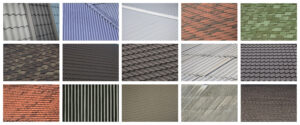
- Metal roofing: more durable, but higher upfront cost
- Tile or slate: premium materials with significantly higher costs
In most cases, the price per square includes both materials and labor, but it’s always important to confirm what’s included in your quote.
Why Hire a Licensed Professional
- Licensed & insured — protects you from liability
- Warranty coverage — manufacturers require pro installation
- Code compliance — avoids permit issues
- Faster completion — pros finish in days, not weeks
What Affects the Cost Per Roofing Square?
Several factors influence your final roofing cost. Roof pitch plays a big role, as steeper roofs are more difficult and time-consuming to work on. Roof complexity, including multiple angles or features, can also increase labor costs.
Additional factors like removing old shingles (tear-off), local labor rates, permit requirements, and disposal fees can all impact your total price. Even two roofs with the same number of squares can end up with very different costs based on these variables.
DIY vs. Professional: At a Glance
How Many Roofing Squares Does the Average Home Need?
Most residential roofs fall somewhere between 15 and 30 squares, but this varies depending on the home’s size and design. A simple, single-story home will typically require fewer squares, while larger homes with complex rooflines will need more.
Because of this variation, it’s important not to rely solely on your home’s square footage when estimating roofing needs.
Spring and summer are the busiest seasons for home improvement projects — top-rated contractors book up fast. Lock in your estimate now before demand peaks.
Check Availability in Your Area →Common Mistakes When Estimating Roofing Squares
One of the biggest mistakes homeowners make is assuming their roof size matches their home’s interior square footage. In reality, roofs are almost always larger due to pitch and structural features.
Other common errors include forgetting to add waste, overlooking smaller roof sections, or underestimating the impact of roof complexity. These mistakes can lead to inaccurate budgets and unexpected costs during your project.
DIY Estimate vs. Professional Measurement
While a DIY estimate can give you a general idea of your roof size, it’s rarely precise enough for final pricing. Professional roofing contractors use specialized tools and techniques to measure your roof accurately, accounting for pitch, layout, and material requirements.
For homeowners planning a roof replacement, getting a professional measurement is the best way to ensure an accurate and reliable estimate.
Ready to Move Forward?
Tell us about your project and get matched with up to 3 pre-screened contractors. Compare quotes, check reviews, and hire with confidence.
Getting an Accurate Roofing Quote
To get the most accurate roofing estimate, it’s a good idea to request quotes from multiple contractors. Look for detailed breakdowns that include cost per square, materials, labor, and any additional fees.
Understanding how many roofing squares your project requires makes it much easier to compare options and choose the right contractor for your home.
Final Thoughts
A roofing square may seem like a small detail, but it’s one of the most important factors in determining your roof replacement cost. By understanding how roofing squares work, you’ll be better equipped to plan your project, compare estimates, and avoid unexpected expenses.
Get a free roofing quote today and find out exactly how many squares your roof needs.
Connect with top-rated local contractors who can help you with siding, roofing, HVAC, windows, and more. Get free quotes from verified professionals in your area today.