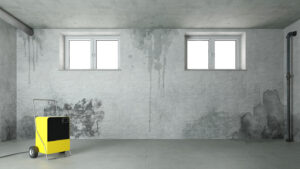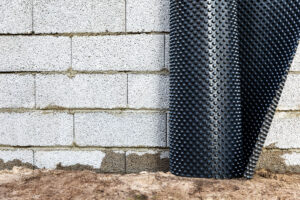



A basement that stays dry protects your entire home. Excess basement moisture can weaken your foundation wall over time, invite mold and mildew, and turn that valuable space into a damp basement with a musty smell you’d rather avoid.
Basement moisture sources usually come from a few main areas: rainwater or groundwater entering through cracks in your foundation, vapor passing through porous concrete walls, and high humidity levels from indoor activities.
Understanding these moisture sources is the first step to keep your basement dry year-round and protect your home from moisture.
Find the Source First (Identifying Moisture in Your Basement)
Before you try to waterproof anything, it’s important to start by identifying moisture.
A homeowner may notice:
- Dampness or a musty smell
- White residue on basement walls (efflorescence)
- Water stains or puddles on the basement floor
- Early signs of mold growth
To confirm moisture in your basement, try a simple plastic-sheet test. If condensation forms underneath, moisture is coming through the concrete. If it forms on top, you’re dealing with humid air and high basement humidity.
If you see large cracks, bowing foundation walls, or recurring basement water, a professional basement inspection is the next step.
Keep Water Away From the Foundation (Gutters, Grading, Drainage)
The best way to keep your basement dry is to stop water before it reaches your home.
Start with proper grading:
- Ensure soil slopes away from your home
- Prevent water flows toward the foundation wall
Next, maintain gutters and downspouts:
- Clean each gutter regularly
- Extend downspouts 6–10 feet away from the house
- Direct rainwater safely away
These simple fixes help move water away and reduce moisture problems before they start.
Seal the Envelope (Basement Walls, Floor, and Cracks)
Even small gaps can let in moisture issues, so sealing your basement interior is key.
Repair Cracks in Walls and Floors
Small crack repairs with epoxy or polyurethane help prevent accumulated moisture. Larger cracks in your foundation may require professional repair.
Seal Openings and Penetrations
Use sealant around pipes, windows, and entry points to block interior moisture.
Apply Waterproof Coatings
Waterproof coatings on concrete walls can reduce vapor intrusion and help waterproof your space.
Actual costs depend on your location, project scope, and materials. The best way to know what you'll pay is to get quotes from local contractors.
Get Your Free Estimate →Add Vapor Barriers
Installing barriers behind walls or under the basement floor slab helps control moisture levels and help prevent future issues.
Manage Groundwater (Sump Pump and Drain Systems)
If groundwater builds up, interior systems are essential to keep a basement dry.
Install a Sump Pump System
A sump pump collects water in a sump basin and pumps it safely away from the foundation. Consider battery backup systems for reliability.
"We matched with a great contractor the same day. The whole process was easy and completely free."
Interior Drain Systems
An interior drain or French drain directs water to your sump pump, helping manage ongoing basement water issues.
Backflow Protection
Floor drains and backwater valves prevent sewer backups during storms.
These sump pump solutions are critical for homes prone to moisture.
Control Indoor Humidity (Using a Dehumidifier)
Managing basement humidity is one of the easiest ways to help keep your basement dry.
Use a Dehumidifier
A properly sized dehumidifier helps regulate humidity levels in your basement, ideally keeping them between 35–50%.
Improve Air Circulation
Balanced airflow improves basement air quality and reduces poor air quality caused by moisture.
Everyday Habits Matter
- Avoid drying laundry in the basement
- Cover open sump pits
- Store items in plastic instead of cardboard
These steps help keep your basement comfortable and reduce dampness.
Basement Windows & Window Wells
Basement windows can be a major entry point for moisture in your basement.
- Install covers to keep out debris and rainwater
- Ensure proper drainage in window wells
- Upgrade to insulated windows to reduce condensation
These updates help prevent water in your basement and improve comfort.
Flooring & Finishes That Resist Moisture
When finishing your basement, choose materials that resist moisture.
- Use subfloor systems to separate flooring from the slab
- Choose waterproof flooring like tile or LVP
- Avoid materials that trap moisture
Moisture-resistant materials help maintain a dry basement and prevent mildew.
Why Hire a Licensed Professional
- Licensed & insured — protects you from liability
- Warranty coverage — manufacturers require pro installation
- Code compliance — avoids permit issues
- Faster completion — pros finish in days, not weeks
Seasonal Basement Maintenance Checklist
Regular basement maintenance is key to keeping your basement dry year-round.
Spring
- Clean gutters and downspouts
- Test your sump pump
- Check for pooling water
Summer
- Run your dehumidifier
- Monitor humidity levels
Fall
- Clear debris from gutters
- Improve grading near your foundation
DIY vs. Professional: At a Glance
Winter
- Watch for condensation
- Inspect for ice dams and leaks
These simple tips to keep your basement dry can prevent costly repairs.
Common Causes of Basement Moisture Problems (And Fixes)
Puddles After Rain
Likely due to poor grading or short downspouts. Extend drainage away from your home.
Spring and summer are the busiest seasons for home improvement projects — top-rated contractors book up fast. Lock in your estimate now before demand peaks.
Check Availability in Your Area →Damp Walls or Efflorescence
Indicates vapor intrusion through masonry. Clean and apply sealant.
Seepage at Floor-Wall Joint
Caused by groundwater pressure. Install a sump pump and drainage system.
Musty Odor Only
Usually due to high humidity. Use a dehumidifier and remove damp materials.
Addressing these causes of basement moisture early helps prevent bigger issues.
DIY vs. Professional Basement Waterproofing
Ready to Move Forward?
Tell us about your project and get matched with up to 3 pre-screened contractors. Compare quotes, check reviews, and hire with confidence.
DIY Projects
- Improve gutters and downspouts
- Seal minor cracks
- Use a dehumidifier
Professional Basement Waterproofing
Call a professional basement contractor for:
- Structural issues
- Severe basement water problems
- Advanced drainage systems
A professional ensures proper basement waterproofing and long-term results.
Budget & Cost Planning
Costs vary depending on the severity of moisture problems:
- Gutter fixes: $
- Dehumidifier: $$
- Crack repair: $$–$$$
- Sump pump: $$–$$$
- Interior drain system: $$$–$$$$
- Exterior waterproofing: $$$$+
Investing early helps protect your home and avoid expensive repairs.
Prevention Tips for Finished Basements
If you have a finished basement, prevention is key:
- Install moisture sensors
- Use moisture-resistant flooring
- Add backup power to your sump pump
These steps help protect your home from moisture and maintain a dry basement year-round.
Conclusion
Learning how to keep your basement dry year-round comes down to three key steps: control water outside, seal your interior, and manage humidity levels.
With consistent basement maintenance, the right waterproof strategies, and tools like a dehumidifier and sump pump, you can keep your basement dry, comfortable, and usable all year long.
Ready to take the next step? Schedule a basement inspection to identify issues early and create a plan to keep your basement dry for good.
Connect with top-rated local contractors who can help you with siding, roofing, HVAC, windows, and more. Get free quotes from verified professionals in your area today.