

Basement waterproofing is one of those home upgrades you hope you never have to think about again once it’s done. But many homeowners eventually wonder: how long does basement waterproofing actually last?
The answer depends on several factors, including the waterproofing method used, the quality of installation, and the conditions around your home. Some solutions may last only a few years, while others can protect your basement for decades.
Here’s what homeowners should know about how long basement waterproofing lasts and what affects its lifespan.
Why Basement Waterproofing Matters
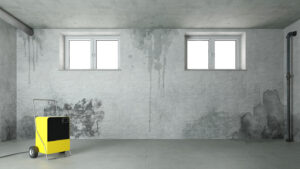
Basements naturally sit below ground level, which means they’re constantly exposed to moisture from surrounding soil. After heavy rain, snowmelt, or poor drainage around your home, water pressure can build up against foundation walls.
Without proper waterproofing, that moisture can lead to problems like:
- Basement leaks or flooding
- Mold and mildew growth
- Structural damage to foundation walls
- Musty odors and high humidity
- Damage to flooring, drywall, and belongings
Basement waterproofing helps prevent these issues by controlling water around and inside your foundation.
Basement Waterproofing Methods and Their Lifespans
Interior Waterproof Sealants
Interior sealants are coatings applied to basement walls or floors to help block moisture from entering the space.
Typical lifespan: 5–10 years
These products can reduce minor moisture problems, but they don’t stop water pressure outside the foundation.
Interior sealants work best when used for:
- Damp basement walls
- Minor moisture seepage
- Preventative moisture protection
For larger water issues, they’re usually not a permanent solution.
Crack Injection Repairs
Foundation cracks are a common source of basement leaks. Contractors often repair them using epoxy or polyurethane injections that seal the crack from the inside.
Typical lifespan: 10–20 years
Crack injection repairs can be very effective for isolated leaks, but they may need to be redone if the foundation shifts over time.
These repairs are most useful for:
- Small vertical or diagonal foundation cracks
- Water seepage during heavy rain
- Localized leaks
Actual costs depend on your location, project scope, and materials. The best way to know what you'll pay is to get quotes from local contractors.
Get Your Free Estimate →Interior Drainage Systems
Interior drainage systems are one of the most common long-term waterproofing solutions.
These systems typically include:
- A perimeter drainage channel along basement walls
- A sump pump that removes collected water
- Drain pipes directing water away from the home
Typical lifespan: 20–30 years or more
Instead of blocking water entirely, interior drainage systems collect and redirect it safely away from the foundation.
Exterior Waterproofing Membranes
Exterior waterproofing is considered the most comprehensive approach because it stops water before it reaches your foundation.
This process involves:
- Excavating soil around the foundation
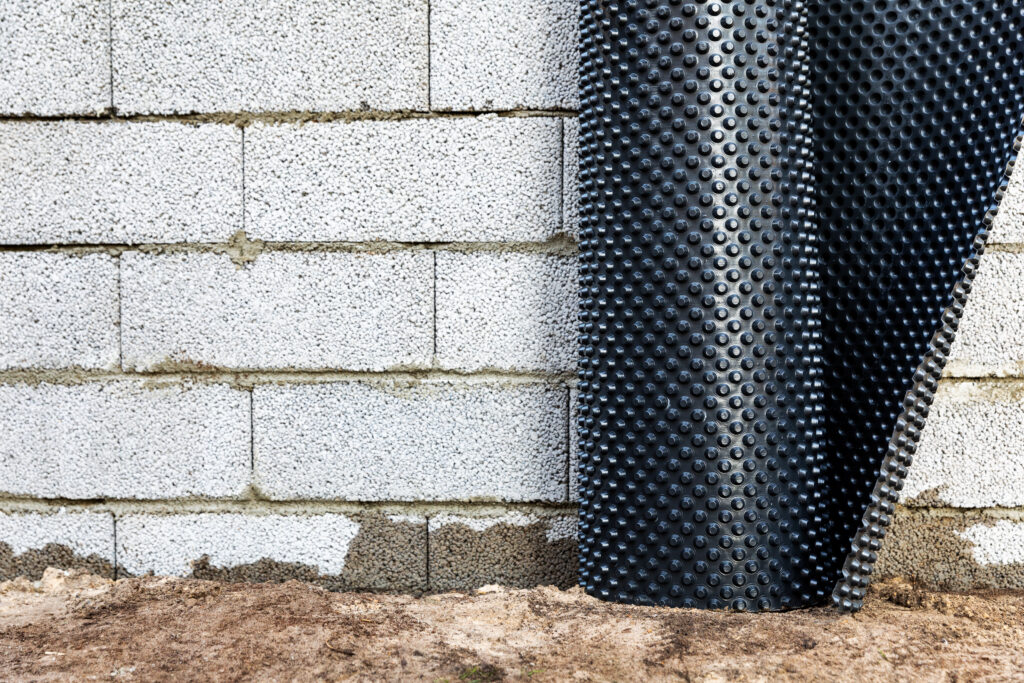
- Applying waterproof membranes or coatings
- Installing drainage boards and gravel systems
Typical lifespan: 20–40 years or longer
While exterior waterproofing is highly effective, it is also one of the most expensive and labor-intensive waterproofing methods.
Sump Pump Systems
Sump pumps play a major role in many waterproofing systems by pumping collected water out of the basement.
Typical lifespan: 7–15 years
Battery backup systems may need replacement every 3–5 years.
Routine testing and maintenance are essential to keep sump pumps working properly.
"We matched with a great contractor the same day. The whole process was easy and completely free."
What Affects How Long Basement Waterproofing Lasts?
Several factors influence the lifespan of basement waterproofing.
Installation Quality
Proper installation is one of the most important factors. Poorly installed waterproofing systems can fail much sooner than expected.
Professional contractors ensure that drainage systems, membranes, and seals are installed correctly.
Soil Around Your Home
Certain soil types hold more water than others. Clay-heavy soil, for example, retains moisture and increases hydrostatic pressure against foundation walls.
More pressure means waterproofing systems must work harder.
Local Climate
Homes in regions with heavy rainfall, snowmelt, or flooding may experience more stress on waterproofing systems.
Frequent moisture exposure can shorten the lifespan of weaker waterproofing solutions.
Foundation Condition
If your foundation has large cracks or structural movement, waterproofing solutions may need additional reinforcement or repairs.
Why Hire a Licensed Professional
- Licensed & insured — protects you from liability
- Warranty coverage — manufacturers require pro installation
- Code compliance — avoids permit issues
- Faster completion — pros finish in days, not weeks
Maintenance
Regular inspections and basic maintenance can help waterproofing systems last longer.
Ignoring small issues can allow moisture problems to worsen over time.
Signs Basement Waterproofing May Be Failing
Even long-lasting waterproofing systems can eventually wear down. Homeowners should watch for warning signs such as:
- Damp basement walls or floors
- Musty odors or mold growth
- Water stains on foundation walls
- White mineral deposits (efflorescence)
- Visible foundation cracks
- Increased basement humidity
If you notice these issues, it may be time to have your basement inspected.
How to Extend the Life of Basement Waterproofing
Homeowners can take several steps to help their waterproofing systems last longer.
DIY vs. Professional: At a Glance
Maintain Gutters and Downspouts
Gutters play a major role in directing water away from your foundation.
To prevent water buildup:
- Clean gutters regularly
- Extend downspouts at least 5–6 feet from your home
Improve Yard Drainage
The soil around your home should slope away from the foundation. Poor grading can allow water to collect around basement walls.
Inspect the Basement Regularly
Check your basement at least once or twice per year for signs of moisture or cracks.
Early detection helps prevent larger problems.
Spring and summer are the busiest seasons for home improvement projects — top-rated contractors book up fast. Lock in your estimate now before demand peaks.
Check Availability in Your Area →Test Your Sump Pump
Periodically pour water into the sump pit to make sure the pump activates and removes water properly.
Final Thoughts
So, how long does basement waterproofing last?
Depending on the system used, basement waterproofing can last anywhere from 5 years to over 40 years. Simple sealants provide short-term protection, while professional drainage systems and exterior membranes can keep basements dry for decades.
The key is choosing the right waterproofing solution for your home and maintaining proper drainage around your foundation. With the right approach, homeowners can prevent costly water damage and keep their basements dry for years to come.
FAQs
Ready to Move Forward?
Tell us about your project and get matched with up to 3 pre-screened contractors. Compare quotes, check reviews, and hire with confidence.
Does basement waterproofing last forever?
No waterproofing solution lasts forever, but professional systems can last 20–40 years or longer with proper maintenance.
How often should basement waterproofing be inspected?
Homeowners should inspect their basement at least once a year and after major storms.
What is the longest-lasting basement waterproofing method?
Exterior waterproof membranes combined with drainage systems tend to provide the longest protection.
Can basement waterproofing fail?
Yes. Poor installation, foundation movement, or clogged drainage systems can cause waterproofing to fail over time.
Connect with top-rated local contractors who can help you with siding, roofing, HVAC, windows, and more. Get free quotes from verified professionals in your area today.