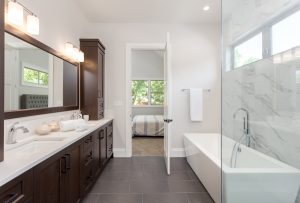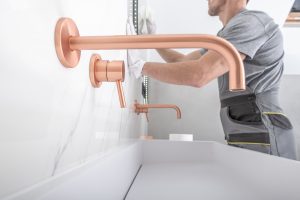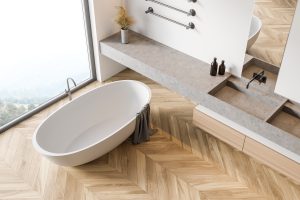


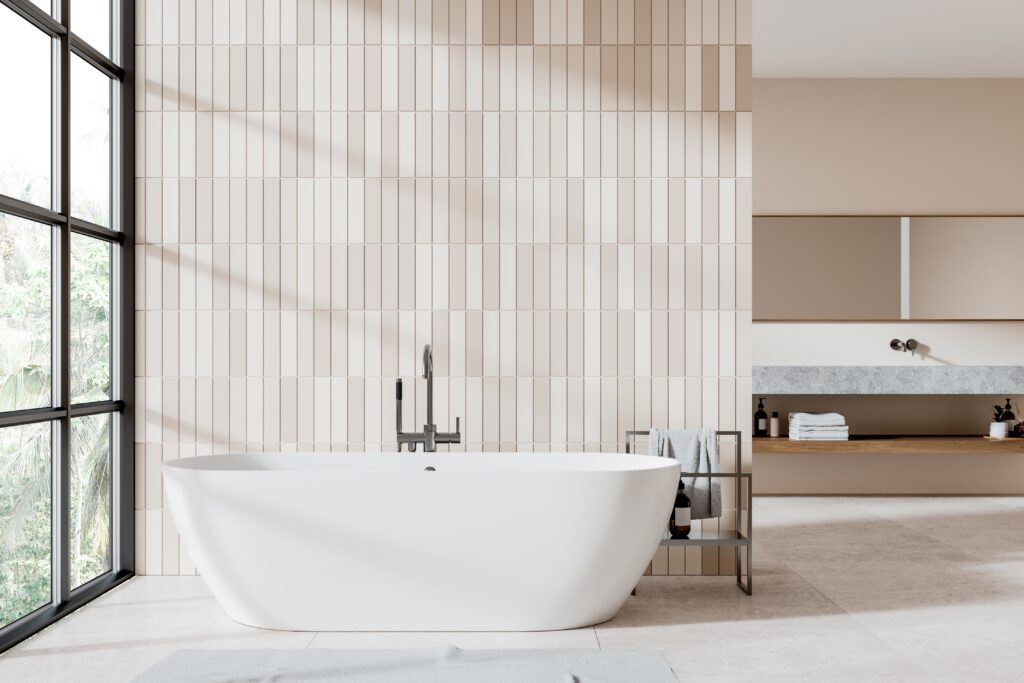
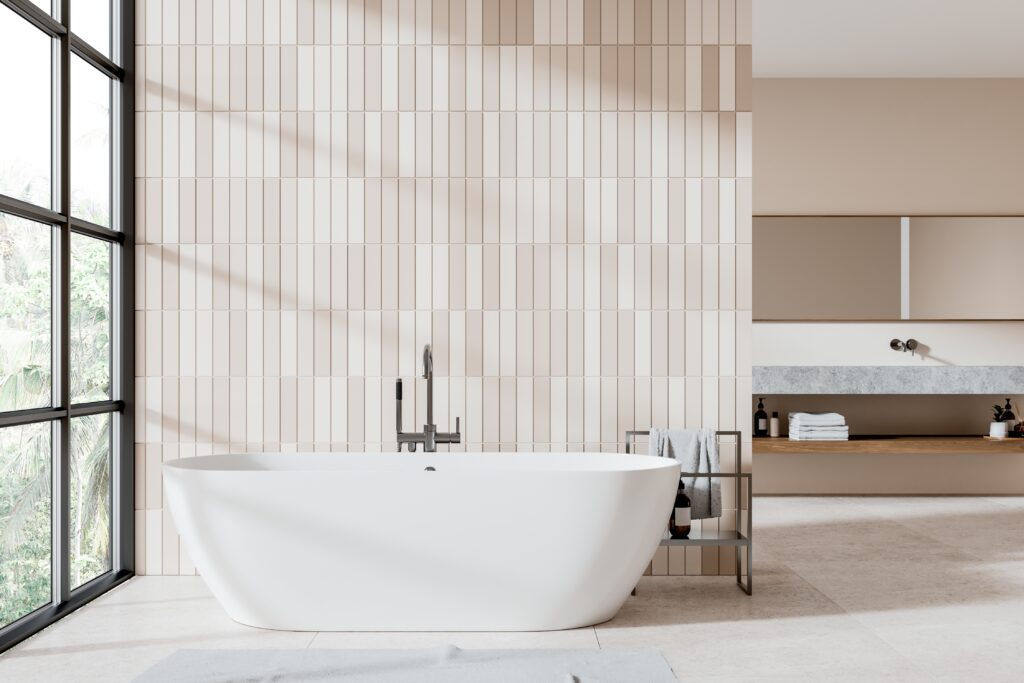
Replacing a bathtub typically costs between $1,400 and $10,000, with most homeowners spending around $3,000 to $5,000 for a standard replacement. The final price depends on the bathtub material, size, installation complexity, and whether you’re doing a simple swap or a full bathroom remodel. Labor accounts for 40 to 60 percent of the total cost, while the tub itself ranges from $200 for a basic acrylic model to $8,000 or more for a freestanding cast iron or stone resin tub.
Understanding these cost factors helps you budget accurately and make informed decisions about materials, contractors, and project scope. This guide breaks down bathtub replacement costs by material type, installation scenario, and the additional work that often accompanies tub replacement projects.
Bathtub Replacement Cost Breakdown
The total cost of replacing a bathtub splits into several distinct categories. Materials include the tub itself plus any necessary plumbing fixtures, drain assemblies, and waterproofing materials. Labor covers removal of the old tub, installation of the new one, plumbing connections, and any necessary framing or subfloor work. Additional costs emerge from permit fees, disposal of the old tub, tile work, and repairs to surrounding walls or flooring.
| Project Type | Cost Range | What’s Included |
| Basic Like-for-Like Replacement | $1,400 – $3,500 | Standard alcove tub, same size/location, minimal wall work |
| Premium Alcove or Freestanding Upgrade | $3,500 – $7,000 | Better materials, possible plumbing adjustments, tile work |
| Full Bathroom Remodel with Tub | $10,000+ | Plumbing relocation, extensive tile, high-end materials |
A basic like-for-like replacement where a contractor removes your old alcove tub and installs a new one of similar size typically costs $1,400 to $3,500. This assumes the existing plumbing location works with the new tub and no significant wall or floor repairs are needed. Moving up to a premium alcove tub with better materials or switching from an alcove to a freestanding tub pushes costs to $3,500 to $7,000. Full bathroom remodels that include moving plumbing, extensive tile work, and high-end materials can exceed $10,000.
Professional bathtub installation labor runs $500 to $1,500 for straightforward replacements and $1,500 to $4,500 for more complex installations involving plumbing relocation or structural modifications.
Cost by Bathtub Material
Material choice significantly impacts both upfront cost and long-term durability. Here’s what you can expect to pay for different tub materials, including both the unit cost and typical installation.
| Material | Tub Cost | Total Installed Cost | Lifespan | Best For |
| Fiberglass | $150 – $500 | $1,200 – $2,500 | 10-15 years | Budget projects, rentals |
| Acrylic | $200 – $1,000 | $1,400 – $3,000 | 10-15 years | Mid-range replacements |
| Steel | $300 – $1,200 | $1,500 – $3,500 | 20-30 years | Classic look, moderate budget |
| Cast Iron | $500 – $8,000 | $2,000 – $12,000 | 50+ years | Luxury, long-term investment |
| Stone Resin | $1,500 – $5,000 | $3,500 – $9,000 | 25-30 years | Modern freestanding designs |
Acrylic Bathtubs
Acrylic tubs cost $200 to $1,000 for the unit, with total installed costs ranging from $1,400 to $3,000. These lightweight tubs retain heat well, resist scratching better than fiberglass, and come in numerous colors and styles. Quality varies considerably. Budget acrylic tubs feel flimsy and may flex when you stand in them, while reinforced acrylic models with fiberglass backing offer good durability at moderate prices.
Most big-box stores stock acrylic alcove tubs in standard 60-inch sizes. Installation is straightforward because the material is light and easy to maneuver. Acrylic works well for rental properties or budget-conscious homeowners who want a reliable, mid-range option. The material typically lasts 10 to 15 years with proper care.
Actual costs depend on your location, project scope, and materials. The best way to know what you'll pay is to get quotes from local contractors.
Get Your Free Estimate →Fiberglass Bathtubs
Fiberglass represents the most affordable option at $150 to $500 for the tub, with installed costs between $1,200 and $2,500. These extremely lightweight tubs work well for upstairs bathrooms where weight is a concern. However, the surface scratches easily and can crack if you drop something heavy. The gel coat finish wears through over time, especially in high-traffic family bathrooms.
Fiberglass makes sense for temporary solutions, rental properties, or situations where you plan to remodel again in five to ten years. The low material cost leaves more budget for other bathroom improvements. Just understand you’re trading durability for affordability.
Cast Iron Bathtubs
Cast iron tubs cost $500 to $2,000 for alcove models and $1,500 to $8,000 for freestanding clawfoot or pedestal designs. Total installation runs $2,000 to $5,000 for alcove tubs and $4,000 to $12,000 for freestanding versions. These tubs last 50 years or more and retain heat exceptionally well, but they weigh 300 to 500 pounds when empty.
The weight creates installation challenges. Your bathroom floor must support the load, which often requires structural reinforcement in older homes. Moving a cast iron tub up stairs or through narrow doorways requires professional equipment and multiple workers. Installation costs run higher than lighter materials because of these factors.
Cast iron tubs covered with porcelain enamel resist chipping and staining better than any other material. The enamel surface can be refinished if it eventually wears, extending the tub’s life even further.
Steel Bathtubs
Porcelain-enameled steel tubs cost $300 to $1,200, with installed prices of $1,500 to $3,500. These tubs offer some of cast iron’s durability at roughly half the weight. The steel core doesn’t retain heat as well as cast iron, so your bath water cools faster. The porcelain enamel finishes chip if you drop heavy objects, and once the steel underneath is exposed, it rusts.
Steel tubs work well when you want the classic porcelain look without cast iron’s weight requirements. They’re common in post-war homes built during the 1940s through 1960s. If you’re replacing an existing steel tub in good condition, consider refinishing it instead. Professional refinishing costs $400 to $600 and gives you several more years of service.
"We matched with a great contractor the same day. The whole process was easy and completely free."
Stone Resin Bathtubs
Stone resin (also called cultured stone or composite) tubs cost $1,500 to $5,000 for the unit, with total installation ranging from $3,500 to $9,000. These modern freestanding tubs combine crushed stone with resin to create a solid, heat-retentive material. They’re lighter than cast iron but heavier than acrylic, typically weighing 200 to 350 pounds.
The material allows for contemporary sculptural designs that work well in modern bathrooms. Stone resin resists chipping and scratching, maintains heat well, and feels substantial underfoot. Higher-end models from manufacturers like Victoria + Albert or Badeloft command premium prices but offer exceptional quality and unique designs.
Installation is more complex than drop-in alcove tubs because freestanding models require finished plumbing and drain connections. You’ll need a plumber who’s comfortable with visible plumbing installations and possibly a floor drain relocation.
Labor Costs for Bathtub Installation
Labor typically accounts for $500 to $4,500 of your total project cost. This wide range reflects the significant difference between simple replacements and complex installations.
Simple Tub Replacement
For a straightforward swap where the new tub matches the old one’s footprint and plumbing locations, expect to pay $500 to $1,500 in labor. This covers removal of the old tub, installation of the new one, connection of drain and overflow, and sealing around the tub. Most contractors can complete this work in four to eight hours.
Tub Relocation or Conversion
Moving from an alcove to a freestanding tub or relocating the tub to a different position increases labor to $1,500 to $3,500. The plumber must relocate drain lines, install new shutoff valves, and possibly reroute vent pipes. This work often requires opening walls or floors, which then need repairs and repainting.
Complex Renovations
Complex renovations involving structural changes, custom tile work, or significant plumbing modifications can push labor costs to $3,000 to $4,500 or more. These projects might include reinforcing floor joists to support a heavy cast iron tub, building a custom surround for a Japanese soaking tub, or converting a tub space to a walk-in shower with a separate soaking tub.
Licensed plumbers charge $45 to $200 per hour depending on location, with typical tub installation taking six to 16 hours when including removal, installation, and cleanup.
Why Hire a Licensed Professional
- Licensed & insured — protects you from liability
- Warranty coverage — manufacturers require pro installation
- Code compliance — avoids permit issues
- Faster completion — pros finish in days, not weeks
Additional Costs to Consider
Several related expenses often accompany tub replacement. These can add $500 to $5,000 or more to your project budget.
Old Tub Removal and Disposal
Removing the old tub costs $100 to $400 if not included in your contractor’s installation quote. Cast iron tubs often need to be broken apart with a sledgehammer to remove them, creating disposal challenges. Some contractors charge separately for disposal because transfer stations typically assess fees by weight. A 400-pound cast iron tub might cost $100 to $150 to dispose of, while a lightweight fiberglass tub might be $25 to $50.
DIY vs. Professional: At a Glance
Plumbing Modifications
Moving supply lines or drain locations adds $300 to $2,000 depending on the extent of changes. Simple valve replacement or adjusting drain height runs $300 to $600. Relocating the tub drain to the opposite end or installing new supply lines from the main water line costs $800 to $2,000 or more.
If your home has galvanized steel pipes from before 1960, your plumber might recommend replacing visible supply lines while the walls are open. This prevents future leaks and ensures proper water pressure, but adds $500 to $1,500 to the project.
Surround and Tile Work
New tile around the tub costs $7 to $25 per square foot installed, or roughly $800 to $3,000 for a standard tub surround. Acrylic or fiberglass surrounds run $300 to $1,200 installed and work well in budget renovations. Many contractors recommend replacing the surround when changing tubs to ensure proper waterproofing and a cohesive look.
Custom tile work with premium materials, heated floors, or complex patterns can exceed $5,000. This level of investment makes sense in high-end homes or when you’re planning to stay in the house long-term.
Structural Repairs
Floor or wall damage discovered during tub removal requires immediate attention. Water damage to subfloors costs $500 to $2,000 to repair depending on the extent. Replacing damaged wall studs or installing additional blocking for tub support adds $300 to $1,000.
Many older homes have inadequate framing around the tub or code violations from previous remodels. Bringing the framing up to current building codes protects your investment and prevents callbacks for warranty work.
Spring and summer are the busiest seasons for home improvement projects — top-rated contractors book up fast. Lock in your estimate now before demand peaks.
Check Availability in Your Area →Permits and Inspections
Building permits for bathtub replacement typically cost $50 to $200 depending on your municipality. Some jurisdictions don’t require permits for like-for-like replacements, but do require them when moving plumbing or making structural changes. Your contractor should handle permit applications, but verify this is included in their quote.
Important: Working without required permits creates problems when you sell the house. Home inspectors flag unpermitted work, which can delay or kill sales. The peace of mind from permitted, inspected work is worth the modest cost.
DIY vs. Professional Installation
Installing a bathtub requires plumbing knowledge, significant physical strength, and careful attention to waterproofing details. Most homeowners should hire professionals for this work.
Ready to Move Forward?
Tell us about your project and get matched with up to 3 pre-screened contractors. Compare quotes, check reviews, and hire with confidence.
When DIY Makes Sense
Experienced DIYers can handle alcove tub replacement if they’re comfortable with basic plumbing and the new tub uses the same drain location. You’ll need help moving the tub, specialized tools for drain assembly, and knowledge of local plumbing codes. Expect the project to take a full weekend plus several evenings for prep and cleanup.
DIY installation saves the $500 to $1,500 labor cost but requires tool purchases or rentals totaling $100 to $300. You’ll need a reciprocating saw for cutting old fixtures, wrenches for plumbing connections, level, and various hand tools. The physical demands are substantial. Maneuvering a 60-inch tub through doorways and into position requires two or three strong people and careful planning.
Warning: The biggest risk is water damage from improper installation. Leaks behind walls can cause thousands of dollars in damage before you notice them. If you’re not confident in your abilities, the labor cost is cheap insurance against expensive repairs.
When to Hire a Professional
Hire a licensed plumber for freestanding tub installation, significant plumbing modifications, or work in older homes where surprises are likely. Professionals have insurance that covers damage from installation errors, tools designed specifically for plumbing work, and experience solving unexpected problems.
Interview at least three contractors and verify their licensing, insurance, and references. Ask about their experience with your specific tub type. A contractor who primarily installs standard alcove tubs might not be the best choice for a complex freestanding stone resin installation.
Get detailed written quotes that specify the work scope, materials, timeline, and payment schedule. Be wary of unusually low bids, which might indicate corners will be cut or the contractor plans to upcharge for “unforeseen” issues. Reputable contractors provide itemized estimates and communicate clearly about potential additional costs.
How to Save Money on Bathtub Replacement
Strategic decisions can reduce costs without sacrificing quality or durability.
Choose Standard Sizes
Stock 60-inch alcove tubs in white or biscuit colors cost significantly less than custom sizes or colors. If you can work within standard dimensions, you’ll save on both the tub and installation costs. Custom orders add $200 to $800 to material costs and extend delivery times.
Keep Existing Plumbing Locations
Relocating drains and supply lines is expensive and often unnecessary. Unless you’re changing from an alcove to a freestanding tub or significantly altering the bathroom layout, work with your existing plumbing locations. This single decision can save $800 to $2,000 in labor and materials.
Bundle Related Work
If you need other bathroom improvements like toilet replacement, vanity updates, or electrical work, bundling them into one project often reduces total costs. Contractors give better pricing when they can schedule multiple days of work efficiently. You also save on permit fees by pulling one permit for the entire renovation rather than separate permits for each trade.
Select Mid-Range Materials
The gap between cheap and mid-range materials is significant in both cost and quality, but the gap between mid-range and premium is often more about aesthetics than durability. A reinforced acrylic tub from a reputable manufacturer costs 50 percent more than the cheapest option but lasts twice as long and looks better throughout its life.
Do the Demolition Yourself
Removing the old tub, surround, and any damaged materials can save $200 to $500 in labor costs. You’ll need proper safety equipment, disposal arrangements, and realistic expectations about the work involved. This approach works best when you’re doing a full renovation where cosmetic damage during demolition doesn’t matter.
Refinish Instead of Replace
If your existing tub is structurally sound but the finish looks worn, professional refinishing costs $400 to $600 and extends life by five to ten years. This works particularly well for cast iron or steel tubs with porcelain enamel finishes. Refinishing takes one to two days and requires no plumbing work.
Tip: Keeping the tub in the same location and doing your own demolition work can cut total project costs by 30 to 40 percent compared to full-service installations.
Making the Final Decision
Replacing a bathtub involves balancing immediate costs against long-term value, functionality, and personal preferences.
Consider how long you plan to stay in the home. If you’re selling within five years, stick with standard white alcove tubs that appeal to the broadest buyer pool. Spend your money on solid installation and quality materials rather than unique design features. If you’re staying long-term, choose the tub you actually want to use rather than the one you think future buyers will prefer.
Account for your household’s bathing habits. Families with young children benefit from practical tub-shower combinations with non-slip surfaces and easy-to-clean surrounds. Empty nesters might prefer a luxurious freestanding soaking tub. Matching the tub to your actual usage patterns ensures you get value from the investment.
Set a realistic budget that includes a 10 to 15 percent contingency for unexpected issues. Contractors discover problems like water damage or code violations once they start work. Having money set aside prevents the project from stalling while you scramble for additional funds.
Think about adjacent improvements. If your bathroom needs broader updates, coordinate them to avoid duplicate costs from opening and closing the same walls multiple times. Update lighting, ventilation, and flooring while you have contractors on site.
Prioritize quality installation over premium materials. A properly installed mid-range tub lasts longer and performs better than a high-end tub installed poorly. The waterproofing details, proper sloping for drainage, and secure anchoring matter more than whether you chose the $800 or $1,200 tub.
Ready to find qualified bathroom remodeling contractors for bathtub replacement or upgrades? MyHomePros connects you with screened, licensed professionals in your area who can help you choose the right tub for your space, handle all plumbing and installation work, and ensure a quality result that fits your budget and timeline.
Connect with top-rated local contractors who can help you with siding, roofing, HVAC, windows, and more. Get free quotes from verified professionals in your area today.