

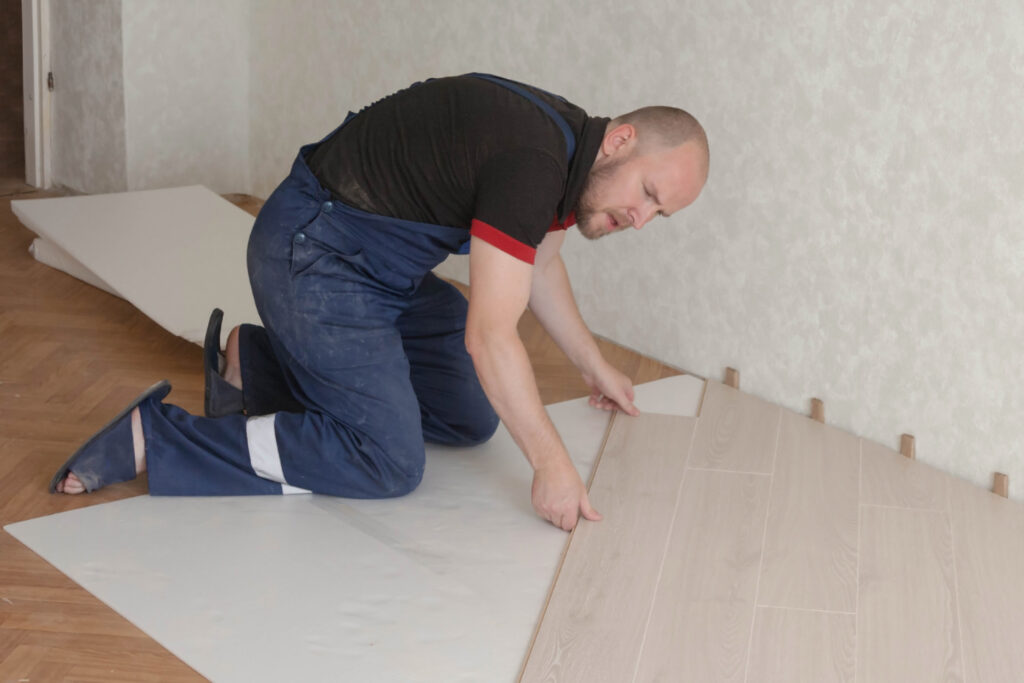
If you’re planning new floors, you might be wondering if you can skip the messy demo and install right over what’s already there. The short answer is: sometimes. Installing new flooring over existing surfaces can save time and money, but only if the foundation underneath is solid.
The key is making sure your current floor is flat, stable, and in good condition. If it’s not, installing on top of it can lead to uneven surfaces, shifting, or long-term damage.
Can You Install New Flooring Over Existing Floors?
In many cases, yes but it depends on the materials. Hard, stable surfaces like tile or properly installed vinyl can sometimes support new flooring. Soft or damaged materials, like carpet or warped floors, typically cannot.
Before moving forward, it’s worth having your floors evaluated.
Installing New Flooring Over Tile
Tile is one of the better surfaces to install over, as long as it’s in good shape. If the tiles are level, secure, and not cracked, they can provide a solid base for new flooring.
Actual costs depend on your location, project scope, and materials. The best way to know what you'll pay is to get quotes from local contractors.
Get Your Free Estimate →Need professional help with your project?
Get quotes from top-rated pros.
Find Local ProsThat said, grout lines and uneven spots can cause problems if they’re not addressed. Many projects require a leveling compound or underlayment to create a smooth surface before installation.
Luxury vinyl plank (LVP), laminate, and even engineered hardwood can all work over tile with proper prep. But if your tile is damaged or uneven, removing it may be the better long-term solution.
"We matched with a great contractor the same day. The whole process was easy and completely free."
Can You Install Flooring Over Carpet?
This is where the answer is almost always no. Carpet simply isn’t a stable enough base for new flooring. It compresses, shifts, and traps moisture, which can cause major problems over time.
Even floating floors like laminate or vinyl need a firm surface underneath. Installing over carpet can lead to movement, gaps, and premature damage.
In short, carpet should be removed before installing anything new.
Installing Flooring Over Old Vinyl or Linoleum
Old vinyl or linoleum can sometimes work as a base, especially if it’s glued down tightly and still in good condition. If the surface is smooth and free from peeling or bubbling, it can support certain flooring types.
Luxury vinyl and laminate are the most common choices for installing over vinyl. However, prep still matters. Cleaning and minor leveling may be needed to ensure a smooth finish.
One important consideration: older vinyl floors may contain asbestos. If your home is older, it’s smart to have it checked before disturbing the material.
What Flooring Works Best Over Existing Floors?
Not all flooring materials perform equally well when installed over existing surfaces. Floating floors like LVP and laminate are typically the most forgiving because they don’t rely on adhesives and can adjust slightly to minor imperfections.
Engineered hardwood can also work, but it requires a properly prepped surface. Tile is less forgiving and usually needs a very stable, well-prepared base to avoid cracking.
No matter what you choose, the flatter the surface, the better the result.
Why Hire a Licensed Professional
- Licensed & insured — protects you from liability
- Warranty coverage — manufacturers require pro installation
- Code compliance — avoids permit issues
- Faster completion — pros finish in days, not weeks
Subfloor and Height Issues to Watch For
One thing homeowners often overlook is floor height. Adding a new layer of flooring can raise the height enough to interfere with doors, cabinets, and transitions between rooms.
Uneven surfaces underneath can also become more noticeable once new flooring is installed. Moisture issues are another concern, especially in kitchens, bathrooms, or basements.
DIY vs. Professional: At a Glance
When You Should Remove Old Flooring Instead
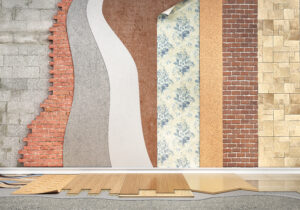
While installing over existing floors can be convenient, it’s not always the best choice. If there’s water damage, soft spots, mold, or multiple layers of old flooring, removal is usually the smarter move.
Starting fresh gives you a clean, level foundation and can prevent problems down the line. It may cost more upfront, but it often results in better durability and fewer repairs later.
Spring and summer are the busiest seasons for home improvement projects — top-rated contractors book up fast. Lock in your estimate now before demand peaks.
Check Availability in Your Area →DIY vs Hiring a Flooring Contractor
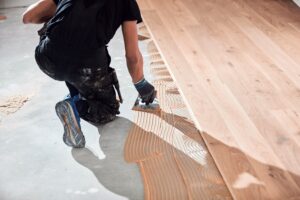
If you’re working with a small, straightforward space and a floating floor, DIY can be a reasonable option. But once you’re dealing with tile, uneven surfaces, or larger areas, the project becomes more complex.
Professionals handle prep work, leveling, and installation efficiently. They also know how to avoid common mistakes that can be expensive to fix.
What Does It Cost to Install Flooring Over Existing Floors?
Installing over existing flooring can reduce labor costs since there’s less demolition involved. However, prep work, materials, and the type of flooring you choose will still impact the final price.
In some cases, skipping removal saves money. In others, it leads to issues that cost more to fix later. The best option depends on your specific floors and long-term goals.
Ready to Move Forward?
Tell us about your project and get matched with up to 3 pre-screened contractors. Compare quotes, check reviews, and hire with confidence.
How to Get Started
The best place to start is by evaluating your current floors and deciding what you want from your new space. Whether that’s durability, style, or easier maintenance.
From there, compare materials, consider your budget, and decide whether to DIY or hire a pro.
Final Thoughts
Installing new flooring over existing floors can be a smart shortcut, but only when the conditions are right. Tile and vinyl can often work with proper prep, while carpet almost never does.
If you want your new floors to last, the foundation matters just as much as the material you choose.
Connect with a local flooring expert today and get your project started the right way.