

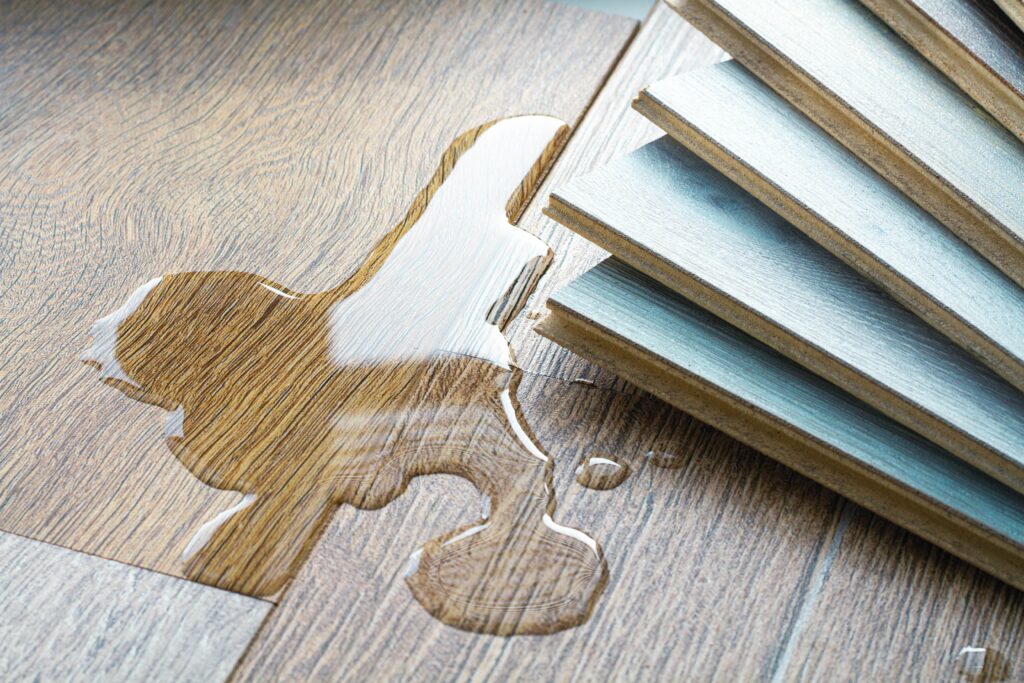
Water and flooring do not mix well. Bathrooms, kitchens, laundry rooms, and basements all deal with spills, humidity, and occasional leaks, so the wrong material can warp, buckle, or grow mold in a hurry.
This guide walks through the best waterproof flooring types, how they compare on cost and durability, which ones work best in each room, and what to think about before you buy. The goal is to help you pick a floor that looks great and stands up to real life, not just a showroom.
Top Waterproof Flooring Types
Before you look at specific rooms, it helps to understand the main waterproof materials. Each option has its own strengths for moisture protection, comfort, and long term value.
Luxury Vinyl Plank and Tile (LVP/LVT)
Luxury vinyl is one of the most popular waterproof flooring choices for homes. It combines strong everyday performance with realistic wood and stone looks, which makes it a practical alternative to hardwood or tile in busy, moisture-prone rooms.
Luxury vinyl products have a fully waterproof core that will not swell when exposed to spills or routine mopping. The surface layer carries a printed design that can closely mimic oak, hickory, marble, or slate, and a clear wear layer on top protects against scratches and stains.
Pros
- Fully waterproof when installed correctly, so it performs well in kitchens, bathrooms, laundry rooms, and basements
- Softer, quieter, and warmer underfoot than ceramic or porcelain tile
- Wide range of realistic wood and stone looks, from budget choices to premium lines
- Click together planks or tiles make floating installations relatively DIY friendly
- Easy to maintain with sweeping and occasional damp mopping
- Often more forgiving of minor subfloor imperfections than rigid materials like tile
Cons
- Cannot be sanded and refinished like hardwood, so worn or damaged planks must be replaced
- Cheaper products may show scratching, fading, or denting sooner, especially under heavy furniture
- Very heavy objects or sharp impacts can still damage the surface
- Some lower cost lines can look less realistic in person than in photos
- Not as prestigious for resale as true hardwood in certain markets
Costs
Typical material costs for luxury vinyl run about $2 to $7 per square foot, depending on thickness, wear layer, and brand. Premium designer lines can cost more, while basic builder-grade products fall near the lower end.
If you hire professional installers, labor usually adds another $1 to $3 per square foot for a straightforward project. Complex layouts, stairs, or significant subfloor preparation can increase that total.
Durability
A quality luxury vinyl floor can last around 20 to 25 years with basic care, which makes it a strong mid-range value. It often costs significantly less than hardwood or tile upfront, while still delivering good durability, especially in homes with children, pets, or frequent spills.
Porcelain and Ceramic Tile
Porcelain and ceramic tile are classic options for wet and high-traffic areas. They offer excellent water resistance, long-term durability, and a wide range of design choices, from simple neutrals to bold patterns. That makes them a strong fit for kitchens, bathrooms, entryways, mudrooms, and laundry rooms where spills, splashes, and heavy use are common.
Porcelain is denser and less porous than standard ceramic, so it resists moisture and wear especially well on floors. Both materials also pair nicely with radiant floor heating, which helps offset their naturally cool surface.
Pros
- Highly water resistant when properly installed and sealed, ideal for bathrooms, kitchens, and laundry rooms
- Extremely durable and able to handle heavy foot traffic and rolling loads
- Huge range of colors, sizes, shapes, and finishes to match almost any design style
- Resists stains, odors, and most household chemicals when grout is sealed and maintained
- Non-combustible surface that will not burn or scorch under hot pans or styling tools
- Works very well with radiant floor heating systems in colder climates
Cons
- Feels hard and cool underfoot, which can be uncomfortable without rugs or radiant heat
- Can be slippery when wet if you choose a smooth, glossy finish instead of a textured surface
- Grout lines require periodic cleaning and resealing to prevent staining and mildew
- Installation is labor intensive and usually requires a professional for best results
- Tile can crack or chip if the subfloor is not properly prepared or if heavy items are dropped
Costs
Tile materials typically cost between $3 and $20 per square foot, depending on whether you choose basic ceramic, premium porcelain, or specialty designs. Professional installation usually adds another $5 to $10 per square foot for a straightforward layout. Intricate patterns, small mosaics, or extensive subfloor preparation can increase both time and labor costs.
Durability
With proper installation, sealed grout, and simple routine cleaning, porcelain and ceramic tile floors can easily last 50 years or more. In many homes they outlast several generations of other finishes. Individual damaged tiles can usually be replaced without tearing out the entire floor, which helps preserve the installation and makes tile one of the most durable, long-term flooring investments you can make.
Waterproof Laminate
Waterproof laminate is designed to mimic hardwood while handling minor spills better than standard laminate. It uses a moisture resistant core and a tough wear layer to stand up to daily use in busy homes. Due to their click lock edges, it is also a popular choice for experienced DIYers who want a wood look without hardwood prices.
Waterproof laminate is best in spaces where splashes are occasional and cleaned up quickly, such as living rooms, hallways, and many kitchens, rather than areas that see frequent standing water.
Pros
- Moisture resistant core that performs better than traditional laminate
- Strong scratch resistance, especially useful in homes with kids and pets
- Realistic wood visuals in a wide range of styles and colors
- Click lock installation that works well for confident DIYers
- Feels firmer and more solid underfoot than many vinyl products
Cons
- Usually water resistant rather than truly waterproof, so long standing water can still cause damage
- Cannot be sanded and refinished like hardwood
- Swelling at edges is possible if spills are not wiped up promptly
- Some products can sound hollow without good underlayment
- Not recommended for full bathrooms or very damp basements
Costs
Waterproof laminate materials typically cost about $2 to $5 per square foot, depending on thickness, brand, and wear layer quality. Professional installation often adds $2 to $4 per square foot for a simple layout, with extra charges for stairs, patterns, or extensive subfloor work.
Durability
A good waterproof laminate floor can last roughly 15 to 25 years in typical residential use. Its scratch resistance makes it a strong choice for active households, but it will not match the lifespan of tile or solid hardwood. Careful spill control and use of proper cleaning products will help it reach the upper end of its expected life.
Actual costs depend on your location, project scope, and materials. The best way to know what you'll pay is to get quotes from local contractors.
Get Your Free Estimate →Stone Plastic Composite (SPC) Vinyl
Stone plastic composite, often shortened to SPC, is a type of rigid core vinyl that uses a stone based core instead of a flexible vinyl core. This makes it very dense, dimensionally stable, and highly resistant to dents and temperature related movement.
SPC flooring is fully waterproof and performs well in busy spaces where durability is a top priority.
Pros
- Completely waterproof, suitable for kitchens, bathrooms, laundry rooms, and basements
- Very stable in changing temperatures and humidity, with minimal expansion or contraction
- Resists dents and wear better than many standard LVP products
- Feels solid underfoot, which many homeowners prefer in main living areas
- Often available in the same wood and stone visuals as standard luxury vinyl
Cons
- Feels harder than flexible vinyl and some people find it less comfortable for long periods of standing
- Can transmit more sound without quality underlayment
- As a rigid product, it requires a flatter subfloor than some flexible vinyl options
- Damaged planks usually need full replacement rather than repair
- Generally costs more than basic LVP lines
Costs
SPC vinyl materials typically run about $3 to $8 per square foot, depending on thickness, wear layer, and design. Professional installation usually adds $1 to $3 per square foot. Total costs end up slightly higher than standard LVP but still below many hardwood and tile installations.
Durability
With proper care, SPC flooring can last around 20 to 30 years in residential settings. Its rigid core resists dents from furniture and heavy traffic, which makes it suitable for busy households and even some light commercial applications. Routine sweeping and damp mopping are usually enough to keep it looking good over the long term.
Epoxy and Other Resin Floors
Epoxy and similar resin systems are poured directly over concrete to create a continuous, waterproof surface. Once cured, they form a hard, seamless coating that bonds tightly to the slab. This makes them especially useful in basements, garages, workshops, and utility rooms where moisture, heavy use, and spills are common.
Resin floors can be tinted, flaked, or patterned for different looks, from simple solid colors to decorative finishes.
Pros
- Completely waterproof when applied correctly over properly prepared concrete
- Highly resistant to stains, oils, and many household chemicals
- Seamless surface with no grout lines or plank gaps to trap dirt
- Extremely durable under rolling loads, tools, and heavy equipment
- Easy to clean with sweeping and mopping
Cons
- Requires thorough surface preparation and careful application, usually by a professional
- Feels hard and can be slippery when wet unless textured finishes or additives are used
- Difficult and costly to remove or change once installed
- Strong odors during application until the material cures
- Not ideal in spaces where a softer, more residential feel is desired
Costs
Materials for epoxy and similar resin floors usually cost around $2 to $7 per square foot, depending on the system and decorative options. Professional installation often adds $4 to $8 per square foot, especially if significant grinding or crack repair is needed. Total installed costs commonly fall in the $6 to $15 per square foot range.
Durability
A properly installed epoxy or resin floor can last for decades in a residential garage or basement. It resists wear, chemicals, and impact better than most other options over concrete. Periodic cleaning is usually all that is required, though heavily used surfaces may eventually benefit from recoating to refresh the finish.
Rubber Flooring
Rubber flooring is typically found in tiles or rolls and is best known for its use in gyms and play spaces. It provides a cushioned, slip resistant surface that is comfortable to stand and move on, and it protects both people and the subfloor from impact.
Pros
- Fully waterproof and highly resistant to mold and mildew
- Cushioned feel that reduces impact on joints and helps prevent injuries from falls
- Naturally slip resistant, even when slightly damp
- Excellent sound absorption, which keeps noise down in active spaces
- Available in tiles or rolls that can be cut and fit relatively easily
Cons
- Has a more utilitarian or gym like appearance that does not suit every room
- Some products have a noticeable odor when new, which usually fades over time
- Dark colors can show dust, while lighter colors can show stains
- Can be dented by very heavy furniture or equipment left in one place
- Not typically used as whole house flooring because of its specialized look and feel
Costs
Rubber flooring materials usually cost about $5 to $10 per square foot, depending on thickness, density, and whether you choose tiles or rolls. Professional installation can add $2 to $4 per square foot, although many homeowners handle simple tile installations themselves in small rooms.
Durability
In home gyms, playrooms, and similar spaces, rubber flooring often lasts 15 to 20 years or more. It tolerates dropped weights, active play, and frequent cleaning without significant damage. Over time, areas under heavy, stationary loads may show compression, but tiles or sections can usually be replaced without disturbing the entire floor.
"We matched with a great contractor the same day. The whole process was easy and completely free."
Best Waterproof Flooring by Room
Different rooms put different demands on flooring. Choosing based on how you use the space will give you better results than picking one “best” material for the whole house.
Bathrooms
Bathrooms are tough on floors. Between standing water, steam from hot showers, and frequent mopping, you need flooring that can handle constant moisture without warping, lifting, or encouraging mold.
Best choices
- Porcelain or ceramic tile for maximum durability and water resistance
- LVP or LVT for a warmer feel and easier installation
- Sheet vinyl when you want a nearly seamless, budget friendly surface
In bathrooms, tile is the go-to choice when you want a long-lasting, high-end finish that handles water effortlessly. Luxury vinyl plank and sheet vinyl are better options when comfort, budget, or an easier DIY-friendly installation matter more.
Kitchens
Kitchens see steady foot traffic, regular spills, and the occasional dropped pot or pan. Flooring here should stand up to wear and moisture while still feeling reasonably comfortable during everyday cooking and cleanup.
Best choices
- Luxury vinyl plank for a soft, quiet, easy care surface
- Porcelain tile for maximum durability and heat resistance
- Waterproof laminate where you want a hardwood look and high scratch resistance
If you spend a lot of time on your feet in the kitchen, LVP is usually easier on your joints than tile. If maximum toughness is the priority and you want a surface that handles almost any spill or impact, porcelain tile is the more durable choice.
Basements
Basements sit on or below ground level, usually over concrete, and often deal with higher humidity and occasional moisture issues. Flooring here has to tolerate damp conditions and potential leaks from both the slab and everyday use.
Best choices
- LVP over a vapor barrier for a warm, finished look that still handles moisture
- Tile for spaces that need maximum durability and easy cleaning
- Epoxy or resin for workshops, home gyms, and utility spaces
- Rubber for fitness rooms or play areas that need cushioning
In many finished basements, LVP installed over a properly prepared slab offers a good mix of comfort, appearance, and moisture resistance. In more utility-focused basements, epoxy or rubber flooring often makes more sense.
Waterproof vs Water Resistant Flooring
The terms “waterproof” and “water resistant” are easy to mix up, but they respond very differently when a spill or leak hits the floor. Waterproof flooring is designed to keep water out completely, even if it sits for a while, while water-resistant flooring only holds up for a short time before moisture can seep in and cause damage.
Waterproof flooring:
- Does not allow water into the core when properly installed
- Can tolerate standing water for an extended period
- Protects the subfloor when seams and edges are sealed correctly
Water resistant flooring:
- Sheds small spills if wiped up quickly
- Can still swell or stain if water sits too long
- May let moisture through seams or joints
Choose waterproof flooring for bathrooms, laundry rooms, basements, mudrooms, and any other area that regularly sees moisture. Save water-resistant options for living rooms, bedrooms, and hallways where spills are uncommon and usually cleaned up right away.
Why Hire a Licensed Professional
- Licensed & insured — protects you from liability
- Warranty coverage — manufacturers require pro installation
- Code compliance — avoids permit issues
- Faster completion — pros finish in days, not weeks
Key Factors When Choosing Waterproof Flooring
To choose the best waterproof flooring for your home, you also need to consider budget, comfort, noise, and existing conditions such as moisture and subfloor quality. Those details often matter as much as the material itself.
Budget and Long-Term Value
Consider lifetime cost rather than just initial price. A tile floor that costs twice as much as vinyl but lasts four times longer delivers better value. Factor in maintenance costs, replacement frequency, and potential damage repairs when calculating true cost.
Installation Method
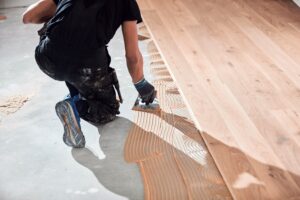
Your DIY skills and timeline affect which flooring makes sense. Luxury vinyl with click-lock installation is manageable for most homeowners with basic tools. Tile installation requires specialized equipment and expertise, making professional installation necessary for quality results.
DIY installation saves $1 to $3 per square foot on vinyl and potentially $5 to $10 per square foot on tile. However, improper installation can void warranties and lead to problems down the line. Be honest about your abilities before committing to DIY installation.
DIY vs. Professional: At a Glance
Comfort, Noise, and Feel
It is worth thinking about how each surface will feel and sound in everyday use. Vinyl, rubber, and cork tend to be softer and quieter underfoot, while tile and epoxy are cool and hard but extremely durable. In some cases, the right underlayment can add warmth and sound control beneath harder products.
Subfloor and Moisture Conditions
The condition of your subfloor often determines which flooring types are realistic. Concrete should be dry, flat, and free of major cracks, while wood subfloors need to be structurally sound and checked for moisture issues. In basements, a vapor barrier or moisture control system under the flooring is often a smart addition, and any known moisture problems should be addressed first with drainage improvements, sump pumps, or foundation repairs before new floors go in.
Installation and Care Basics
Good waterproof flooring still needs thoughtful installation and simple routine care to perform well.
Before installation
- Clean the subfloor thoroughly.
- Test for moisture, especially on concrete.
- Level low spots and sand or grind high spots.
During installation
- Let materials acclimate if the manufacturer requires it.
- Leave the recommended expansion gap around walls and fixed objects.
- Use the correct underlayment, adhesive, and sealants for your product.
Daily care
- Sweep or vacuum regularly to remove grit that can scratch finishes.
- Wipe up spills promptly to prevent slipping and staining.
- Use pH neutral cleaners and avoid harsh chemicals or steam unless the manufacturer approves them.
With these basics in place, most waterproof floors need only light maintenance to stay in good shape.
Spring and summer are the busiest seasons for home improvement projects — top-rated contractors book up fast. Lock in your estimate now before demand peaks.
Check Availability in Your Area →FAQs
What is the most affordable waterproof flooring?
Luxury vinyl plank and tile are usually the most cost effective fully waterproof options, especially if you install them yourself. Sheet vinyl can be another budget friendly choice in bathrooms and laundry rooms.
Can I install waterproof flooring over concrete?
Yes. Many waterproof floors are designed for use over concrete slabs. The key is to make sure the concrete is dry, clean, and level, and to add a vapor barrier if recommended for your product or climate.
Ready to Move Forward?
Tell us about your project and get matched with up to 3 pre-screened contractors. Compare quotes, check reviews, and hire with confidence.
How long does waterproof vinyl plank last?
A good quality waterproof vinyl plank floor can last around 20 to 25 years with basic maintenance. Cheaper products may wear out sooner, so it often pays to invest in a thicker wear layer.
Is waterproof flooring a good idea for basements that sometimes flood?
Waterproof flooring handles occasional moisture better than traditional materials, but it does not replace proper drainage. If you have frequent flooding, address that first, then choose waterproof flooring and a vapor barrier to minimize damage if water returns.
Can I use waterproof flooring with radiant heat?
Tile is an excellent match with radiant heat. Many luxury vinyl products are also approved for use over radiant systems, as long as temperatures stay within the limits set by the manufacturer. Always check the specifications for your specific product.
Conclusion
Waterproof flooring protects against spills and moisture damage while giving you a surface that holds up to everyday use. The right choice depends on the room, your budget, and how much wear the floor will see.
Luxury vinyl plank offers the best overall value at $2 to $7 per square foot. It handles water completely, feels warmer and softer than tile, and most homeowners can install it themselves. Porcelain tile costs more and usually needs professional installation, but it lasts 50 years or longer and works especially well in high-traffic kitchens and bathrooms. In basements, LVP over a vapor barrier keeps moisture out while staying comfortable underfoot, unlike tile or epoxy.
Ready to move forward? Compare quotes from local flooring installers to find the right material and price for your project.
Connect with top-rated local contractors who can help you with siding, roofing, HVAC, windows, and more. Get free quotes from verified professionals in your area today.