

How Much Does It Cost to Raise a House on Average?
Raising a house costs $20,000 to $100,000 for most projects, with the total determined by the type of lift and the scope of foundation work required. The lift itself (the physical jacking of the structure) runs $10,000 to $40,000, while the rest covers foundation construction, engineering, permits, and utility reconnection.
On the budget end, a foundation repair lift on a small wood-frame home costs $20,000 to $35,000 total. A mid-range project, like lifting a larger home to fix serious structural damage, runs $35,000 to $65,000. At the high end, full basement additions and FEMA flood elevations regularly exceed $100,000 once you factor in excavation, waterproofing, and regulatory compliance.
The median total cost for a FEMA-compliant flood elevation is approximately $130,000, according to First Street Foundation’s research on flood mitigation costs.
How Much Does It Cost to Raise a House by Project Type?
The cost of raising a house varies dramatically based on the goal of the lift. A corrective foundation repair and a full basement addition are entirely different projects with entirely different price tags.
| Project Type | Lift Cost (Jacking Only) | Total Project Cost | Key Detail |
|---|---|---|---|
| Foundation Repair & Leveling | $10,000–$25,000 | $20,000–$50,000 | House raised a few inches to swap damaged materials and pour new footings |
| Basement Addition | $15,000–$30,000 | $100,000–$150,000 | House raised 8–10 feet; includes excavation, concrete, waterproofing, and finish work |
| FEMA Flood Elevation | $20,000–$40,000 | $130,000+ | Must meet Base Flood Elevation (BFE) with stricter engineering for hydrostatic pressure and debris impact |
Foundation repair and leveling is the simplest type. If your floors are uneven, your doors stick, or a structural engineer has flagged a failing slab or rotting sill plates, the house is jacked up a few inches so the crew can replace damaged materials and pour new footings. You can learn more about what this work involves in our foundation repair cost guide.
Lifting to add a basement is a full-scale renovation. The structural mover raises the entire house 8 to 10 feet and suspends it on massive wooden towers called “cribbing,” then excavators dig out the earth and pour a concrete basement from scratch. All-in, expect $100,000 to $150,000 or more because you are paying for the lift, excavation, concrete, waterproofing, and finish work.
FEMA flood elevation is the most complex and heavily regulated type. If your home sits in a Special Flood Hazard Area (SFHA), your community’s floodplain ordinance may require you to raise the structure above the Base Flood Elevation (BFE). The engineering must account for hydrostatic pressure, moving water, and debris impact, which demands stricter materials and construction methods than a standard lift.
What Factors Affect the Cost of Raising a House?
The final invoice for a house lift depends on four major variables: what the house is made of, how large the footprint is, what condition the soil is in, and how much utility work is required.
| Factor | What It Means | How It Affects Price |
|---|---|---|
| House Material & Weight | Wood-frame vs. brick/stone-veneer construction | Masonry homes cost 20% to 30% more to lift due to added steel, jacks, and slower pace |
| Building Footprint | Size, shape, and complexity of the home’s layout | Each additional hydraulic jack setup adds $2,500 to $5,000 to equipment fees |
| Soil Conditions | The stability and composition of the ground beneath your home | Unstable soil requiring helical piers adds $10,000 to $20,000 |
| Utility Disconnection | Severing and reconnecting all water, sewer, gas, electric, and HVAC lines | Utility reconfiguration alone costs $2,000 to $5,000, more for taller lifts |
House material and weight
A wood-frame house is the easiest and cheapest structure to lift. Wood is relatively light and flexible, so it absorbs minor shifts during jacking without cracking. Brick or stone-veneer homes are a different story.
Masonry is heavy and brittle, which means the crew needs more steel I-beams, more hydraulic jacks, and a much slower pace to prevent mortar joints from fracturing. The added complexity of lifting a brick home increases labor costs by roughly 20% to 30% compared to an equivalent wood-frame structure.
A simple rectangular ranch house might need 12 hydraulic jacks, while a 2,000-square-foot L-shaped home with a chimney could require 20 or more.
Building footprint
The cost of the lift itself depends on how many hydraulic jacks are needed, and that number is driven by the size and shape of your home’s footprint. A simple rectangle requires fewer support points than a home with multiple wings, bump-outs, chimneys, or an attached garage.
Each additional hydraulic jack setup adds approximately $2,500 to $5,000 to the equipment fee. A 1,200-square-foot rectangle might need 12 jacks, while a complex 2,000-square-foot layout could need 20 or more.
Soil conditions
The ground your house sits on matters almost as much as the house itself. If you are building a new foundation in stable clay or compacted gravel, standard footings will likely work. Understanding the different types of home foundations can help you anticipate what kind of new foundation your project will require.
But if your property sits on sandy, swampy, or coastal soil, your engineer may specify helical piers, which are steel screws driven deep into the earth to anchor the new foundation to stable bedrock. Helical pier installation can add $10,000 to $20,000 to the stabilization phase of the project.
Utility disconnection and reconnection
This is the cost most homeowners underestimate. Before the house moves an inch, every utility connection must be severed: water supply, sewer lines, electrical service, gas lines, HVAC ducts, and sometimes cable and internet conduits.
After the house is set on its new foundation, all of those systems must be extended to the new height and reconnected. The utility reconfiguration alone typically costs $2,000 to $5,000, and that number climbs if you are lifting more than a few feet. If the lift requires rewiring, our guide to electrical wiring costs breaks down what to expect for that portion of the work.
Actual costs depend on your location, project scope, and materials. The best way to know what you'll pay is to get quotes from local contractors.
Get Your Free Estimate →What Are the Additional Costs and Hidden Fees?
Permits, engineering, soil testing, and temporary housing are the most common expenses homeowners overlook when budgeting for a house lift. These line items can add $5,000 to $15,000 to the total project cost. For a broader look at expenses that catch homeowners off guard, see our guide to hidden home renovation costs.
Permits
You cannot legally lift a house without a building permit. The permit ensures your local building department has approved the structural change. Residential house-lifting permits typically cost $160 to $500, depending on the jurisdiction.
Structural engineering report
A structural engineer creates the load-bearing plans that tell the mover exactly where to place the steel beams and how many jacks the structure requires. This report runs $500 to $1,000, and no reputable structural mover will begin a lift without one.
Soil testing
If your engineer suspects unstable ground conditions, they will order a geotechnical soil test. This typically costs $500 to $1,500 and determines whether standard footings will hold or whether helical piers are needed.
No reputable structural mover will begin a lift without an approved structural engineering plan. Skipping the engineer is not an option.
Elevation Certificate
If you are in a flood zone, you will need a new Elevation Certificate after the lift. This document proves your home now sits above the Base Flood Elevation and qualifies for lower insurance premiums. Budget $500 to $1,500 for this.
"We matched with a great contractor the same day. The whole process was easy and completely free."
Temporary housing
You cannot live in the house during the lift and foundation phases. Utilities are disconnected, the structure is physically unstable, and no insurance policy covers occupancy during an active lift. Budget for 2 to 4 months of temporary housing or a short-term rental.
| Line Item | Estimated Cost |
|---|---|
| Building Permit | $160–$500 |
| Structural Engineering Report | $500–$1,000 |
| Soil/Geotechnical Test | $500–$1,500 |
| Utility Disconnect & Reconnect | $2,000–$5,000 |
| Elevation Certificate (Flood Zone) | $500–$1,500 |
| Post-Lift Inspection | $200–$500 |
| Temporary Housing (2–4 Months) | $3,000–$10,000 |
How Long Does It Take to Raise a House?
A typical house-lifting project takes 4 to 6 months from initial planning to final inspection, though the house itself is only physically in motion for 2 to 5 days.
The timeline surprises most homeowners because the actual lift accounts for less than a week of a months-long process. Here is what the full schedule looks like.
Months 1–2: Planning and compliance
This is the paperwork phase. You hire a structural engineer, apply for building permits, and submit your FEMA ICC paperwork if applicable. You also interview and select your structural mover and, if needed, a general contractor for the new foundation work.
Month 3: Site preparation
Plumbers, electricians, and HVAC technicians disconnect all utility lines. The structural mover’s crew excavates “pockets” under the foundation where they slide massive steel I-beams beneath the house. Temporary wood cribbing towers are built beside the structure to support the weight once it is airborne.
Month 4: The lift
Using a unified hydraulic jacking system, the mover raises the house incrementally (usually 6 to 12 inches at a time) until it reaches the target height. The house is stabilized on the cribbing towers, and a structural engineer verifies that the lift is level.
Months 4–5: Foundation construction
While the house sits suspended, the crew pours new concrete footings and builds the foundation walls or full basement. The concrete must cure for 7 to 14 days before it can bear the weight of the structure. This is the longest single phase of the project.
Month 6: Reconnection and finishing
The house is lowered onto its new permanent foundation and anchored. Utility connections (new plumbing stacks, electrical risers, and HVAC ducts) are extended to the new height. The local building inspector conducts a final walkthrough, and you receive a new Elevation Certificate if the project was flood-related.
Most structural movers recommend keeping a house suspended on cribbing for no more than 2 to 6 weeks. The longer it sits, the greater the risk of wind damage, moisture intrusion, and hairline settling cracks.
Which Type of House Lift Do You Need?
The right approach depends entirely on your situation. Foundation repair, basement additions, and flood elevations are three distinct projects with different contractors, different timelines, and different budgets.
Foundation repair lift
Choose this if your home has visible signs of structural failure: uneven floors, cracking walls, sticking doors, or a sinking slab. This is a corrective measure, not a renovation. The goal is to stabilize the structure and replace the damaged foundation components.
Best for: Homeowners addressing active structural damage. Budget: $20,000 to $50,000 total.
Why Hire a Licensed Professional
- Licensed & insured — protects you from liability
- Warranty coverage — manufacturers require pro installation
- Code compliance — avoids permit issues
- Faster completion — pros finish in days, not weeks
Basement addition lift
Choose this if you need more living space but cannot build outward. This is common in older homes with shallow crawlspaces on small lots. The house is raised 8 to 10 feet so a full concrete basement can be poured underneath. If you are dealing with moisture in an existing crawlspace, crawl space encapsulation may solve the problem at a fraction of the cost of a full lift.
Best for: Homeowners who want added square footage without expanding the footprint. Budget: $100,000 to $150,000 total.
FEMA flood elevation
Choose this if you live in a designated flood zone and need to meet your community’s Base Flood Elevation requirement. This type of lift is heavily regulated, requires stricter engineering, and may qualify for up to $30,000 in FEMA ICC assistance.
Best for: Homeowners in flood zones facing high insurance premiums or post-flood rebuilding. Budget: $130,000+ total.
What Are the Warning Signs You Need to Raise Your House?
Not every foundation problem requires a full house lift, but certain symptoms point clearly in that direction. Here are the signals that suggest a lift may be necessary.
- Uneven or sloping floors. If you can feel a slope when walking across a room, or a ball rolls noticeably to one side, the foundation has likely settled unevenly. Minor settling can sometimes be fixed with piers alone, but severe cases require lifting.
- Doors and windows that stick or will not close. When a foundation shifts, the frame of the house distorts. Doors and windows are the first things to bind because their frames are rigid and cannot flex with the movement.
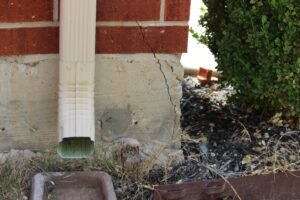
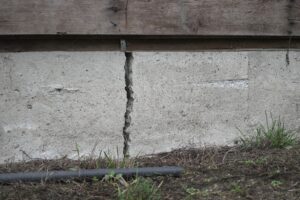
- Visible cracks in walls or foundation. Horizontal cracks in a block or poured foundation are a serious structural concern. Stair-step cracks in brick veneer are another red flag. Anything wider than 1/4 inch warrants a structural engineer’s assessment.
- Water pooling in a crawlspace or basement. Chronic moisture underneath the home accelerates rot in sill plates and floor joists. If the water problem is caused by a sinking foundation rather than drainage, a lift is often the only permanent fix. For drainage-related moisture, basement waterproofing may be the better solution.
- Repeated flood damage. If your home has been damaged by floods twice in 10 years and cumulative insurance payments exceed 25% of the building’s value, FEMA classifies it as a “Repetitive Loss” property, which qualifies you for ICC funds.
How Can You Save Money on a House Lift?
House lifting is not a project where you want to cut corners on the structural work, but there are legitimate ways to reduce the total cost without compromising safety. Planning a detailed budget upfront makes a significant difference, and our guide to creating a realistic remodeling budget can help you plan for a project this size.
- Get at least three itemized quotes. Structural mover pricing varies widely. Require each bidder to break out the lift cost separately from foundation work, utility reconnection, and permits so you can compare apples to apples.
- Claim the FEMA ICC benefit if you qualify. The $30,000 Increased Cost of Compliance benefit is already built into most NFIP flood insurance policies, but many homeowners never file for it. If your home was flood-damaged and you have a Substantial Damage Determination, file the ICC claim.
- Lift only to the minimum required height. For flood elevations, raising to just above the Base Flood Elevation (rather than several feet higher) keeps the lift cost, cribbing requirements, and utility extension work to a minimum.
- Handle utility disconnects yourself. Most structural movers do not perform plumbing or electrical work. You may save money by hiring your own licensed plumber and electrician directly rather than going through the mover’s subcontractors.
- Time the project for the off-season. Structural movers are busiest in late spring and summer. Scheduling your project for late fall or winter (weather permitting) may get you better pricing and faster scheduling.
DIY vs. Professional: At a Glance
What FEMA Assistance Is Available for Raising a House?
If your home was damaged by a flood and you carry a National Flood Insurance Program (NFIP) policy, you may qualify for up to $30,000 through the Increased Cost of Compliance (ICC) benefit.
ICC is one of the most underutilized financial tools in the home improvement space. It is not a separate policy. It is a benefit already built into most NFIP flood insurance policies, and its purpose is to help homeowners pay for bringing a flood-damaged home into compliance with local floodplain rules. Elevation is the most common use of the funds.
Who qualifies for ICC?
Your project must meet two criteria. First, your local building official or floodplain manager must issue a “Substantial Damage Determination,” meaning the cost to repair your home equals or exceeds 50% of the home’s pre-damage market value. Second, your home must be in a Special Flood Hazard Area (SFHA).
There is also a lesser-known path. If your home qualifies as a “Repetitive Loss” property (damaged by floods at least twice in 10 years with cumulative payments exceeding 25% of the building’s value), you may be eligible even if the most recent damage alone did not hit the 50% threshold.
The FEMA ICC benefit provides up to $30,000 to cover elevation, relocation, demolition, or floodproofing of non-residential structures. Most payments are disbursed as reimbursements after the project passes inspection.
How to claim ICC funds
The process works in four steps. Start by requesting the Substantial Damage Determination letter from your local building official. Then file your ICC claim separately from your standard flood damage claim, because they are handled independently.
Provide your insurance adjuster with a signed contract and an itemized cost estimate from a structural mover. Complete the work, have it inspected by a local official, and submit for reimbursement. You will need financing to cover the gap between paying the contractor and receiving the payout.
Other federal assistance
Some communities also offer FEMA Hazard Mitigation Grant Program (HMGP) funding that can be combined with ICC for additional cost relief. Check with your local emergency management office to see what programs are active in your area.
How Do You Hire the Right Contractor for a House Lift?
Hire a structural mover for the lift itself, not a general contractor. A structural mover is a specialist who owns and operates the hydraulic jacking equipment, steel beams, and cribbing required to safely raise a building.
General contractors are the right choice for managing the foundation pour, utility work, and finish carpentry. But the actual lift demands a different skill set and different equipment.
Spring and summer are the busiest seasons for home improvement projects — top-rated contractors book up fast. Lock in your estimate now before demand peaks.
Check Availability in Your Area →What to ask your structural mover
Do you use a unified hydraulic jacking system? In a unified system, a single operator controls all jacks from one console and every jack rises at the same rate. This is how houses get lifted without cracking. If a mover uses manual or independent jacks, move on. Manual jacking applies uneven pressure and is the leading cause of structural cracking during a lift.
How many homes of my construction type have you lifted? A mover experienced with wood-frame homes may not have the right equipment or expertise for brick or stone-veneer structures, which require more steel and slower progression.
Does your quote include an Elevation Certificate? If you are lifting for flood compliance, you need a “before” and “after” certificate. Some movers include this in the price, others treat it as an add-on.
Who handles utility disconnects? Most structural movers do not perform plumbing or electrical work. You will likely need to hire your own licensed plumber and electrician. Clarifying this upfront prevents a surprise mid-project.
Can you provide itemized quotes for insurance adjusters? If you are using ICC funds, the FEMA mitigation contractor checklist requires specific documentation that not all movers are accustomed to producing.
Warning signs to avoid
- No physical business address. Reputable structural movers operate out of yards where they store steel I-beams, cribbing timber, and hydraulic equipment. A mover with only a P.O. Box may not own the heavy equipment the job demands.
- Unrealistic timelines. The physical lift takes 2 to 5 days, but site preparation takes weeks. If a contractor promises to complete the entire project in 48 hours, they are likely skipping safety steps.
- Unfamiliarity with local codes. Any mover unfamiliar with local building codes and permit requirements is a risk. The International Association of Structural Movers (IASM) maintains a directory of credentialed professionals, which is a good starting point.
FAQs
Can I live in the house while it is being raised?
No. All utilities are disconnected before the lift begins, and the structure is physically unstable while it sits on temporary cribbing. No building code permits occupancy during an active house lift, and no insurance policy covers it. Plan for 2 to 4 months of temporary housing.
Ready to Move Forward?
Tell us about your project and get matched with up to 3 pre-screened contractors. Compare quotes, check reviews, and hire with confidence.
How long can a house stay on cribs?
Most structural movers recommend no more than 2 to 6 weeks. The longer a house sits on cribbing, the greater the risk of wind damage, moisture intrusion, and hairline settling cracks in the framing.
Is it cheaper to raise a house or build an addition?
In many cases, raising a house to add a basement is cheaper than building a comparable ground-level addition, particularly on small lots where there is no room to build outward. The lift-and-basement approach avoids the cost of a new roof, new exterior walls, and additional site work.
What is the cheapest way to elevate a house for flood insurance savings?
Elevate only to the minimum BFE required by your community’s floodplain ordinance. Pair this with an ICC claim if you qualify for the $30,000 benefit, and get at least three itemized quotes from structural movers who specialize in FEMA-compliant work.
Does homeowners insurance cover the cost of raising a house?
Standard homeowners insurance does not cover house lifting. However, if you carry an NFIP flood insurance policy and your home was substantially damaged by a flood, the ICC benefit provides up to $30,000 toward elevation costs.
How much weight can a house lift handle?
Unified hydraulic jacking systems can lift structures weighing several hundred tons. The key constraint is not total weight but how it is distributed. Heavier homes (brick, stone) require more jacks and steel beams to spread the load evenly.
The Bottom Line
Raising a house is a major financial commitment, but for homeowners dealing with a crumbling foundation, recurring flood damage, or the need for more livable space on a tight lot, the high upfront costs make sense. Lower insurance premiums, added square footage, and a structurally sound foundation may help recoup the investment within 7 to 10 years.
The key is to confirm which type of lift your home actually needs, hire an experienced structural mover for the jacking work, and use the FEMA ICC benefit when the lift is flood-related. That up to $30,000 can materially change the economics of the project.
The next step is getting accurate pricing for your specific home. Every house lift is priced around the structure’s weight, site access and soil conditions, and the scope of foundation work below, so generic online ranges only go so far. A qualified structural mover can evaluate the property, identify access constraints, and provide an itemized quote that reflects the real scope of work.
Ready to move forward? Request free house lifting and foundation elevation quotes, then compare local contractors and detailed project estimates to choose the best option for your home.
Connect with top-rated local contractors who can help you with siding, roofing, HVAC, windows, and more. Get free quotes from verified professionals in your area today.