

Your home’s foundation supports everything above it. When something goes wrong with the foundation, it can affect floors, walls, doors, windows, and even the overall safety of the house. That’s why foundation inspections are an important step for homeowners, especially if you’re noticing cracks, uneven floors, or other structural changes.
Foundation problems are often easier and cheaper to fix when they’re caught early. A professional foundation inspection can identify small issues before they turn into major repairs.
This guide walks homeowners through what a foundation inspection involves, when to schedule one, what it costs, and what inspectors look for.
What Is a Foundation Inspection?
A foundation inspection is a professional evaluation of your home’s foundation to check for structural movement, damage, or early warning signs of problems.
Inspections are typically performed by:
- Foundation repair specialists
- Structural engineers
- Experienced home inspectors with structural expertise
The goal is to determine whether the foundation is stable and performing as it should, or if repairs may be needed.
What a Foundation Inspection Looks For
During the inspection, professionals look for signs that the structure may be shifting or weakening. Common things inspectors evaluate include:
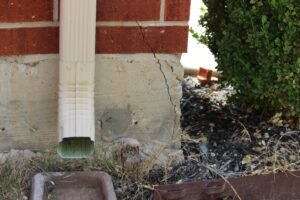
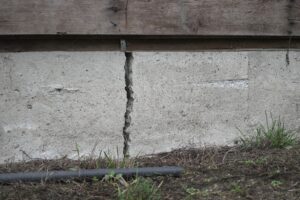
- Cracks in foundation walls
- Uneven floors
- Structural settling
- Water intrusion or moisture damage
- Drainage problems around the home
- Basement or crawl space conditions
Some issues may be cosmetic, while others can indicate structural movement that needs attention.
Why Foundation Inspections Are Important
Many foundation issues start small and gradually worsen over time. An inspection helps homeowners:
- Catch structural problems early
- Prevent costly repairs later
- Protect property value
- Ensure the home remains safe and stable
Foundation inspections are also often recommended during real estate transactions to ensure buyers understand the condition of the home.
Signs Your Home May Need a Foundation Inspection
Certain warning signs can indicate that your home’s foundation may be shifting or experiencing stress.
Cracks in Walls or Floors
Small cracks are common in homes, but larger or widening cracks may signal structural movement.
Watch for:
- Long cracks in drywall
- Stair-step cracks in brick walls
- Cracks in concrete floors
Horizontal or widening cracks often deserve professional attention.
Uneven or Sloping Floors
Floors that feel slanted, bouncy, or uneven can indicate foundation settling.
You might notice:
- Furniture leaning slightly
- A ball rolling across the floor
- Floors that dip in certain areas
These issues often appear gradually over time.
Doors and Windows That Stick
Foundation movement can cause the home’s frame to shift slightly. This may result in:
- Doors that suddenly stick
- Windows that are difficult to open
- Misaligned door frames
While humidity can also cause sticking doors, persistent problems may point to structural movement.
Actual costs depend on your location, project scope, and materials. The best way to know what you'll pay is to get quotes from local contractors.
Get Your Free Estimate →Gaps Around Windows or Doors
Visible gaps between window frames, door frames, or exterior walls can indicate that parts of the structure are moving.
This is sometimes caused by foundation settling or shifting soil beneath the home.
Water or Moisture in the Basement or Crawl Space
Excess moisture around the foundation can weaken structural materials over time.
Signs to watch for include:
- Damp basement walls
- Standing water
- Mold or mildew smells
- Efflorescence (white powdery residue on concrete)
Moisture issues can increase pressure on foundation walls.
When Should You Schedule a Foundation Inspection?
There are several situations where homeowners should consider scheduling a foundation inspection.
Before Buying a Home
A standard home inspection may identify obvious foundation concerns, but a dedicated foundation inspection provides a deeper evaluation.
This can protect buyers from unexpected repair costs after closing.
Before Selling a Home
Sellers sometimes choose to get a foundation inspection before listing their home. Doing this can:
- Identify potential issues early
- Prevent surprises during buyer inspections
- Improve buyer confidence
If repairs are needed, sellers can address them before negotiations begin.
"We matched with a great contractor the same day. The whole process was easy and completely free."
After Major Weather Events
Heavy rain, flooding, or soil shifting can put stress on foundations.
After extreme weather, an inspection may be helpful if you notice:
- New cracks
- Basement leaks
- Soil erosion near the foundation
Homes in areas with clay soil are especially sensitive to moisture changes.
If Your Home Is Older
Foundations naturally age over time. Older homes may experience:
- Concrete deterioration
- Soil settling
- Structural movement
Periodic inspections can help catch problems before they worsen.
What Happens During a Foundation Inspection?
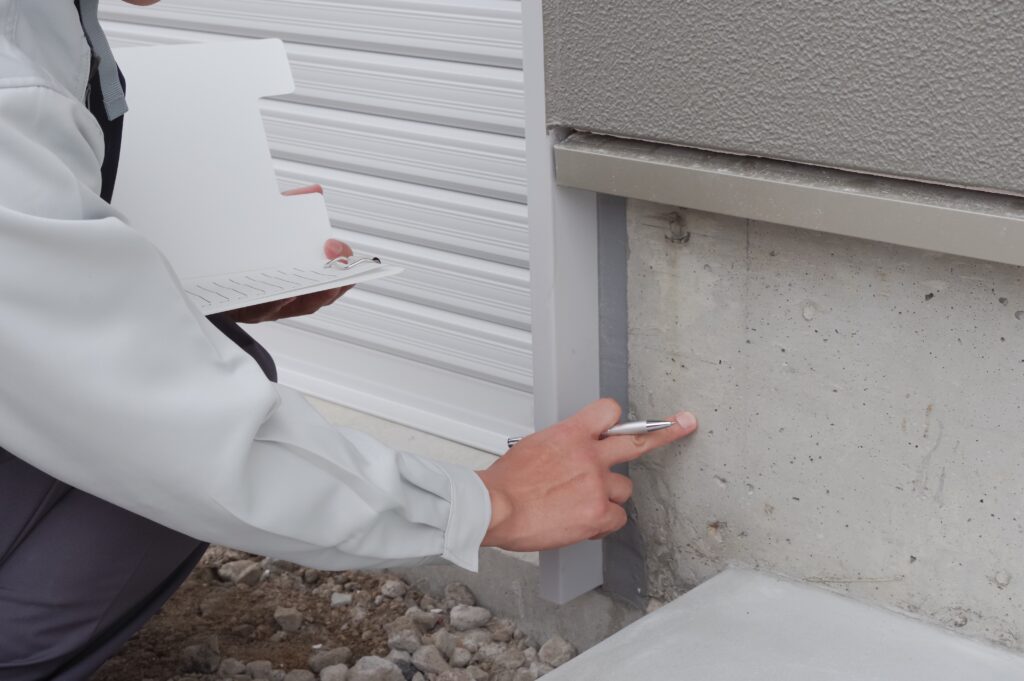
A foundation inspection involves a detailed evaluation of both the inside and outside of your home.
Exterior Foundation Evaluation
Inspectors begin by examining the outside of the house. They look for:
- Foundation cracks
- Bowing or leaning walls
- Soil grading and drainage
- Water pooling near the foundation
Proper drainage is critical for foundation stability.
Interior Structural Inspection
Next, inspectors evaluate the inside of the home.
They check areas such as:
- Basement walls
- Crawl spaces
- Interior wall cracks
- Ceiling separations
- Floor levels
Uneven floors or visible structural movement are key warning signs.
Structural Measurements
In some cases, inspectors use tools like:
- Laser levels
- Elevation measurements
- Floor slope testing
These tools help determine whether parts of the house have shifted over time.
Moisture and Drainage Assessment
Moisture is one of the most common causes of foundation damage.
Inspectors often check:
- Gutters and downspouts
- Yard drainage
- Basement humidity levels
- Crawl space ventilation
Poor drainage around the home is a frequent contributor to foundation problems.
How Long Does a Foundation Inspection Take?
Most foundation inspections take about 1 to 2 hours, depending on the size of the home and the complexity of the inspection.
Several factors can affect the timeline, including:
- Home size
- Accessibility of crawl spaces
- Severity of visible damage
- Whether measurements are required
Larger homes or homes with basements may take longer.
How Much Does a Foundation Inspection Cost?
Foundation inspection costs vary depending on the type of professional performing the inspection.
Why Hire a Licensed Professional
- Licensed & insured — protects you from liability
- Warranty coverage — manufacturers require pro installation
- Code compliance — avoids permit issues
- Faster completion — pros finish in days, not weeks
Average Cost of Foundation Inspections
Most homeowners pay between:
$300 and $1,000 for a professional foundation inspection.
Cost Differences by Inspector Type
Different professionals charge different rates.
Foundation repair company inspection:
Often free or low-cost because companies hope to earn repair work.
Structural engineer inspection:
Typically $500 to $1,500 but offers an independent evaluation.
Homeowners sometimes prefer an engineer if they want an unbiased opinion.
Factors That Affect Inspection Costs
Several things influence the price of an inspection:
- Size of the home
- Local labor rates
- Accessibility of the foundation
- Severity of suspected issues
More detailed structural analysis can increase costs.
Foundation Inspection vs Structural Engineer Inspection
Homeowners often wonder whether they need a contractor or a structural engineer.
Foundation Specialist Inspection
Foundation repair contractors focus on identifying repair needs and solutions.
They often inspect:
- Foundation cracks
- Settlement
- Pier installation needs
- Waterproofing problems
Many companies provide free inspections.
DIY vs. Professional: At a Glance
Structural Engineer Inspection
A structural engineer provides an independent assessment of the home’s structural stability.
Engineers often provide:
- Detailed reports
- Structural analysis
- Repair recommendations
This type of inspection is sometimes required during real estate transactions or major structural repairs.
What Happens After a Foundation Inspection?
After the inspection, the professional typically provides a written report explaining the findings.
Receiving the Inspection Report
The report may include:
- Photos of damage
- Structural measurements
- Explanation of issues found
- Recommended repair solutions
This information helps homeowners understand the severity of any problems.
Common Foundation Repair Recommendations
If issues are identified, common repair solutions may include:
- Foundation piers or underpinning
- Crack sealing
- Drainage improvements
- Basement waterproofing
- Crawl space repairs
Not all problems require major repairs. Sometimes minor adjustments can solve the issue.
When Repairs Are Urgent
Certain problems require faster action, including:
- Severe foundation settling
- Bowing foundation walls
- Major structural cracks
- Significant water intrusion
Addressing these issues early can prevent more extensive structural damage.
Spring and summer are the busiest seasons for home improvement projects — top-rated contractors book up fast. Lock in your estimate now before demand peaks.
Check Availability in Your Area →Can You Inspect a Foundation Yourself?
Homeowners can sometimes spot early warning signs, but a professional inspection provides a more accurate evaluation.
Signs Homeowners Can Watch For
You may notice:
- Wall cracks
- Sloping floors
- Exterior foundation damage
- Sticking doors and windows
These symptoms often signal it’s time to call a professional.
Limitations of DIY Foundation Checks
Some structural problems are subtle and require specialized tools or training to detect.
Professionals can identify:
- Hidden structural movement
- Load-bearing issues
- Long-term settlement patterns
That’s why a professional inspection is usually recommended when concerns arise.
How Often Should Foundations Be Inspected?
Most homes don’t require frequent foundation inspections unless warning signs appear.
However, inspections may be helpful:
- When buying or selling a home
- If new structural symptoms appear
- Every few years for older homes
Homes built on expansive clay soil or in areas with heavy rainfall may benefit from more regular evaluations.
Ready to Move Forward?
Tell us about your project and get matched with up to 3 pre-screened contractors. Compare quotes, check reviews, and hire with confidence.
Tips for Preventing Foundation Problems
While some structural movement is unavoidable, homeowners can reduce risk by maintaining good drainage and soil conditions.
Maintain Proper Drainage
Water is one of the biggest threats to foundations.
Helpful steps include:
- Cleaning gutters regularly
- Extending downspouts away from the house
- Preventing water from pooling near the foundation
Manage Soil Moisture
Soil that repeatedly dries out and becomes saturated can expand and contract, putting pressure on the foundation.
Consistent moisture levels help stabilize the soil.
Be Careful With Landscaping
Large trees planted too close to the home can absorb large amounts of water from the soil.
This may cause soil shrinkage and foundation movement.
Address Small Cracks Early
Minor cracks may seem harmless, but monitoring them helps prevent bigger issues later.
If cracks widen or multiply, a professional inspection may be a good idea.
Final Thoughts: Why Foundation Inspections Protect Your Home
Your home’s foundation is one of its most important structural components. When problems develop, they can affect everything from floors and walls to plumbing and overall safety.
A professional foundation inspection gives homeowners peace of mind and helps identify issues before they turn into expensive repairs.
If you’ve noticed cracks, uneven floors, sticking doors, or moisture in your basement, scheduling a foundation inspection can be a smart step toward protecting your home and its long-term value.
Connect with top-rated local contractors who can help you with siding, roofing, HVAC, windows, and more. Get free quotes from verified professionals in your area today.