


*Updated October 21st, 2025
Winter may not seem like the obvious time for yard work, but it’s actually the ideal season to care for your trees. During this dormant period, trees are better equipped to recover from pruning, and the absence of Winter may not seem like the obvious time for yard work, but it’s actually the ideal season for proper tree care. During this dormant period, trees in winter are better equipped to recover from pruning, and the absence of leaves makes it easier to see their structure and address problem areas.
Pruning or trimming your trees in winter can improve their health, enhance safety by preventing hazards like falling branches, and even save you money by avoiding costly repairs. Whether you’re tidying up your yard or protecting your property from heavy snow and ice, winter tree pruning is a smart investment in both your trees and your home. Let’s take a closer look at the importance of winter tree pruning and how to make the most of it.
Health Benefits of Winter Tree Pruning
Trees may appear dormant during the winter months, but beneath the surface, they’re preparing for the next growing season. Winter pruning offers a range of benefits that promote the long-term health of your trees and overall landscape.
Stops the Spread of Pest and Disease
One of the biggest advantages of pruning during the winter is the reduced risk of spreading pest and disease. During the warmer months, insects, fungus, and bacteria thrive, increasing the chances that a fresh cut will become infected. In contrast, the cold temperatures of winter slow down or halt their activity.
For example, oak trees are vulnerable to oak wilt, a fungal disease spread by beetles active in spring and summer. Pruning during the dormant season avoids this risk entirely. Similarly, Dutch elm disease is best mitigated through careful winter pruning when pests are inactive.
By timing your tree care properly, you ensure that pruning cuts heal cleanly and your trees are able to heal quickly when warmer weather returns.
Encourages New Growth in the Spring
When you prune your trees to remove damaged or diseased branches in winter, the tree’s energy can be redirected toward new growth in the spring. Instead of wasting nutrients on weak limbs, the tree strengthens its tree structure and overall health.
For fruit trees, this is especially important. Winter pruning helps increase yield by allowing more sunlight to reach the canopy, promoting airflow and healthier fruit. The result? A productive tree that’s ready for the next season.
Actual costs depend on your location, project scope, and materials. The best way to know what you'll pay is to get quotes from local contractors.
Get Your Free Estimate →Improves the Structure of Your Trees
Trees in the winter reveal their full framework, allowing you or your certified arborist to assess their shape more accurately. Structural pruning during this time corrects crossing limbs and weak angles, removing weak or crowded branches that might break during torrential storms.
Younger trees and shrubs benefit the most, as regular pruning early on sets a strong foundation and ensures tree maintenance is easier later. This proactive care gives your trees the best chance to thrive for decades.
Safety Benefits of Winter Tree Pruning
"We matched with a great contractor the same day. The whole process was easy and completely free."
Reduces the Risk of Falling Branches
When temperature drops, heavy snow and ice can weigh down weak branches, posing serious safety hazards. Pruning done in winter eliminates these risks, reducing the chance of falling branches that could harm people or property.
Removing compromised branches also lessens the need for costly tree removal or tree removal services later.
Improves Visibility and Accessibility
Overgrown trees can block driveways, sidewalks, or power lines. Pruning or trimming during the cold temperatures of winter clears obstructions safely, as trees enter a dormant state and experience less stress. This also improves accessibility for tree work and minimizes the impact on the tree’s canopy.
Mitigates Storm Damage Risks
Winter storms can cause major breakage, especially when branches are poorly structured. Winter pruning strengthens your trees before harsh weather hits, ensuring your trees remain stable and less likely to suffer damage.
Aesthetic Benefits of Winter Pruning
Shapes Trees for a Balanced Look
Winter is also the perfect time for pruning ornamental or deciduous trees. Without leaves, you can evaluate your trees and shape them with precision. This improves the structure of your trees and creates a balanced, symmetrical look.
Why Hire a Licensed Professional
- Licensed & insured — protects you from liability
- Warranty coverage — manufacturers require pro installation
- Code compliance — avoids permit issues
- Faster completion — pros finish in days, not weeks
Opens Up Views and Sunlight
Overgrown trees can block natural light. Pruning during the winter allows you to thin the canopy, allowing more sunlight to reach your home, garden, or other plants. It also enhances the appearance of your yard year-round.
Prepares for Vibrant Spring Growth
By removing unnecessary or unhealthy branches, winter pruning prepares your trees for lush blooms and strong foliage in spring. Winter is a great time to give your landscape a head start toward beauty and vitality.
Financial Benefits of Winter Tree Pruning
DIY vs. Professional: At a Glance
Off-Season Savings
Many tree care companies offer discounts for tree service during slower winter schedules. Booking your tree work now ensures professional care at a lower cost.
Prevents Expensive Repairs
Addressing issues now helps prevent costly water or storm damage in the future. A single fallen branch can damage roofs, fences, or vehicles—repairs that cost far more than winter pruning services.
Spring and summer are the busiest seasons for home improvement projects — top-rated contractors book up fast. Lock in your estimate now before demand peaks.
Check Availability in Your Area →Adds Value and Longevity
Healthy, well-maintained trees enhance curb appeal and increase property value. Partnering with a full-service tree care provider or ISA certified arborist helps protect your investment while ensuring proper pruning practices.
Best Practices to Prune in the Winter
- Start with the Basics: Remove diseased, dead, or damaged branches first.
- Use the Right Tools: Clean, sharp tools make precise cuts that heal efficiently.
- Avoid Over-Pruning: Limit pruning to 25% of the canopy to reduce stress.
- Work with an Expert: A certified arborist understands pruning techniques and knows when it’s the ideal time to prune certain tree species like oak or fruit trees.
When to Call a Tree Service or Arborist
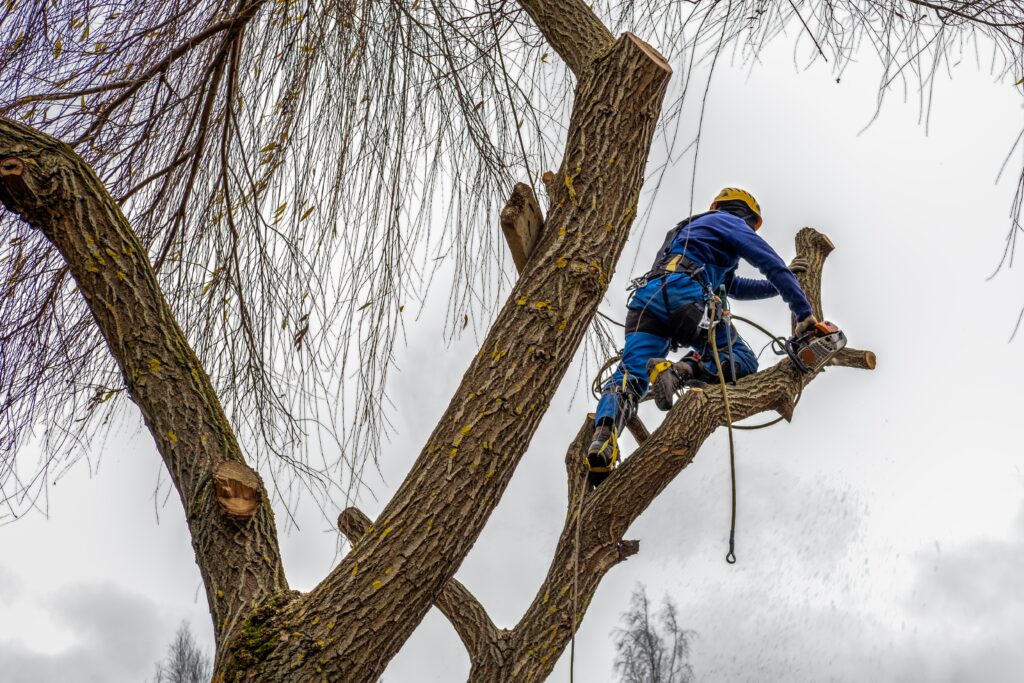
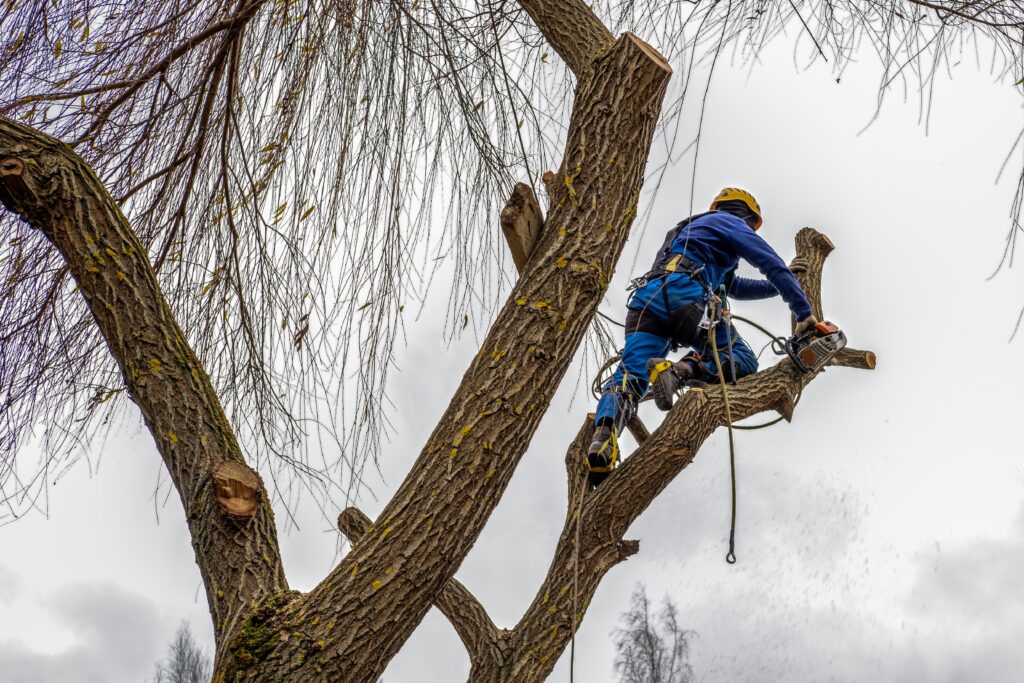
If your trees are tall, near structures, or have complex structural problems, it’s best to call a tree service or arborist. Professionals have the experience, safety gear, and training needed to perform tree trimming safely.
They can also identify potential pest and disease problems, recommend tree removal if necessary, and guide you through seasonal tree maintenance plans.
Ready to Move Forward?
Tell us about your project and get matched with up to 3 pre-screened contractors. Compare quotes, check reviews, and hire with confidence.
Conclusion: Give Your Trees the Best Chance to Thrive
Pruning during the winter isn’t just about keeping your yard tidy—it’s about ensuring the long-term health of your trees and safety of your property. The benefits of winter tree pruning include improved growth, reduced disease risk, and enhanced appearance, all while your trees take less stress in their dormant state.
By trusting professional arborists or tree care companies and scheduling your winter pruning, you’ll keep your trees healthy, beautiful, and strong for the seasons ahead.