

What to Do After a Fire if You’ve Had One, and How to Plan Ahead if You Haven’t
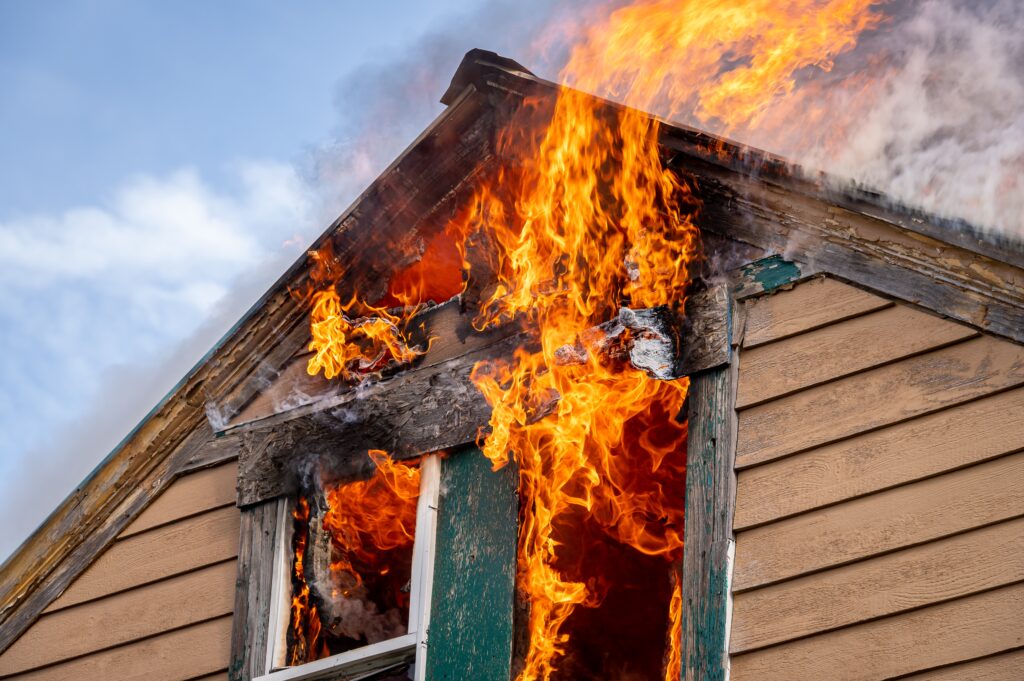
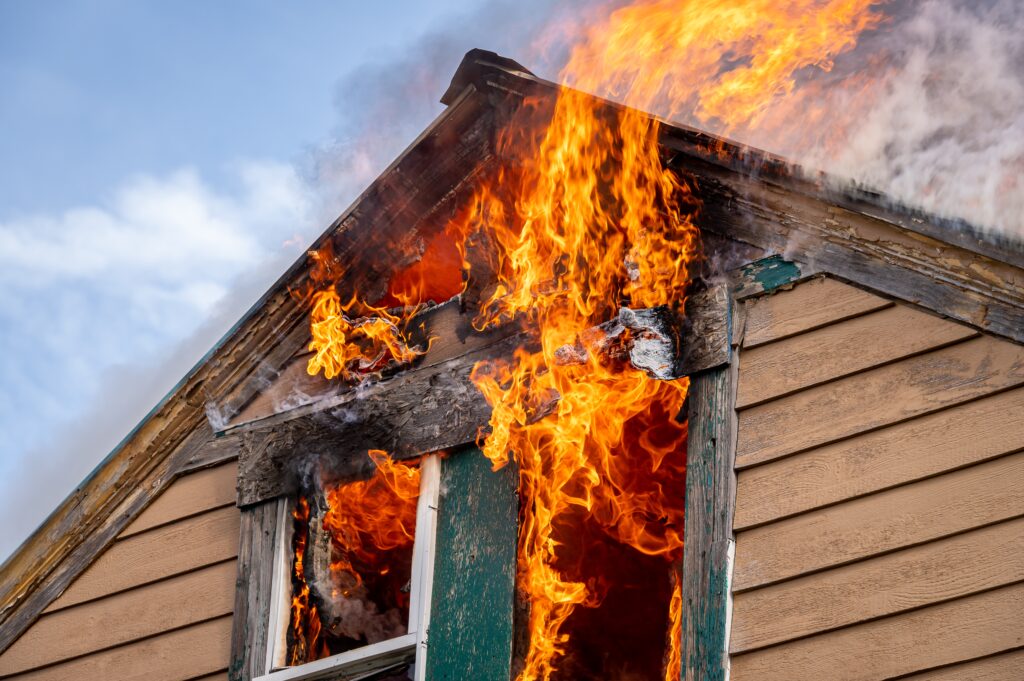
A house fire can be one of the most devastating events a homeowner faces, both emotionally and financially. Whether you’ve recently experienced fire damage or want to be better prepared in case the unthinkable happens, understanding the fire damage restoration process is essential.
This guide walks you through what restoration entails, how to navigate insurance, and how to prepare ahead with smart, comparison-based decision-making when hiring professionals to help.
The Basics of Fire Damage Restoration
Fire damage restoration refers to the process of cleaning, repairing, and rebuilding areas of a home damaged by fire, smoke, soot, and water used to extinguish the flames. Restoration companies are trained to assess and mitigate multiple forms of damage, including structural issues, lingering smoke odors, and mold from water exposure.
Common Restoration Steps Include:
- Inspection and Assessment: Professionals evaluate the extent of damage to both the structure and contents.
- Securing the Property: This may include boarding up windows, tarping roofs, or stabilizing weakened structures.
- Water Removal & Drying: Essential if sprinklers or firehoses were involved.
- Soot and Smoke Cleanup: Using specialized equipment, technicians remove residue from surfaces, fabrics, and air ducts.
- Sanitizing & Deodorizing: To eliminate odors and prevent mold or contamination.
- Rebuilding: Structural repairs may involve replacing drywall, flooring, cabinetry, and more.
The time frame for restoration varies—from days to several months—depending on the severity of the fire.
Cost Considerations (And Why Prices Vary SO Much)
Fire restoration costs can range dramatically based on:
- The size of the home
- The severity of fire, smoke, and water damage
- Required rebuilding efforts
- Specialized cleaning needs (e.g., electronics, heirlooms)
- Materials costs for your area
A minor kitchen fire might involve a few thousand dollars in smoke cleanup, while a major structural fire could reach six figures. Much of this can be covered by home insurance, which we’ll cover more below, but the size of the tab can vary widely, either way. Because of this range, it’s crucial to:
- Get multiple quotes: Speak to at least three restoration companies before deciding, understand their areas of specialty, and consider if they seem a good match for you and your needs.
- Request detailed estimates: Including labor, materials, equipment, and any subcontracted services.
- Ask about guarantees and certifications: Reputable firms should be licensed, insured, and ideally certified by the IICRC (Institute of Inspection Cleaning and Restoration Certification).
Navigating Insurance Claims Effectively
Check your own policy, but most homeowners’ insurance typically covers fire damage, and the claims process can be complex. To get the most from your policy:
Immediately After a Fire:
- Contact your insurance provider ASAP to start the claims process.
- Document everything: Take photos or videos of the damage before cleanup begins. Keep receipts for any out-of-pocket expenses.
- Avoid throwing anything away until your insurer has assessed it (unless it’s a safety hazard).
During the Claim:
- Meet with the adjuster: Your insurance company will send an adjuster to inspect the damage. Be present, if possible, and provide any supporting documentation.
- Ask for an itemized breakdown: Understand what’s covered and what isn’t.
- Consider hiring a public adjuster: If your claim is complex or you disagree with your insurance company’s assessment, a licensed public adjuster can advocate on your behalf.
A reputable restoration company can often help coordinate directly with insurers and may bill them directly for covered work.
How to Choose the Right Restoration Partner
This is not the time to go with the first company that knocks on your door. As much as it feels important to get started, it’s wise to compare providers first.
Here’s how to compare contractors and make an informed choice:
- Ask for referrals and check reviews: Look at both Google and Better Business Bureau (BBB) listings.
- Request proof of licensing and insurance specific to fire restoration in your state.
- Compare timelines: Be cautious of companies that promise unusually fast completion or pressure you into signing quickly.
- Look for emergency response capabilities: A top-tier provider should be able to mobilize quickly after a fire—often within hours.
Fire Restoration Planning: What You Can Do Ahead of Time
Even if you haven’t experienced a fire, some forward thinking can help minimize damage and recovery costs later. It’s especially wise to be ahead of things if you’re in a high-risk fire area, and everyone can benefit from emergency pre-planning.
Smart Pre-Planning Steps:
- Create a home inventory: Document belongings with photos, serial numbers, and receipts. Store copies online, on the cloud, or offsite.
- Review and update insurance coverage: Ensure your policy covers full replacement costs—not just market value—and includes code upgrades.
- Install or check safety equipment: Test smoke alarms monthly, keep fire extinguishers handy, and consider a monitored fire alarm system.
- Prepare a fire escape plan: Review it regularly with your family. Include pet safety and key document retrieval if time allows.
- Research restoration companies in advance: Identify local professionals you might contact quickly if needed.
Geography Matters: Why You Need Local Expertise
Fire risks and restoration practices vary significantly depending on where you live. For instance:
- In wildfire-prone states like California or Colorado, embers can cause damage even without direct contact with flames.
- In humid regions, mold growth following water-based fire suppression is a bigger concern.
- In colder climates, water from firefighting efforts can freeze and damage plumbing or structure.
Local restoration professionals understand the regional codes, insurance trends, and weather-specific risks better than a national provider unfamiliar with your area. That’s why speaking to multiple local professionals is crucial—not just for pricing but for expertise.
Final Thoughts
Whether you’re picking up the pieces after a fire or planning ahead just in case, the right knowledge and partnerships can make a huge difference. Fire damage restoration is not just about rebuilding—it’s about regaining peace of mind.
Be thorough in vetting professionals. Speak with multiple companies. Ask the right questions. And don’t underestimate the value of planning ahead—even a few basic steps now can save you money, time, and heartache later.

Connect with top-rated local contractors who can help you with siding, roofing, HVAC, windows, and more. Get free quotes from verified professionals in your area today.