


*Updated October 21st, 2025
When you’re preparing to close on a home, the list of expenses can feel endless. But if there’s one item you don’t want to skip, it’s the home inspection. While it may seem optional, this modest investment can save you thousands—or help you avoid a costly mistake altogether.
Home inspection costs typically range between $300 and $600, depending on factors like location, size of the home, and the type of inspection required. While not mandated by mortgage lenders, a thorough inspection gives you an unfiltered look at a property’s true condition before you sign on the dotted line.
Table of Contents
- What Is a Home Inspection?
- Why a Home Inspection is Worth the Investment
- Factors That Affect Home Inspection Cost
- What Does a Home Inspection Include?
- Types of Home Inspections
- Specialized Inspection Options
- Who Pays for the Home Inspection?
- Why a Home Inspection Is Worth Every Penny
- How to Save Money on a Home Inspection
- Questions to Ask Your Home Inspector Before Hiring
What Is a Home Inspection?
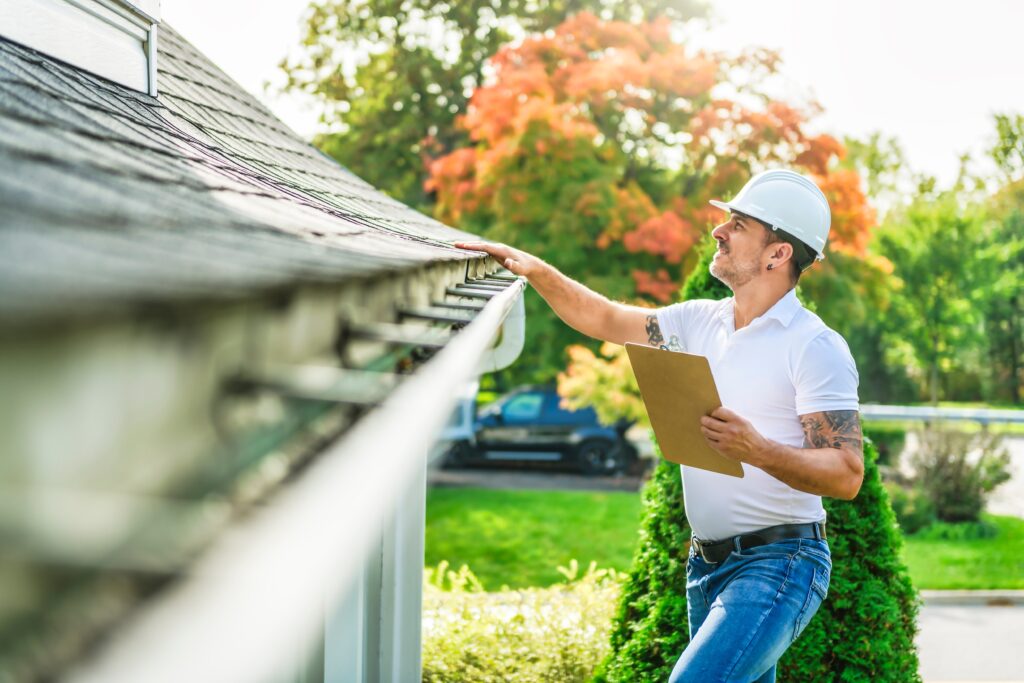
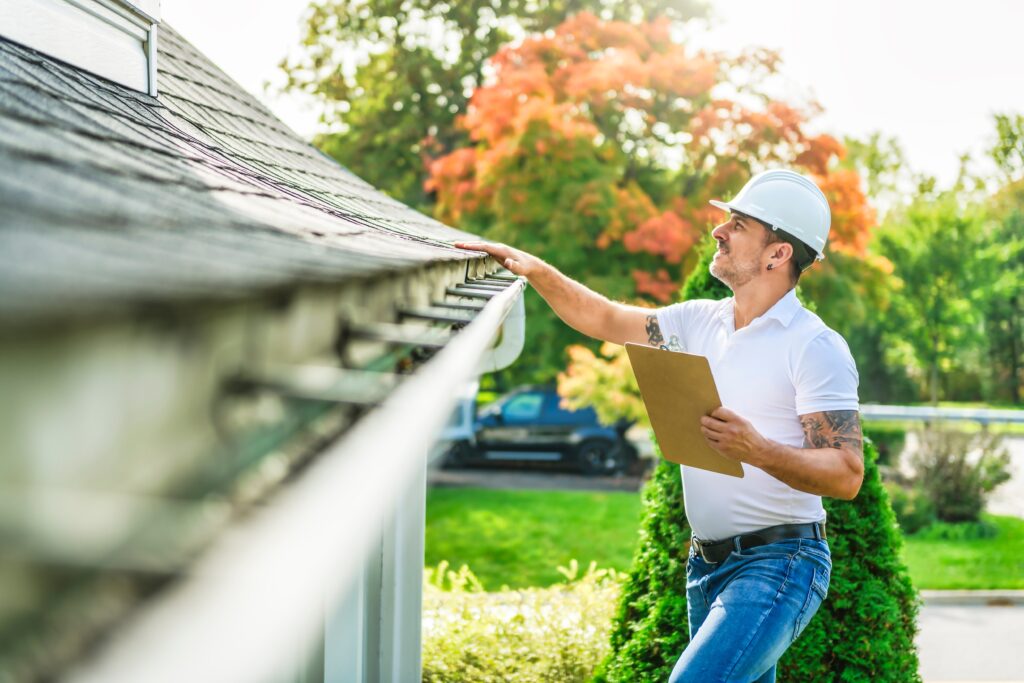
A home inspection is an objective, visual evaluation of a home’s physical structure and systems. It’s conducted by a certified home inspector who identifies current issues and flags potential problems in areas like the roof, plumbing, HVAC, foundation, and more. The goal is to help buyers understand what they’re getting into before they finalize the purchase.
Why a Home Inspection is Worth the Investment
- Identifying Hidden Issues: Inspectors assess critical systems—including foundation, roof, electrical, plumbing, and HVAC—to detect problems that might otherwise go unnoticed (e.g., water damage).
- Negotiation Leverage: Buyers can use findings to request repairs, negotiate a price reduction, or ask for seller concessions.
- Safety Assurance: Inspections help identify hazards such as mold, radon, faulty wiring, or structural defects.
- Long-Term Savings: Addressing potential issues early can prevent expensive surprises after move-in.
Actual costs depend on your location, project scope, and materials. The best way to know what you'll pay is to get quotes from local contractors.
Get Your Free Estimate →Home Inspection Cost Factors (Average Price & What to Expect)
A standard home inspection typically may cost between $280 and $400, with a national average around $342. However, inspection costs vary based on home size, age, location, and the inspector’s expertise—home inspection costs vary widely depending on where you live.
Size and Age of the Home
Larger homes require more time to inspect, increasing labor costs. Older homes may raise fees due to aging infrastructure or outdated systems needing deeper evaluation.
"We matched with a great contractor the same day. The whole process was easy and completely free."
Need professional help with your project?
Get quotes from top-rated pros.
Find Local Pros| Home Size (Square Footage) | Average Cost |
|---|---|
| Less than 1,000 square feet | $200 – $250 |
| 1,000 – 1,500 sq. ft. | $280 – $300 |
| 1,501 – 2,000 sq. ft. | $290 – $320 |
| 2,001 – 2,500 sq. ft. | $307 – $350 |
| 2,501 – 3,000 sq. ft. | $323 – $400 |
| More than 3,000 sq. ft. | $400+ |
| Home Age | Effect on Cost |
|---|---|
| < 10 years | Lower cost; fewer potential issues |
| 10 – 50 years | Moderate; common aging concerns |
| 50+ years | Higher; more in-depth evaluation |
Inspector’s Experience and Credentials
Home inspectors with certifications from the American Society of Home Inspectors or the Association of Certified Home Inspectors (InterNACHI) may charge more. Inspectors with more experience often provide more detailed home inspection reports, which can justify the cost of a home inspection.
Market & Location
In hot home buying markets, demand can push up pricing. Urban areas often carry higher average home inspection costs than rural regions.
| City | Average Cost |
|---|---|
| Detroit, MI | $294 |
| Houston, TX | $347 |
| Los Angeles, CA | $323 |
| Boston, MA | $411 |
| Hartford, CT | $489 |
Bottom line: cost will vary; ask any inspection company whether they use a flat rate or scale pricing by square footage/home size.
What Does a Home Inspection Include?
A standard home inspection/standard inspection evaluates the condition of the property across major systems and structures:
- Foundation and structural integrity (look for structural issues)
- Roof, attic, insulation, and ventilation
- Heating, cooling, and ventilation systems (major systems)
- Electrical wiring, outlets, and panels
- Plumbing, water pressure, and drainage
- Windows, doors, walls, and ceilings
- Built-in appliances included in the home sale
- General safety hazards & areas of the home needing repair
Afterward, you’ll receive a detailed inspection report outlining issues and recommendations.
Why Hire a Licensed Professional
- Licensed & insured — protects you from liability
- Warranty coverage — manufacturers require pro installation
- Code compliance — avoids permit issues
- Faster completion — pros finish in days, not weeks
Types of Home Inspections
A standard home inspection gives a broad overview, but sometimes you’ll need a specialized inspection to dig deeper into a specific concern.
Common Specialized Options (Added Cost)
| Inspection Type | Purpose | Estimated Added Cost |
|---|---|---|
| Termite inspection | Checks for termite/wood-destroying insects | $75–$150 |
| Radon testing | Detects dangerous gas levels | $100–$200 |
| Mold inspection | Identifies presence/type of mold | $200–$400 |
| Sewer scope | Camera review of lines | $300–$600 |
| Foundation inspection | Structural engineer review | $300–$800+ |
These services are added cost items and inspection costs vary by market and provider.
DIY vs. Professional: At a Glance
Who Pays for the Home Inspection?
In most transactions, the buyer pays for the home inspection to ensure the home inspector is working in their best interest. A contract inspection contingency lets the buyer renegotiate or walk away if serious issues are found—true peace of mind when buying a home or buying a house.
Why a Home Inspection Is Worth Every Penny
- Protection From Hidden Costs: Catch issues like foundation movement, roof leaks, or unsafe wiring before closing.
- Negotiation Power: Use findings to adjust the sale price or request repair credits.
- A Roadmap for Future Repairs: The home inspection report helps prioritize maintenance after move-in.
- Safety: From gas leaks to electrical hazards, a thorough home inspection improves safety for any homeowner.
Spring and summer are the busiest seasons for home improvement projects — top-rated contractors book up fast. Lock in your estimate now before demand peaks.
Check Availability in Your Area →How to Save Money on a Home Inspection
- Bundle services (e.g., general + radon or termite inspection) for discounts.
- Compare quotes from multiple licensed home inspectors/inspection company options.
- Schedule off-peak; winter bookings can cost less in some markets.
- Attend the inspection so the realtor/real estate agent and buyer can see issues firsthand and avoid extra visits.
Questions to Ask Your Home Inspector Before Hiring
- Are you a certified home inspector (ASHI/InterNACHI)?
- What inspection services does your standard home inspections package include?
- Can I see a sample home inspection report?
- How long the inspection takes and when will I receive the report?
- Do you inspect additional structures on the property (shed/ADU/garage)?
- What specialized inspections do you offer if the inspector may suspect issues?
- How do you price by square footage/square feet? Do you may charge a flat rate?
Ready to Move Forward?
Tell us about your project and get matched with up to 3 pre-screened contractors. Compare quotes, check reviews, and hire with confidence.
Conclusion
If you’re buying a home, the purpose of a home inspection is clarity: uncover issues with a home, estimate repair needs, and reduce risk before closing. While closing costs add up, the cost of home inspections is a small price for the information you gain. For homeowners selling, a pre-listing house inspection can surface fixes to address early and boost confidence with buyers.
How much does a home inspection cost? It depends—the cost of a home inspection (and how much a home inspection costs) hinges on home size, age, market, and scope. But every inspection is designed to inspect the condition of a home, provide transparency, and help you negotiate with the seller so you can move toward your dream home with confidence.
FAQs
What is the biggest red flag in a home inspection?
Foundation movement, roof failure, unsafe electrical, active leaks, or widespread water damage. In older homes, the inspector may recommend a foundation inspection or other specialized inspection.
How much should you spend on a home inspection?
The average home inspection cost falls around the low-to-mid $300s, but your home inspection cost will vary by home size, age, and location. Add-ons like radon or termite checks increase the cost of a home inspection.
Is a home inspection the same as a home appraisal?
No. A home appraisal estimates market value for the lender; a home inspection evaluates the condition of the property for the buyer.
Do I need to attend the inspection?
Not required, but recommended. You’ll learn more about the home, see potential issues in person, and ask real-time questions about major systems and maintenance.
How long does an inspection take?
Most appointments last 2–4 hours, depending on home size and complexity. An inspection might be longer for very large or complex homes.
Additional Home Improvement Resources
Connect with top-rated local contractors who can help you with siding, roofing, HVAC, windows, and more. Get free quotes from verified professionals in your area today.