
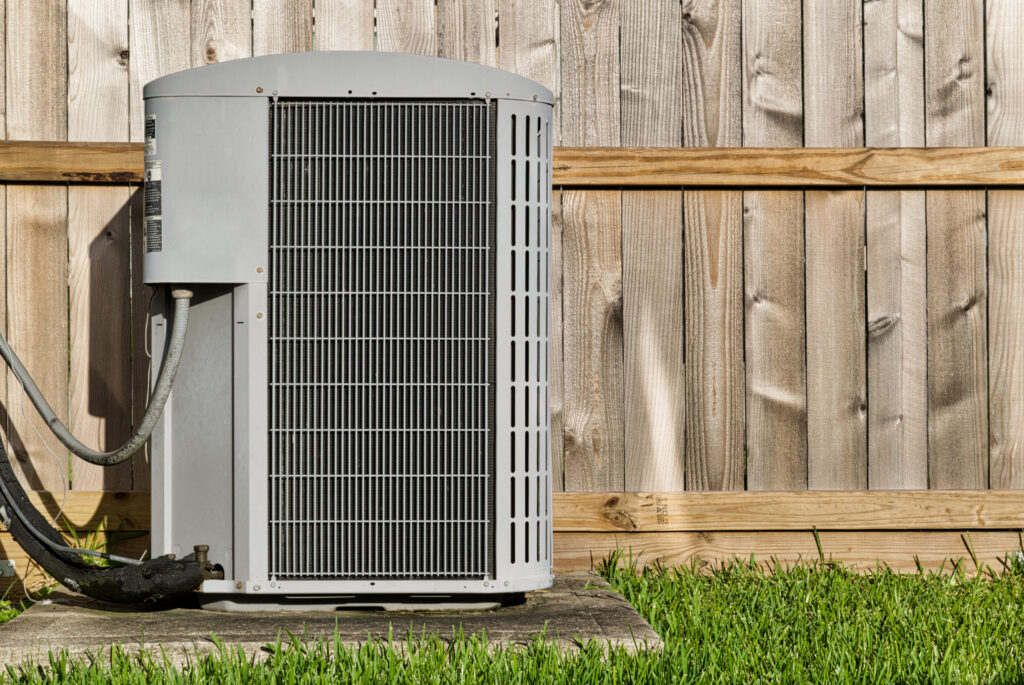
Installing central air conditioning in an older home is a major home improvement project that deserves careful financial planning.
If your home was built before central AC became common (roughly before 1970), the installation will likely be more complex and more expensive than it would be in a newer house. The total cost depends largely on whether you already have a forced-air heating system.
If your home has existing ductwork, the project is mostly a straightforward equipment installation. If it doesn’t, you’re looking at a larger renovation that may require retrofitting parts of the home. In many cases, the biggest cost isn’t the AC unit itself, but everything around it: adding ductwork, upgrading electrical service, modifying framing to fit ducts, and working around the access limitations typical of older construction.
Below is a breakdown of the costs and key financial considerations for adding central AC to an older property.
Average Cost to Install Central AC in an Older Home
The national average cost to install central air conditioning ranges from $3,500 to $8,500 for the unit and labor. However, older homes often present unique challenges that drive these costs higher.
If your home requires extensive retrofitting or new ductwork, you should budget between $10,000 and $20,000.
Cost Estimates by Home Size (Unit + Installation)
The Biggest Cost Factor: Does the Home Have Existing Ductwork?
The presence of ductwork is the primary cost driver for this project. In real estate terms, a home with “forced air” heating is far cheaper to upgrade than a home with boiler or radiator heat.
Costs For Homes With Ductwork
If your home uses a forced-air furnace, you likely have the necessary infrastructure. The installer can simply add the AC unit to your existing system. This is the most affordable scenario.
You should budget for potential extra costs ranging from $300 to $1,000 for sealing leaks or modifying vents to ensure efficient airflow. Older ducts often lack insulation which can lead to energy loss if not addressed before the new unit is installed.
Costs For Homes Without Ductwork
Homes heated by boilers, radiators, or baseboard heaters typically lack ductwork. You must pay for the fabrication and installation of ducts throughout the house. New ductwork costs between $10 and $25 per linear foot.
Expect your total bill to increase by $2,000 to $12,000 depending on the complexity of the layout. This process involves cutting into walls and ceilings. You may incur additional costs for drywall and plaster repair after the HVAC crew finishes. In many two-story older homes, contractors must sacrifice closet space to run the main trunk line from the basement to the second floor.
Cost Breakdown By System Type
Homeowners have three main options when retrofitting an older home. Each comes with a different price point and value proposition regarding the preservation of the home.
Traditional Central Air Conditioning Systems
This is the standard option found in most modern homes. The average cost falls between $3,500 and $8,500 excluding ductwork. This is the most cost-effective option only if you have existing ducts.
If you have to install standard ducts from scratch, the labor costs and loss of square footage often make this less desirable for vintage homes. Standard ducts require large bulkheads that can ruin the aesthetic of high ceilings or crown molding.
Ductless Mini-Split Systems
These systems connect an outdoor compressor to indoor handling units through small refrigerant lines. No bulky ductwork is required. The average cost ranges from $2,000 to $5,000 for a single zone or $8,000 and up for a whole-house system.
This is often the smartest financial move for homes with radiators. You avoid the cost of duct fabrication and gain high energy efficiency which lowers monthly utility bills. Mini-splits also allow for “zoning,” meaning you only pay to cool the rooms you are currently using.
High-Velocity HVAC Systems
These systems use small, flexible tubes that can be snaked through existing wall cavities. They are designed specifically for historic preservation. The average cost is significantly higher, often landing between $10,000 and $20,000.
This is the premium option for owners of designated historic properties. The upfront cost is high. However, it preserves the architectural integrity and resale value of the property by avoiding bulkheads or dropped ceilings. The vents are only two inches in diameter and are barely noticeable compared to traditional registers.
Hidden Costs To Anticipate
When reviewing quotes from HVAC contractors, you must look beyond the price of the equipment. Older homes hide infrastructure issues that can result in change orders midway through the project.
Electrical Panel Upgrades
Older homes often operate on 60-amp or 100-amp panels which was sufficient for the technology of the 1950s but not today. Central AC requires significant power.
Upgrading to a modern 200-amp panel typically costs $1,500 to $4,000. If your home still has knob-and-tube wiring, the cost could be even higher as electricians must bring the surrounding wiring up to code.
Asbestos And Lead Abatement
If your home was built before 1980, cutting into walls or removing old insulation may disturb asbestos or lead paint.
Professional remediation is required by law in many states. This process can cost $2,000 or more depending on the amount of material disturbed. It is vital to test any pipe wrap or attic insulation before work begins to avoid a contamination crisis.
Structural Carpentry And Repairs
Creating space for an air handler in an attic or closet may require carpentry work. You should budget an extra 10% to 20% for unforeseen structural repairs. For example, older attics may not have floor joists strong enough to support a 200-pound air handler unit without reinforcement.
Analyzing The Return On Investment
While the upfront cost is significant, installing central air offers tangible financial benefits that recoup some of the expense over time.
Increased Home Value
Central air conditioning is a highly desired feature for modern buyers. Real estate data suggests it can increase a home’s resale value by up to 10%. In regions with hot summers, homes without central air often sit on the market longer and sell for below asking price.
Energy Efficiency Savings
Modern systems with high SEER2 ratings use less electricity than window units. This results in lower monthly utility bills. Replacing three or four window units with a single high-efficiency central system can reduce cooling costs by 30% or more annually.
Asset Protection And Preservation
Controlling indoor humidity prevents damage to hardwood floors and wood furniture. High humidity causes wood to swell and warp. A central system acts as a whole-home dehumidifier which reduces long-term maintenance costs for your flooring and structural framing.
Ways To Save On Installation Costs
You can reduce the financial burden of this project through strategic planning and taking advantage of government programs.
Leveraging Tax Credits And Rebates
Under the Inflation Reduction Act, homeowners may qualify for tax credits up to $2,000 annually for installing energy-efficient heat pumps. Local utility providers often offer cash rebates for upgrading to high-efficiency equipment to reduce strain on the local grid. You should check the Database of State Incentives for Renewables & Efficiency (DSIRE) before signing a contract.
Timing Your Installation
HVAC pricing is highly seasonal. You will pay a premium if you try to book an installation during a July heatwave. Schedule your installation during the “shoulder seasons” of spring or fall when contractor demand is lower. Many companies offer off-season discounts to keep their crews busy during these slower months.
Conclusion
Installing central AC in an older home generally costs between $10,000 and $20,000 if full ductwork is required. However, the investment improves your property value and daily comfort. To ensure you get the best price, obtain detailed quotes from at least three licensed contractors and ask specifically about structural modifications and electrical requirements.

Anna has over six years of experience in the home services and journalism industries and serves as the Content Manager at MyHomePros.com, specializing in making complex home improvement topics like HVAC, roofing, and plumbing accessible to all. With a bachelor’s degree in journalism from Auburn University, she excels in crafting localized, comprehensive guides that cater to homeowners’ unique needs. Living on both coasts of the United States has equipped her with a distinctive perspective, fueling her passion for turning any house into a cherished home through informed, personalized decision-making.
Connect with top-rated local contractors who can help you with siding, roofing, HVAC, windows, and more. Get free quotes from verified professionals in your area today.