

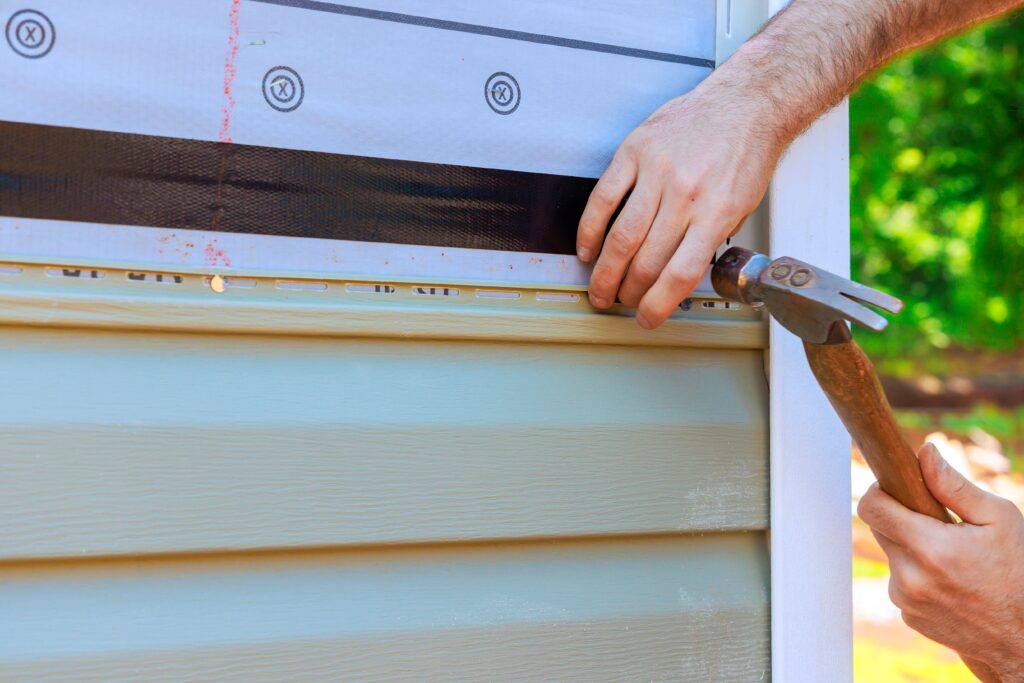
Is your home’s exterior truly protected or are you falling victim to common siding myths? Many people assume siding is purely cosmetic or entirely maintenance-free, but these misconceptions can lead to significant problems down the line ranging from hidden water damage to soaring energy bills.
Myths persist largely because technology has outpaced public knowledge. Many homeowners still base their opinions on materials from decades ago, but the high-tech systems engineered today bear almost no resemblance to the brittle panels of the past.
Conflicting information makes it even harder to separate fact from fiction. Marketing claims about “maintenance-free” products often contradict the reality of homeownership while anecdotal horror stories about bad contractors get mistaken for product failures.
The reality is that modern siding is more durable and attractive than ever before. Understanding the difference between myth and fact is crucial for preserving your home’s structural integrity and value. Let’s clear up the confusion and look at what is actually true about the shield protecting your home.
Myth 1: All Siding Materials Perform the Same
It is a common mistake to assume that vinyl, fiber cement, wood, and metal are interchangeable options that simply cover your walls. The reality is that each material performs very differently.
Vinyl is excellent for moisture resistance, but lower grades can crack in extreme cold. Fiber cement is non-combustible and rot-resistant, which makes it ideal for fire-prone areas or high humidity, though it requires specialized installation.
Wood offers unmatched natural beauty but is highly susceptible to rot and pests like termites without rigorous care. Metal is incredibly durable but can be prone to denting or rusting depending on the alloy used. You should always choose your material based on your local climate hazards rather than price alone.
Actual costs depend on your location, project scope, and materials. The best way to know what you'll pay is to get quotes from local contractors.
Get Your Free Estimate →Myth 2: Siding Is Only About Curb Appeal
While new siding certainly transforms the look of a home, its primary job is functional rather than aesthetic. Siding is a structural shield that manages water by shedding rain away from the foundation. This prevents moisture from rotting your wall studs and compromising the frame of the house.
If you view siding strictly as house makeup, you may ignore small cracks or gaps that are actively damaging your home’s structure. It also acts as a pest barrier to seal entry points against rodents while simultaneously protecting the insulation layers that keep your interior climate controlled.
"We matched with a great contractor the same day. The whole process was easy and completely free."
Myth 3: Vinyl Siding Looks Cheap or Outdated
Modern engineering has completely transformed the aesthetics of vinyl siding. The plastic look associated with the 1970s and 80s is largely a thing of the past. Today, premium vinyl siding features high-definition wood grains molded from real cedar planks and low-gloss finishes that mimic the look of freshly painted wood.
Manufacturers also now use advanced acrylic capping technologies to produce deep, rich colors that resist fading. High-end vinyl can now rival the look of traditional wood clapboard at a fraction of the maintenance cost.
Myth 4: Siding Doesn’t Need Much Maintenance
Many homeowners confuse low maintenance with no maintenance. Even the most durable materials require attention to last their full lifespan. Vinyl needs annual cleaning to prevent mold or mildew buildup and checks for loose panels after heavy storms. Even brick and stone require mortar joints to need repointing to prevent water infiltration.
Fiber cement requires re-caulking at joints and usually needs repainting every fifteen years. Neglecting minor maintenance tasks like caulking and washing is the fastest way to void your warranty and invite water damage.
Myth 5: You Only Need New Siding When It’s Visibly Damaged
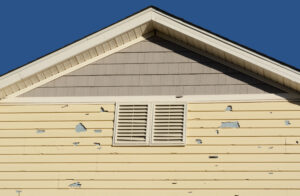
The most dangerous siding failures are often invisible from the street. By the time you see a hole or a missing panel, the damage underneath is often severe. You should watch for subtle signs of failure that are easily missed. Sudden spikes in heating and cooling costs often indicate the siding has lost its insulating seal.
Interior peeling paint or wallpaper can signal that moisture is trapped under the siding and traveling through the walls. It is wise to schedule a professional inspection if your siding is over fifteen years old, even if it looks acceptable on the surface.
Why Hire a Licensed Professional
- Licensed & insured — protects you from liability
- Warranty coverage — manufacturers require pro installation
- Code compliance — avoids permit issues
- Faster completion — pros finish in days, not weeks
Myth 6: Siding Replacement Is Too Expensive to Be Worth It
Siding Replacement consistently offers one of the highest returns on investment in the home improvement industry. According to the annual Cost vs. Value Report, replacing siding typically recoups a significant majority of its cost upon resale. It immediately boosts appraisal value by improving curb appeal and is often a decisive factor for home inspectors.
Old or rotting siding scares off buyers faster than an outdated kitchen. When viewed over the lifespan of the home, new siding is an asset that pays you back in increased equity and energy savings.
DIY vs. Professional: At a Glance
Myth 7: DIY Siding Installation Is Just as Good as Hiring a Pro
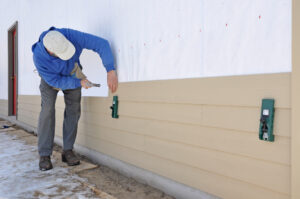
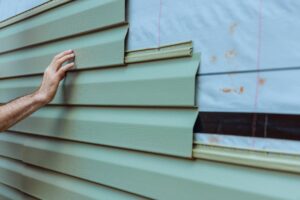
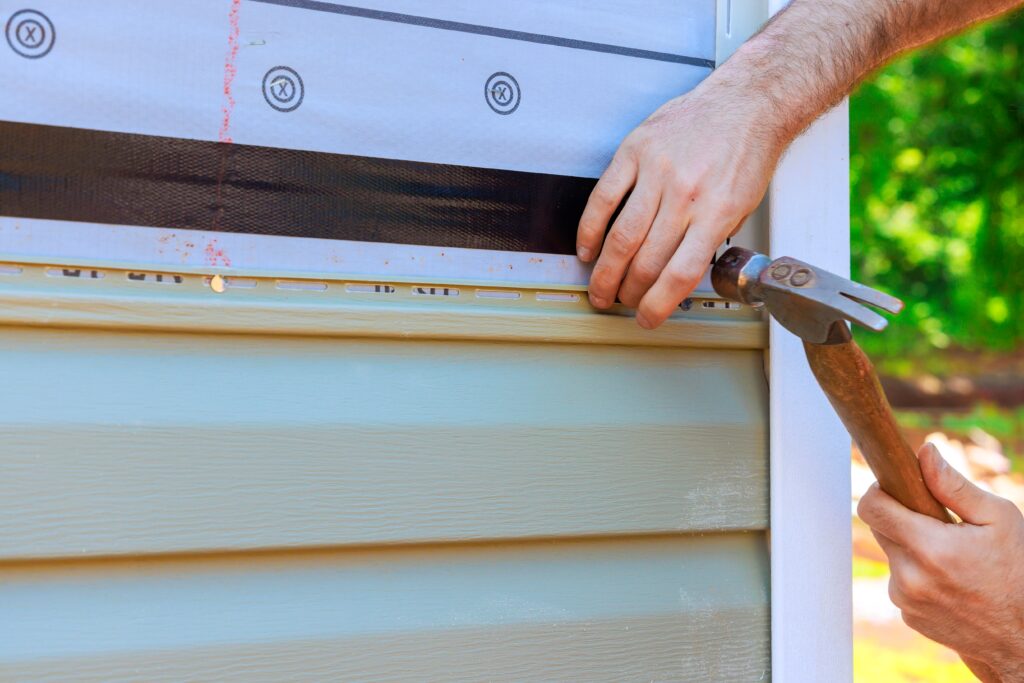
Siding installation requires nuanced knowledge of water management systems. It involves a complex system of flashing, house wrap, and channels to manage water effectively. If vinyl siding is nailed too tightly by an amateur, it will not be able to expand and contract. This leads to buckling and warping in the summer heat.
Furthermore, improper flashing around windows is the leading cause of rot in DIY siding projects. Most major manufacturers (like James Hardie) and trade associations like the Vinyl Siding Institute explicitly state that warranties may be void if the product is not installed to exact specifications by a certified contractor.
Spring and summer are the busiest seasons for home improvement projects — top-rated contractors book up fast. Lock in your estimate now before demand peaks.
Check Availability in Your Area →Myth 8: Siding Is the Same Regardless of Climate
Geography should always dictate your siding choice. Installing standard builder-grade vinyl in a region with high winds or extreme UV exposure often leads to premature failure. In the Northeast or Midwest, insulated vinyl is superior because it reduces heat loss during freezing winters.
In the Southeast or coastal areas, fiber cement or engineered wood is preferred for its resistance to humidity and salt spray. In the West or wildfire zones, metal or fiber cement is essential for their high fire-resistance ratings.
Myth 9: New Siding Doesn’t Improve Home Energy Efficiency
Siding is a critical component of the thermal envelope of your house. Wall studs create thermal bridging, which are pathways for heat to escape your home. New siding usually includes new weather barriers and taping. This acts as a windbreaker to stop drafts so your insulation can work effectively.
Additionally, siding products with permanently attached foam backing can increase the insulation rating of your exterior walls significantly.
Ready to Move Forward?
Tell us about your project and get matched with up to 3 pre-screened contractors. Compare quotes, check reviews, and hire with confidence.
Myth 10: You Can Just Paint Old Siding Instead of Replacing It
If your siding is fundamentally sound, such as wood in good condition, painting is a great maintenance step. However, painting does not fix warped vinyl or rotting wood. Painting over moisture issues simply seals the water inside and accelerates rot.
It is also important to note that most vinyl siding cannot be painted with dark colors unless using specialized paint because dark colors absorb heat and cause the panels to warp. Paint extends the life of good siding, but it cannot save bad siding.
Conclusion
Modern siding materials are more attractive and durable than ever. The right choice depends on your climate and budget rather than just style. Focus on performance first because a product that looks great but fails in your local weather will cost you more over time.
Installation quality often matters more than the material itself. Proper house wrap, flashing, and ventilation are what prevent moisture problems and premature failure.
Siding is a long-term investment in your home’s protection. We strongly recommend getting quotes from at least three experienced contractors to compare options. When you pair the right material with professional installation, you get a finish that keeps your home looking sharp for decades.
Connect with top-rated local contractors who can help you with siding, roofing, HVAC, windows, and more. Get free quotes from verified professionals in your area today.