

Warmer weather is right around the corner, and that means it’s time to start preparing your HVAC system to keep your home cool and comfortable. As you transition from heating to air conditioning, a little prep work now ensures your HVAC system for summer is ready to handle the summer heat and even an unexpected heat wave.
Prepping your system now means better efficiency, lower energy bill costs, and fewer breakdowns during hot summer days. Simple HVAC maintenance steps can go a long way in helping your system run smoothly throughout the cooling season.
Why Preparing Your HVAC System Matters
Getting your HVAC system ready for summer might feel like just another task, but it plays a big role in keeping your home comfortable. Your heating and cooling system works hard year-round, whether it’s battling the winter chill or helping you beat the heat.
If you skip maintaining your HVAC, your system has to work harder, which can lead to higher energy bills, reduced efficiency, and even breakdowns during extreme heat.
By preparing your HVAC, you can:
- Improve airflow in your home
- Help your HVAC unit run efficiently
- Prevent issues like clogged air filters, blocked duct systems, or low refrigerant
- Ensure your system is ready for summer and running smoothly
Step-by-Step Guide to Prepare Your HVAC System
Getting your HVAC system running efficiently doesn’t have to be complicated. These simple HVAC tips for summer will help ensure your system performs when you need it most.
Actual costs depend on your location, project scope, and materials. The best way to know what you'll pay is to get quotes from local contractors.
Get Your Free Estimate →1. Inspect and Replace the Air Filter
One of the easiest ways to help your system is replacing the air filter. Air filters are essential for maintaining proper airflow and keeping your air conditioning system efficient.
A dirty filter forces your system to work harder, increasing your energy bill and reducing the amount of cool air circulating throughout your home.
How to Do It:
- Locate your HVAC air filter (often in a return duct)
- Remove and inspect the filter
- Replace it if clogged or dirty
- Repeat every 1–3 months during the summer months
2. Clean Vents and Ducts for Better Airflow
Dust buildup can block airflow in your home, creating cold spots and making your HVAC system work inefficiently.
Cleaning vents and ducts helps your system operate properly and improves indoor air quality.
Quick Tips:
- Vacuum vents and registers
- Wipe covers to remove debris
- Consider a professional HVAC duct cleaning if buildup is heavy
"We matched with a great contractor the same day. The whole process was easy and completely free."
3. Adjust Your Thermostat Settings
When switching from heating to cooling, it’s important to check your thermostat.
Switch from heating to cooling mode and start adjusting the temperature to maintain a comfortable indoor temperature.
Upgrading to a smart thermostat is an easy way to help:
- Automatically regulate your home’s temperature
- Save energy and reduce costs
- Keep your home cool without constant adjustments
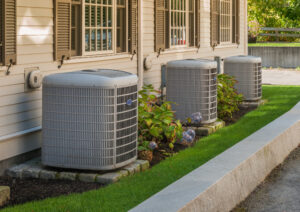
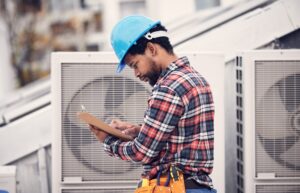
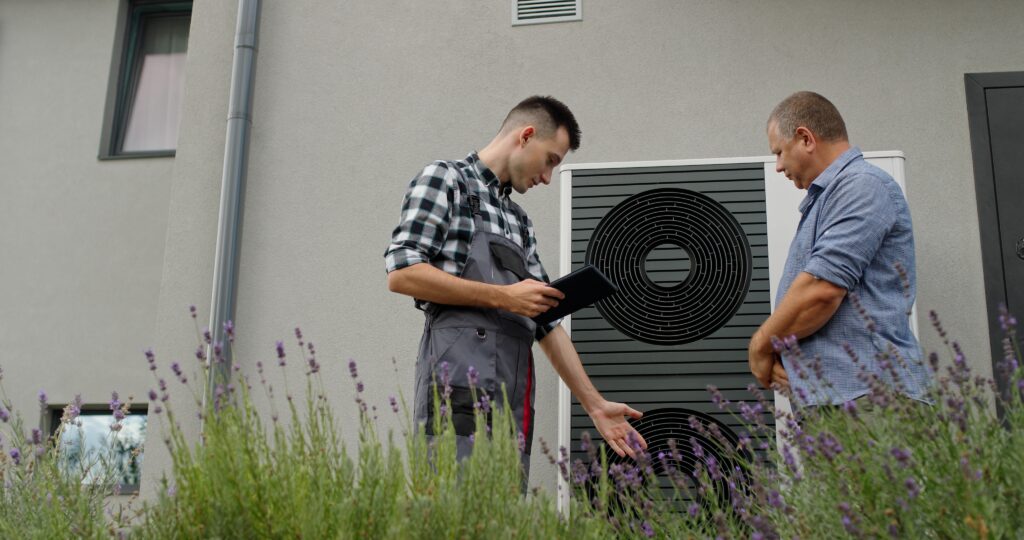
4. Inspect the Outdoor HVAC Unit
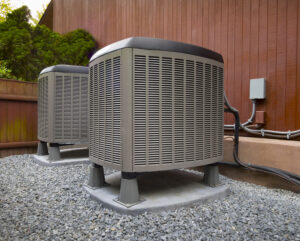
Your outdoor HVAC unit plays a major role in your cooling system. Debris buildup can restrict airflow and cause overheating during high heat.
What to Check:
- Clear debris around the unit
- Inspect fan blades and coils
- Ensure at least 2 feet of clearance
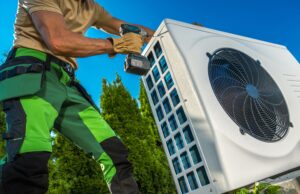
If something looks off, it’s best to call an HVAC technician for a closer inspection.
5. Test Your Air Conditioner Early
Before the summer heat hits, test your air conditioner to ensure your HVAC system running properly.
What to Look For:
- Is the air blowing cool air?
- Are there unusual noises?
- Is airflow consistent throughout your home?
Testing early ensures your system is system ready before a heat wave arrives.
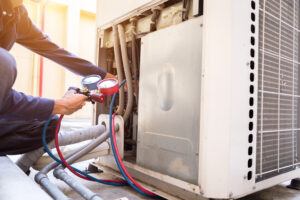
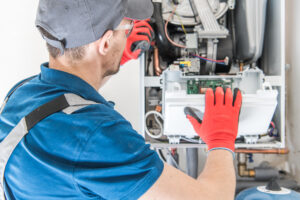
6. Schedule Professional HVAC Maintenance
Even if you handle basic upkeep, scheduling professional HVAC service ensures your system is in peak condition.
A certified HVAC technician will:
- Check refrigerant levels
- Inspect electrical components
- Ensure the AC system operates efficiently
Regular HVAC maintenance helps keep your system running smoothly and prevents costly repairs.
Why Hire a Licensed Professional
- Licensed & insured — protects you from liability
- Warranty coverage — manufacturers require pro installation
- Code compliance — avoids permit issues
- Faster completion — pros finish in days, not weeks
HVAC Tips for Summer: Keep Your Home Cool
Beyond system prep, there are simple ways to keep your home cool and reduce strain on your HVAC system.
Use Fans to Support Your Cooling System
Ceiling fans help circulate HVAC air, making rooms feel cooler so your system doesn’t have to work harder.
DIY vs. Professional: At a Glance
Improve Insulation and Seal Air Leaks
Proper insulation helps prevent air from escaping, especially around windows and doors.
This keeps cool air inside and reduces the workload on your HVAC system.
Block Heat During Peak Hours
Close blinds during the hottest parts of the day to reduce heat rises inside your home and maintain a consistent indoor temperature.
Spring and summer are the busiest seasons for home improvement projects — top-rated contractors book up fast. Lock in your estimate now before demand peaks.
Check Availability in Your Area →Use Natural Ventilation
On cooler mornings and evenings, open windows to improve airflow and help cool your home naturally.
Troubleshooting Common HVAC Problems
Even after preparing your HVAC, issues can pop up. Here’s how to troubleshoot common problems.
Ready to Move Forward?
Tell us about your project and get matched with up to 3 pre-screened contractors. Compare quotes, check reviews, and hire with confidence.
HVAC System Not Cooling Properly
If your system isn’t keeping your home cool, check:
- Dirty air filter
- Blocked vents or duct issues
- Low refrigerant
- Incorrect thermostat settings
If your system is blowing warm air, it may be time to call an HVAC technician.
Strange Noises from Your HVAC System
Unusual sounds can signal problems with your HVAC unit:
- Banging → Loose parts
- Squealing → Motor or belt issue
- Hissing → Possible refrigerant leak
- Clicking → Electrical problem
If your system has to work harder than usual, don’t ignore it. Call a professional.
Final Thoughts: Keep Your HVAC System Ready for Summer
Taking the time to prepare your HVAC system now ensures your home stays comfortable throughout the summer.
From replacing air filters to turning the thermostat and scheduling HVAC maintenance, these small steps help:
- Keep your HVAC system efficient
- Reduce your energy bill
- Help keep your home cool and comfortable
Whether you have a traditional heating system or a heat pump, proactive care will keep your system running strong.
If your HVAC system might need repairs or upgrades, don’t wait. Contact a professional HVAC provider to ensure your system is fully ready for summer.
Connect with top-rated local contractors who can help you with siding, roofing, HVAC, windows, and more. Get free quotes from verified professionals in your area today.