



When the temperatures start climbing and a heatwave is on the way, your air conditioner quickly becomes the MVP of your home. But just like any hardworking machine, your AC needs a little prep to keep running smoothly when the heat is at its worst.
Getting your unit ready ahead of time isn’t just about staying cool, it can also help prevent unexpected breakdowns and save you money on energy bills.
So, a little effort now plays a major role in keeping your home comfortable when the heat turns up.
Table of Contents
Why Preparing Your AC Unit Matters for a Heat Wave
When a heatwave hits, your AC unit suddenly has to work overtime to keep your home cool and comfortable. This increased demand puts a lot of stress on the system, almost like asking a car to run at full speed for hours on end without a pit stop. If your unit isn’t properly prepared, it can easily overheat or break down right when you need it most.
Without some simple prep and maintenance, your AC might struggle to keep up, leading to reduced efficiency. That means it’s working harder, using more energy, and still not cooling your home as well as it should. Not only does this hike up your energy bills, but it can also leave you sweating in the heat.
That’s why being proactive is key. Taking the time to inspect, clean, and tune up your AC before the scorching days arrive helps it run smoothly and efficiently. A well-maintained system not only lasts longer but also keeps your home comfortable and your energy costs in check.
Clean or Replace Air Filters
When AC filters get clogged with dust and dirt, airflow slows down, making the system work harder and less efficiently. That can lead to higher energy bills and even wear out your AC faster. To keep things running smoothly, check your filters every month or two during heavy use, and swap them out or clean them as needed.
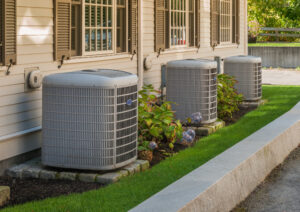
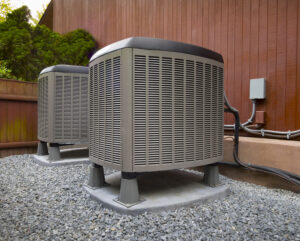
Inspect and Clean the Outdoor Condenser Unit
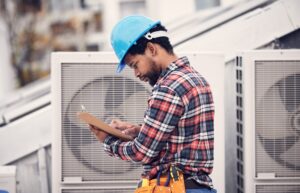
The outdoor condenser unit is your AC’s engine, so keeping it clear of debris is key. Leaves, dirt, and grass clippings can pile up around the unit and block airflow, making it less effective. Take a few minutes to gently clear away any clutter. Also, peek at the condenser fins — they can get bent or dirty over time. Use a soft brush or garden hose on a gentle setting to clean them without causing damage.
Clear and Clean Vents and Registers
Inside your home, air vents and registers are the gateways for cooled air. Dust and furniture blocking these spots can choke airflow, making rooms hotter and your AC work overtime. Give them a quick dusting and make sure nothing’s sitting in front of them. Keeping these pathways clear helps cool air circulate better and keeps you more comfortable.
Actual costs depend on your location, project scope, and materials. The best way to know what you'll pay is to get quotes from local contractors.
Get Your Free Estimate →Check the Thermostat Settings
Your thermostat is your best friend during a heatwave — setting it just right balances comfort and efficiency. Aim for around 78°F (26°C) when you’re home, and a bit higher when you’re away to save energy. If you don’t have one yet, think about upgrading to a programmable or smart thermostat. These let you customize cooling schedules and control your AC remotely, which can really help keep bills down.
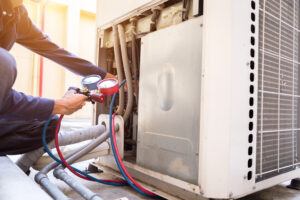
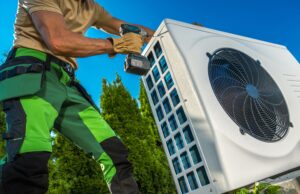
Schedule a Professional AC Tune-Up
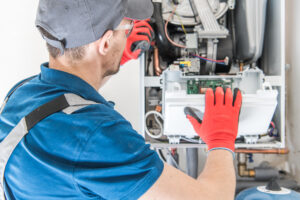
Before the heatwave hits, booking a pro for a tune-up is a great idea. They’ll check things like refrigerant levels, electrical connections, and overall system health to catch problems early. This maintenance helps prevent breakdowns and keeps your unit running efficiently, so you’re not stuck without AC during the hottest days.
Inspect and Seal Ductwork
Leaky ducts are like holes in a bucket — cooled air escapes before it reaches your rooms, causing uneven temperatures and wasting energy. Take a look at any visible ductwork for gaps or disconnected sections. You can seal small leaks yourself using duct tape or mastic sealant, but for bigger issues, it’s smart to call in a professional to make sure everything’s airtight.
"We matched with a great contractor the same day. The whole process was easy and completely free."
Use Fans and Shade to Assist Cooling
To ease the load on your AC, use ceiling fans or portable fans to keep air moving inside. Fans make you feel cooler by helping sweat evaporate, so you can raise the thermostat a bit without losing comfort. Outside, consider shading your AC unit with a tree or awning and closing blinds or curtains during peak sun hours. Keeping things cooler naturally means your AC doesn’t have to work as hard, saving energy and money.
Additional Tips to Keep Your Home Cool During a Heatwave
When the heat is really cranking up outside, there are a few extra tricks you can use to keep your home feeling fresh and cool — without relying solely on your AC.
Close Blinds and Curtains During Peak Sunlight
During the hottest part of the day—usually late morning through mid-afternoon—closing your blinds or curtains can make a big difference. Blocking out direct sunlight helps keep rooms cooler by preventing heat from streaming in through your windows. If you have reflective or blackout curtains, even better!
Limit Heat-Producing Activities Indoors
Some everyday activities can turn your home into a mini oven. Things like cooking on the stove, baking in the oven, or running the dishwasher and dryer generate extra heat. Try to schedule these tasks for early morning or later in the evening when it’s cooler outside. If you can, use the microwave or grill outside to cut down on indoor heat.
Stay Hydrated and Use Cool Towels or Misting Fans
Heatwaves don’t just test your AC—they also test your body! Keep yourself feeling fresh by drinking plenty of water throughout the day. You can also try draping a damp, cool towel over your neck or wrists for quick relief. Misting fans are another great option—they spray a fine, refreshing mist that helps cool your skin as the air circulates. Simple little tricks like these can make a huge difference in how comfortable you feel.
Signs Your AC Needs Repair or Replacement Before a Heatwave
Your AC is your best friend when the temperatures soar, but it can’t always handle the heat on its own—sometimes it needs a little help or even a replacement before things get serious. Here are some common warning signs that your system might be struggling and needs attention before the next heatwave hits:
Strange Noises
If your AC starts making weird sounds like grinding, rattling, or squealing, don’t ignore it. These noises often mean there’s a mechanical issue brewing inside, like a loose belt or failing motor. Catching these early can save you from a full breakdown when you need cool air the most.
Why Hire a Licensed Professional
- Licensed & insured — protects you from liability
- Warranty coverage — manufacturers require pro installation
- Code compliance — avoids permit issues
- Faster completion — pros finish in days, not weeks
Weak or Inconsistent Airflow
When you switch on your AC, you expect a nice, steady stream of cool air. If instead you notice weak airflow, or some rooms just aren’t getting cool no matter what you do, it could be a sign of clogged filters, duct problems, or even failing components inside the unit. This means your system is working harder but cooling less efficiently.
Higher Energy Bills
Have your electric bills been creeping up without any big changes in your usage? Your AC might be running inefficiently, using more power than it should just to keep things cool. This inefficiency often signals that it’s time for a tune-up or even a replacement to avoid those surprise bills during a heatwave.
When to Call an HVAC Professional Urgently
If you’re noticing any of these signs, it’s a good idea to call in a pro sooner rather than later—especially before a heatwave rolls in. Waiting too long could mean your AC gives out right when you need it most, leaving you stuck in the heat. Plus, some problems, like refrigerant leaks or electrical issues, can get worse quickly and even be dangerous.
If your AC won’t turn on at all, is leaking water, or is causing your breaker to trip, don’t hesitate—reach out to an HVAC technician immediately. They can diagnose the problem, suggest the best fix, and help keep your home cool and comfortable through the hottest days.
DIY vs. Professional: At a Glance
Energy-Saving Tips for Using Your AC Efficiently During a Heatwave
Keeping your home cool during a heatwave is a must, but doing it without sending your energy bill through the roof is the real win. Here are some easy, energy-smart tips to help your AC work efficiently and save you money while keeping you comfy.
Find the Sweet Spot Temperature
You might be tempted to crank your thermostat down to freezing when it’s blazing outside, but setting it too low actually makes your AC work overtime and spikes your energy use. When you’re away, bump it up a few degrees—this helps reduce energy consumption without sacrificing comfort when you return.
Take Advantage of Programmable Thermostats and Smart Home Tech
If you don’t already have a programmable thermostat, it’s worth investing in one. These smart devices let you set cooling schedules tailored to your daily routine—so your AC isn’t running full blast when you’re not home or while you’re asleep. Some even learn your habits and adjust automatically for maximum savings.
Even cooler: many smart thermostats integrate with your phone or smart home assistants, so you can adjust settings on the fly, get energy usage reports, and even receive alerts if something seems off with your system. That way, you’re always in control, even when you’re not around.
Spring and summer are the busiest seasons for home improvement projects — top-rated contractors book up fast. Lock in your estimate now before demand peaks.
Check Availability in Your Area →Keep Up With Regular Maintenance for Long-Term Savings
An efficient AC isn’t just about settings—it’s about how well your system is cared for. Regular maintenance like cleaning filters, checking refrigerant levels, and inspecting components keeps your unit running smoothly and efficiently. When your AC is in tip-top shape, it uses less energy to cool your home, which means lower utility bills and fewer unexpected repair costs down the line.
Think of maintenance like giving your AC a tune-up before a big race—it helps it perform at its best when you need it most. Plus, a well-maintained system lasts longer, saving you the hassle and expense of early replacement.
Conclusion
Preparing your AC unit before a heatwave isn’t just a smart idea—it’s pretty much a must if you want to stay cool, comfortable, and stress-free when the temperatures soar. By giving your system attention ahead of time, you reduce the chances of unexpected breakdowns and help your AC run more efficiently, which can save you money on energy bills.
Don’t wait until the heat hits to think about maintenance—schedule your tune-up early, clean or replace filters regularly, and try out some energy-saving habits like adjusting your thermostat and using fans. These simple steps add up and make a big difference.
At the end of the day, it’s all about protecting your home and family from extreme heat. A well-prepared AC unit means fewer worries, better indoor comfort, and peace of mind through the hottest days of the year.
FAQs
How often should I service my AC unit?
Most experts recommend getting your AC professionally serviced at least once a year—ideally in the spring before summer heatwaves kick in. Regular checkups keep everything running smoothly and catch small issues before they become big headaches.
Ready to Move Forward?
Tell us about your project and get matched with up to 3 pre-screened contractors. Compare quotes, check reviews, and hire with confidence.
Can I prepare my AC unit myself or should I hire a professional?
You can definitely handle basic tasks yourself, like changing filters, cleaning vents, and clearing debris around the outdoor unit. But for things like refrigerant checks, electrical inspections, or if you notice problems, it’s best to call a pro. They have the tools and know-how to keep your system safe and efficient.
What is the ideal thermostat setting during a heatwave?
A good rule of thumb is around 78°F when you’re home. It keeps you comfortable without overworking your AC. When you’re away, raise it a few degrees to save energy and avoid unnecessary cooling.
How can I tell if my AC unit is struggling to keep up?
Signs include weak airflow, inconsistent temperatures, strange noises, or your energy bills suddenly going up. If your home isn’t cooling as well as usual, it’s time to have your system checked.
Are there any quick fixes if my AC stops working during a heatwave?
Try checking the thermostat settings, ensuring the circuit breaker hasn’t tripped, and replacing dirty filters. Sometimes these simple steps can get things going again. But if those don’t help, it’s best to call a professional before the problem gets worse.
Connect with top-rated local contractors who can help you with siding, roofing, HVAC, windows, and more. Get free quotes from verified professionals in your area today.