


When it comes to maintaining a comfortable living space, every homeowner relies on their HVAC system. But understanding how your heating and cooling system works can feel overwhelming if you’re not familiar with common HVAC terminology.
To make things easier, this HVAC glossary breaks down the common HVAC terms every homeowner should know. Whether you’re upgrading your HVAC unit, troubleshooting an issue, or talking with an HVAC professional, these HVAC terms you should know will help you make smarter decisions.
Air Exchange Rate
The air exchange rate measures how quickly fresh air replaces stale indoor air. It’s expressed in air changes per hour, showing how often air circulates through the system.
This is an important part of ventilation, helping improve indoor air quality and manage humidity levels throughout your home.
Air Handler
The air handler is a key piece of HVAC equipment that helps distribute air throughout your home via ductwork.
It works with your air conditioning system or heating system to push cool air or warm air throughout your home, ensuring consistent comfort.
Actual costs depend on your location, project scope, and materials. The best way to know what you'll pay is to get quotes from local contractors.
Get Your Free Estimate →Annual Fuel Utilization Efficiency (AFUE)
AFUE (Annual Fuel Utilization Efficiency) measures how efficiently a furnace converts fuel into usable heat.
A higher fuel utilization efficiency rating means less wasted energy and better performance for your heating system.
British Thermal Unit (BTU)
A British Thermal Unit (BTU) measures the amount of heat required to raise the temperature of one pound of water by one degree Fahrenheit.
In HVAC terms, BTUs indicate the cooling capacity or heating power of your system, helping determine the right size for your home’s heating and cooling needs.
"We matched with a great contractor the same day. The whole process was easy and completely free."
Condenser (Outdoor Unit)
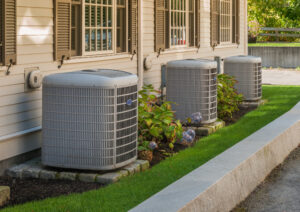
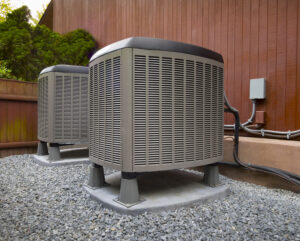
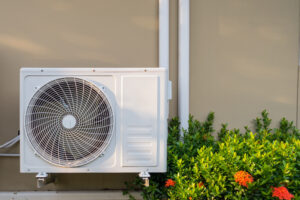
The condenser is the outdoor unit of your air conditioner or heat pump system. It releases heat from your home after the refrigerant absorbs it indoors.
The condenser coil inside helps condense the refrigerant and complete the heat transfer process.
Cooling Capacity
Cooling capacity refers to the amount of heat your cooling system can remove from your home within an hour.
This is a key factor when choosing a system for your home, as it directly impacts comfort and efficiency.
Compressor
The compressor is the heart of your air conditioning or heat pump. It pressurizes refrigerant, allowing it to transfer heat effectively between the indoor unit and the condensing unit.
Ductwork and Ducts
Ductwork is the network of pipes that carries air throughout your home. Each duct plays a role in maintaining proper airflow and ensuring your system can efficiently circulate through the system.
Evaporator Coil
The evaporator coil is where the refrigerant absorbs heat from indoor air. Located inside the air handler or attached to a furnace, it plays a critical role in producing cool air.
Why Hire a Licensed Professional
- Licensed & insured — protects you from liability
- Warranty coverage — manufacturers require pro installation
- Code compliance — avoids permit issues
- Faster completion — pros finish in days, not weeks
Air Filter
Your air filter traps dust and debris before air circulates through your HVAC system.
Filters are rated by MERV (Minimum Efficiency Reporting Value). A higher MERV rating means better filtration and improved indoor air quality.
Refrigerant
Refrigerant is the fluid that cycles through your system to absorb heat and release it outside. It’s essential for both air conditioning and heat pump systems.
DIY vs. Professional: At a Glance
Heat Pump
A heat pump is a versatile HVAC unit that can handle both heating or cooling. It works by transferring heat rather than generating it.
In winter, it pulls heat from outside air. In summer, it removes heat from inside your home.
Indoor Air Quality (IAQ)
Indoor air quality refers to the cleanliness and health of the air inside your home. It’s influenced by airflow, humidity, filtration, and ventilation.
Spring and summer are the busiest seasons for home improvement projects — top-rated contractors book up fast. Lock in your estimate now before demand peaks.
Check Availability in Your Area →Packaged Unit or Rooftop Unit
A packaged or rooftop unit combines all HVAC system components into one unit located outside the home. It’s a space-saving option often used in smaller homes.
SEER Rating (Seasonal Energy Efficiency Ratio)
SEER (Seasonal Energy Efficiency Ratio) measures how efficiently your air conditioning system operates over time.
A higher SEER rating means better seasonal energy efficiency, lower energy input, and improved long-term savings.
Ready to Move Forward?
Tell us about your project and get matched with up to 3 pre-screened contractors. Compare quotes, check reviews, and hire with confidence.
Thermostat
A thermostat controls your home’s temperature by turning your system on and off.
A smart thermostat can automatically adjust settings based on your schedule, improving comfort and reducing energy use.
Ventilation
Ventilation is the process of replacing stale indoor air with fresh outdoor air. Proper ventilation helps maintain indoor air quality and supports your system’s overall performance.
Final Thoughts: HVAC Terms Every Homeowner Should Know
Understanding these common HVAC terms can make a big difference when managing your home’s HVAC system.
While your HVAC system isn’t something you need to master overnight, learning these basics helps you:
- Communicate with an HVAC company
- Make informed repair or replacement decisions
- Better understand your heating and cooling needs
If you ever feel unsure, it’s always best to consult an HVAC professional. They can help you choose the right conditioning or heat pump system and keep your system running efficiently for years to come.
Connect with top-rated local contractors who can help you with siding, roofing, HVAC, windows, and more. Get free quotes from verified professionals in your area today.